13 Cat Sounds and What Each One Actually Means, According to Feline Researchers
Researchers who study feline behavior have found that cat sounds are far more purposeful than they first appear. A cat near a food bowl may produce a very different vocal tone compared to one focused on movement outside a window or reacting to another animal in its space. Stress, curiosity, social contact, and hunting focus all tend to shape how these sounds come out.
Meow

Credit: pexels
Adult cats rarely rely on meowing when communicating with other adult cats. It happens more around humans. Many domestic cats adjust the pitch and length of their meows based on the response they receive from people. A clipped sound near a kitchen cabinet may signal anticipation around feeding routines. Softer ones sometimes come during greetings when owners return home.
Purr
Credit: pexels
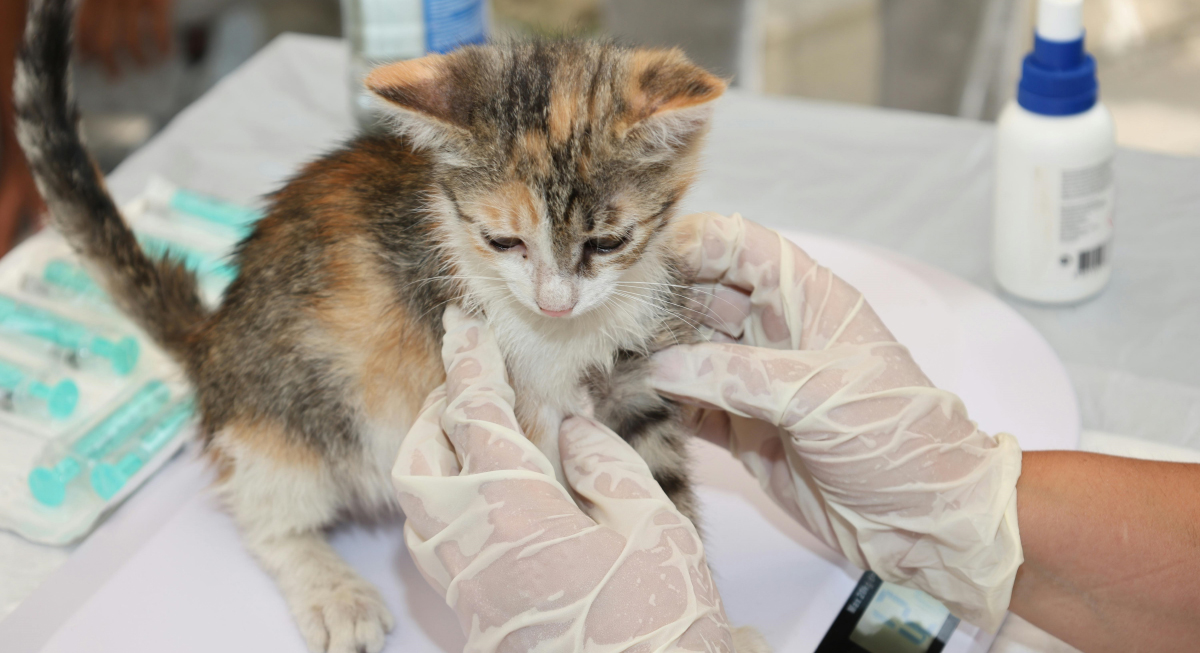
Veterinarians hear it during examinations, recovery periods, and stressful handling. Kittens begin purring within days of birth, and mother cats use the vibration to locate them during feeding. The sound itself comes from repeated movement of muscles connected to the larynx and diaphragm. Some studies suggest that low-frequency vibration may play a role in self-soothing or recovery behavior, although researchers still debate the exact biological function.
Trill

Credit: pexels
Mother cats use this sound while guiding kittens from one location to another, and many adult cats continue the behavior inside homes. The trill sounds like a short rolled “brrr,” and some cats trill while walking toward another room, pausing to check whether someone follows behind them. It could also happen when greeting familiar people near entrances or climbing onto furniture beside them.
Chirp
Credit: pexels
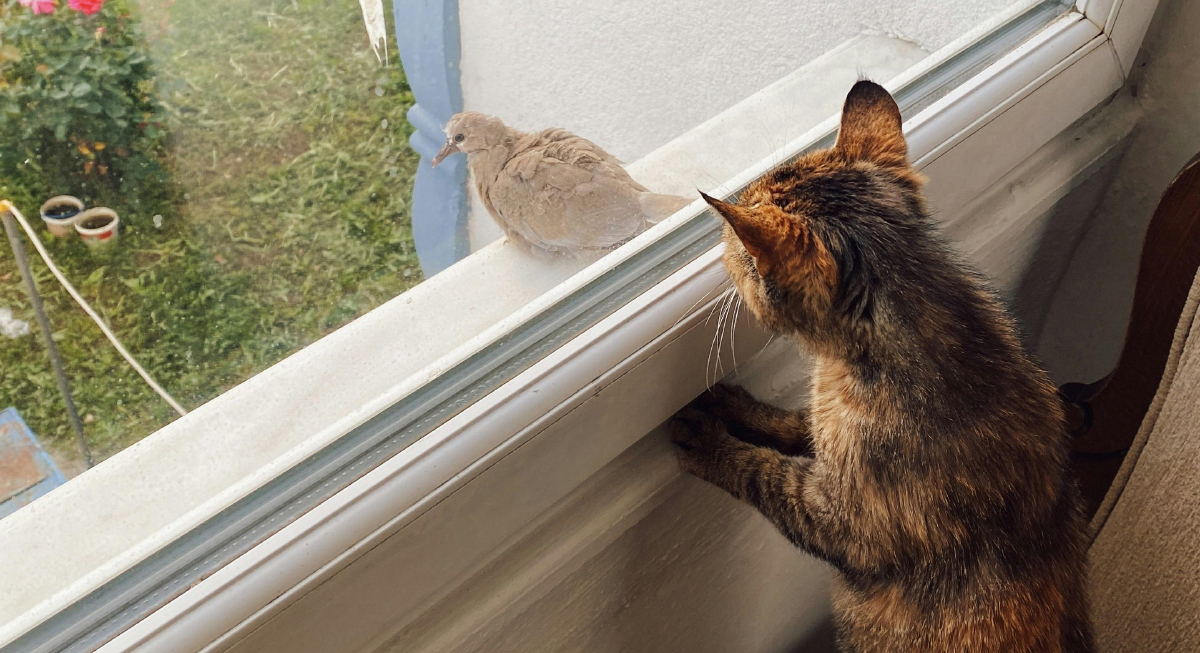
Birdwatching cats sometimes make short, high sounds while tracking movement outside a window. Researchers still debate why cats make the noise during hunting situations. Some connect it to frustration over prey staying out of reach, while others link it to instinctive hunting behavior. Indoor cats chirp at birds hopping across fences, insects crawling on screens, or squirrels racing along rooftops. The sound usually comes with wide eyes, stiff focus, twitching tails, and ears pointed forward. Some cats move between chirping and silent jaw movements without taking their eyes off the target.
Chatter

Credit: pexels
Chirping is a short, high sound cats often make when they spot prey through a window. It usually appears during intense focus on moving targets like birds, insects, or small animals outside. The behavior is still not fully explained, but it is commonly linked to hunting instinct and a possible mix of excitement and frustration when the animal cannot reach the target. It tends to happen alongside fixed staring, forward-facing ears, and a tense body.
Hiss
Credit: pexels
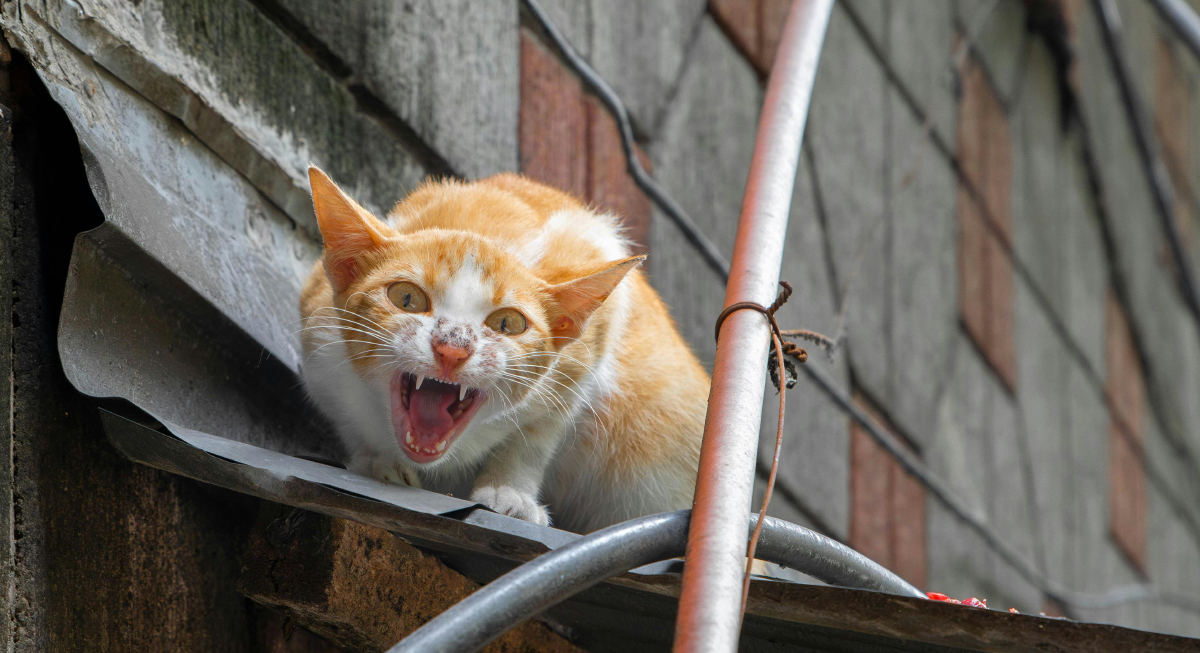
When a cat feels trapped, threatened, or overwhelmed, they may hiss. Veterinary clinics deal with hissing regularly because restraint, barking dogs, unfamiliar smells, and crowded spaces make many cats defensive. The sound itself comes from a forceful stream of air moving through an open mouth. Hissing is classified as a warning meant to create distance before it becomes a physical conflict. Cats hiss during tense introductions with other animals, near food bowls, or after sudden movement interrupts hiding, sleeping, or eating. Some cats raise their backs or turn to the side to look larger.
Growl
Credit: pexels
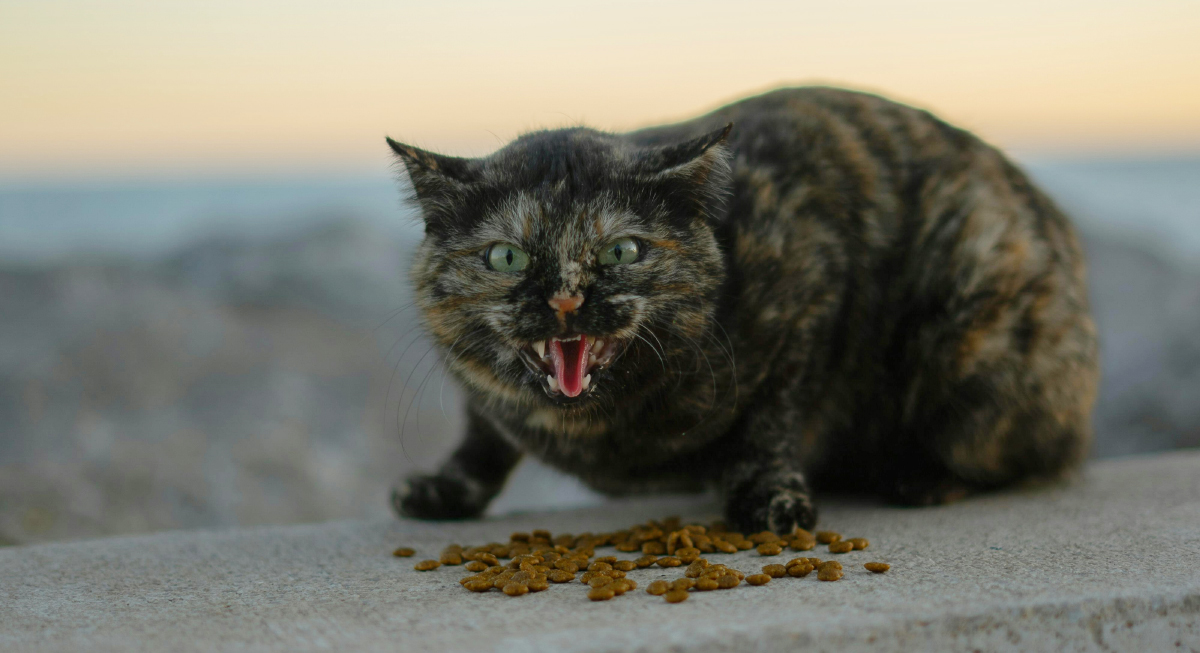
Growling shows up during tense situations involving territory, food, or conflict with another animal. The sound carries a low rumble that may continue while the cat keeps staring at the threat. Multi-cat households sometimes deal with growling during introductions when one cat blocks litter boxes, feeding areas, or narrow hallways. They may do it while backing away, or still hold their ground without blinking. But it shows elevated stress and a stronger chance of escalation if the situation continues.
Yowl
Credit: iStockphoto
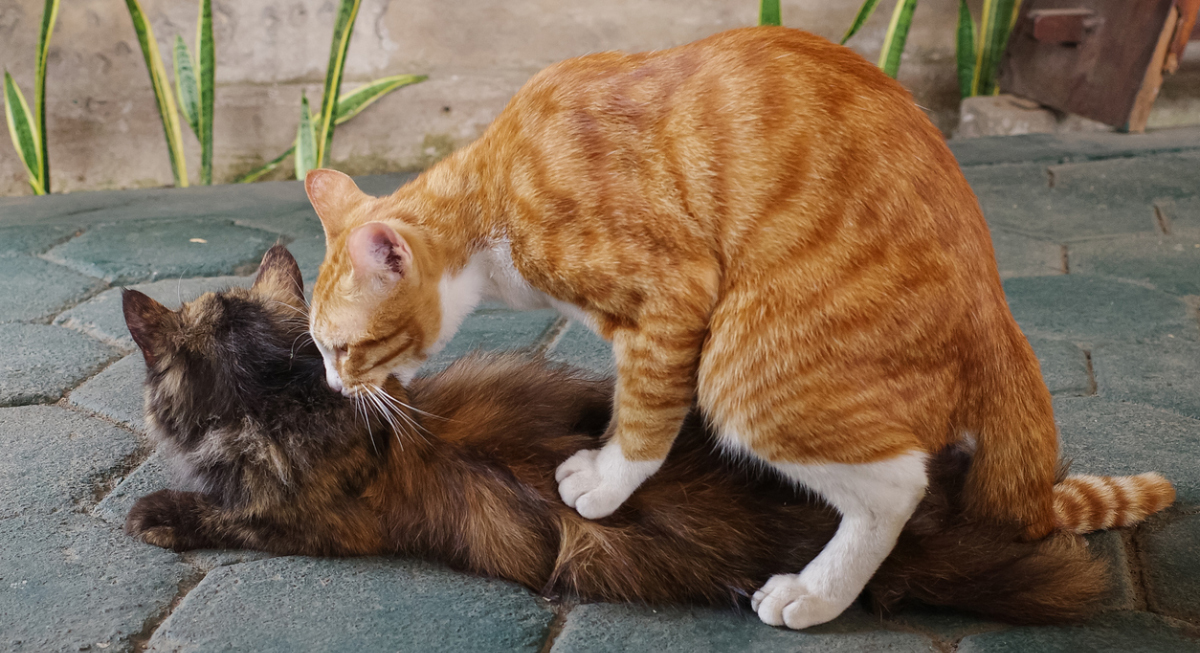
Cats yowl during territorial disputes, mating behavior, separation stress, or sudden environmental changes. Unneutered cats may yowl repeatedly during reproductive cycles, especially where outdoor animals pass nearby. Older cats sometimes begin yowling at night after developing hearing loss, cognitive decline, or disorientation inside familiar spaces. Some cats also yowl after becoming trapped inside closets or rooms.
Howl
Credit: Getty Images
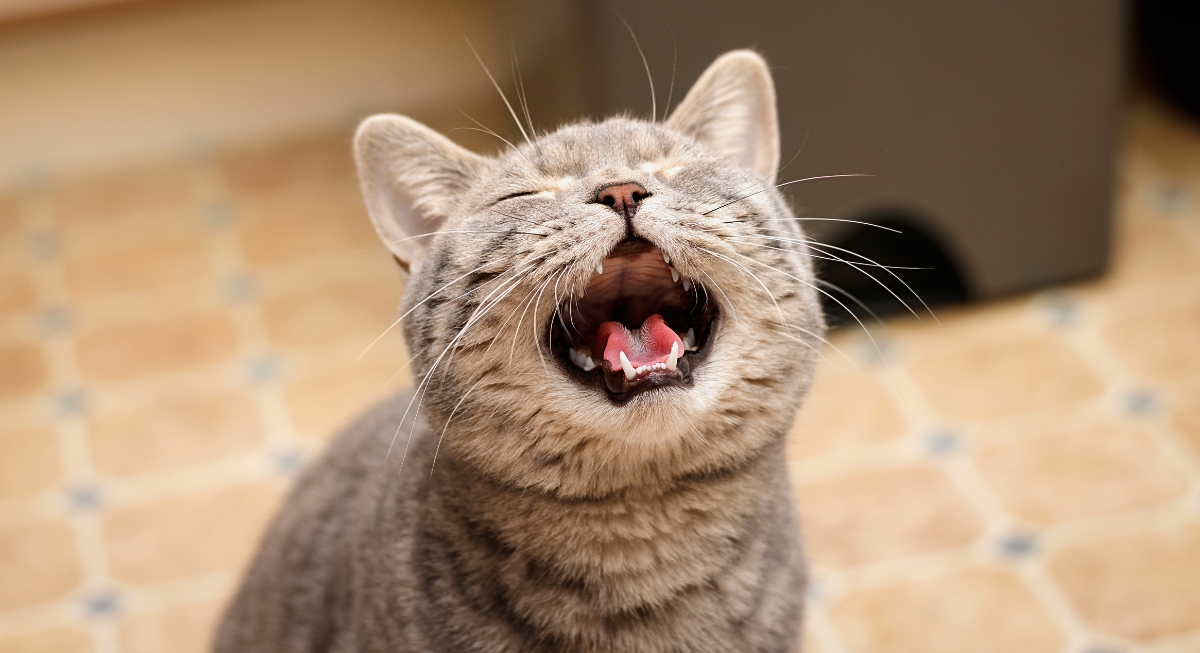
Howling is a long, drawn-out sound some cats make, often during the night. In older cats, it can be linked to cognitive decline, while in shelters or new homes it may reflect stress and adjustment after separation from familiar people or animals. It often starts when a cat loses sight of someone they’re bonded with and may last several seconds before stopping suddenly. If it happens often, it can point to an underlying issue that needs attention.
Snarl or Cry
Credit: pexels
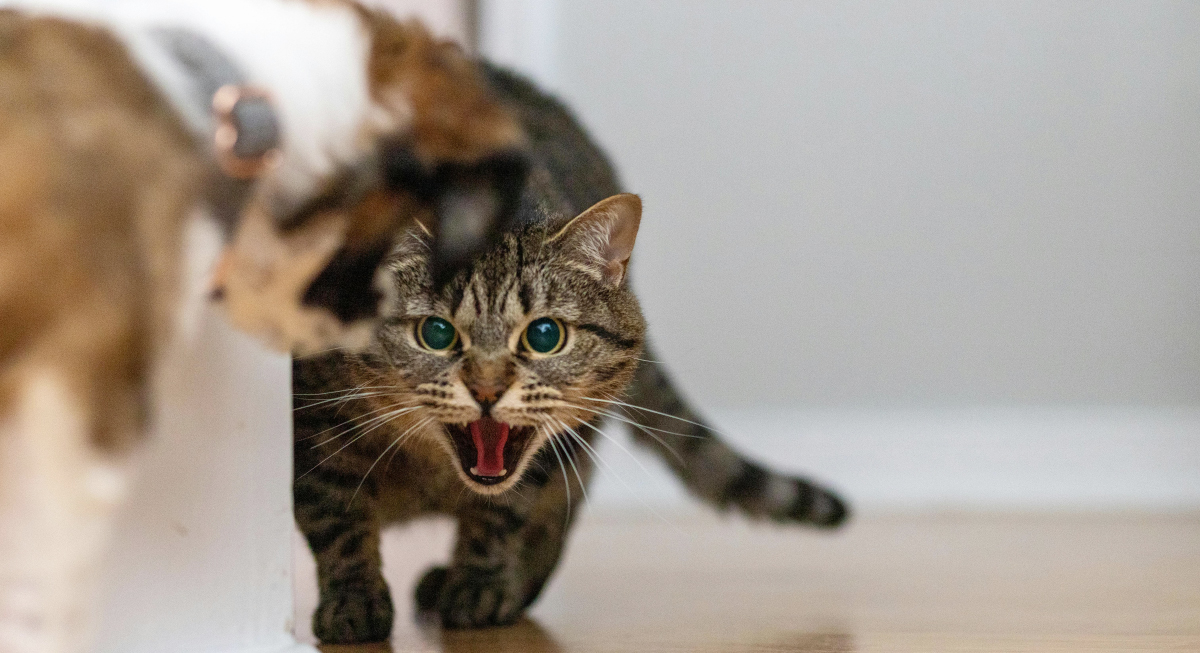
A snarl is a harsh blend of growl and hiss that shows up in intense stress or confrontation, such as fights, injury, or when a cat feels trapped. The body usually stiffens, fur stands up along the back and tail, and the mouth opens to show teeth. Sharp cries are more tied to sudden pain, like pressure on an injury or rough handling. Both sounds are loud, intense, and typically stop whatever is happening nearby.