Signs Your Cat Is Too Cold During the Winter
Cats may seem warm and cozy with all that fur, but they’re not as protected from the cold as many people think. Their bodies can start reacting to chilly temperatures, especially below 45°F. Indoor heating doesn’t always keep them safe either.
Knowing how to spot early signs of cold stress can make a big difference. Some are obvious, like shivering, but others are subtle and easy to miss. If you live somewhere with cold winters, learning these signs can help you keep your cat comfortable and avoid serious health problems down the line.
Shivering Is a Clear Response to Cold
Credit: pixelshot
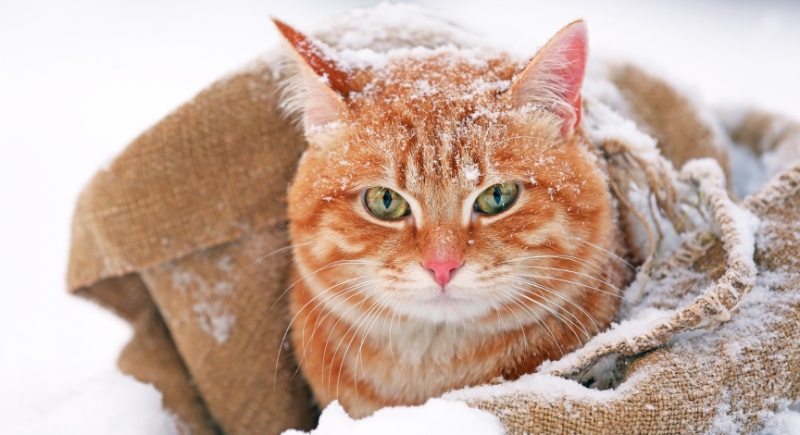
When a cat shivers, their muscles contract rapidly to create heat. This physical reaction signals that their body is trying to warm up. If you see your cat trembling indoors or after some brief outdoor time, it’s not normal. Shivering while indoors suggests they can’t retain heat effectively.
Ears, Paws, and Tail Lose Warmth First
Credit: pexels
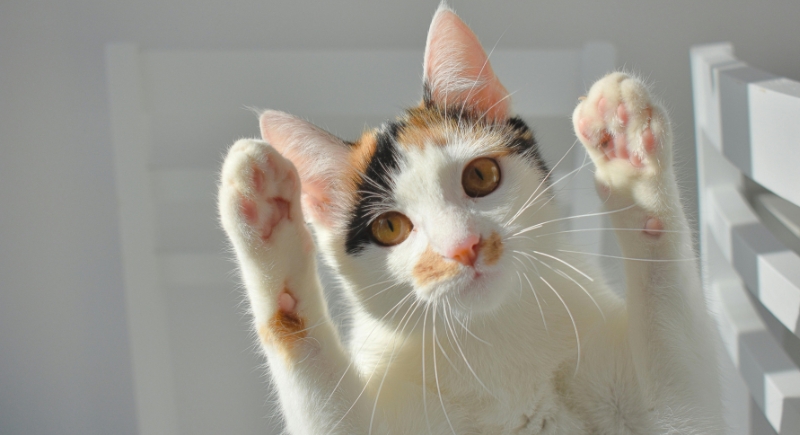
Ears, tails, and paws shed heat more easily than the torso. These small areas can feel noticeably cold before the rest of the body shows any sign of trouble. Gently check them when temperatures drop. They’re a reliable indicator of how your cat is handling the weather, especially if they’ve been near drafts.
Activity Drops As the Body Conserves Energy
Credit: pexels
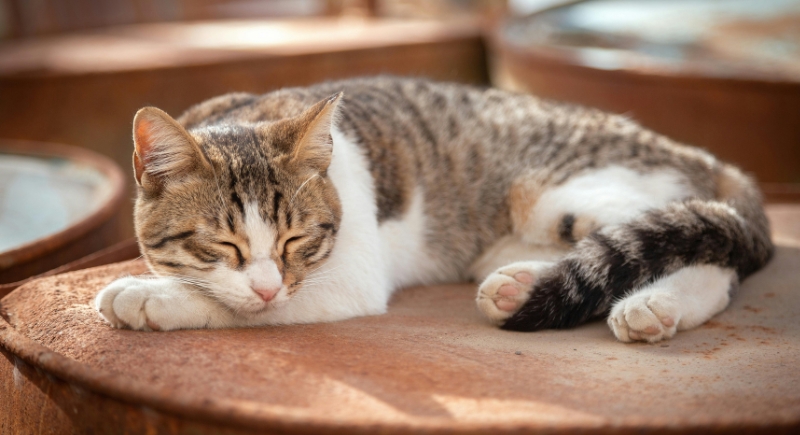
Cold exposure shifts a cat’s energy use. Instead of playing or exploring, they’ll slow down to save energy for heat retention. If a usually energetic cat becomes still or avoids movement, it’s likely a temperature response. This behavioral change often begins before more visible signs appear.
They Seek Out Heat Sources More Often
Credit: Canva
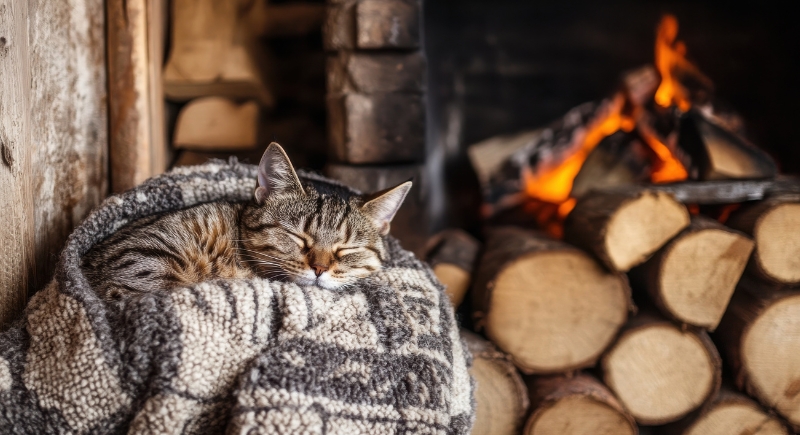
You may find your cat plastered against radiators, hovering by heating vents, or burrowing into piles of laundry more often. It’s a sign they’re working hard to regulate their body temperature. As these behaviors intensify with colder weather, it’s worth checking if your home is too chilly for them.
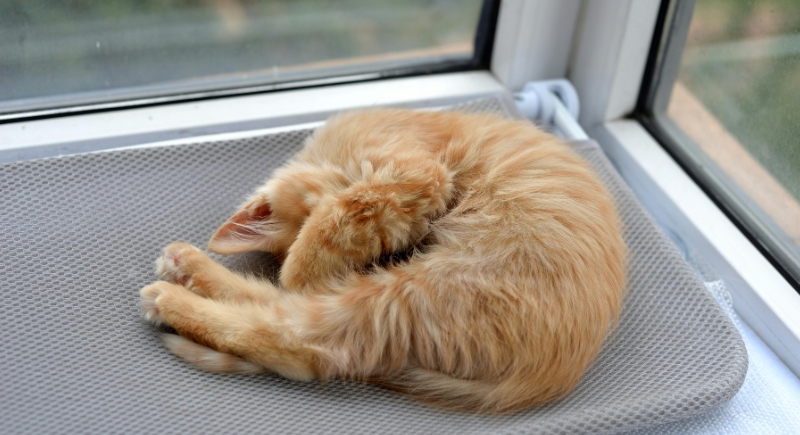
They Curl Into a Tight Ball To Preserve Heat
Credit: pexels
When a cat tucks in its tail, paws, and nose while sleeping, it’s minimizing its surface area to hold in warmth. This tight curl is a natural way to slow heat loss. If you often see your cat sleeping in this position during winter, it’s due to the same functional response.
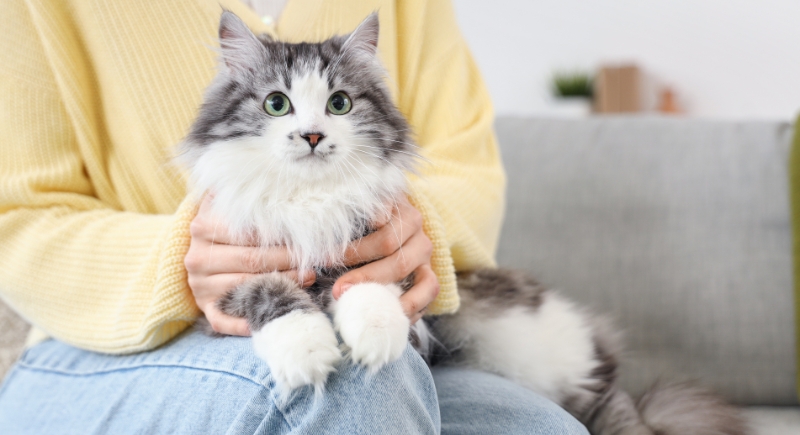
They Become Unusually Clingy
Credit: pixelshot
A cat that’s normally independent but suddenly insists on lying across your lap or burrowing under your blanket could be looking for body heat. This behavioral shift often coincides with a noticeable drop in temperature, and while it may seem sweet, it can indicate discomfort.
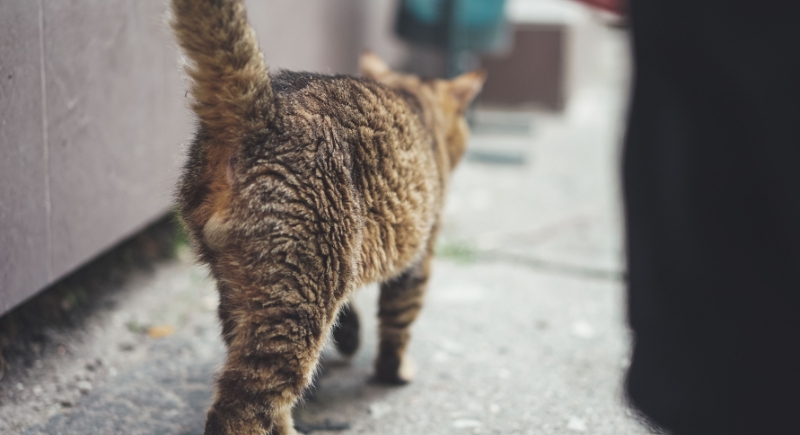
Confusion Can Signal Cold Stress
Credit: pexels
If your cat walks slowly, seems unsure of their surroundings, or hesitates at familiar turns, it could be more than aging or distraction. Cold exposure affects the nervous system, and confusion can appear when body temperature dips too low. Sudden disorientation may mean their system is under strain.
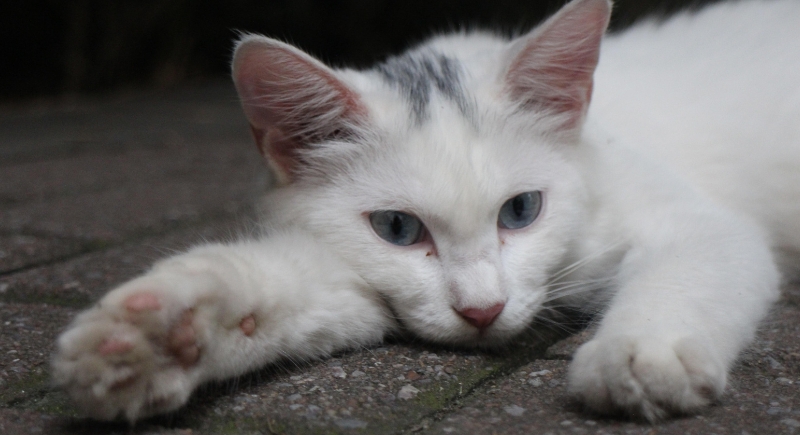
Weakness Points to Dangerous Cold Exposure
Credit: pixabay
If your cat stumbles, moves slowly, or struggles to get up, they may already be experiencing moderate hypothermia. This stage affects muscle coordination and energy levels. At this point, they need to be warmed up immediately and should be examined by a veterinarian as soon as possible.
They Hide in Small, Insulated Spaces
Credit: Getty Images
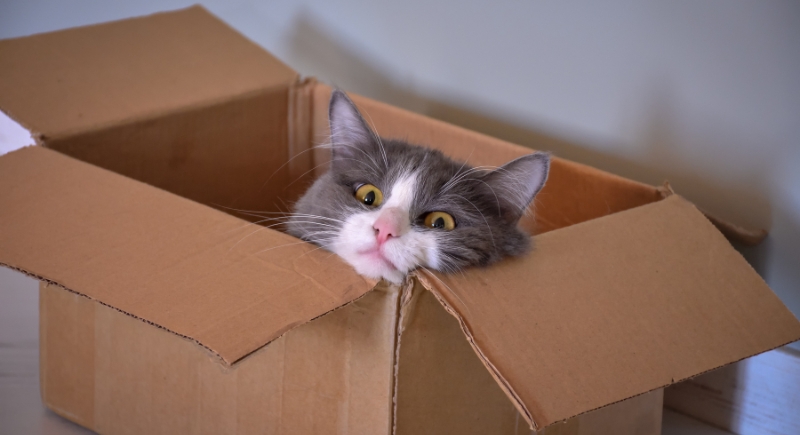
Cold cats often retreat into enclosed areas that trap body heat. You might find them under beds, inside closets, or squeezed behind furniture. These locations provide insulation from drafts. If your cat suddenly prefers hidden, tight spots, it’s likely an attempt to stay warm.
They Vocalize More Than Usual
Credit: Getty Images
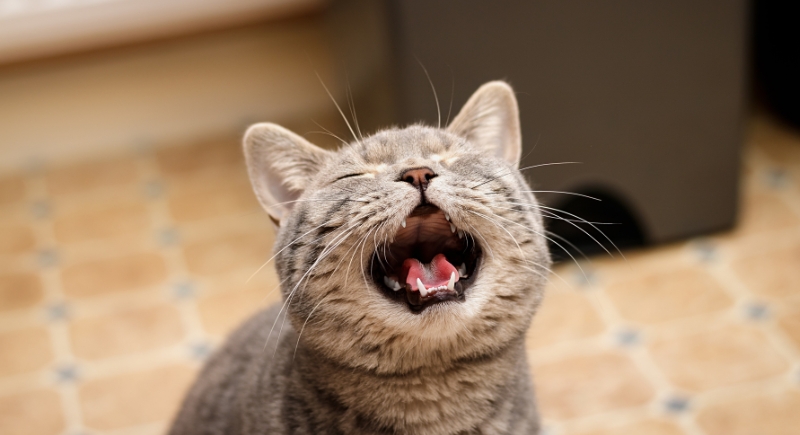
Excessive meowing or crying can indicate discomfort due to the cold. If your cat seems restless and vocal, especially at night or in cooler parts of the house, they may be trying to communicate a need for warmth. This behavior tends to be more noticeable in cats that are normally quiet.