Cat Behaviors That Mean They Trust You Completely
Cats are often labeled as distant, but research and behavioral studies show they form strong social bonds with people who make them feel safe. Trust in felines grows from predictable routines and gentle handling, built on positive experiences tied to food, rest, and play. Since they rely more on body language and subtle habits than on obvious displays, their trust often shows up in small, repeatable behaviors that mean far more than they seem at first glance.
The Greeting
Credit: Canva
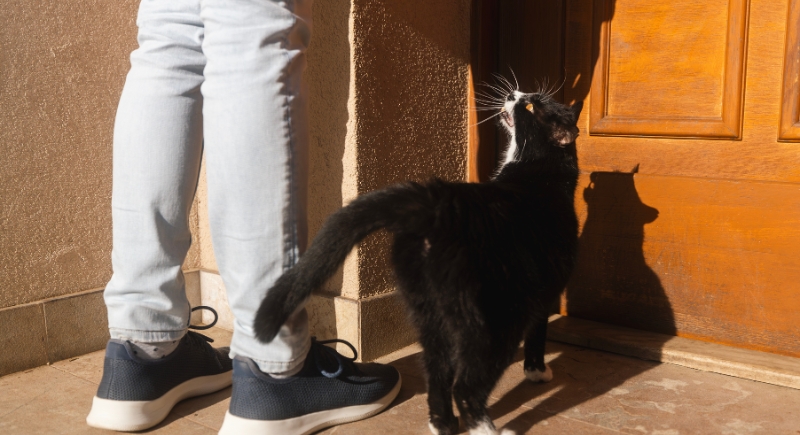
A kitty that runs to the door when someone comes home is showing confidence. Territorial awareness drives cats to monitor entrances, and approaching instead of observing from a distance indicates a sense of comfort.
Choosing Your Company

Credit: pexels
Cats spend their energy carefully, so voluntary closeness is meaningful. Sitting nearby, climbing onto a lap, or staying in the same room shows a preference for shared space. Sleeping beside a human is especially telling because rest reduces awareness of threats. Vulnerability during sleep reflects a strong sense of safety.
The Love Blink
Credit: Getty Images
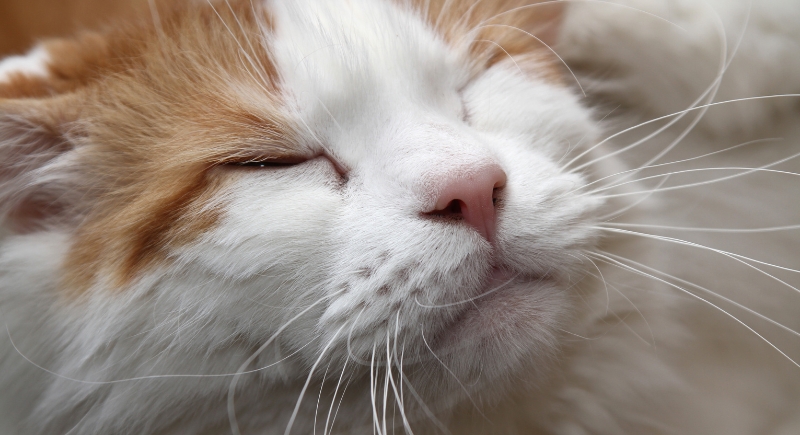
Slow blinking happens only when a cat feels calm and secure. Maintaining direct eye contact without tension conveys ease rather than challenge. Returning a slow blink indicates recognition of trust. They rarely use this signal in stressful situations.
Kneading
Credit: Getty Images
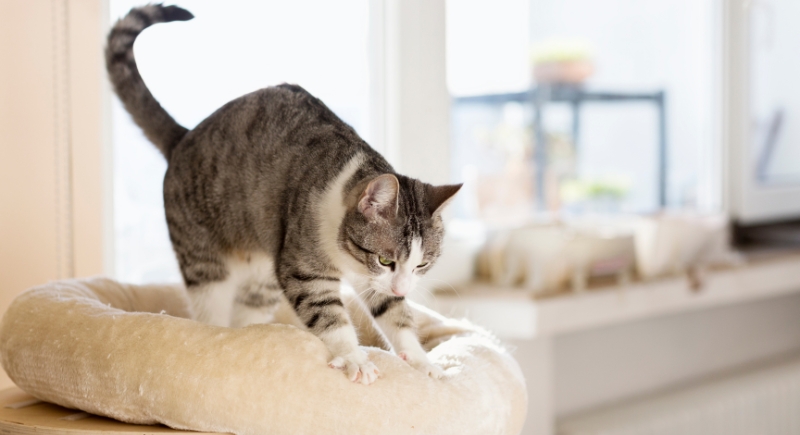
Kneading comes from kittenhood, when pressure on a mother’s belly encouraged milk flow. Adult cats repeat this motion when they feel content. Using a human as the kneading surface shows emotional association with safety. The behavior also releases calming hormones that reinforce positive bonds.
Headbutting
Credit: Getty Images
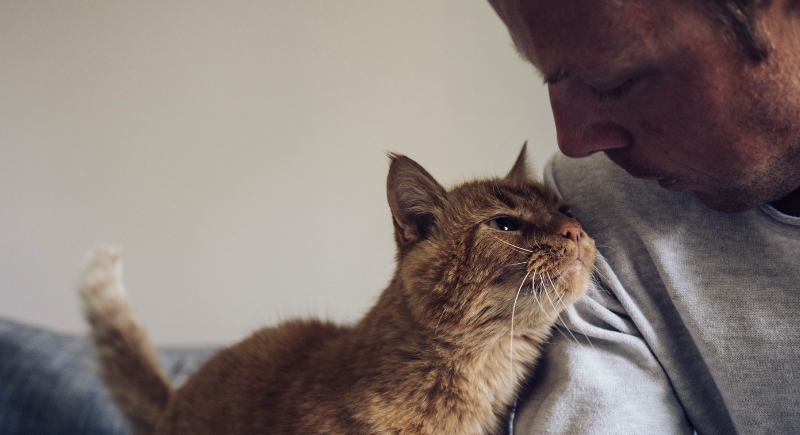
When a feline bumps its head or presses a cheek against a person, it marks them as trusted. Facial rubbing deposits pheromones from scent glands located on the cheeks and forehead. These pheromones signal familiarity and security. Scent sharing is reserved for individuals within a cat’s safe circle.
Grooming You
Credit: Getty Images
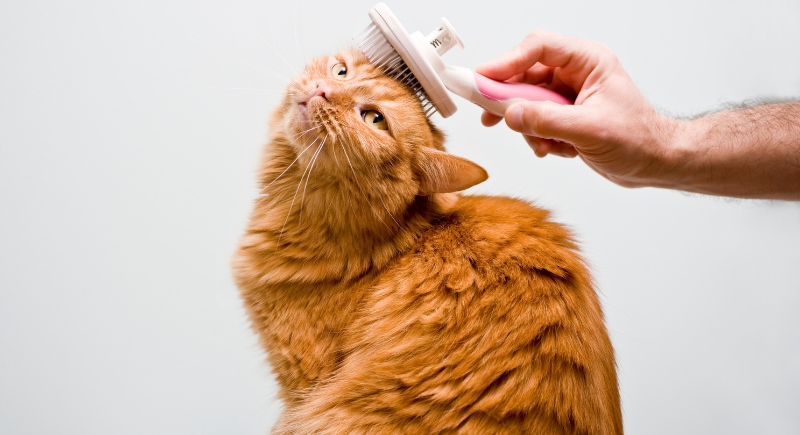
Allogrooming occurs only between bonded cats. Licking a human’s skin or hair mirrors social grooming behaviors found in feline groups. The act communicates acceptance rather than hygiene. Cats do not groom individuals they view as unpredictable or threatening.
Bringing Gifts
Credit: Getty Images
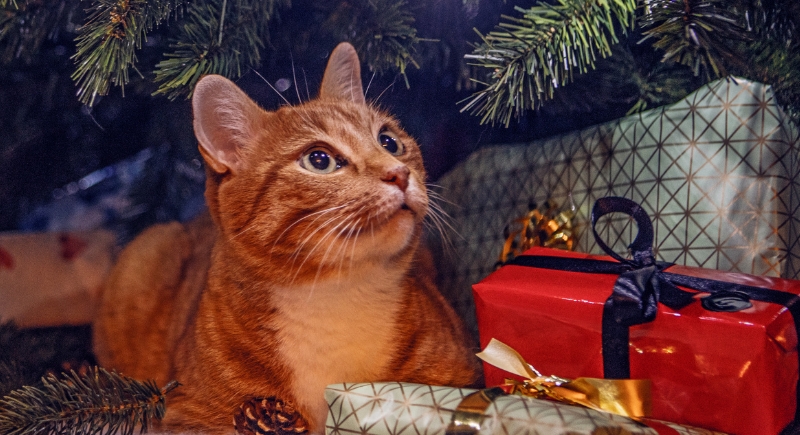
Ever wonder why your pet kitty brought home that dead bird or insect? Presenting prey reflects instinctual sharing tied to survival. Wild cats feed their family members and young before themselves. Offering a catch signals inclusion in the social group. While humans may reject the gift, it’s still well-intentioned.
The Belly Display
Credit: pexels
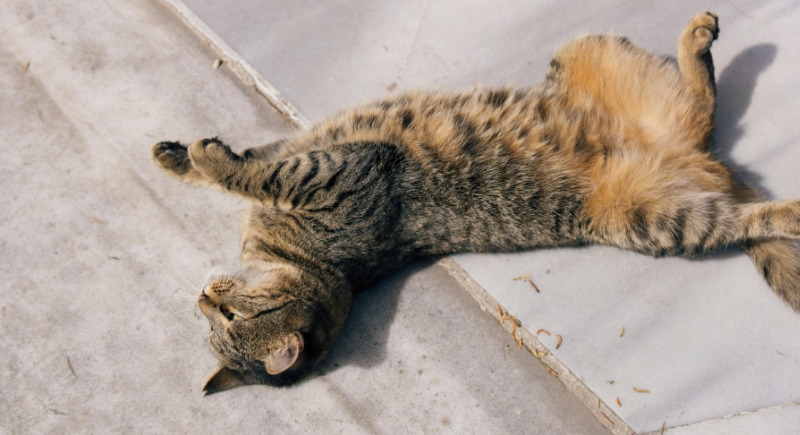
Rolling onto its back exposes the most vulnerable part of a cat’s body. This position limits defensive ability. A relaxed posture with an exposed belly shows confidence in the surrounding environment. Enjoying belly rubs strengthens the signal, although tolerance varies from individual to individual.
Eating From Your Hand
Credit: Canva
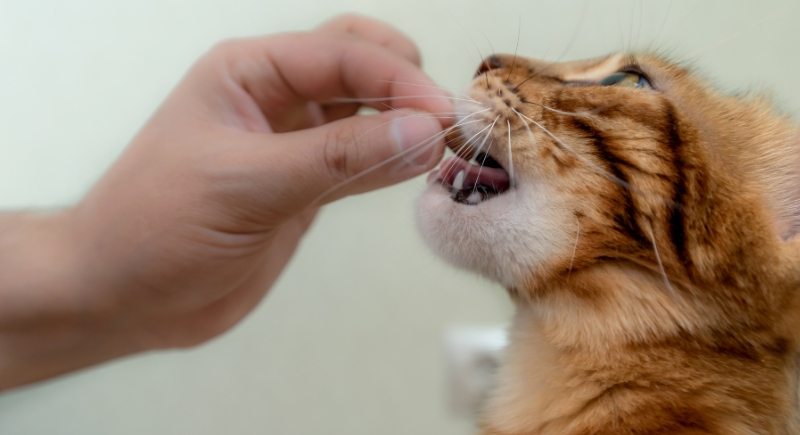
Be proud if you can hand-feed your pet. The act itself requires a high level of confidence. Felines instinctively avoid placing their face near unfamiliar hands. Accepting food directly from a person indicates trust built through consistency and reliability. This behavior often develops after repeated positive routines.
Tail Language
Credit: Getty Images
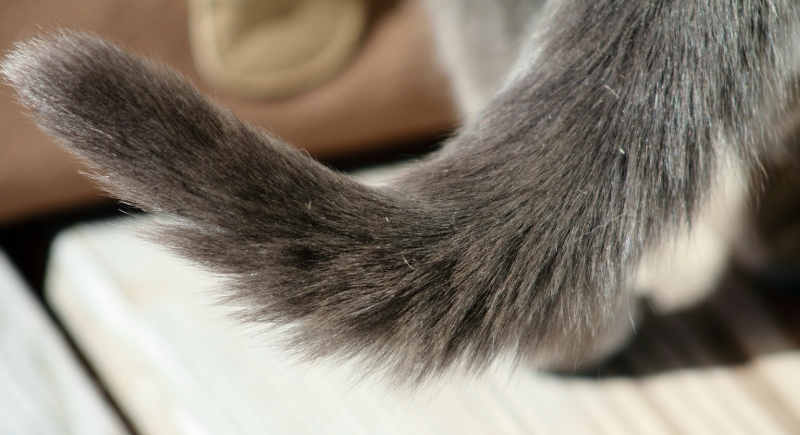
A tail held straight up communicates friendliness and emotional balance. Approaching with this posture reflects comfort. Slight tail quivers indicate excitement associated with joyous anticipation. Cats reserve these signals for individuals they feel safe approaching.