10 Things You’re Doing That Are Making Your Cat Hate You
Cats put up with a lot from the people they live with, but they also have limits. Many owners mean well and still end up doing things their cats find annoying, stressful, or downright offensive. The problem is that feline signals are easy to miss if you do not know what to look for. If your cat has been acting distant, grumpy, or less affectionate than usual, some everyday habits might be pushing the relationship in the wrong direction.
Putting Them in Clothes for Your Entertainment
Credit: Getty Images
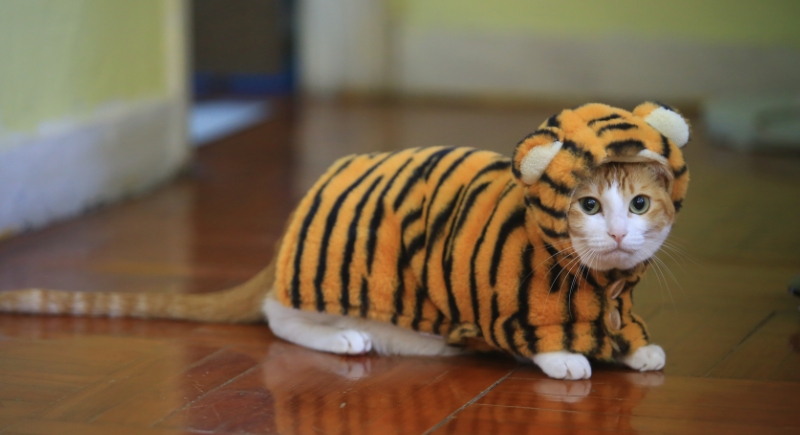
It might feel harmless to slip a costume over your cat’s head for a photo, but most cats dislike the sensation of anything restricting their fur. A study in Applied Animal Behaviour Science found that clothing can increase stress in cats and impact their ability to move and groom.
Bringing Out the Spray Bottle
Credit: Getty Images
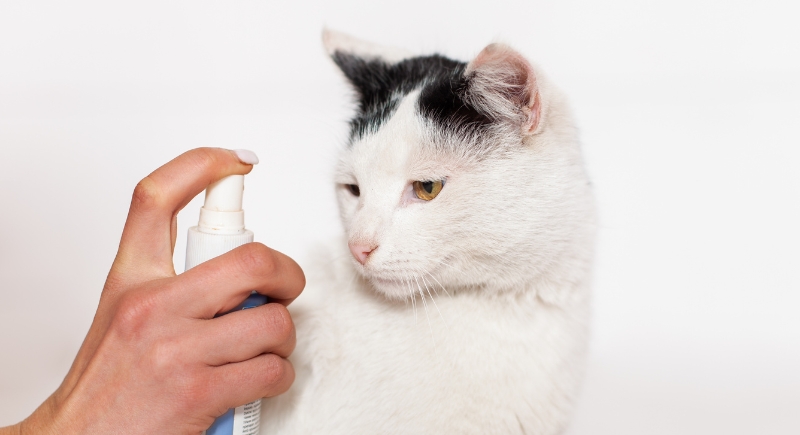
According to cat behaviorist Jackson Galaxy, punishment like spraying water doesn’t teach a cat why a behavior is wrong; it only creates confusion and anxiety. Cats may begin associating their human, rather than the behavior, with stress, which can weaken trust and encourage hiding or defensive behavior over time.
Forcing Physical Affection
Credit: pixelshot
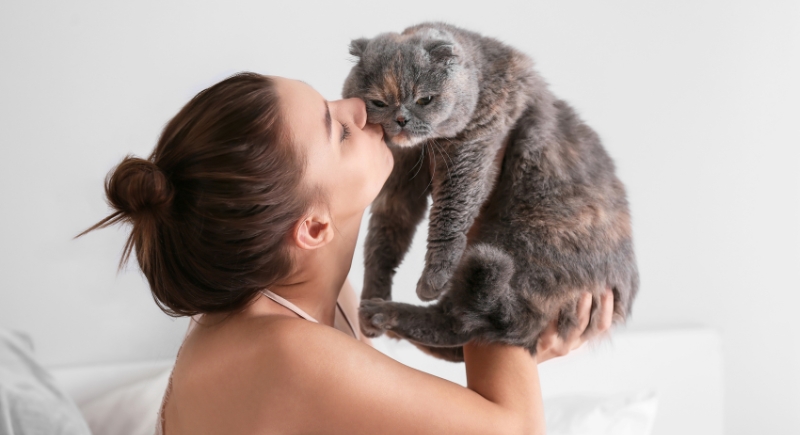
Petting a cat for too long or at the wrong moment can backfire. Cats communicate when they’ve had enough through tail flicks, twitchy skin, or dilated pupils. Ignoring those cues often leads to a swipe. Researchers at the University of Lincoln found that cats prefer interaction on their terms and value choice in when and how they’re touched.
Leaving the Litter Box in a Bad Spot
Credit: pixelshot
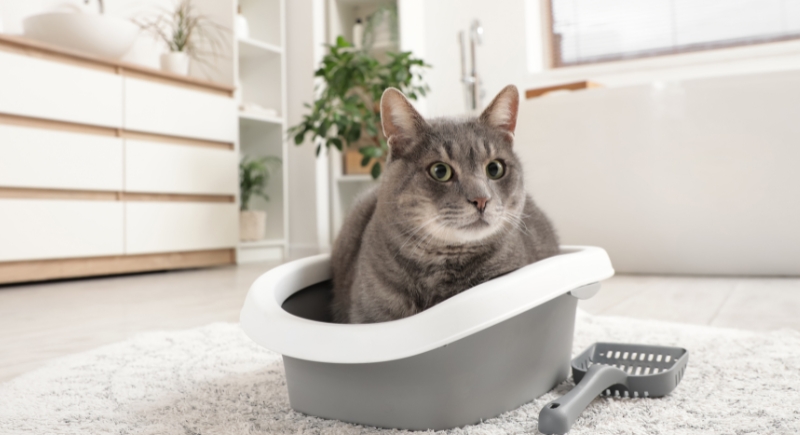
A litter box near a washing machine, busy hallway, or loud appliance can make cats feel exposed or startled mid-use. Felines prefer quiet, low-traffic areas for toileting. If they start going elsewhere, it’s usually because of discomfort or stress tied to that location.
Meowing at Them Constantly
Credit: Getty Images
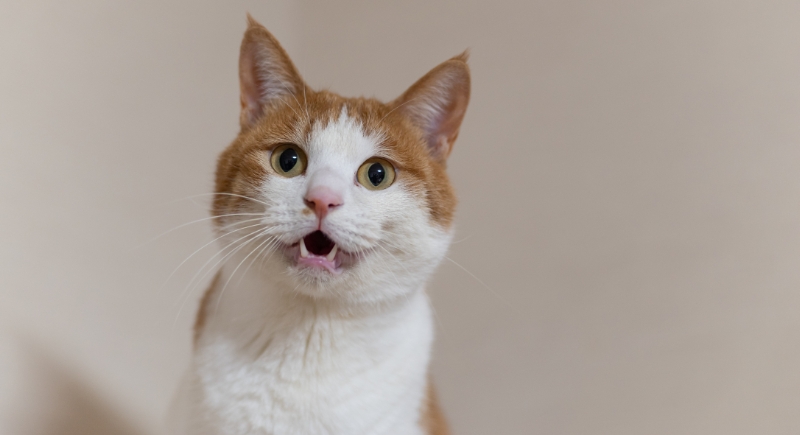
Cats don’t expect a reply in their own language. According to National Geographic, they developed meowing primarily to communicate with humans, and not other cats. Repeating it back at them may confuse or irritate them, especially if you’re using it out of context or in a loud tone.
Letting the Litter Box Get Too Dirty
Credit: pixelshot
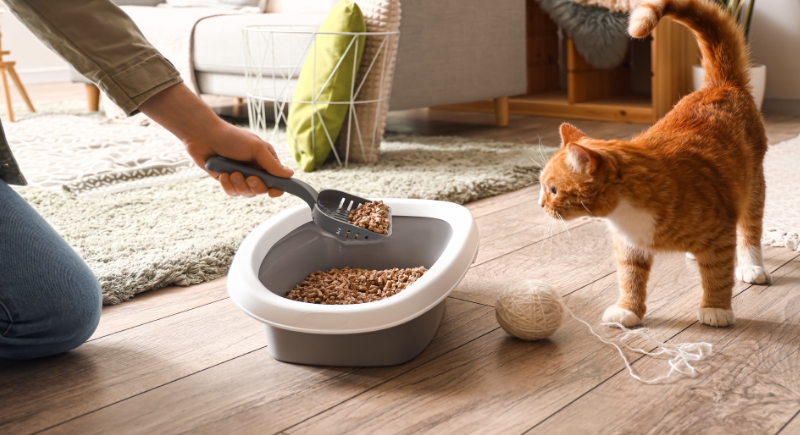
Cats have a far stronger sense of smell than humans. Leaving the box unscooped for even a day can be unbearable for them. A survey by the Humane Society found that dirty litter boxes are among the top reasons cats refuse to use them. If it smells bad to you, it’s probably intolerable to your cat.
Picking Them Up the Wrong Way
Credit: pexels
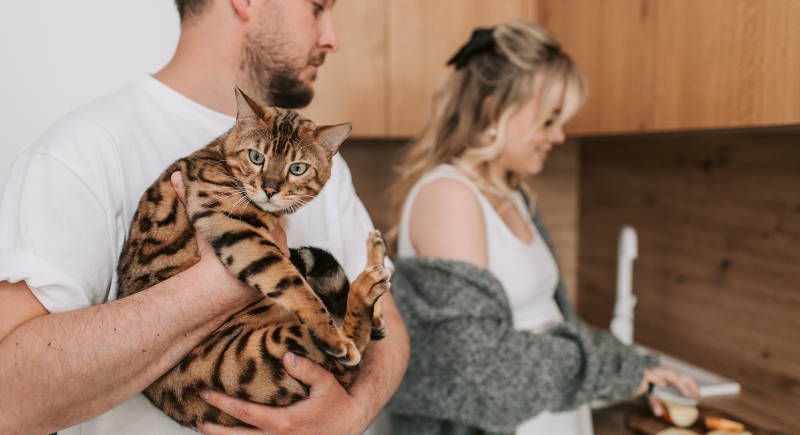
Improper support can strain their joints and make them feel unstable or trapped. Healthy Pets recommends supporting both the front and back ends of the cat’s body during any lift, and keeping the interaction short unless your cat clearly enjoys it. Being carried should never feel like being restrained.
Ignoring Their Body Language
Credit: Getty Images
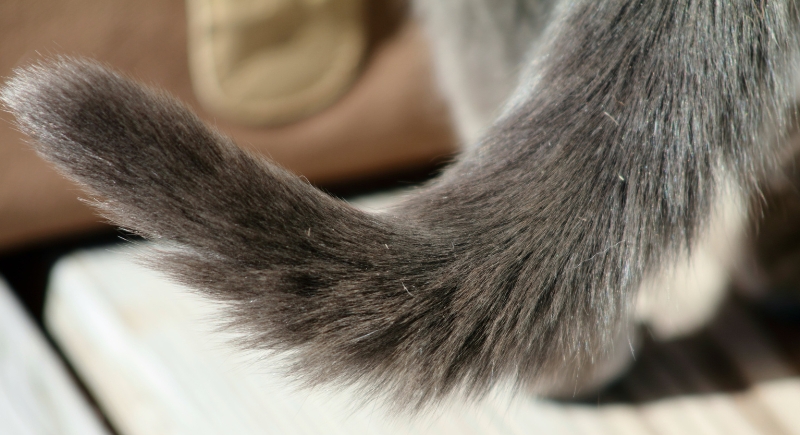
Cats don’t communicate discomfort the way dogs do. A low tail, pinned ears, or a subtle step back are all ways they show disinterest. Over time, failing to respect those signals can lead to defensiveness. According to feline behaviorists, misreading these cues is one of the biggest reasons cats become withdrawn or react aggressively.
Skipping Mental Stimulation
Credit: pixelshot
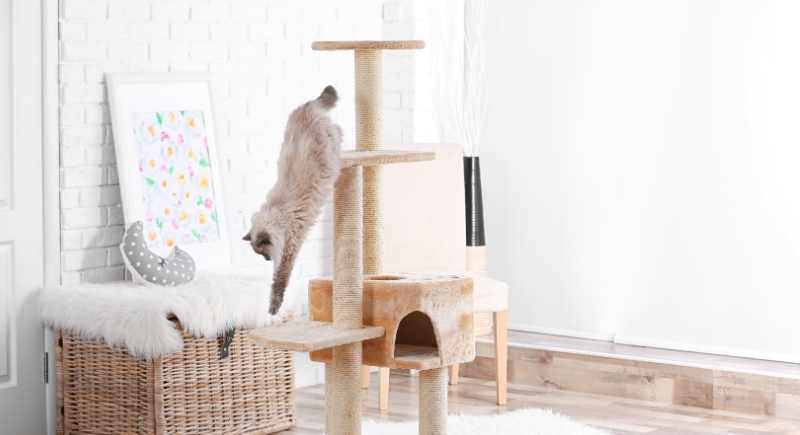
Although cats often seem low-maintenance, especially compared to dogs, they still require regular interaction to maintain their mental health. Without opportunities to play, climb, or chase, cats may redirect their energy toward destructive behaviors or exhibit signs of stress, such as over-grooming.
Using Strong Smelling Products Around Them

Credit: pixelshot
Cats have approximately 200 million scent receptors in their noses, compared to about 5 million in humans, which means smells that seem mild to you can be overwhelming or even distressing to them. Strong scents like citrus, peppermint, vinegar, and many essential oils are often aversive or potentially harmful to them.