Strange Things About Cats That Will Shock You
Most of us think we have cats figured out. They nap, they purr, they knock things off shelves for no clear reason. But the more you learn about them, the stranger they get. Scientists are still uncovering surprising facts about how cats think, move, and communicate. Some of what they do makes sense. Some of it feels almost unbelievable. Either way, you may never see your cat the same way again.
Every Cat’s Nose Print Is Unique
Credit: Getty Images
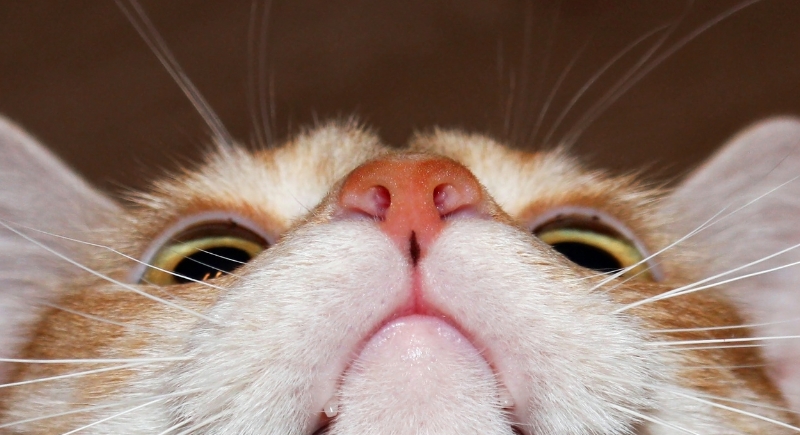
The pattern of bumps and ridges on a cat’s nose is unique to them, much like human fingerprints. No two cats share the same nose print. Researchers have documented these distinctive patterns, though cat nose printing hasn’t quite caught on the way fingerprinting has. Next time your cat boops you with their nose, you’re getting a one-of-a-kind greeting.
Cats Taste the Air With a Secret Organ
Credit: Canva
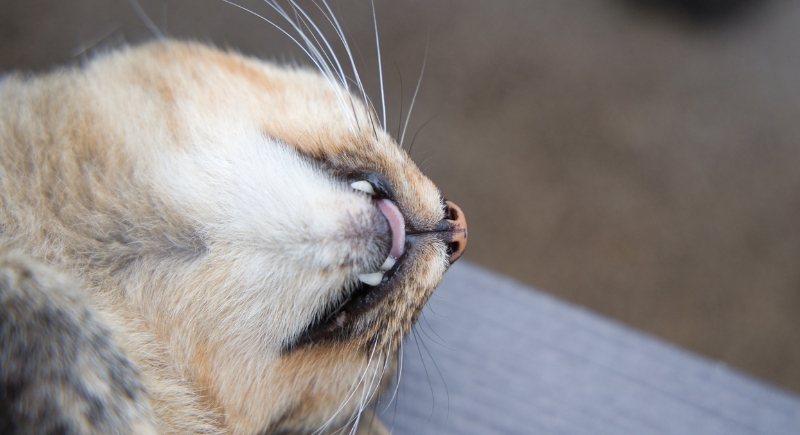
If your cat suddenly pauses with its mouth slightly open, it’s not confused. It’s using Jacobson’s organ on the roof of its mouth to process scent particles. This organ helps analyze chemical signals that the regular nose cannot fully detect. The behavior, called the flehmen response, allows cats to gather detailed information about their environment.
Cats Can Hear Ultrasound
Credit: pexels
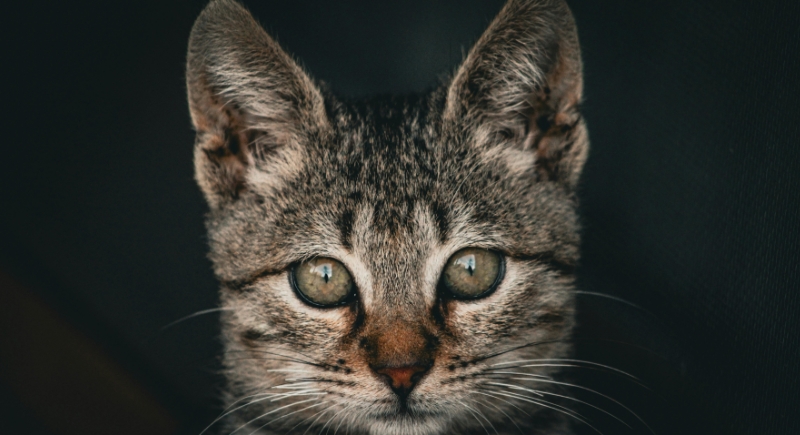
Rodents communicate using high-pitched sounds inaudible to human ears but audible to cats. The reason is that feline hearing extends into ultrasonic frequencies up to 64 kHz, whereas humans’ upper limit is 20 kHz. This ability evolved to help them hunt prey such as mice and rats, whose vocalizations fall into cats’ audible ranges. Notice your cat staring at an empty wall? They could be tracking sounds you can’t detect.
Purring Might Heal Broken Bones
Credit: Canva
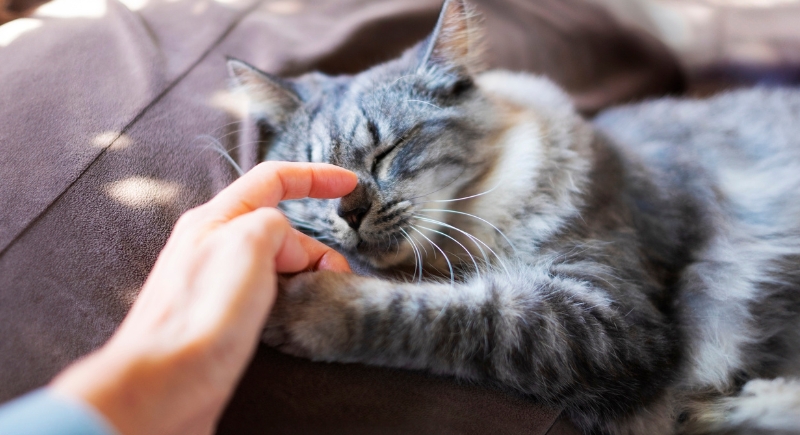
A cat’s purr does more than signal contentment. It typically vibrates between 25 and 150 hertz, a frequency range researchers associate with bone growth and tissue repair. Scientists are still studying the connection, but some evidence suggests purring may help cats maintain bone density and recover from injuries. That steady rumble could be more functional than it sounds.
A Cat’s Flexibility Is Almost Supernatural
Credit: Canva
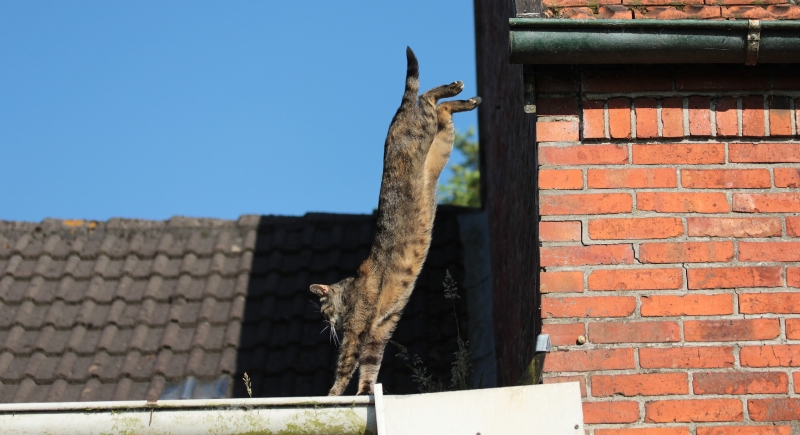
Squeezing through any opening as wide as their head is possible thanks to their incredible skeletal system. Cats possess up to 53 loosely connected vertebrae, while humans make do with just 33. Even stranger, their collarbones float free instead of attaching to other bones like ours do. This anatomical quirk allows them to compress and contort their bodies in ways that look physically impossible.
Cats Can’t Taste Sweetness at All
Credit: pixabay
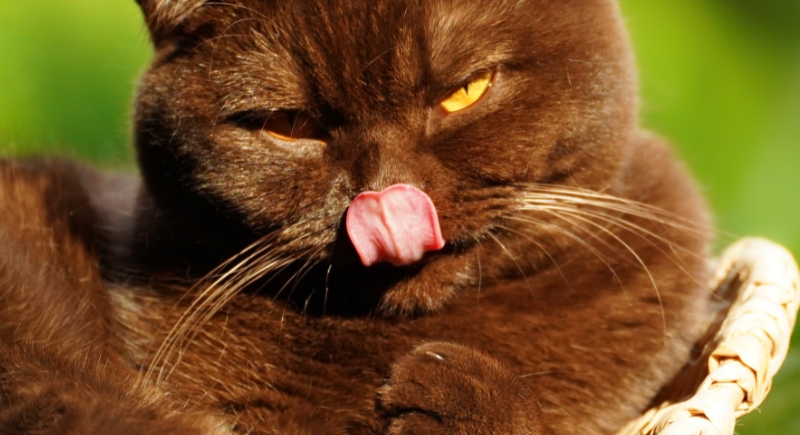
As obligate carnivores, cats lack the genetic machinery for sweet taste receptors. Scientists discovered that the Tas1r2 gene, which codes for sweet taste perception, is non-functional in all cats. This fact explains why your kitty ignores ice cream but loses their mind over tuna. Evolution streamlined their taste buds to detect amino acids and flavors in meat, making them one of the few mammals that can’t sense sweetness.
Orange Cats Are Overwhelmingly Male
Credit: Canva
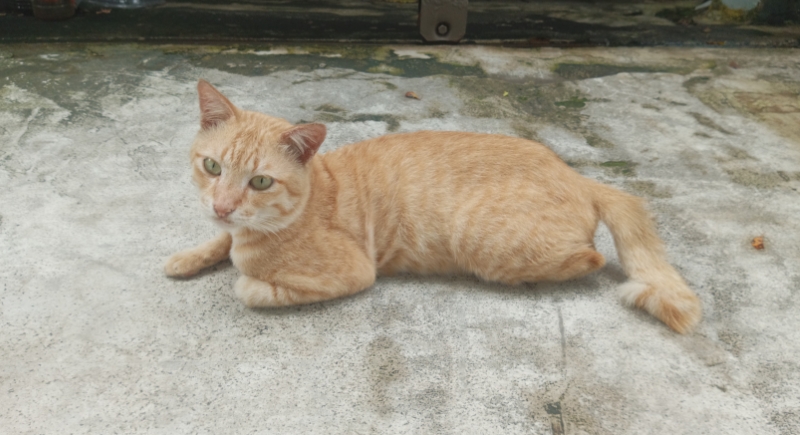
Genetics explains why roughly 80 percent of orange tabbies are male. Orange fur genes sit on the X chromosome, and males only need one copy to sport that ginger coat since they carry just one X. Females require two copies of the orange gene to be fully orange, which happens far less frequently. This same chromosomal quirk is why calico and tortoiseshell cats are almost exclusively female, since displaying multiple colors requires two X chromosomes.
Cats Mostly Meow for Humans
Credit: Canva
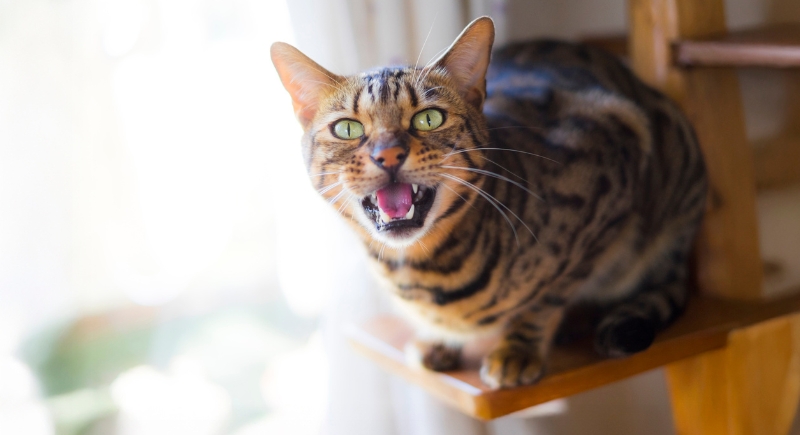
Adult cats in the wild hardly ever meow at each other. Kittens make the sound to their mothers, but they abandon this behavior once they mature, unless people are around. Domestic cats mostly meow to communicate with humans, tailoring their vocalizations to get the responses they want. Watch cats interact with each other, and you’ll see body language, hissing, and growling, but meowing stays reserved for their human companions.
Their Whiskers Act Like Motion Sensors
Credit: Canva
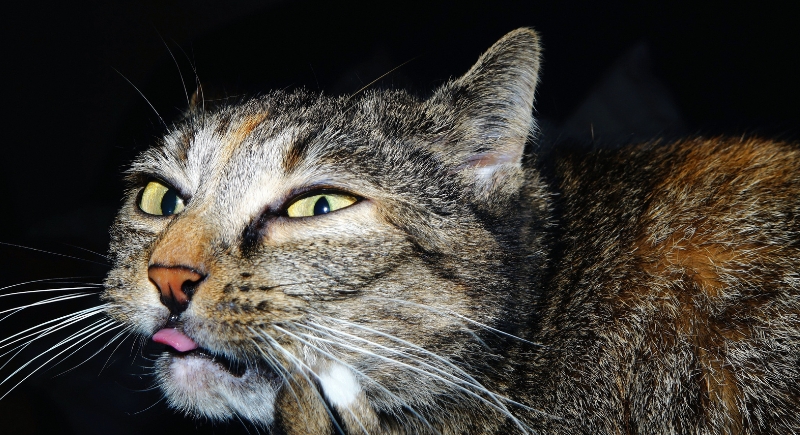
A cat’s whiskers are anchored deep in the skin and linked to a dense network of nerves. They detect subtle air movements and changes in the surrounding space, helping cats judge distance and navigate tight or dark areas before their bodies come into contact with anything. Trimming whiskers disrupts this sensory input, which can affect balance and spatial awareness.
Cats Recognize Their Names but Choose to Ignore You
Credit: Canva
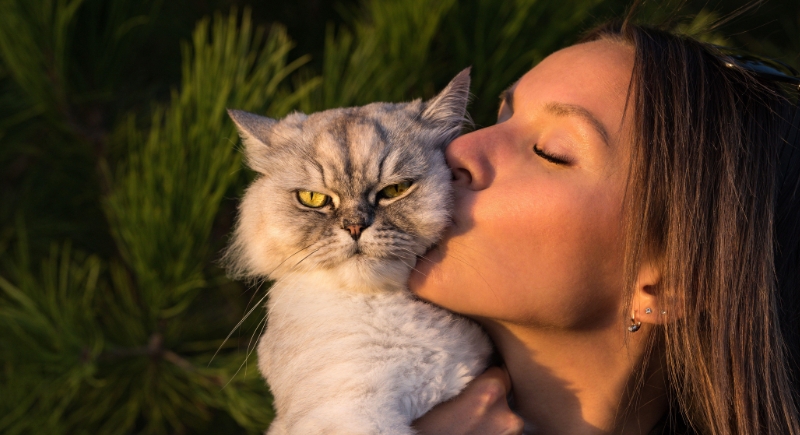
Research from Japan shows that cats can distinguish their own names from other similar words. In studies, they responded with small ear or head movements, signaling recognition. Many owners notice that recognition does not always lead to action. Cats often assess whether responding benefits them. If there is no clear reward or interest, they may simply stay where they are.