10 Pet Behaviors That Predictably Change When a Baby Joins the Household
A new crib, a hallway stroller, and tiny laundry socks show that a baby has arrived. Pets also find the new sounds, strange smells, and chaotic schedules confusing. While most dogs and cats adjust over time, their early responses can reveal what kind of support they need. Newborns tend to create less immediate stress for pets than unpredictable toddlers, but preparation is still necessary. Monitoring these early behaviors helps ensure a smooth transition for everyone in the home.
They Start Sniffing Everything
Credit: Getty Images
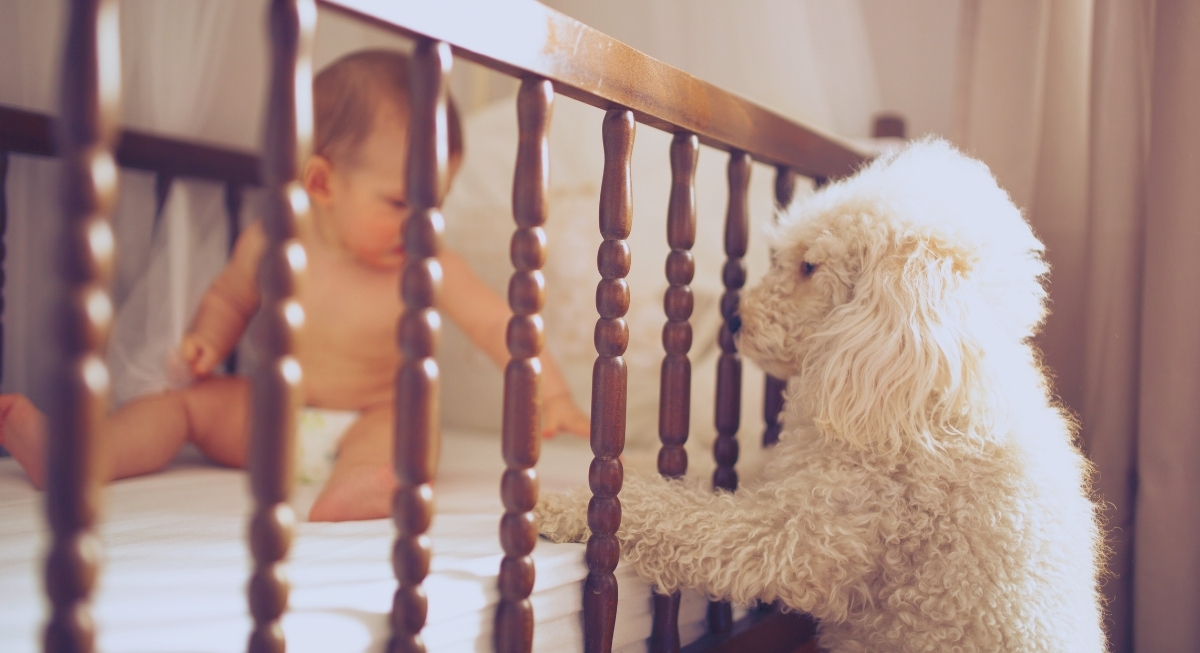
The investigation usually starts before the baby even arrives. A dog might sniff the crib, stroller, diaper bag, and blanket first since those items have the strongest new smells. Cats may wait until the room is quiet to do their own checking. This curiosity is normal and can help them get used to the new things, but pets should still be supervised and encouraged to keep a gentle distance.
They Ask For More Attention
Credit: Canva
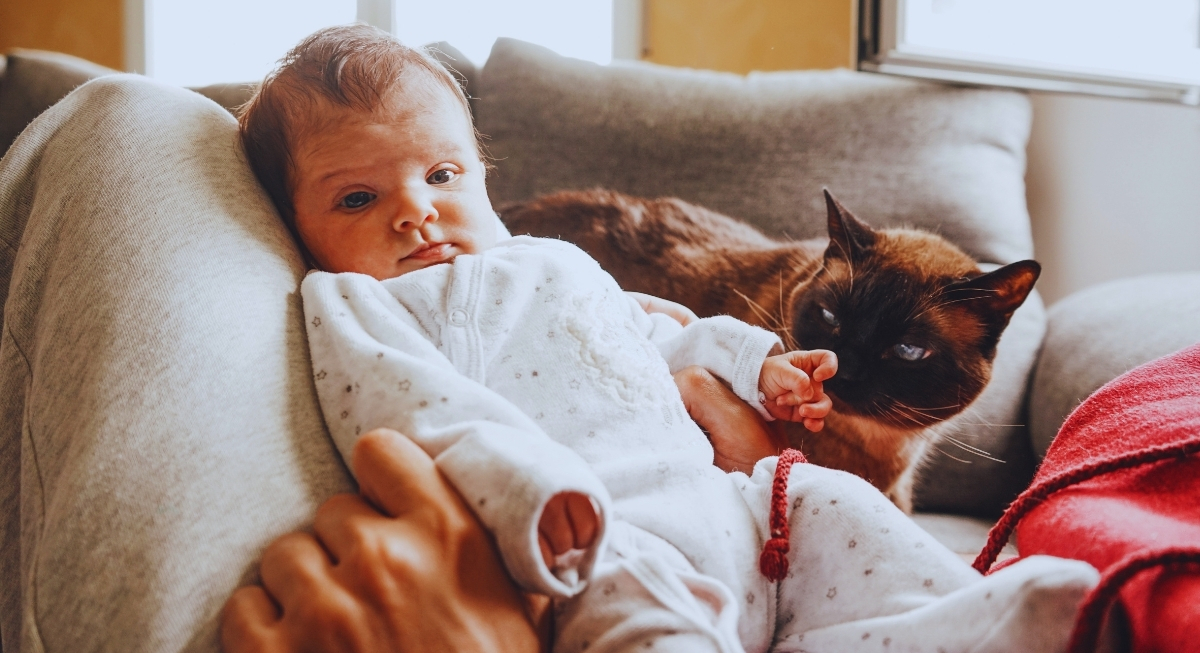
Pets that are used to being the center of attention may feel a shift when a baby arrives. This often happens when they were previously the household’s main focus. Changes in behavior usually come from confusion or insecurity rather than any kind of revenge. Short play sessions, food puzzles, and calm praise can help them feel secure and still part of the routine without creating constant demands for attention.
They Keep Their Distance
Credit: Canva
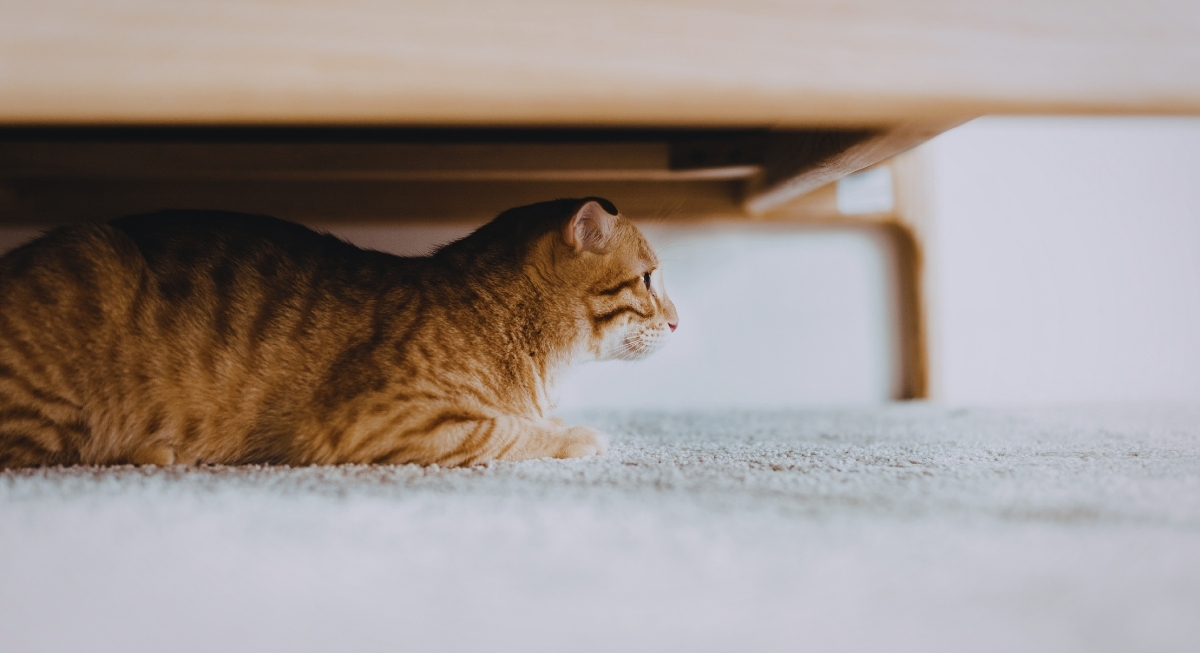
A dog that walks away when a baby cries or a cat that hides under the bed usually just needs some space. Avoidance can be a healthy response, not a failure to bond. The biggest mistake is forcing the animal to get used to the noise. This pressure can turn mild discomfort into real fear. Letting a pet retreat to a safe spot gives them a sense of control.
They React To Crying
Credit: Getty Images
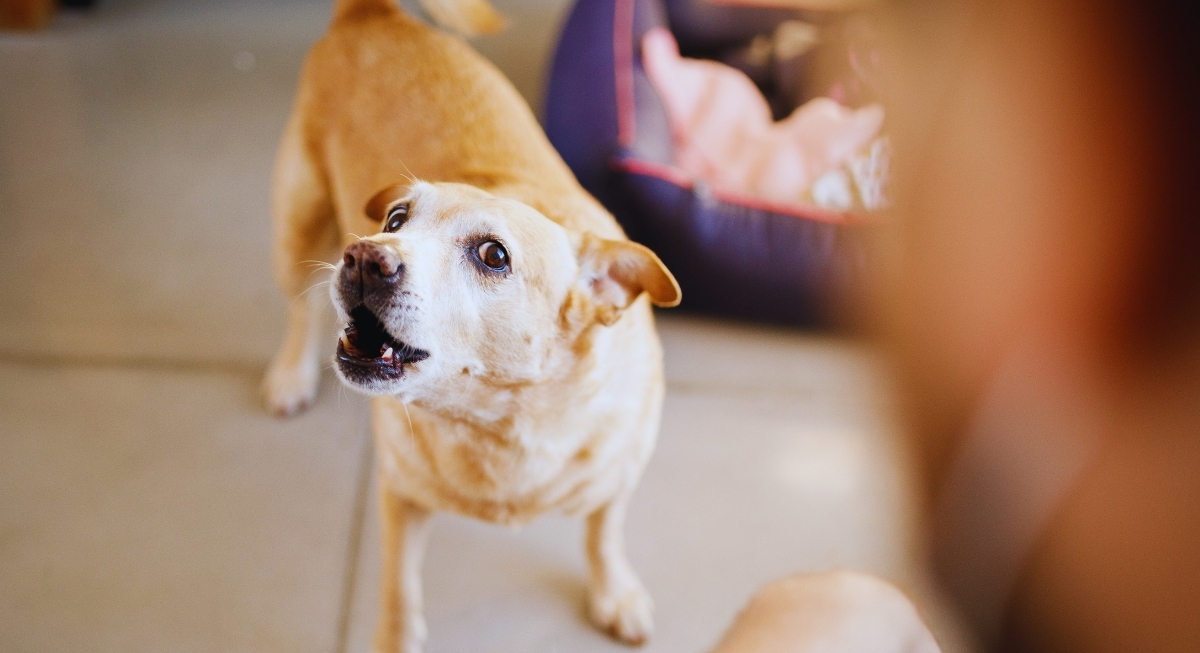
Pets can react strongly to the sound of a baby crying. You might notice pacing, whining, or barking at first, which is often part of normal adjustment. In most cases, these reactions fade as the animal becomes familiar with the sound in daily life. However, if your pet becomes increasingly distressed or reacts intensely every time, it may signal a deeper issue that needs attention.
They Lose Their Favorite Spots
Credit: Getty Images
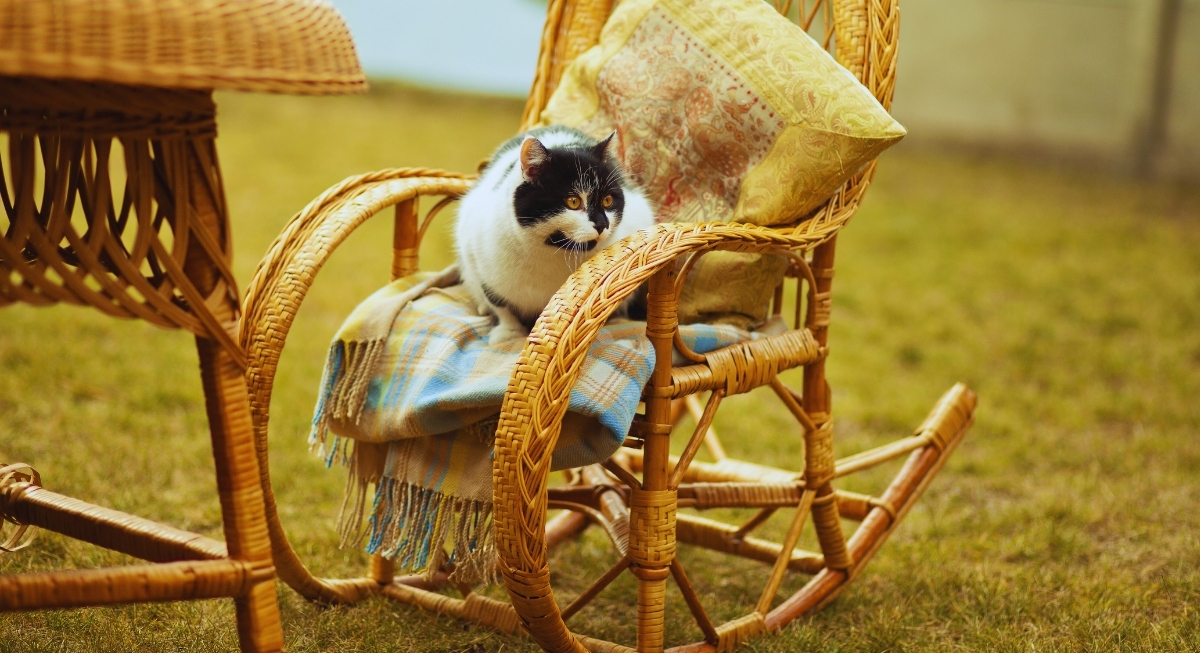
The rocking chair might be your pet’s favorite place to cuddle long before the baby arrives. Once feedings start there, that old habit has to change. The change is easier if the pet learns the new routine before the baby comes home. Parents can practice sitting in the chair before the baby comes, while giving the animal a chew toy or a treat puzzle to play with.
They Need Clearer Commands
Credit: Canva
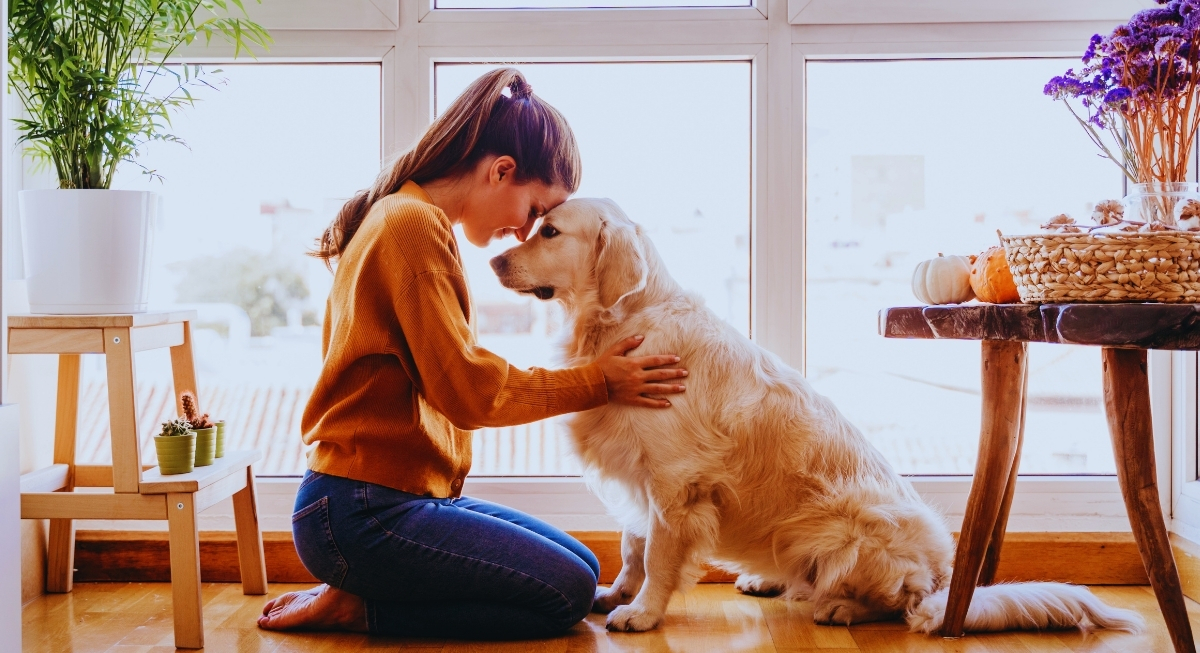
Good manners are important when dealing with a pet while holding a baby. A pet that jumps up, crowds around, or tries to climb into your lap may cause an injury. Commands like “sit,” “stay,” and “leave it” give pets a safe task to focus on. These cues work best when taught through positive reinforcement before the home becomes busier. Imagine trying to teach an excited animal during a late-night feeding.
They Confuse Baby Toys With Pet Toys
Credit: Getty Images
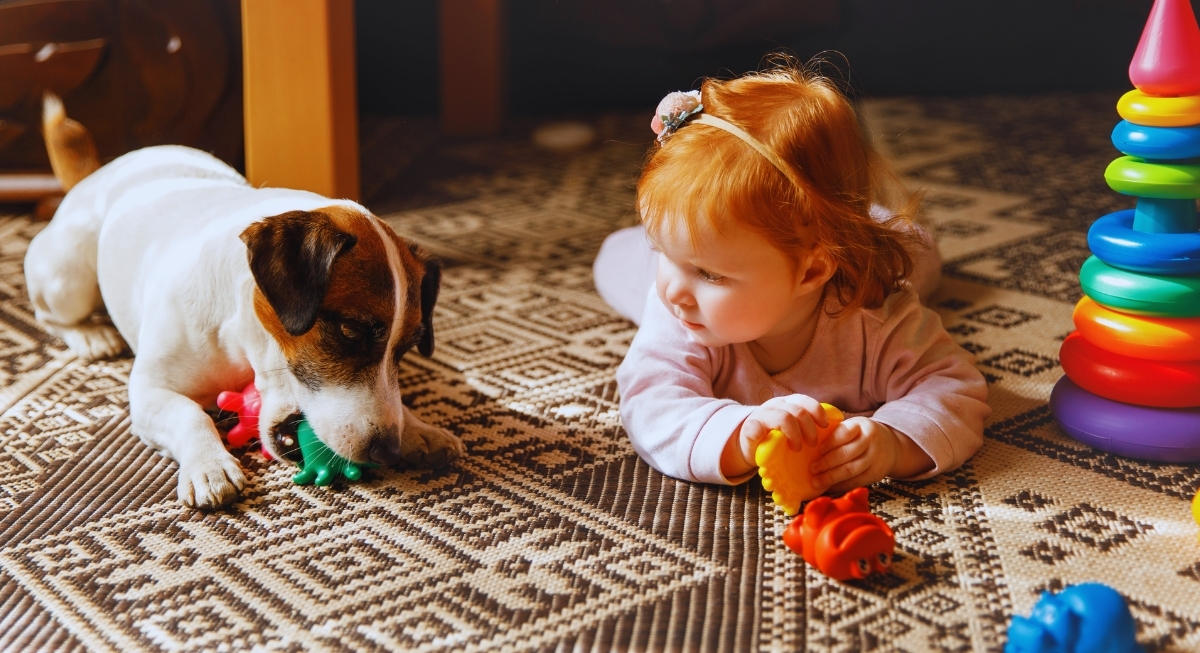
Baby rattles and soft toys can easily look like pet toys, especially to animals that already like chewing or carrying things around. This is more likely in pets that are playful or highly curious. Bringing baby items into the home before the baby arrives can help reduce interest over time. Setting clear boundaries with baby gates, keeping the nursery door closed, and storing toys out of reach also helps keep both pet and baby items separate.
They Guard Their Stuff More
Credit: Getty Images
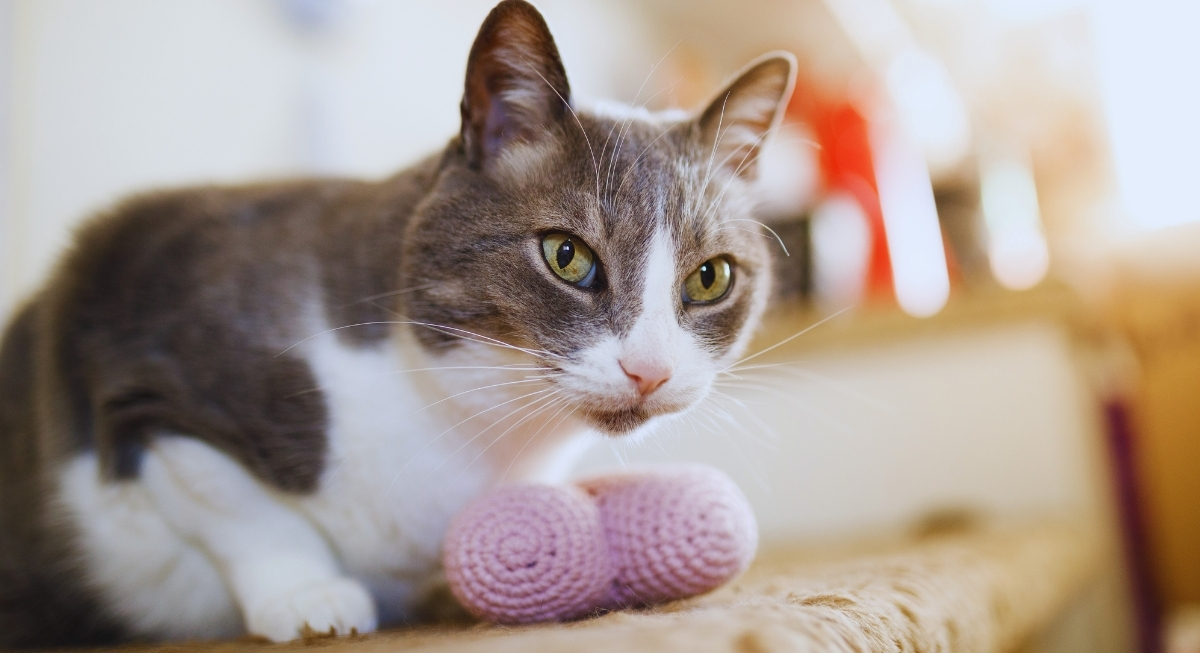
Resource guarding may not appear until the baby becomes mobile, so early prevention matters. You’ll notice the signs when a pet freezes near its food bowl, stands over a favorite toy, or guards a spot on the couch. Babies do not notice those warning signs, and animals do not understand how babies behave. Consulting a professional trainer can help reduce stress for everyone.
They Stare Too Much
Credit: iStockphoto
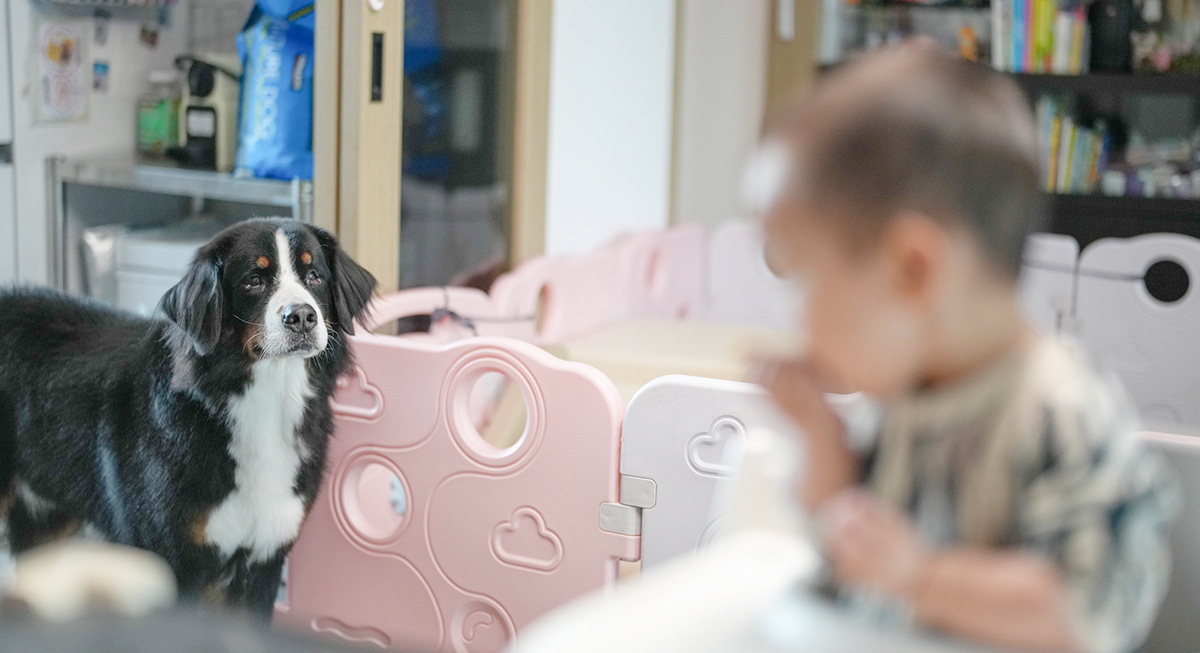
It is normal for a pet to take a quick look at a new baby. However, pay closer attention if it stares constantly. Too much focus can signal anxiety rather than harmless curiosity. Repeated licking, nudging, or hovering often means the animal is feeling overstimulated. Using baby gates or barriers can also help when the pet struggles to settle down. Rewarding it for keeping a calm distance can help reinforce that behavior.
They Show Warning Signs
Credit: Canva
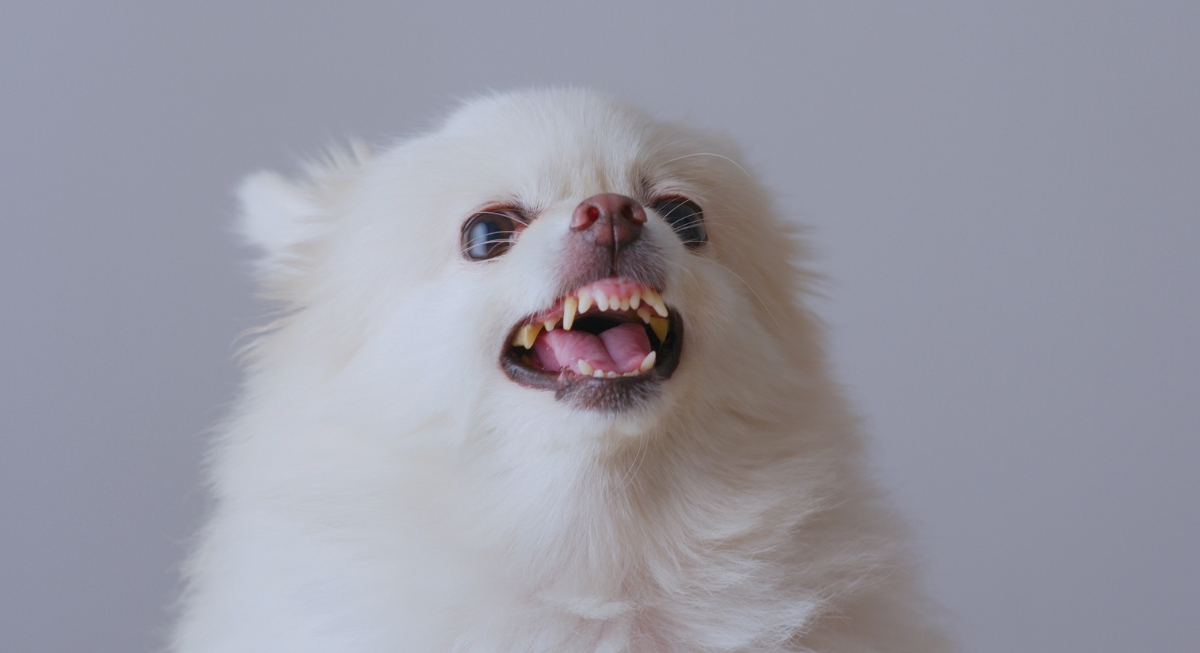
Watch out for dogs that growl, snap, show teeth, or act aggressively around a baby. Yells or punishments may stop the warning signs without addressing the root cause. Also note that growls are used to communicate, so punishment can make the situation less safe. Move the animal away from the baby immediately. Also seek professional help, as stress and health issues may be mistaken for bad behavior.