How a Cheetah’s Body Is Built to Hit 60 MPH in Three Seconds
A cheetah sprinting across the savanna can look almost unreal in motion. The animal starts low in the grass, completely focused, then suddenly launches into a chase at astonishing speed. That acceleration comes from a body designed almost entirely for movement. Its flexible spine, lightweight frame, powerful lungs, sharp eyesight, and long tail all work together to help the cheetah reach incredible speeds within seconds.
A Springy Spine
Credit: pexels
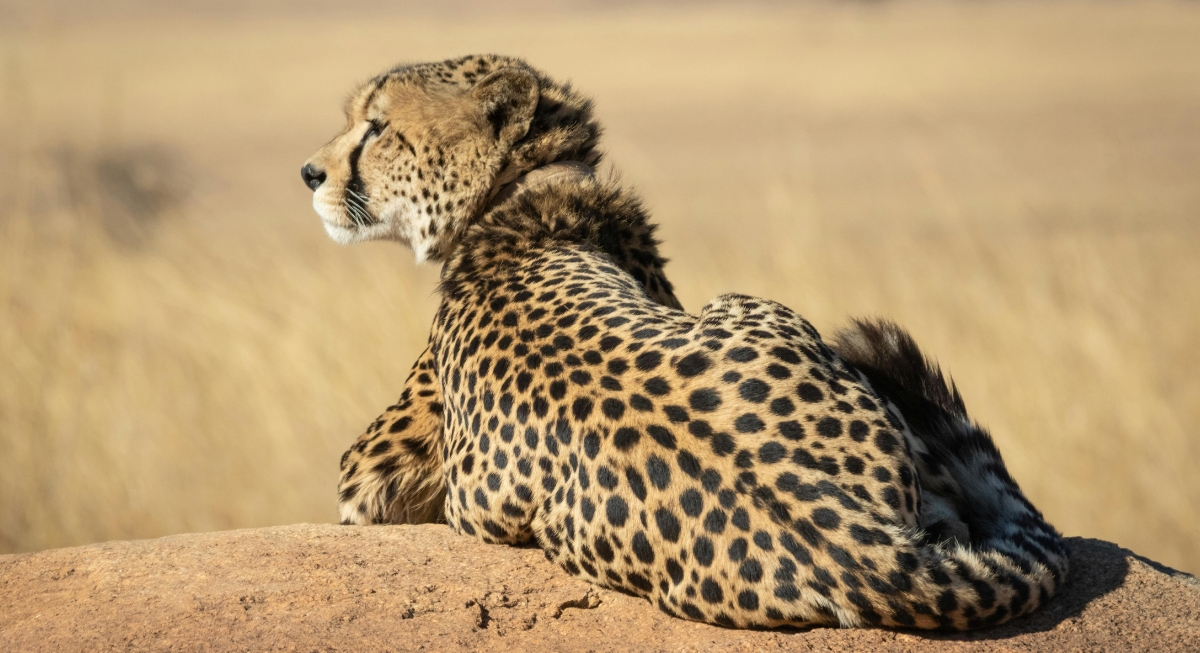
When a cheetah runs, its spine bends and stretches with every single leap. This flexible movement allows the back legs to swing far forward before pushing hard against the ground. At top speed, just one stride can cover 23 feet. The animal looks like it is flying because its bent body adds extra distance to every leap across the grass.
Loose Shoulders
Credit: pixabay
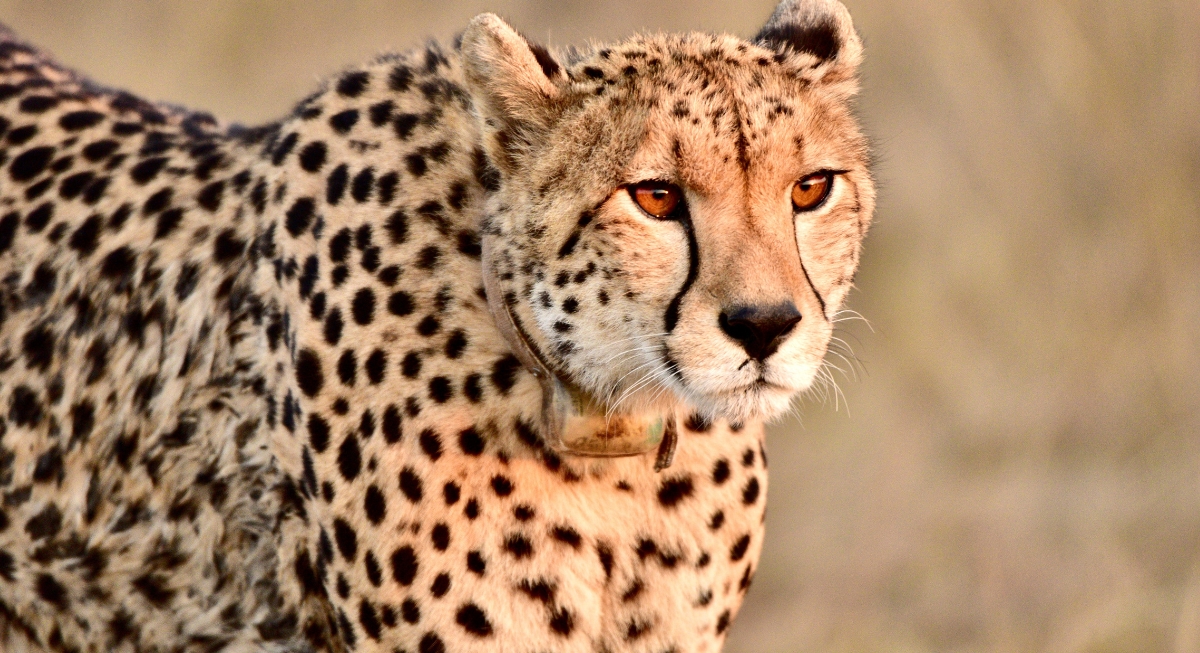
Cheetahs need plenty of space to move their front legs, and their shoulder blades make that possible. They have tiny collarbones and upright shoulder blades that move freely instead of being locked into a heavy skeleton. This setup lets their front legs swing far ahead during a gallop. While long legs certainly help, this specific shoulder structure stretches the stride, allowing the cat to cover more ground.
Grippy Paws
Credit: Canva
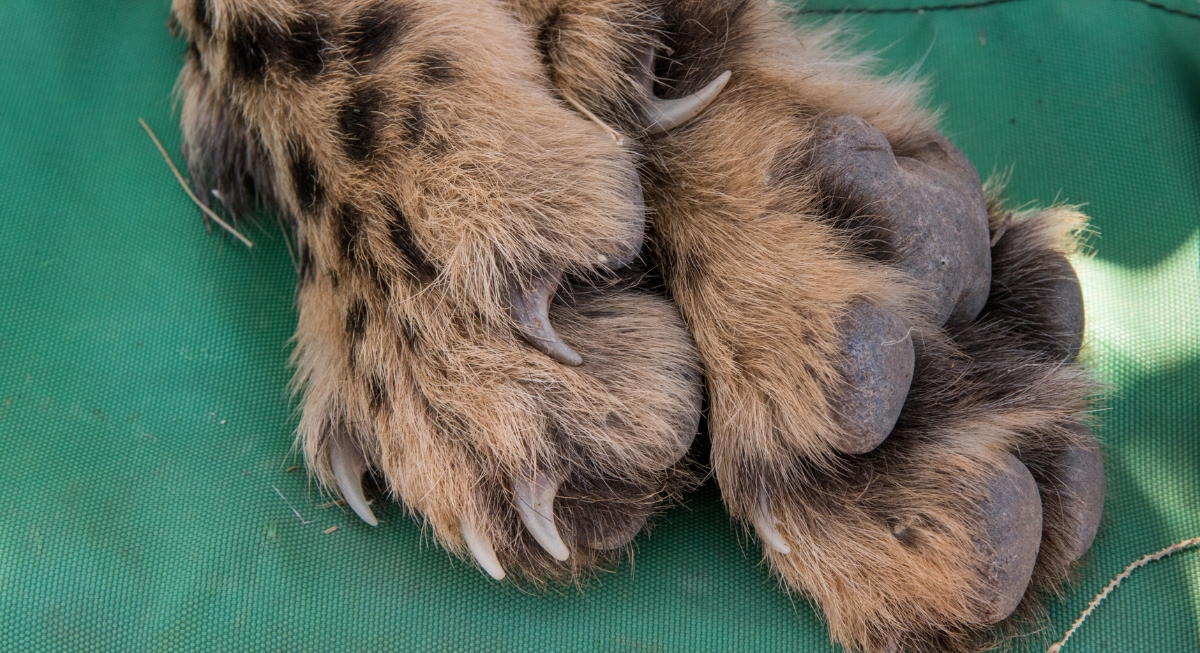
A cheetah’s paws work very differently from the soft feet of a house cat. Its claws remain partly exposed at all times, providing the animal with extra traction during a chase. The rough paw pads help it stay balanced while running at high speeds and making sudden turns. That grip matters because even a small loss of footing can end a hunt within seconds.
A Steering Tail
Credit: Getty Images
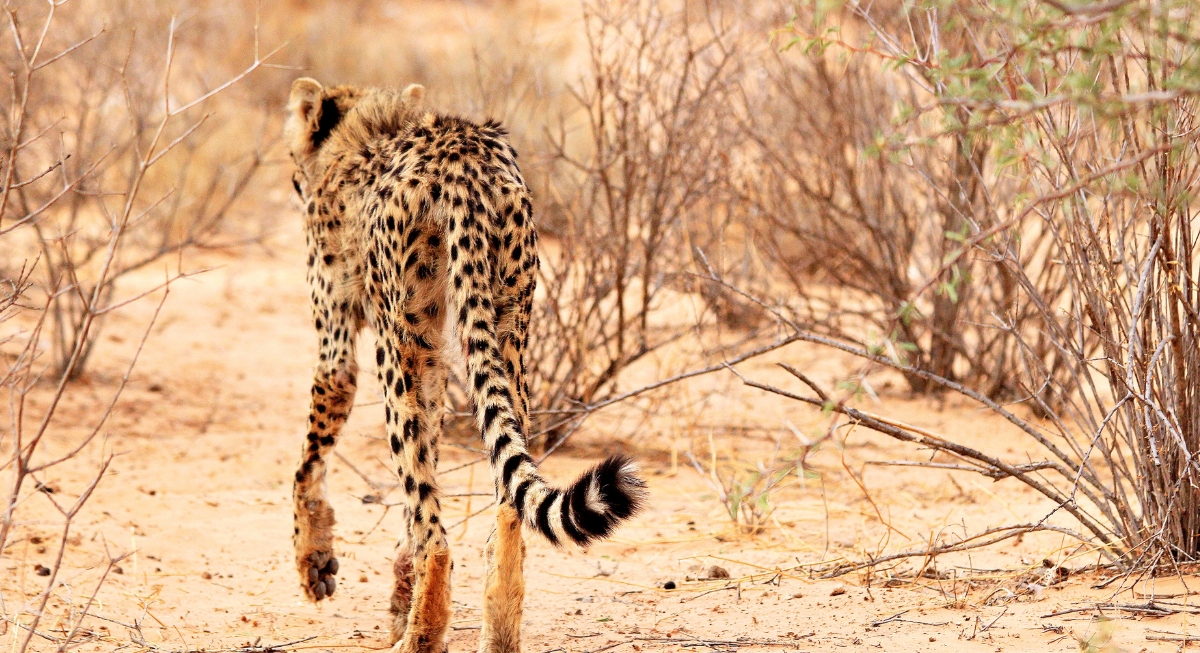
A cheetah’s long tail plays a major role during a chase. When prey suddenly changes direction, the tail helps the animal stay balanced and adjust quickly without losing speed. Scientists have linked tail movement to the forces cheetahs use during sharp turns at high speed. In many ways, the tail works like a built-in steering that helps the animal stay locked onto its target.
Big Air Intake
Credit: Getty Images
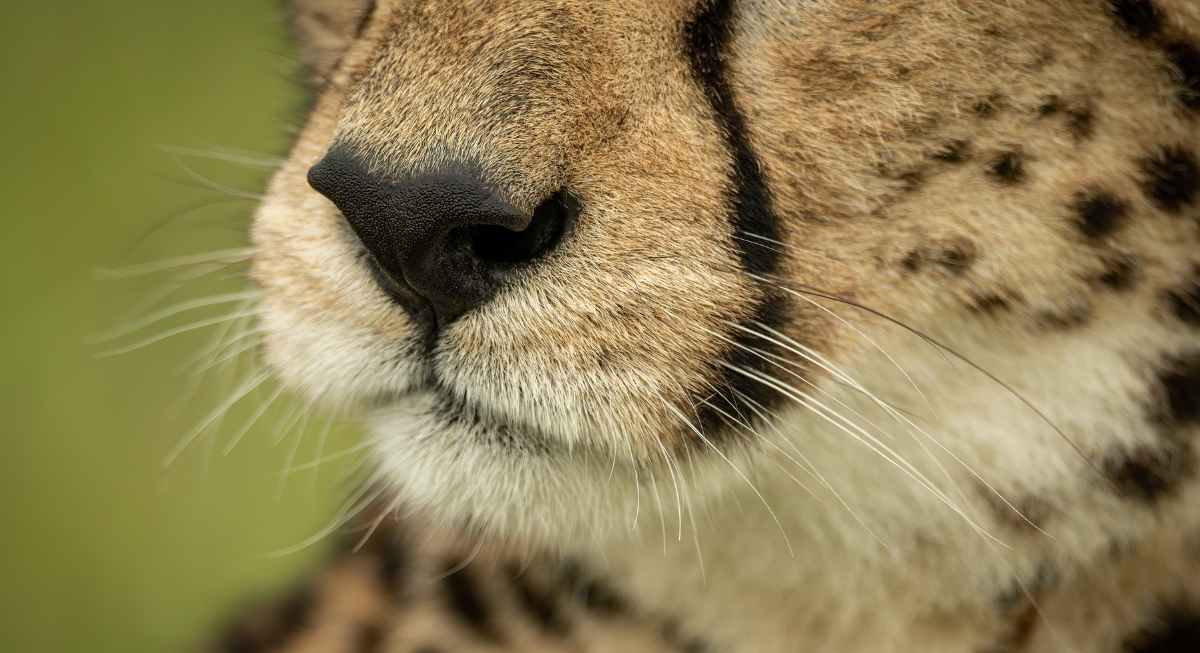
Large nasal passages help cheetahs pull in oxygen quickly during high-speed chases. The design keeps air moving efficiently during sprinting, but it also leaves less space for powerful jaw muscles and deep-rooted teeth. As a result, cheetahs have a weaker bite than larger predators such as lions and hyenas, which can make it harder for them to defend their kills.
A Strong Heart
Credit: Getty Images
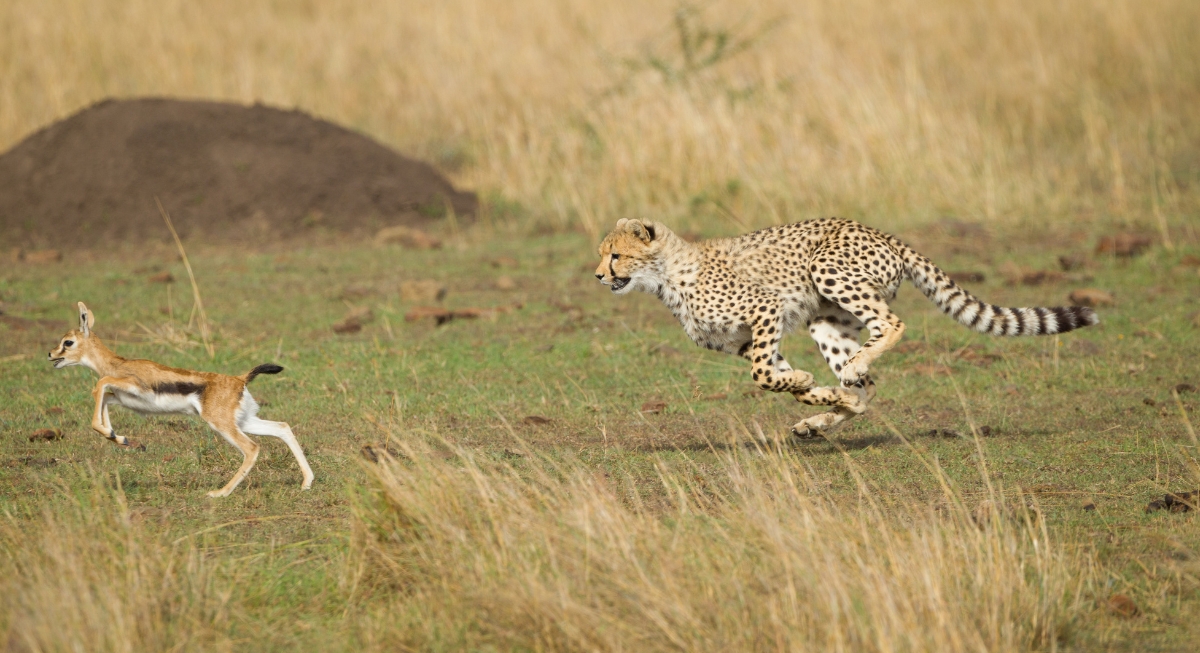
The legs get all the attention, but the heart is what powers the sprint. A cheetah has an oversized heart that pumps oxygen-rich blood during a short chase. The liver and adrenal system also support a fast physical response. This allows the cat to pour on the speed suddenly, but it requires a lot of recovery afterward.
A Light Frame
Credit: Getty Images
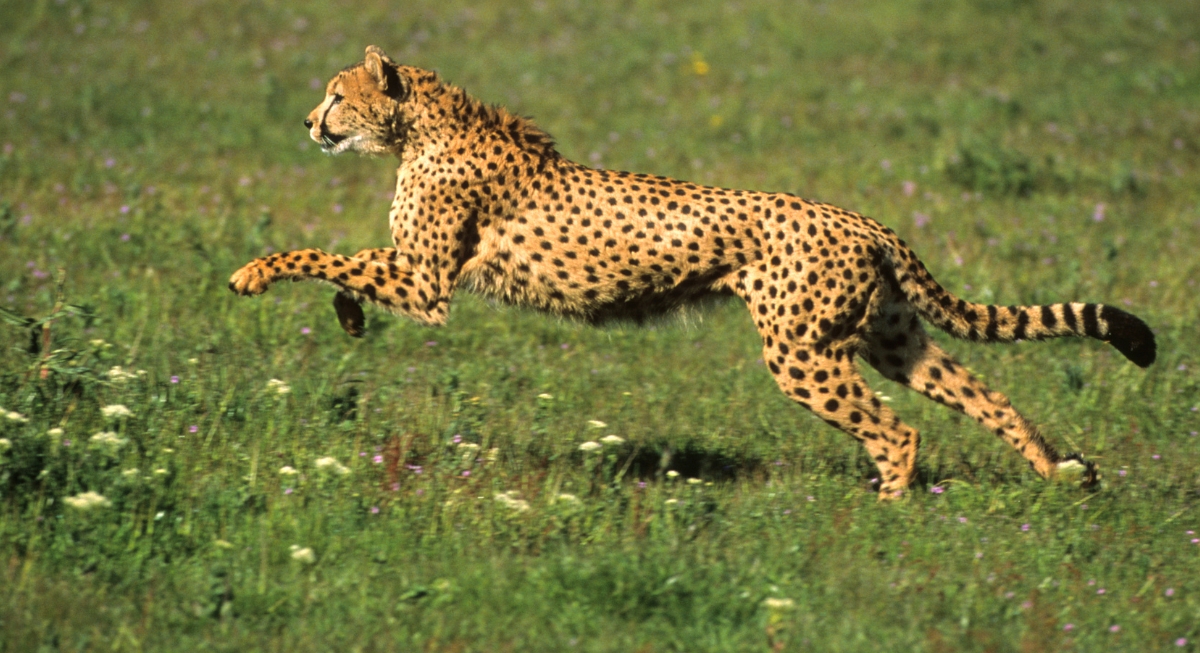
Cheetahs keep their weight down with light bones, a small head, and a narrow waist. This slim build means their muscles do less heavy lifting during sprinting. The design works perfectly at the start of a chase. The real problem happens after the hunt, when bigger predators like lions or hyenas arrive. Speed offers no advantage in a physical fight over food, so the animal can be displaced from kills.
A Low Bounce
Credit: Getty Images
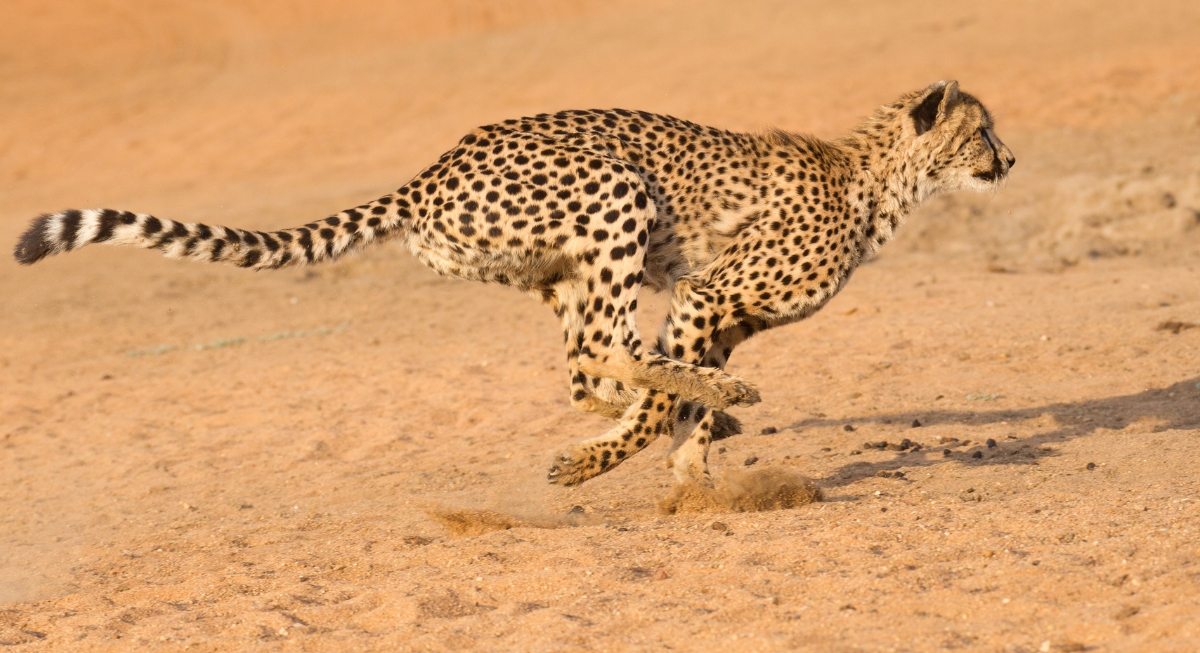
Watch a cheetah run in slow motion, and you will notice its body stays surprisingly low to the ground. Research links its fast gallop to a highly flexible spine and efficient forward movement. This helps turn muscle power into speed rather than a wasted effort during a short chase. This smooth movement is hard to spot at full speed because the chase happens so fast.
Sharp Eyes
Credit: Canva
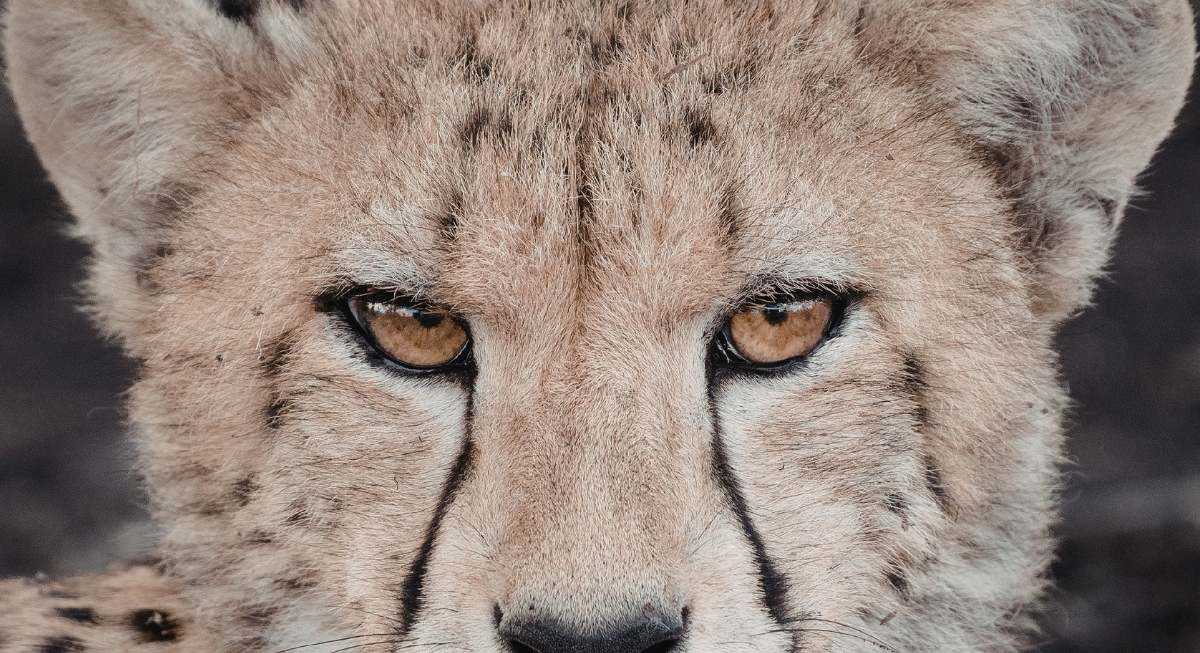
Before the chase begins, a cheetah carefully studies the field. It relies mostly on sight to hunt during the day, and its eyes are perfect for judging distance. Elongated retinal areas give the cat a sharp, wide view of open ground. The dark tear marks under its eyes might even reduce glare from bright sunlight. Exceptional eyesight also allows them to pick the best target before committing to a fast run.
The Short Sprint
Credit: pixabay
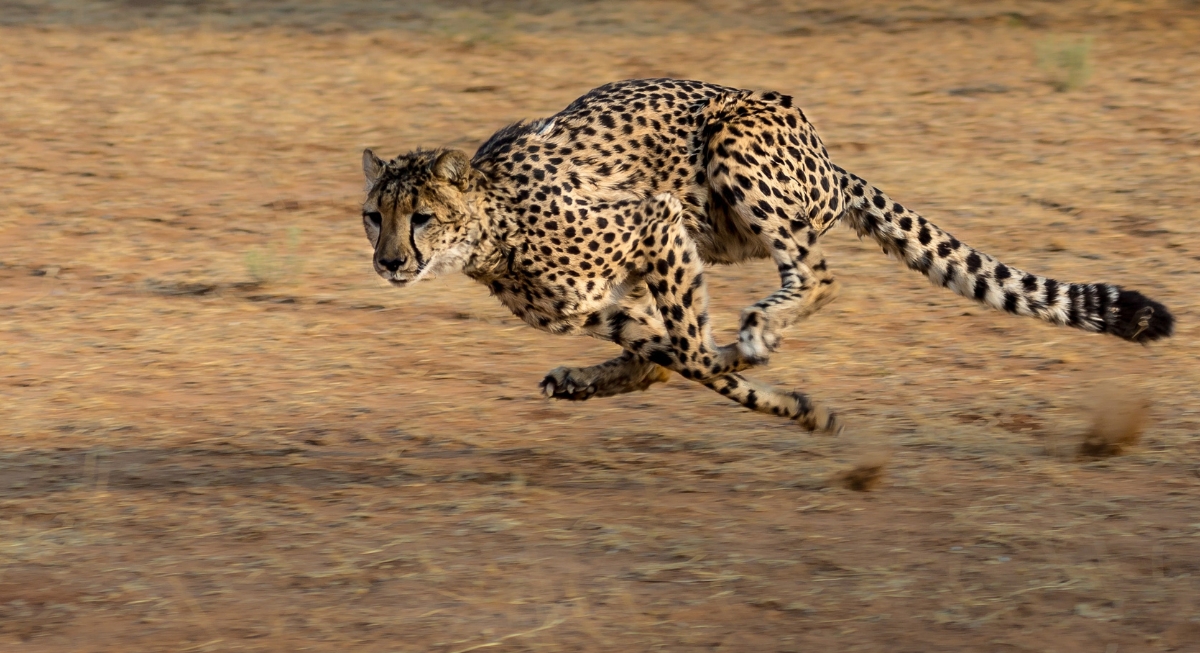
A cheetah’s famous top speed does not last long. These cats can reach about 60 to 70 mph in just a few seconds, but they rarely run that fast during a real hunt. Zigzagging prey and changing distances force them to slow down. Because sprinting is so exhausting, the sneak attack is incredibly important. It creeps as close as possible before releasing one quick burst of speed, and then stopping to rest.