6 Milestones for Hazana, the Newest Star of Chicago’s Lincoln Park Zoo
Chicago has a new baby everyone is talking about, and she comes with four legs, tiny horn buds, and a big conservation story behind her. Hazina, the eastern black rhino calf born at Lincoln Park Zoo in March 2026, quickly became one of the zoo’s biggest stars. Her first few weeks brought adorable family moments, regular updates from keepers, and an exciting public debut that drew plenty of attention. Here’s a closer look at the milestones that introduced Hazina to Chicago.
Birth Day
Credit: Facebook
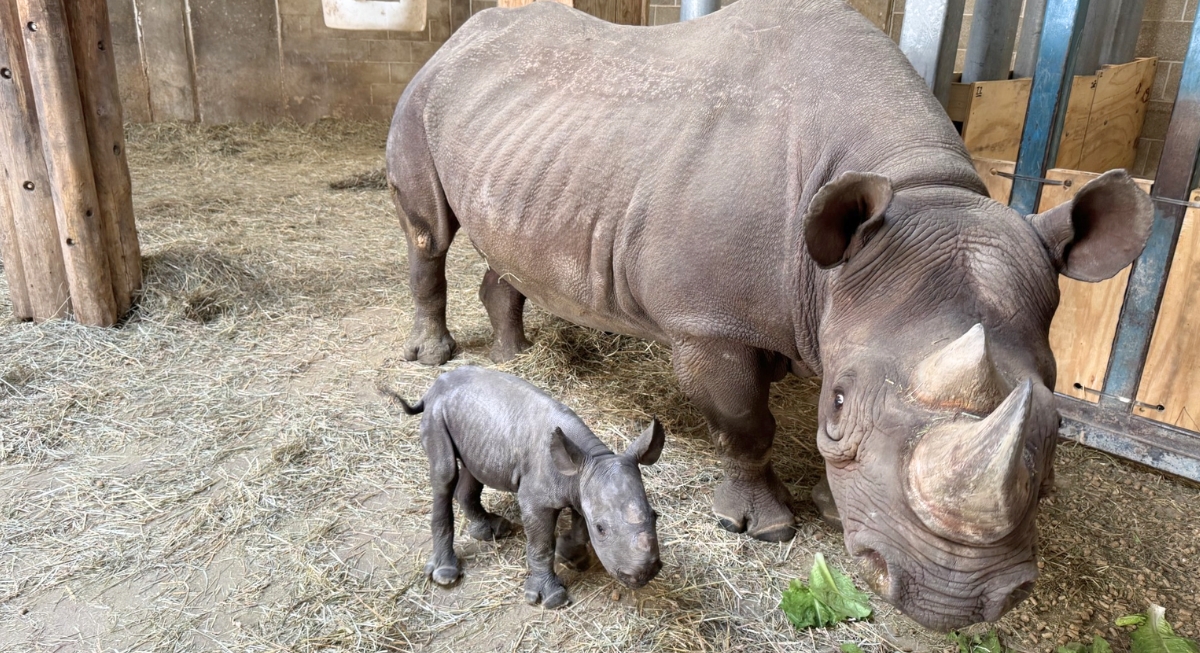
Hazina was born on March 19, 2026, within the Regenstein African Journey area of Lincoln Park Zoo. She arrived before sunrise, weighing about 60 pounds. This size is actually quite small for a newborn rhino. Her arrival brought joy to the staff, especially because eastern black rhinos are at risk of extinction. Every successful birth marks a major win for the survival of this rare species.
First Steps
Credit: Facebook
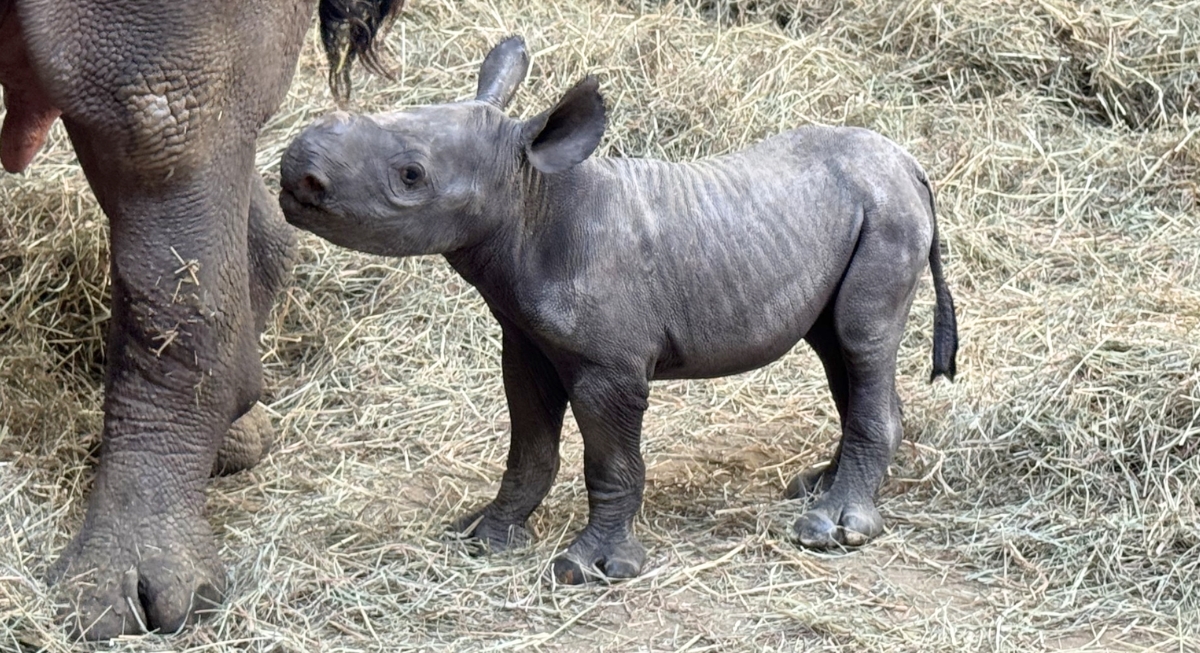
Hazina wasted no time finding her footing. Less than two hours after birth, the little rhino calf was already up and walking, an encouraging sign for her care team. Those early steps helped her reach her mother, Kapuki, and begin nursing for the first time. Baby rhinos may look strong from the start, but those first movements are incredibly important. For Hazina, they showed just how determined and healthy she was from her very first day.
Kapuki
Credit: Facebook
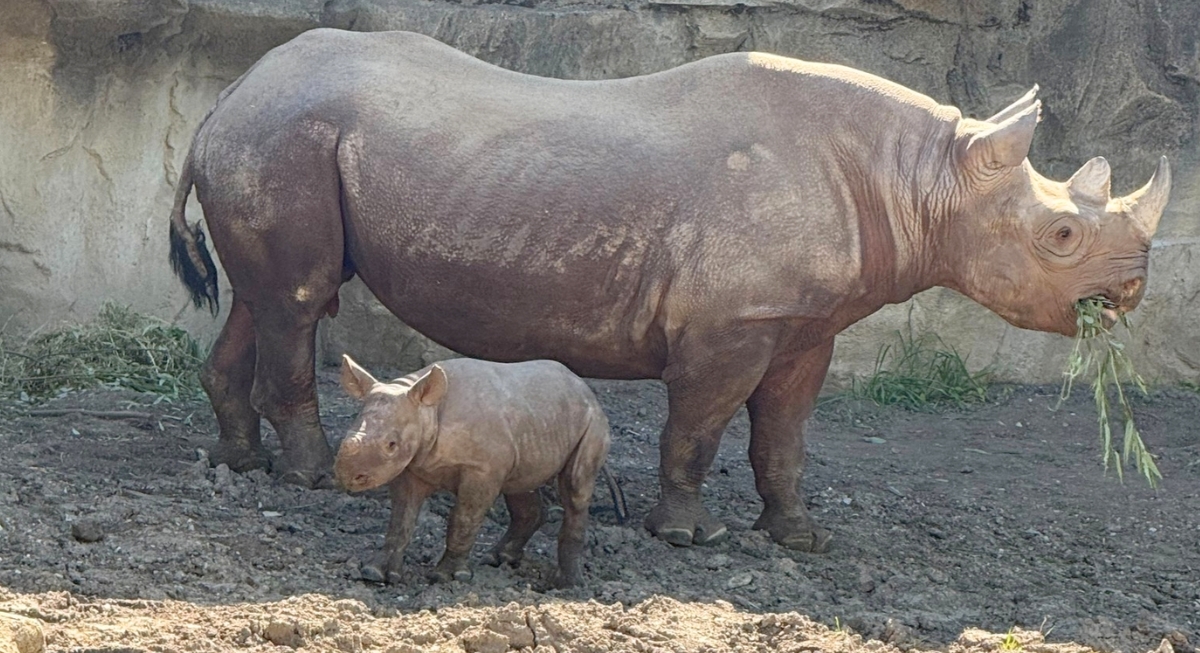
Kapuki knew what to do. Hazina is her third calf at Lincoln Park Zoo, so the staff already had an experienced mother on the job. This arrival also marks her first baby with Utenzi, a 21-year-old male eastern black rhino. Their match is a big win for the breeding program. By tracking genetics, the zoo helps maintain a strong and diverse population of eastern black rhinos under human care.
Her Name

Credit: Getty Images
The calf was named Hazina, pronounced Ha-zee-nah, a Swahili word meaning “treasured.” It is a fitting name for a baby rhino that captured so much attention almost immediately after birth. The name was chosen by Jim Neis, a longtime Life Trustee at Lincoln Park Zoo. By the time the announcement was made, Hazina had already become a favorite among Chicago locals following her early updates online. The name added an extra layer of warmth to a story people were already invested in.
Behind The Scenes
Credit: pexels
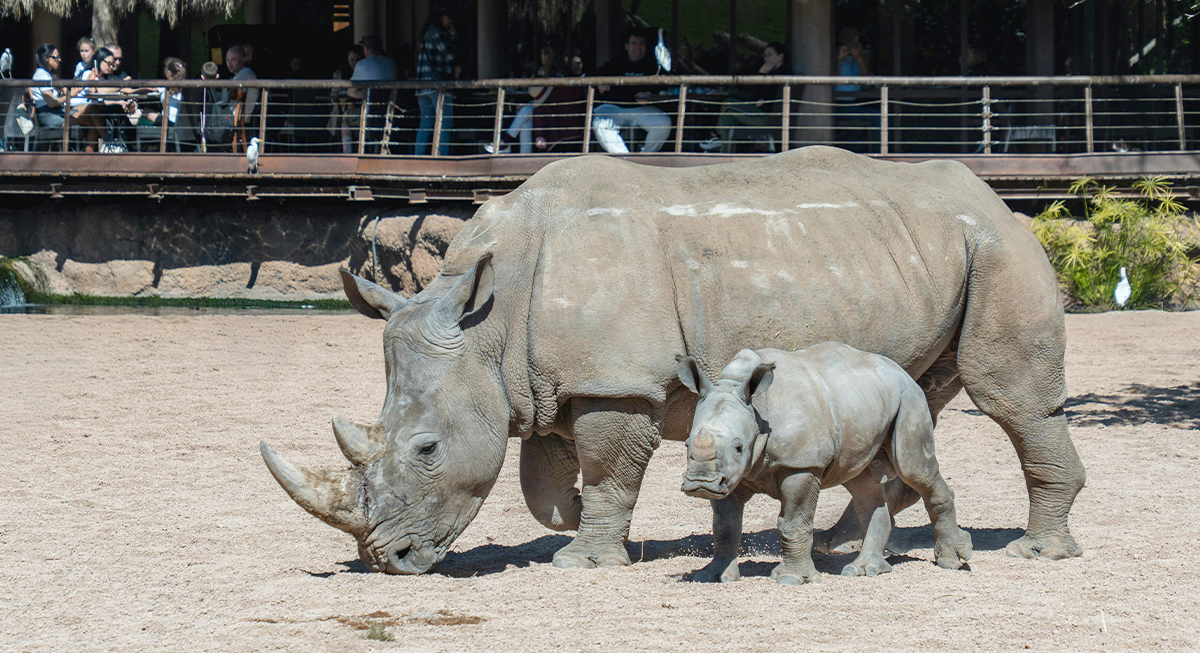
Hazina and Kapuki remained behind the scenes before their big debut. This private time allowed the pair to bond and find their footing. Staff members monitored nursing and growth closely while maintaining a calm environment. Those peaceful early weeks were vital for the calf’s development. This careful start ensured both animals felt secure and ready for the future.
Pregnancy Tracking
Credit: pexels
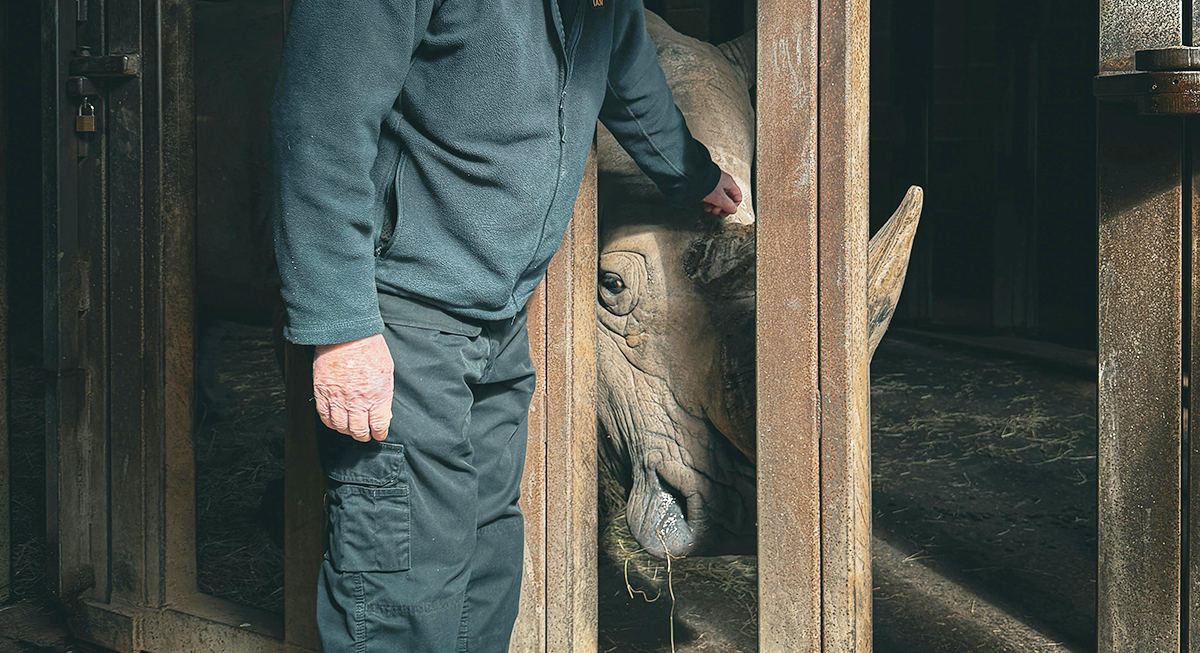
Hazina’s birth required months of expert preparation. The Lincoln Park Zoo team monitored Kapuki’s pregnancy by analyzing hormones in fecal samples. This method allowed keepers to check on the rhino without causing her any stress. It shows how advanced zoo care operates behind the scenes, long before the public meets a new arrival.
Public Debut
Credit: Wikimedia Commons
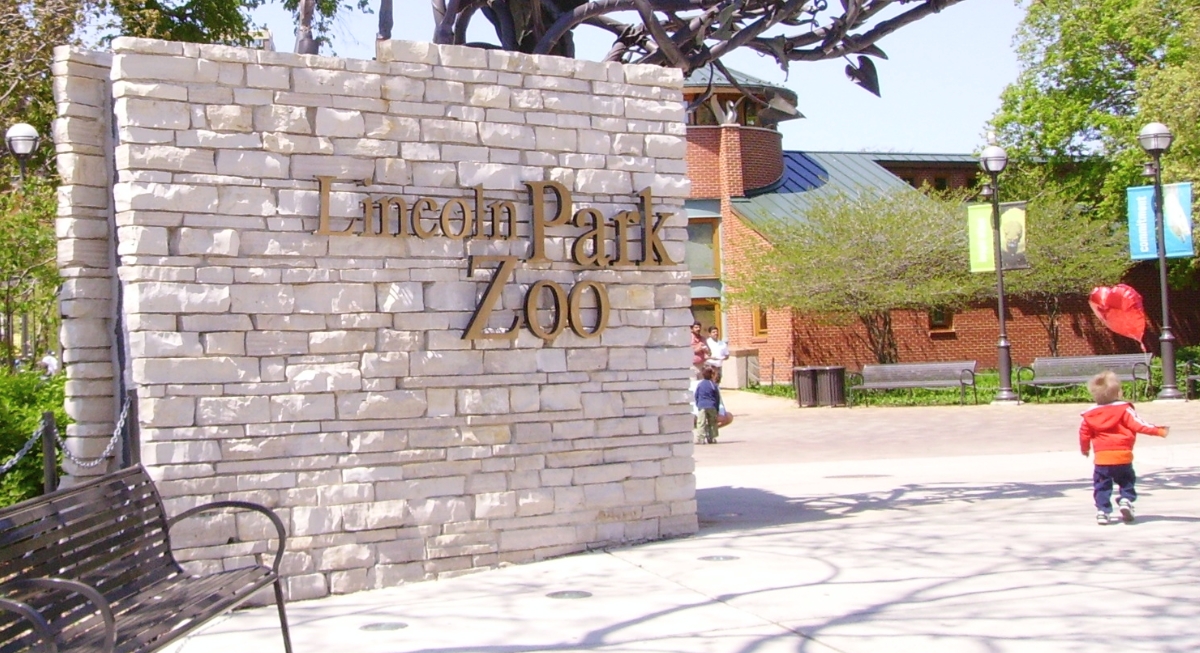
Hazina made her debut on April 29, 2026, at a Lincoln Park Zoo members’ event. This schedule allowed her plenty of time to gain strength before meeting the public. Guests watched her explore the outdoor habitat alongside Kapuki. Zoo staff ensured the environment remained calm to prioritize the calf’s needs. While a new rhino is a major attraction, her well-being remains the most important part of the process.
Fast Growth
Credit: Facebook
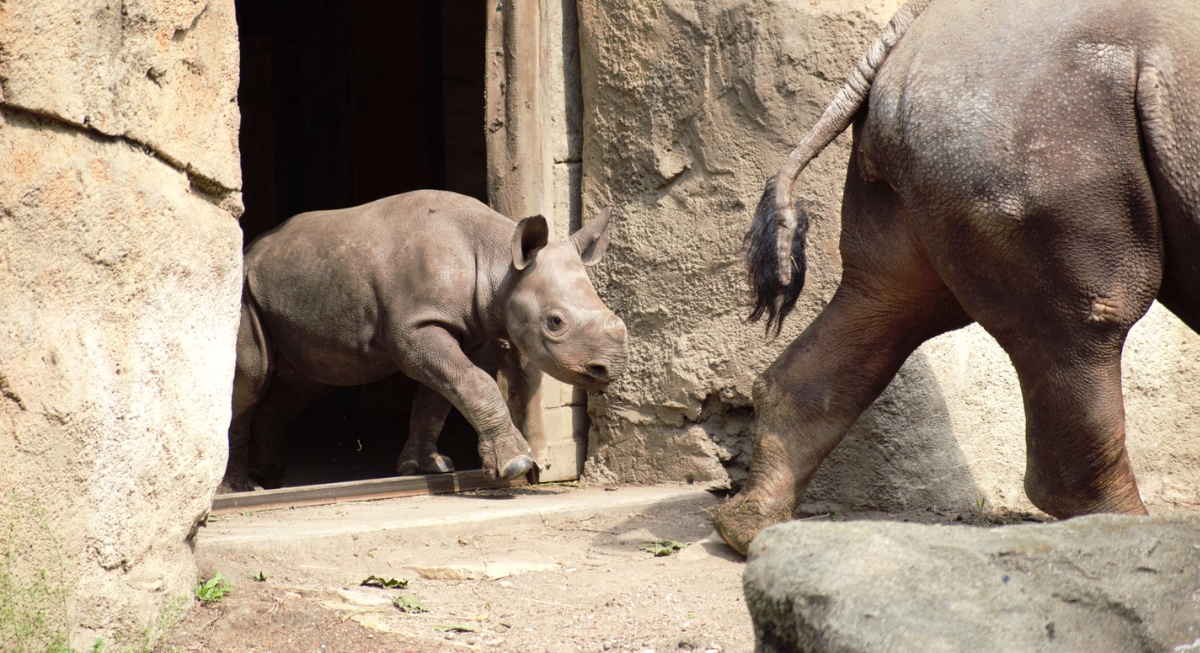
That 60-pound newborn phase will not last long. Eastern black rhino calves gain up to 100 pounds every month during their first weeks. Regular visitors will likely notice Hazina growing larger with each trip. The tiny calf you might see following her mother closely today could be a much heavier youngster found exploring the habitat a few weeks later.
Species Survival
Credit: Getty Images
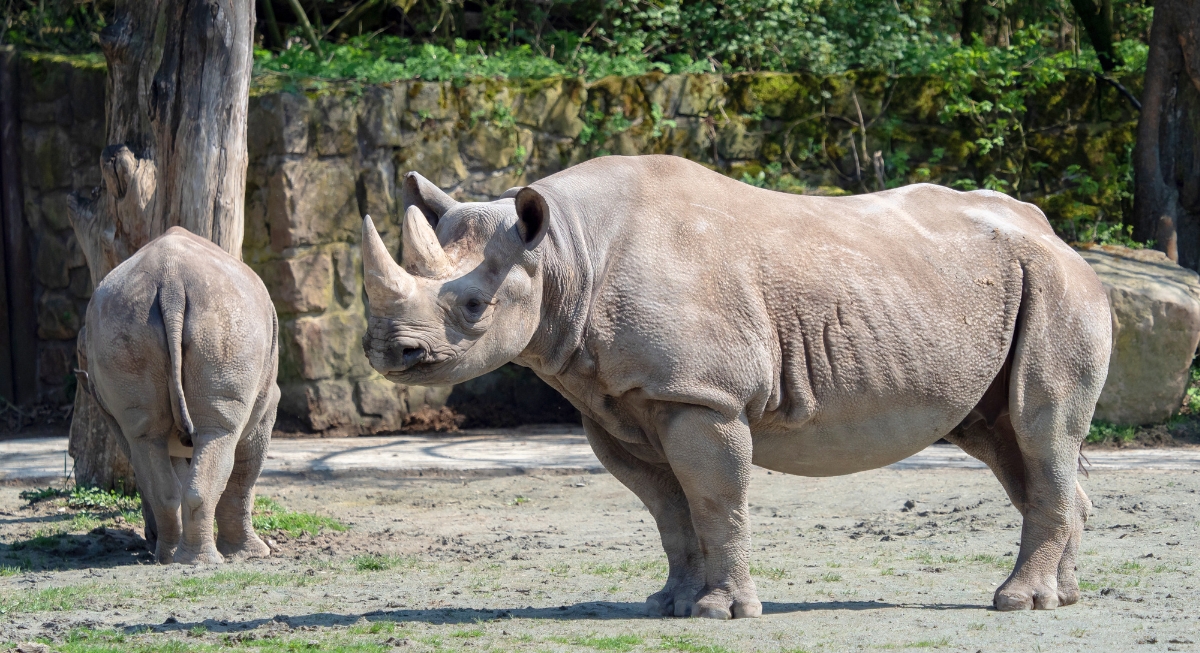
Hazina’s birth is part of the Eastern Black Rhinoceros Species Survival Plan. This initiative allows zoos to coordinate breeding for rare animals that face a critical danger of extinction. Between 1960 and 1995, the total population of Eastern black rhinos dropped by 98 percent. Such a staggering loss means a healthy calf represents much more than a local zoo announcement.
How Fans Can Help
Credit: Facebook
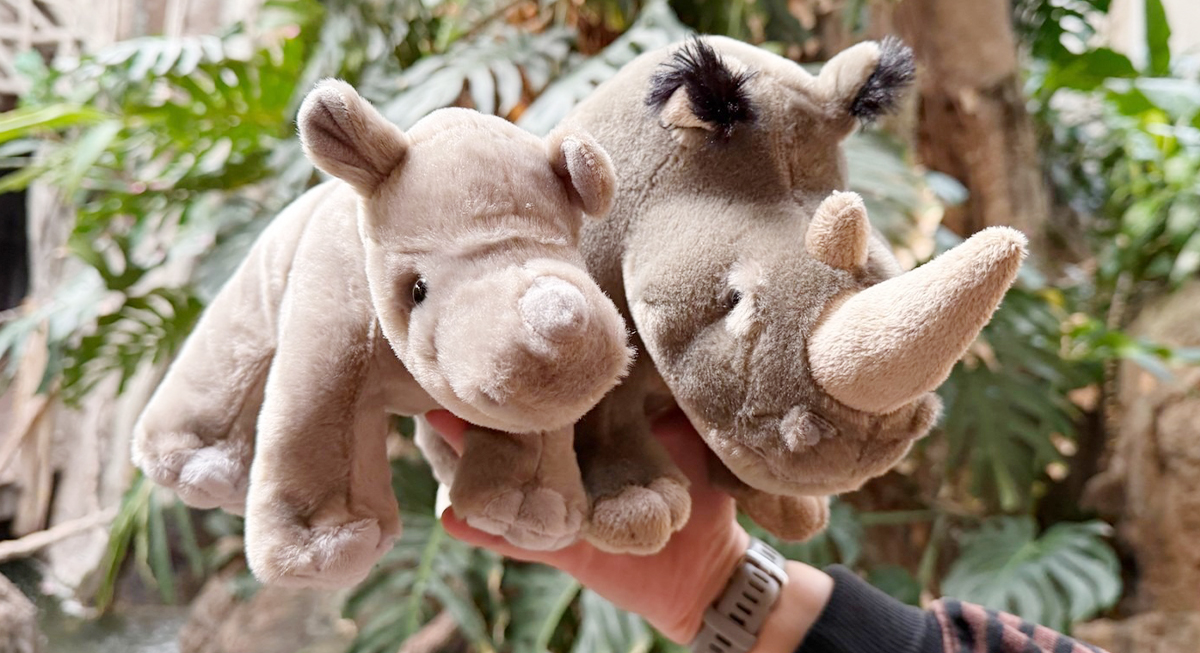
Lincoln Park Zoo offered supporters several fun ways to welcome Hazina. Fans could purchase a limited-edition Adopt an Animal package with mom and baby rhino plushes. The zoo also invited supporters to donate fresh leafy plants through its Wish List. This way, Hazina enjoys the spotlight while the rhinos receive a steady supply of treats.