What to Know Before Keeping Chickens as Pets
People usually picture chickens as low-maintenance backyard companions pecking around without a care, but anyone who keeps them will tell you it’s a bit more involved. Before you bring home a small flock, it helps to know how much personality they have, how early-morning their schedule can be, and what your local rules say about coops and noise. A little preparation goes a long way, and understanding those pieces upfront makes the whole experience smoother for both you and the birds.
Start With a Flock, not a Single Hen
Credit: Canva
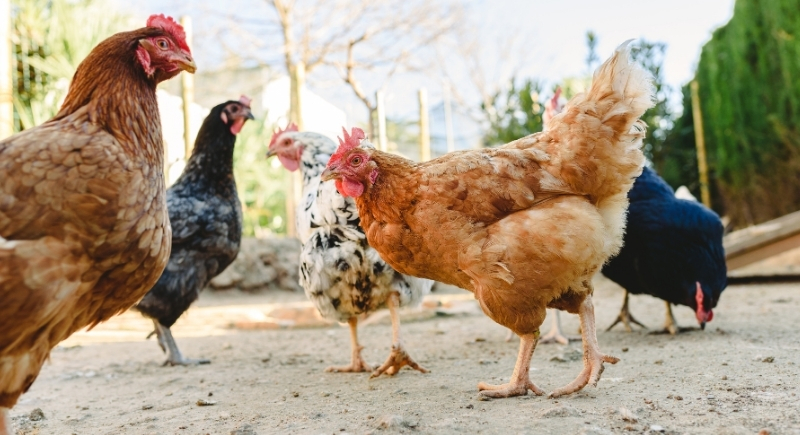
It is a known fact that chickens don’t do well alone. In fact, they rely on flock dynamics to feel secure and act normally. A small group of four to six hens builds the foundation for healthy social interaction. On the other hand, isolation can lead to aggression, feather loss, or illness.
Use Complete Feed Rather Than a Scratch
Credit: Getty Images
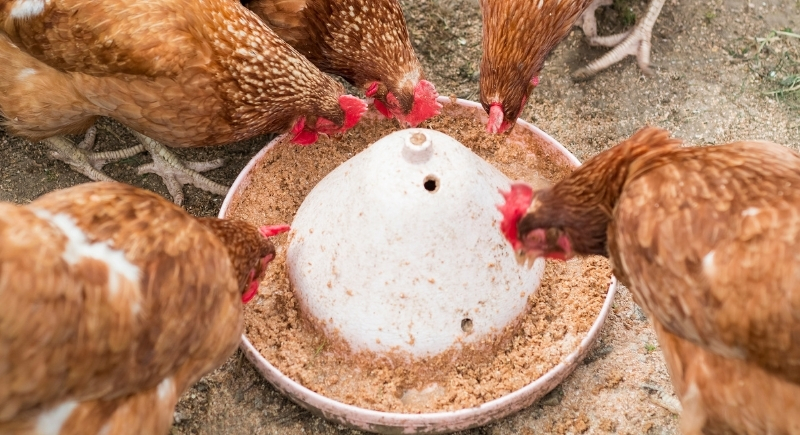
Scratch grain isn’t a complete food source because it lacks the protein and balanced nutrients chickens need to stay healthy and lay consistently. Too many scratch fills them up without meeting dietary needs. This lowers egg production and can cause soft shells or health issues.
Check Zoning Laws Before Buying Supplies

Credit: pexels
Local rules can make or break your chicken plans. Some towns allow backyard flocks but restrict the keeping of roosters. Then there are others that limit the number of hens you can keep or where you place the coop. These regulations often protect neighbors from noise or mess. Ignoring them risks fines or being forced to rehome them.
Social Behavior Shapes the Group
Credit: Getty Images
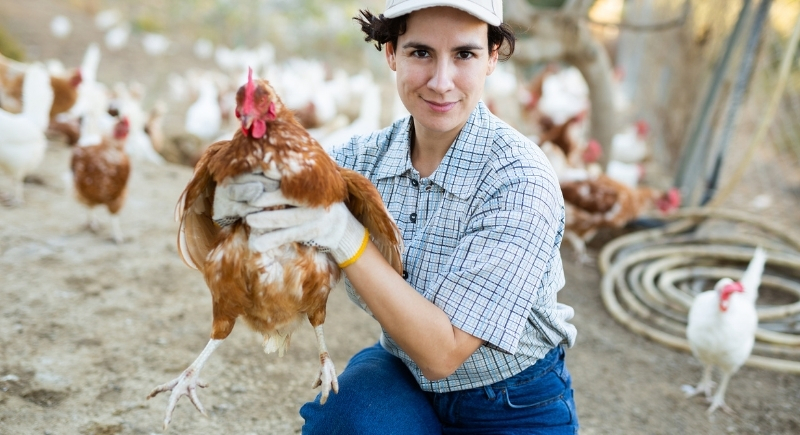
Chickens follow a pecking order, which decides who eats first, who roosts where, and who gets pushed around. These social rules matter more than people think. Without enough space or multiple food stations, bullying can turn into real injury. Mixing new birds too quickly disrupts the order and causes fights.
Budget Beyond the Eggs
Credit: Getty Images
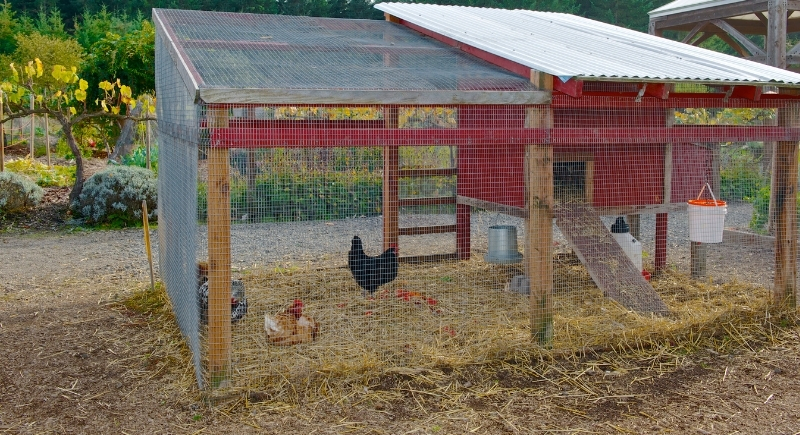
Keeping chickens costs more than most people expect. Even basic setups require a brooder, coop, run fencing, and feeders. Feed, bedding, and oyster shell become ongoing expenses. A high-quality predator-proof feeder may cost more upfront, but it will save feed loss long-term. Eggs come later, and not daily forever.
Build for Predators
Credit: Getty Images
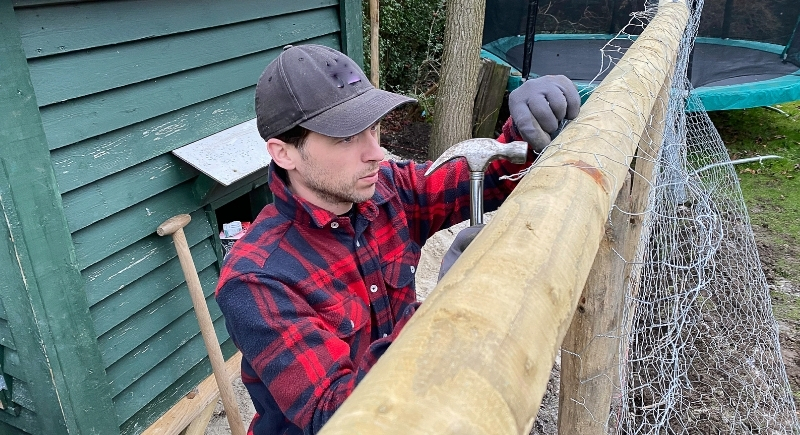
Many new owners use chicken wire to keep predators out, but that only keeps birds in. Raccoons, foxes, hawks, and dogs easily tear through weak fencing. Hardware cloth, buried fencing edges, and strong latches make a difference. An automatic coop door helps if you’re away at nightfall.
Commit to Daily Attention

Credit: Canva
Even with automatic doors or large feeders, chickens still need daily care. Expect to check their water, refill feed, collect eggs, and give the coop a quick look. Minor issues can escalate quickly, such as missed water refills, damaged fencing, or signs of illness. A few minutes each day prevents hours of stress later.
Plan for Egg Laying Patterns
Credit: iStockphoto
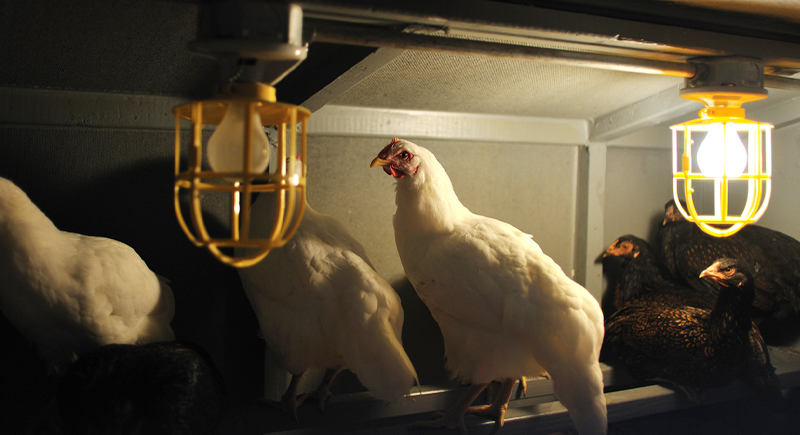
If you are taking in chickens, you need to realize that they won’t lay forever, and they won’t lay year-round. The majority of hens slow down or stop completely during short winter days. Cold alone doesn’t stop eggs, but it is also the lack of daylight. Some people add lights to extend laying, while others let hens rest. Understanding this routine helps set realistic expectations.
Coop Design Affects Flock Health
Credit: Getty Images
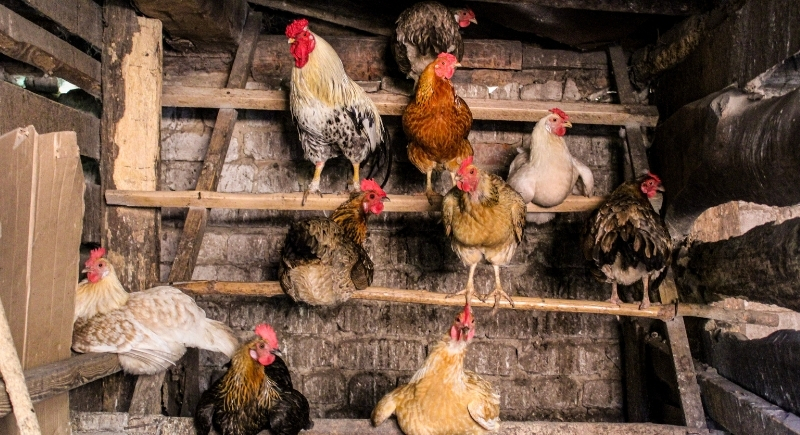
A poorly built coop leads to long-term problems. Bad ventilation can lead to ammonia buildup and respiratory problems. Meanwhile, tight spacing increases pecking and stress. Additionally, missing roosts or nesting boxes can frustrate natural behaviors. Each hen needs indoor space, dry shelter, and airflow without drafts.
Set Up a Quarantine Area for New Arrivals
Credit: Getty Images
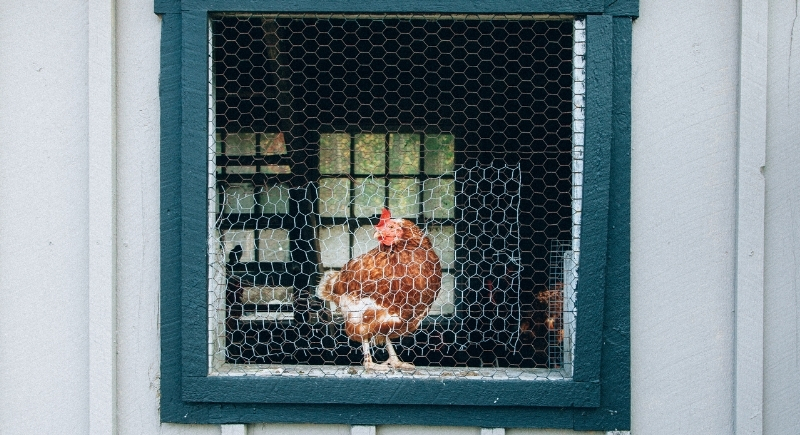
What new keepers don’t know is that a separate space for incoming birds protects your hens. Several sources explain that new chickens can look perfectly normal yet still carry mites, lice, or infections that spread quickly once they mix with established hens. A small enclosure away from the main coop allows you to observe their behavior, inspect droppings, and monitor their appetite.