9 Chimpanzee Crimes Against Nature
Chimpanzees share more than 98% of human DNA, and decades of field research across Africa show their societies can be intensely violent. Long-term studies at sites like Gombe and Kibale document organized raids, shifting alliances, and calculated attacks that follow clear social rules.
Primatologists such as Jane Goodall and Richard Wrangham have documented recurring patterns of aggression linked to territory, dominance, and mating access. These behaviors reflect adaptive strategies shaped by survival and reproductive pressures.
Planned Border Ambushes
Credit: Getty Images
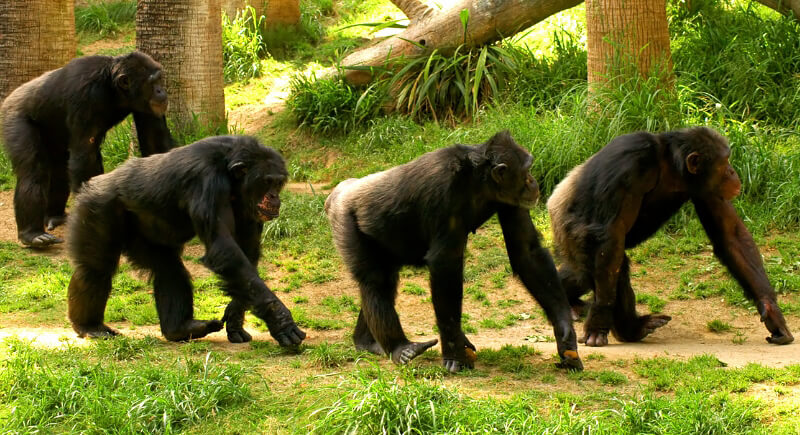
Male chimpanzees regularly patrol the edges of their territory in small groups. When they encounter a lone male from a neighboring community, they often attack if they hold a clear numerical advantage. These assaults usually target adult males and can be fatal.
The Four-Year Gombe War
Credit: Wikimedia Commons
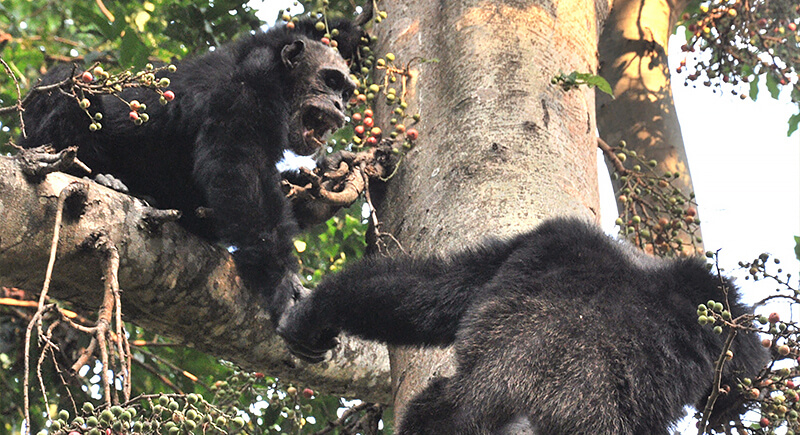
At Gombe Stream National Park, conflict between the Kasakela and Kahama communities lasted about four years in the 1970s. Males from the larger Kasakela group repeatedly attacked members of the Kahama group. By the end, the Kahama community had been eliminated. The victors then occupied the former Kahama territory, expanding their range after sustained violence.
Infanticide After Alpha Takeovers
Credit: Wikimedia Commons
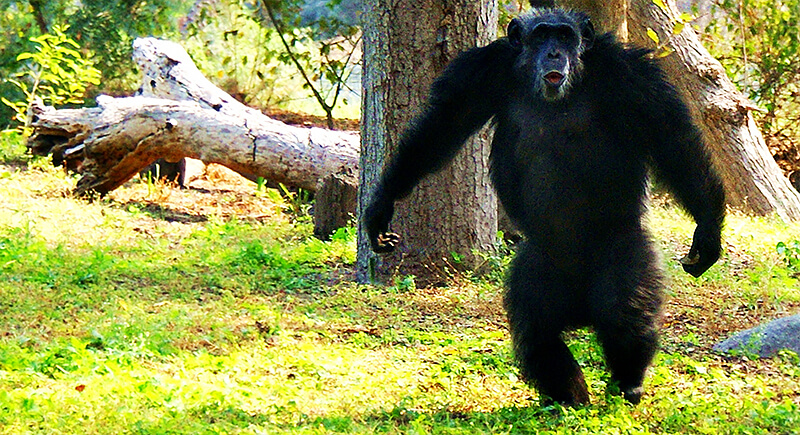
When a new alpha male takes control, infants fathered by previous males face increased danger. Field researchers have recorded males killing dependent young during leadership changes. Females typically return to fertility sooner after losing an infant, which raises the new male’s chance of siring offspring. Documented cases connect this behavior directly to reproductive advantage.
Cannibalism Following Killings
Credit: Youtube
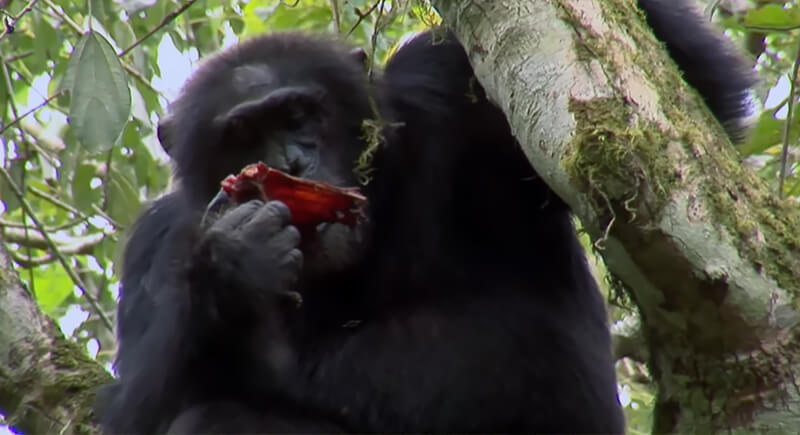
Cannibalism has been observed after intergroup attacks and cases of infanticide. In several incidents, chimpanzees consumed parts of the victim after the killing. Researchers report that consumption follows the act rather than drives it. This pattern has appeared at multiple long-term field sites.
Strength In Numbers Strategy

Credit: Getty Images
Chimpanzees rarely attack without a clear numerical edge. Patrol groups assess whether they outnumber a rival before moving forward. Most lethal assaults involve several males overwhelming a single target. This approach reduces the risk of injury to attackers and increases the likelihood of a successful outcome.
Enemies They Remember
Credit: Getty Images
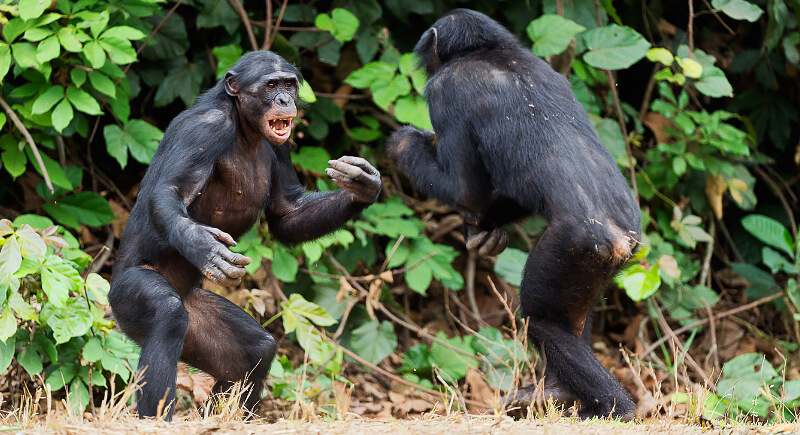
Long-term observation shows that chimpanzees recognize specific individuals. Researchers have documented repeated aggression toward the same rivals across extended periods. Patrol groups sometimes revisit locations linked to earlier confrontations. These patterns indicate that memory influences future acts of aggression.
Rare But Documented Human Attacks
Credit: Wikimedia Commons
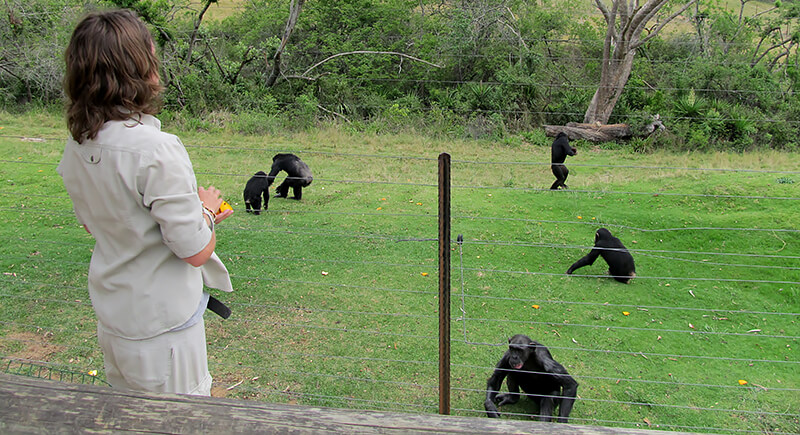
Although uncommon, coordinated chimpanzee attacks on humans have been recorded. Some incidents have led to severe injury and death. Researchers note that such events are more likely in captivity or in habitats heavily altered by human activity. Habitat disruption increases stress within chimp communities.
Violence And The Rank Ladder

Credit: Getty Images
Chimpanzee societies are male-dominated, and rank determines access to mating opportunities. Dominant males use physical aggression to defend their position. Lower-ranking males form alliances to challenge those above them. Leadership changes often lead to instability and increased aggressive encounters.
Intelligence Behind The Aggression

Credit: Getty Images
Chimpanzee aggression shows coordination and foresight. Studies link higher testosterone levels with dominance in males. Pressures such as habitat loss and food scarcity can increase conflict. Cognitive ability enables structured, group-based violence within a system centered on survival and reproduction.