10 Surreal Cities Inhabited and Ruled by Animals
Most cities are designed with people in mind. Yet not all places follow that plan. Around the globe, certain locations have flipped the script, becoming full-time residences for animals who’ve made themselves perfectly at home. Here’s a look at animal-ruled cities that challenge the usual idea of who really owns the place.
Tashirojima, Japan, Is a Cat Territory
Credit: Youtube
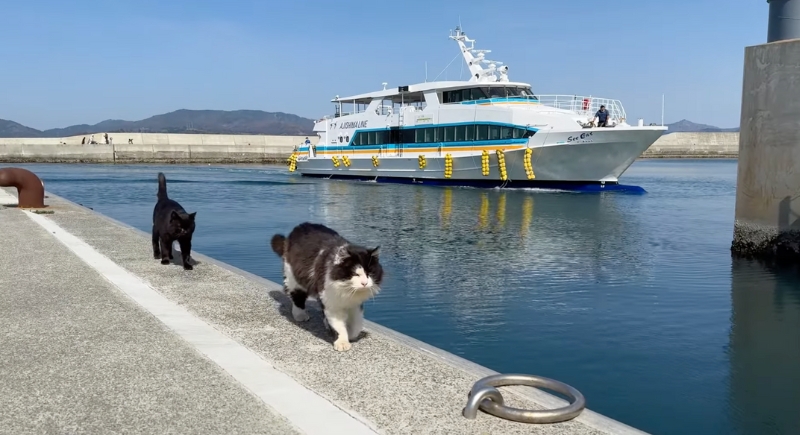
A small fishing island off Japan’s coast has earned the nickname “Cat Island” for good reason. The feline population far outweighs the humans, with several hundred cats ruling over just around 100 residents. Originally brought in to control mice that threatened silkworm production, the cats stayed and multiplied. Locals care for them, and tourists bring snacks.
Christmas Island Belongs to Crabs
Credit: Wikimedia Commons
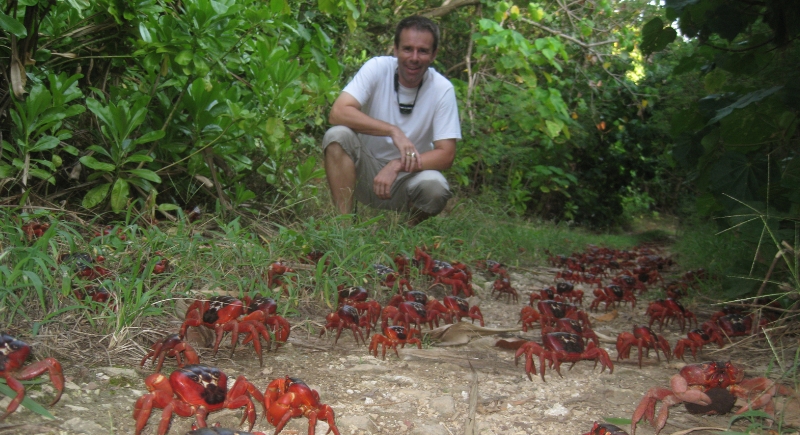
Every wet season, nearly 50 million red crabs pour out of the forests of Christmas Island and head for the coast. Roads, yards, and town centers turn red as the migration advances in one vast, coordinated surge. To reduce damage and save lives, local authorities close roads and build crab bridges and tunnels to allow the animals to pass safely while the island briefly runs on crab time.
Okunoshima, Japan, Has Rabbits in Charge
Credit: Wikimedia Commons
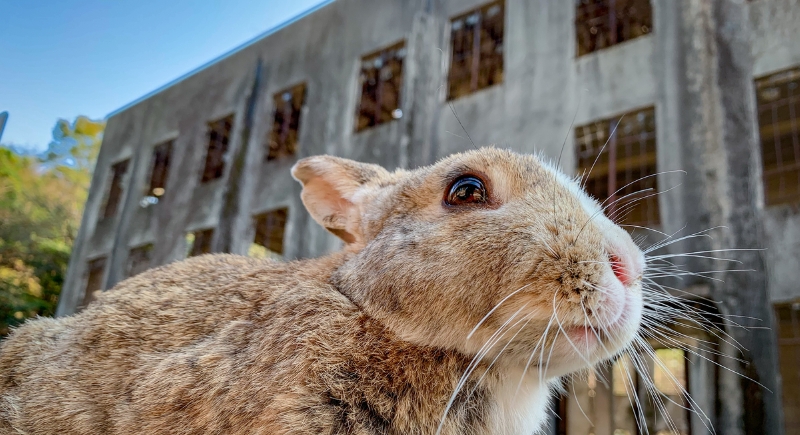
Okunoshima once held a dark role as a WWII poison gas testing site. After that, the island was abandoned, and some say so were the lab rabbits. Whether those rabbits are the ancestors of today’s colony or not, the island now bursts with hundreds of bouncing bunnies.
Seal Island in South Africa Is All Seals, All the Time
Credit: Wikimedia Commons
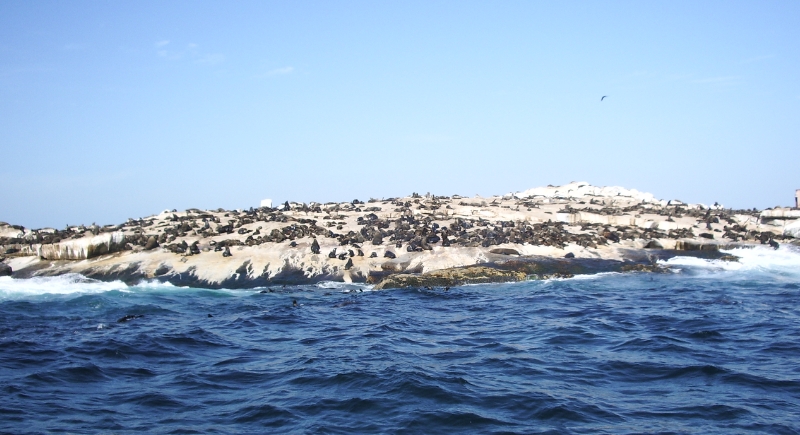
Rough waves, sharp rocks, and shark-filled waters discouraged human settlement here, but the Cape fur seals didn’t mind. About 64,000 of them live tightly packed on a five-acre island just off the coast of Cape Town. It’s a year-round spectacle, though shark season adds drama when great whites circle the area.
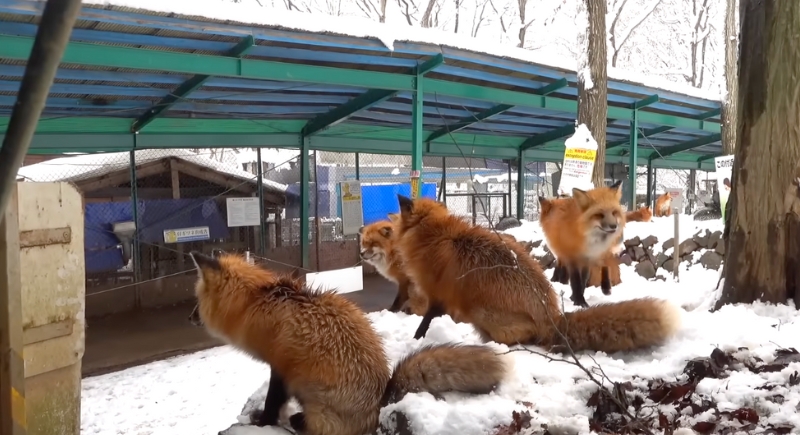
Zao Fox Village in Japan Is Their Sanctuary
Credit: Youtube
In the snowy mountains of Miyagi, Japan, over 100 foxes roam freely through a special sanctuary built just for them. Visitors can walk among six different species, including rare arctic and silver foxes, though strict rules forbid petting. Foxes here aren’t pets—they’re in charge, and guests are expected to behave accordingly.
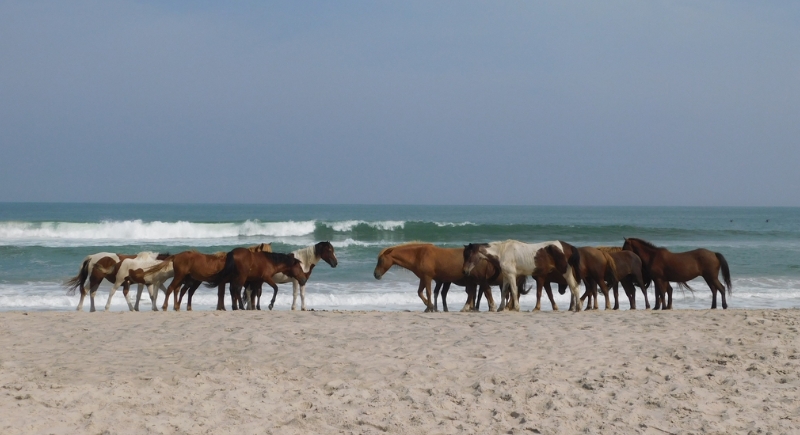
Assateague Island’s Wild Horses Own the Beach
Credit: Facebook
On the East Coast, between Maryland and Virginia, wild horses wander dunes, forests, and marshes. The exact origin of these horses is debated—some blame a shipwreck, others point to colonial livestock—but the fact remains: they live here, freely. Each July, locals help manage the population by swimming young horses across a channel for auction.
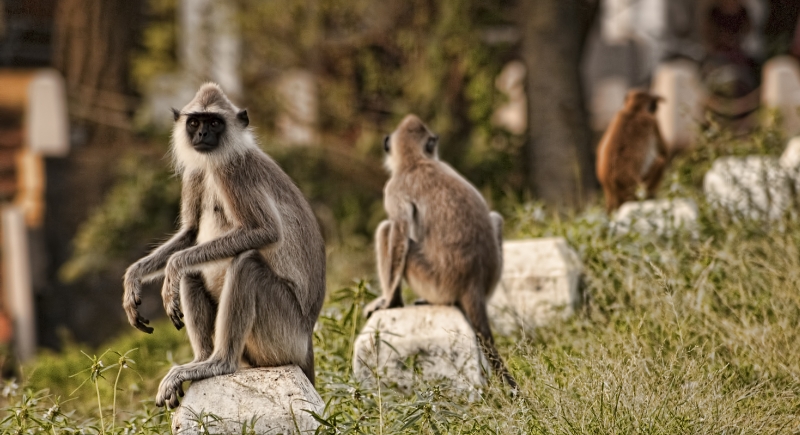
Polonnaruwa, Sri Lanka, Is Run by Macaques
Credit: Wikimedia Commons
In the ruins of this ancient capital, over 4,000 toque macaques live among temples and stone halls. A Smithsonian research project followed them for decades, even giving them names and tracking their family lines. These monkeys treat the historic site as their personal grounds, sometimes thieving from tourists who forget that Polonnaruwa is also a monkey city.
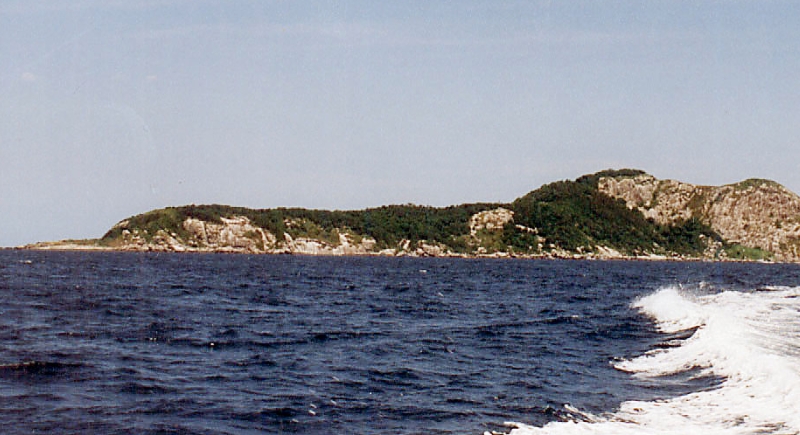
Snake Island in Brazil Keeps Humans Away
Credit: Wikimedia Commons
Ilha da Queimada Grande is a place no one casually visits. Nicknamed Snake Island, it’s home to thousands of golden lancehead vipers, one of the world’s most venomous snakes. Their population is so dense—up to five per square meter—that Brazil has banned public access. Only scientists with approval can enter.
Churchill, Canada, Sees Polar Bears Roam the Streets
Credit: Youtube
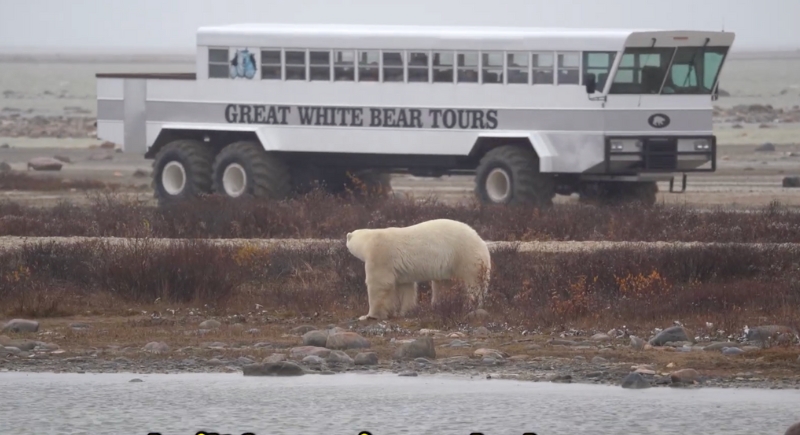
When the Hudson Bay freezes each year, polar bears gather in Churchill, Manitoba, waiting for hunting season. Hundreds pass through town, sometimes even wandering into neighborhoods. The city has learned to adapt with bear patrols and warnings. Locals keep car doors unlocked, not for convenience but in case someone needs quick shelter.
Cayo Santiago, Puerto Rico, Is for the Monkeys
Credit: Youtube
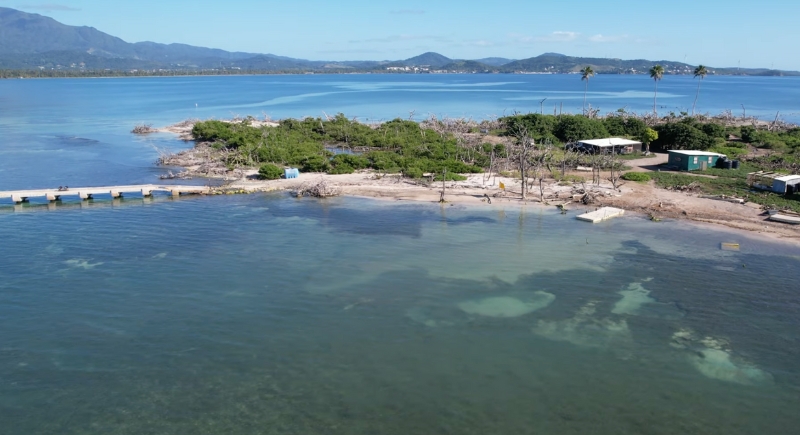
This island, also called Monkey Island, is home to a colony of over 1,000 rhesus macaques, descendants of research animals brought in the 1930s. Today, humans are barred from stepping ashore—only researchers can enter, and even they follow strict rules. Tourists can watch the monkeys from kayaks offshore.