Ways to Help a Grieving Dog
Grief does not belong only to people. Dogs form strong attachments to people and other animals, and when those bonds are broken, their behavior often changes in measurable ways. Veterinarians and trainers commonly report appetite loss, sleep disruption, clinginess, or withdrawal after a major loss. Supporting a grieving dog means responding to those changes with structure and informed care rather than panic or pity.
Start With a Vet Check
Credit: Canva
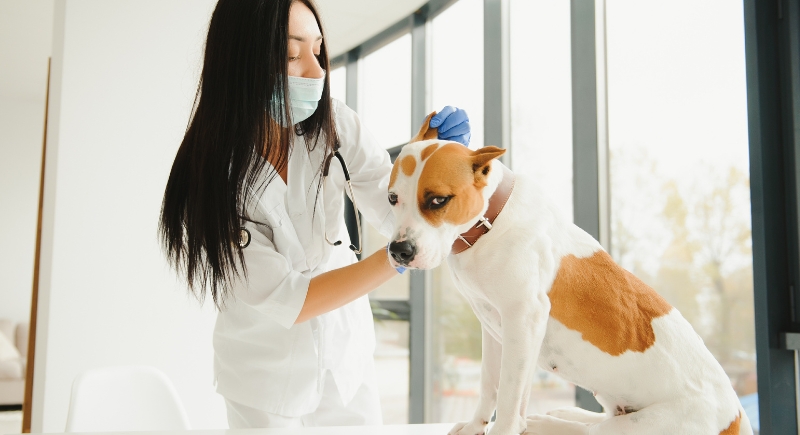
Behavior changes after a loss often look emotional, but illness can cause the same signs. Weight loss, lethargy, digestive trouble, or sudden anxiety can point to pain or medical conditions that need treatment. A veterinarian can rule out any physical causes. Dogs under stress also experience a weakened immune response, so making an early evaluation is especially important.
Acknowledge the Loss

Credit: pexels
Recognizing that a dog is grieving influences how caregivers respond to behavioral changes. Calm verbal reassurance is helpful because dogs respond more to tone and consistency than to words. Respecting grief prevents punishment-based reactions that increase anxiety and confusion.
Protect Physical Health
Credit: Getty Images
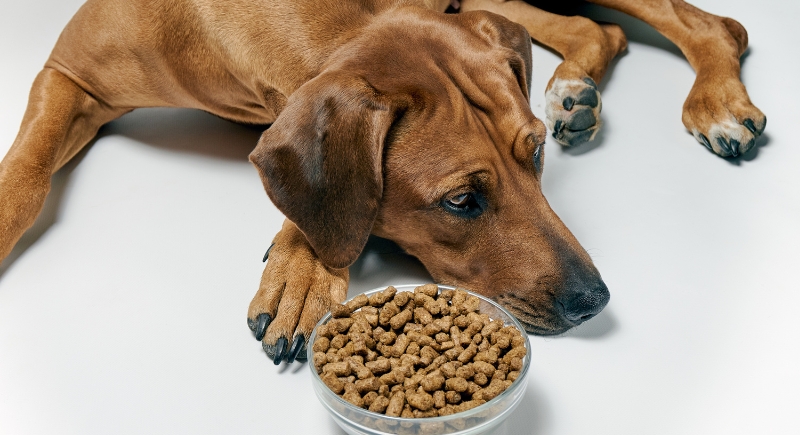
Grieving affects the body as much as behavior. Dogs under emotional stress may exhibit decreased appetite, increased sleep, or digestive upset. Maintaining proper nutrition, hydration, and regular veterinary monitoring helps the dog stay physically capable of coping with emotional strain. Physical wellness supports emotional recovery because stress hormones can influence appetite and energy levels.
Lean Into Routine
Credit: Canva
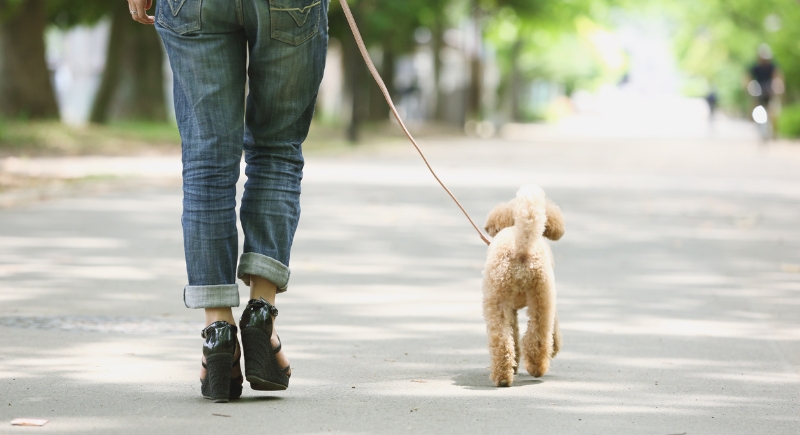
Routine tells a dog that the world is still predictable, and regular feeding times, walks, and bedtime schedules provide cues that reduce stress. Loss disrupts expectations, and consistency rebuilds trust in daily life. Even small routines, such as morning walks or evening play, establish safety through repetition.
Increase Exercise Thoughtfully

Credit: Getty Images
Movement helps regulate canine stress hormones. Extra walks or short play sessions help release energy that might otherwise manifest as restlessness or withdrawal. Exercise also improves sleep quality, which supports emotional balance. Remember, physical activity works best when it matches the dog’s age and health.
Bond Without Hovering
Credit: pexels
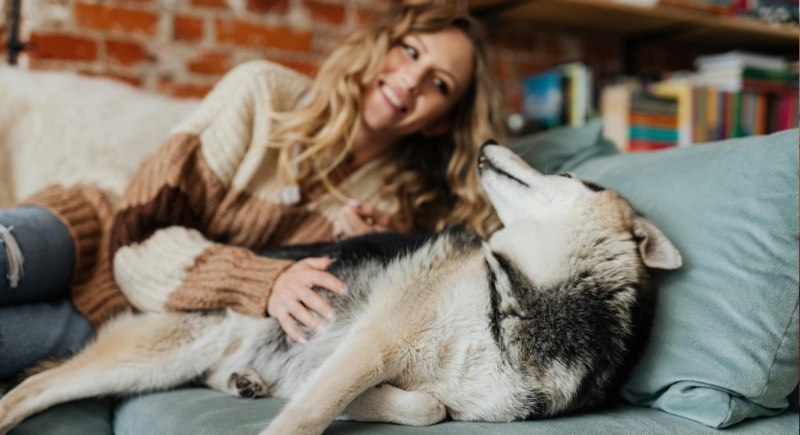
Companionship offers stability more effectively than dramatic concern. Sitting together, shared walks, and gentle touch provide reassurance without amplifying sadness. Dogs tend to read human emotional cues, and a confident, calm demeanor helps them settle. Closeness matters, but over-sympathy can reinforce distress.
Create Positive Moments
Credit: Getty Images
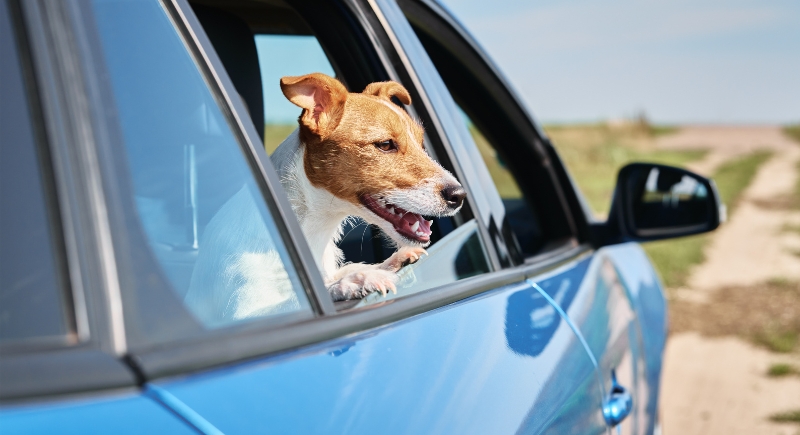
Dogs remember emotional experiences even when they live mostly in the present. New enjoyable activities help replace painful associations with neutral or positive ones. Short car rides, new walking routes, or simple training games add novelty. Positive reinforcement strengthens emotional resilience through repetition of good experiences.
Handle New Pets Carefully
Credit: Getty Images
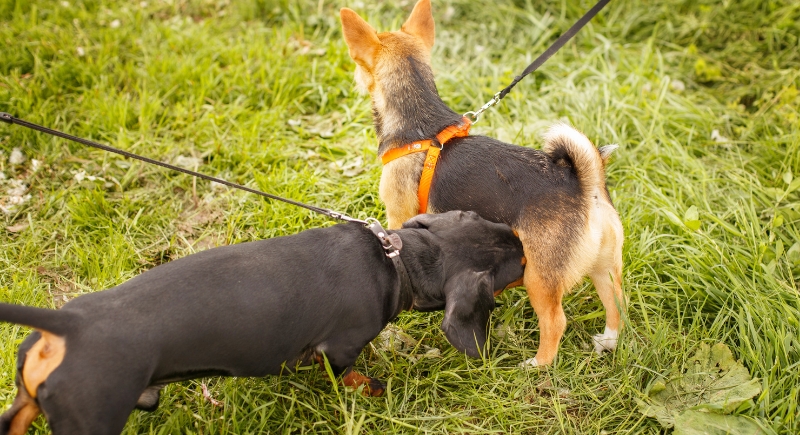
Adding a new animal immediately after a loss rarely fixes grief. Dogs need time to process absence before forming new social bonds. Introducing another dog too soon can increase stress rather than ease it. When adoption happens later, involving the grieving dog supports a smoother adjustment through shared experience.
Respect Past Attachments
Credit: pexels
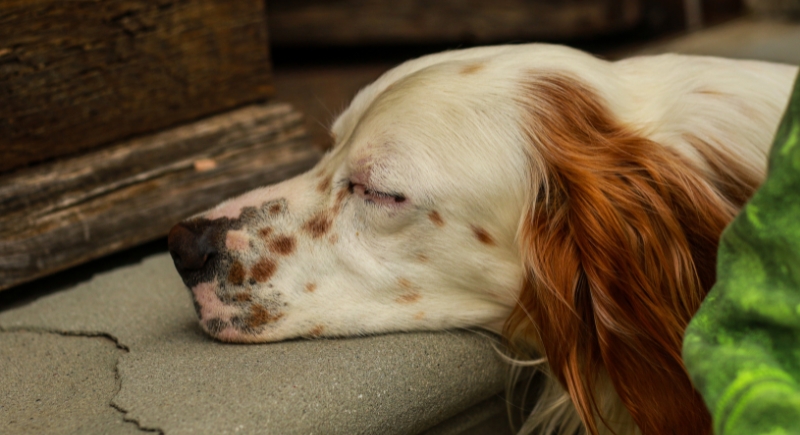
Dogs grieve people as well as animals. A dog rehomed after a death, divorce, or move may show confusion tied to missing a specific person. Trying to replace that person is unrealistic and unnecessary. Building a new relationship works best when the past bond is respected rather than ignored.
Practice Patience

Credit: Canva
Grief in dogs has no set timeline. Some recover within weeks, while others need months to settle into new routines. Behavioral studies show that gradual improvement is more common than sudden change. Patience allows the dog to trade sadness for comfort at a pace that feels safe and secure.