8 Spider Species You Might Find in Your House
Spiders often appear in homes for simple reasons, such as seeking shelter and food. Most of the species are not only harmless but also eat the insects in your home that you dislike. Nevertheless, knowing which ones are common can turn a moment of panic into mild curiosity, especially since most house spiders want nothing to do with people and spend their time hunting flies or hiding in corners.
American House Spider
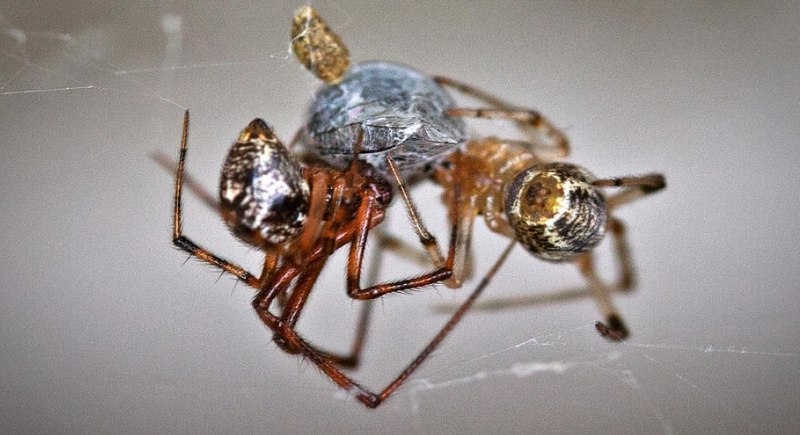
Credit: Wikimedia Commons
This spider is the most common indoor species in the United States and typically inhabits corners where walls meet ceilings. The body is small and brown, and the webs look messy because they are designed to trap wandering insects. Egg sacs often hang in the web, which explains why the same corner can stay occupied for months. Bites from this species are extremely rare and medically insignificant.
Cellar Spider
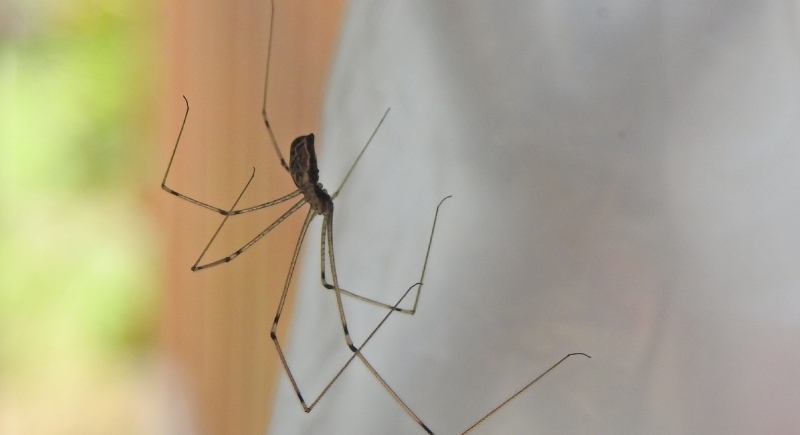
Credit: Getty Images
You can easily recognize this spider from its long legs and tiny body. You might come across this in basements and closets. Despite the nickname ‘daddy long legs’, this version is a true spider that builds loose webs in damp areas. The venom affects insects but has no meaningful impact on humans.
Wolf Spider
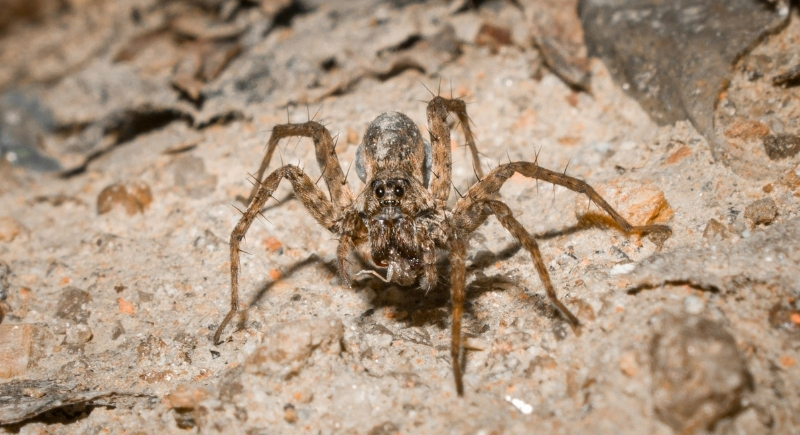
Credit: pexels
Wolf spiders sometimes surprise people with their fast speed. The body is large, hairy, and usually brown or gray with subtle markings. They enter homes while chasing prey, especially during cooler months. Bites are defensive and uncommon, and the species plays a strong role in reducing insect numbers.
Brown Recluse
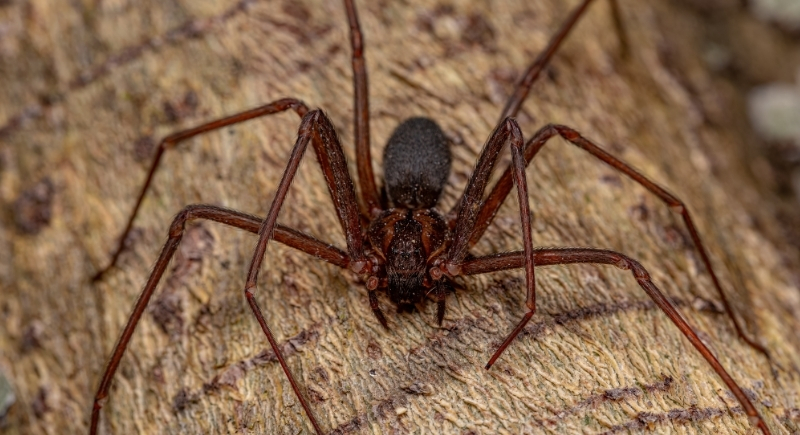
Credit: Canva
A violin-shaped marking on the back sets the brown recluse apart from many lookalikes. It prefers undisturbed spaces, such as closets and storage boxes. They also love shoes that sit unused. The venom can cause tissue damage in rare cases, which is why seeking medical attention is crucial if a bite occurs. Most interactions happen when the spider is accidentally pressed against skin.
Black Widow
Credit: Getty Images
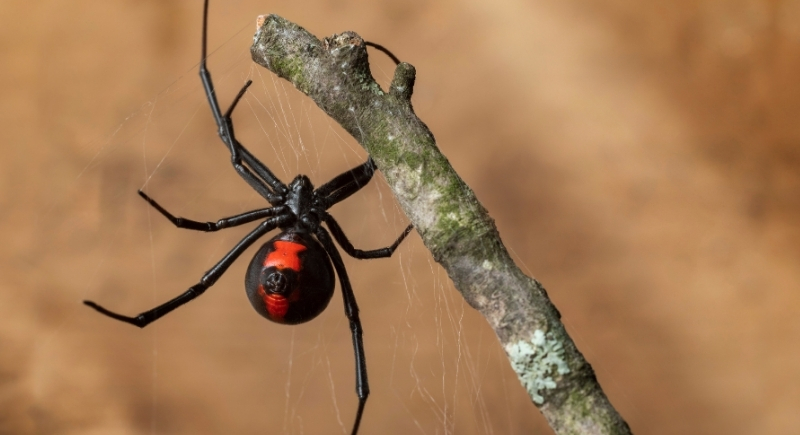
Its shiny black body and red hourglass marking are what the black widow is known for. Females are more often associated with medically significant bites, while males pose a lower risk. Black widows hide in dark, dry areas such as garages and outdoor storage spaces. Human bites are rare, but the venom can cause muscle pain and nausea.
Jumping Spider
Credit: Getty Images
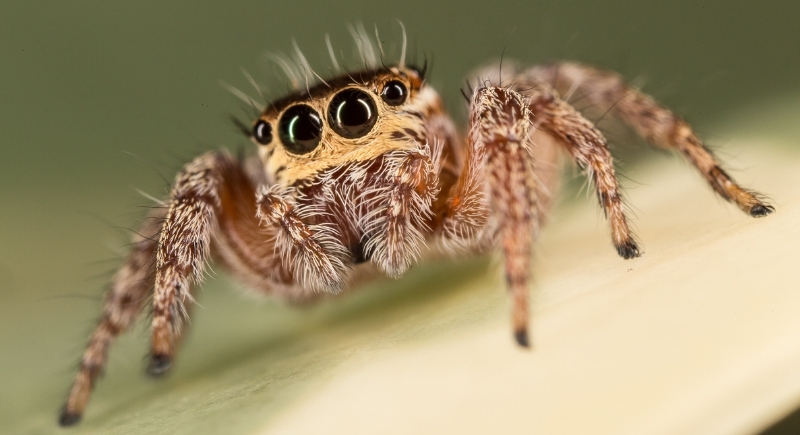
Large front-facing eyes give this spider excellent vision and a curious appearance. Instead of webs, it hunts during the day and stalks prey with short leaps. Jumping spiders often appear on windowsills or walls where insects gather. Bites are uncommon and mild because this species prefers retreat over confrontation.
Yellow Sac Spider
Credit: Getty Images
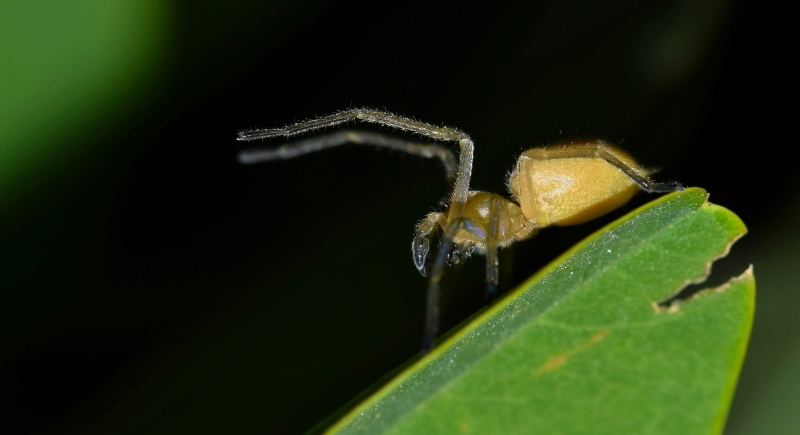
The yellow sac spider builds a small silk shelter that resembles a folded sac, typically near ceilings or corners. The pale yellow body makes it blend into the walls, which explains why people notice it at night. It actively hunts rather than waiting in a web. Bites are unusual but can cause localized irritation in some individuals.
Grass Spider
Credit: Wikimedia Commons
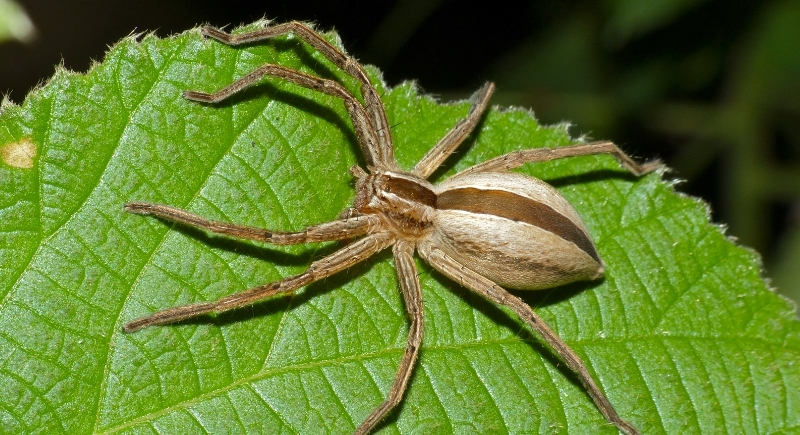
Outdoor foundations and window wells are favorite spots for the grass spider. Long spinnerets at the rear of the abdomen help distinguish it from similar brown spiders. The funnel-shaped web acts as a hiding place while this fast-moving species waits for vibrations. Bites have no known medical significance.
Hobo Spider
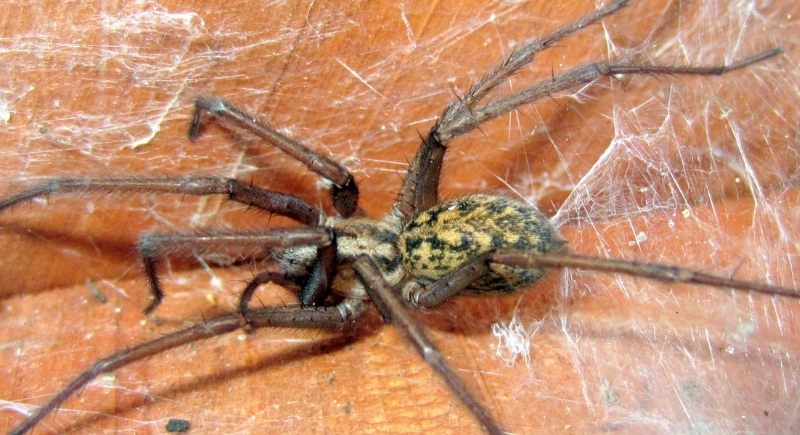
Credit: Getty Images
Hobo spiders resemble grass spiders but tend to wander indoors more often. The body is brown, with subtle patterning, and it has spiny legs. Bites can be painful and may cause swelling, though serious outcomes are uncommon. Early cleaning and basic wound care reduce the chance of complications.
Orb Weaver
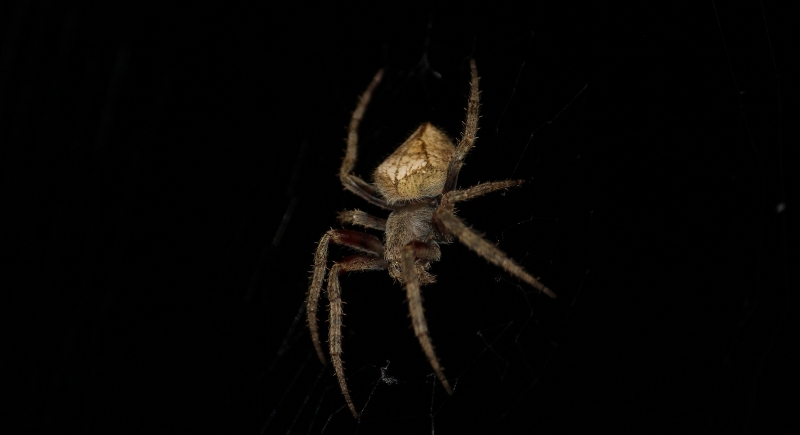
Credit: Getty Images
These spiders rebuild webs frequently because flying insects damage them. Body size varies widely across species, and colors often blend in with the surrounding tree bark. They rarely bite, and if they do, it’s usually mild, making them more impressive architects than threats.