10 Controversial Pet Trends That Are Borderline Unethical
Pets are everywhere online now, and that attention changes how people treat them. Trends meant for clicks can affect how animals are bred, what they are fed, and where they come from. Vets and animal welfare groups keep warning that some of these ideas cause real harm. Large online groups selling pets illegally only add to the problem. That context explains why the trends below raise ethical concerns.
Raw Food Diets
Credit: Getty Images
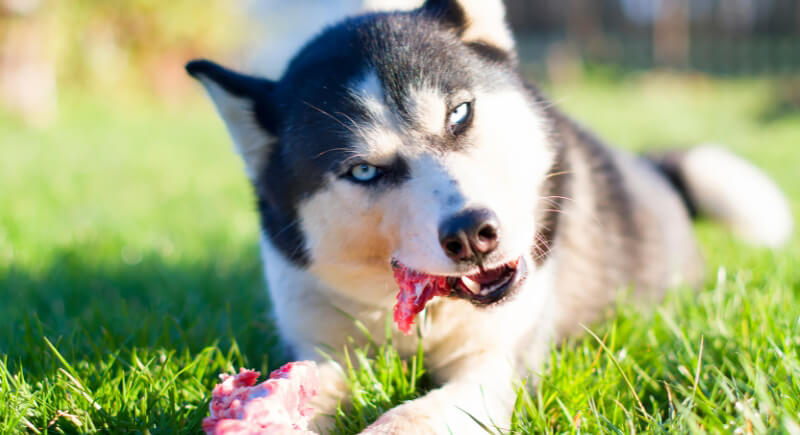
Many veterinarians warn that raw diets increase exposure to bacteria like Salmonella and E. coli. Whole bones can crack teeth or splinter inside the body, causing internal injuries. Handling raw food also puts people at risk during preparation and cleanup. Commercial cooked diets meet nutritional standards, avoid these bacterial concerns, and tend to support steadier digestion when balanced formulas are used consistently.
Grain-Free Diets
Credit: Reddit
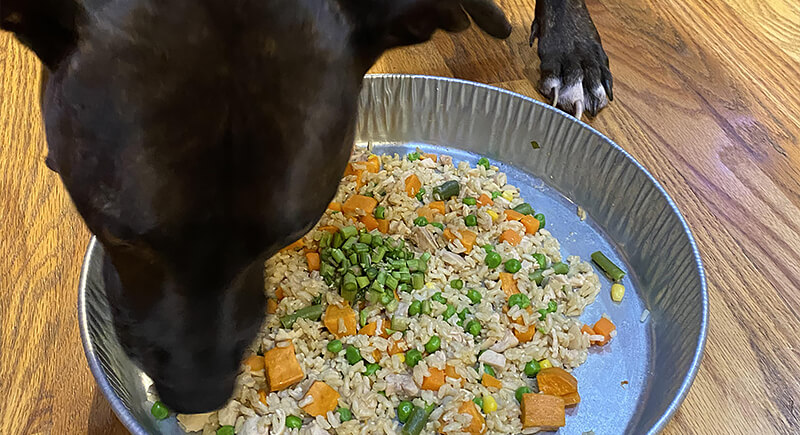
Grain-free diets surged after grains were labeled unnecessary fillers. Federal monitoring later linked some formulas to dilated cardiomyopathy, including in breeds without prior heart risk. Many products replace grains with legumes and potatoes, which have been associated with taurine deficiency. Veterinarians advise reviewing diets carefully before switching, especially for large dogs.
Essential Oil Pet Massage

Credit: pexels
Essential oils pose real risks when used on pets, even in settings that look relaxing on camera. Oils like tea tree and eucalyptus can irritate the airways, and diffusers trap vapors in enclosed rooms that pets cannot escape. Cats metabolize these oils poorly, increasing the risk of toxicity. Direct skin contact can also cause burns or neurological symptoms, especially with repeated exposure in small, poorly ventilated spaces.
Extreme Grooming and Dyeing
Credit: Facebook
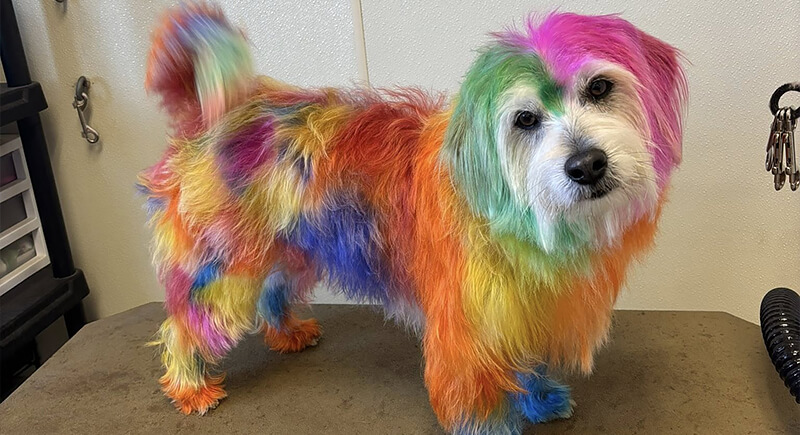
Many dyes irritate skin and strip natural oils. Also, extended grooming elevates stress hormones. It’s a must to know that dogs show discomfort through freezing or avoidance. Groomers warn that repeated cosmetic treatments can sour future brushing and bathing routines permanently for sensitive dogs with anxiety histories or prior trauma.
Pet Costume Craze
Credit: Canva
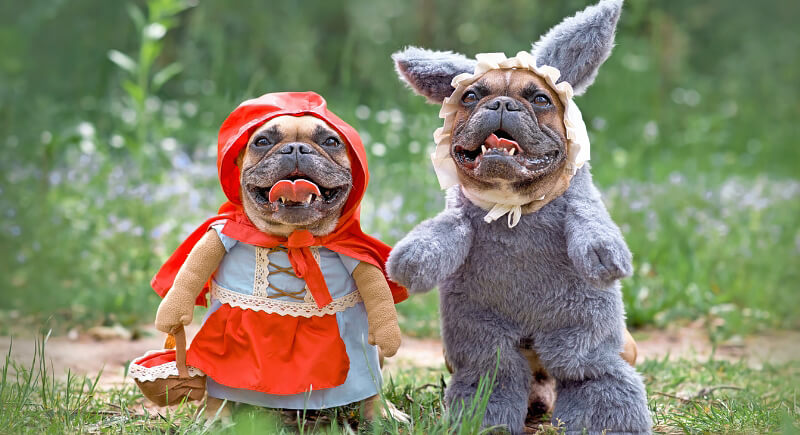
Pet costumes often restrict movement and press on the chest, which can cause stress or breathing issues. Thick fabrics trap heat and raise the risk of overheating indoors. Dogs often show discomfort by tucking their tails or licking their lips. Short wear times and quick removal help prevent panic, especially for senior or flat-faced breeds.
Designer Dog Breeds
Credit: Reddit
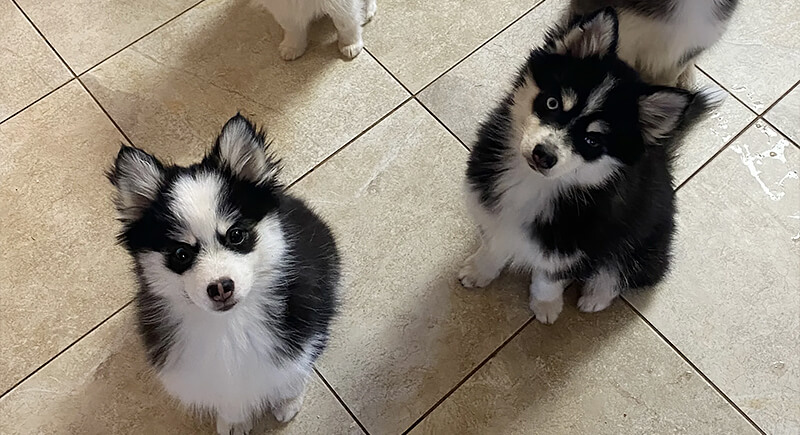
Designer mixes are often sold at high prices without consistent health testing or oversight. These crosses can inherit joint problems and breathing issues from both parent breeds. Premium pricing encourages volume breeding rather than care. Shelters report higher surrender rates when dogs do not match buyer expectations. Ethical breeding depends on transparency, health records, and long-term breeder responsibility.
Tiny or Teacup Dogs
Credit: Reddit
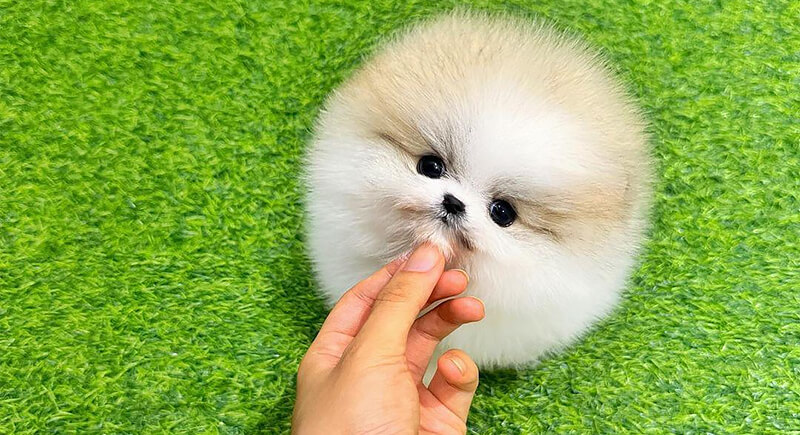
Extreme miniaturization leads to fragile bones, blood sugar crashes, and crowded organs that complicate surgery. Puppies are often sold too early to appear smaller, with health problems showing up later. The trend thrives online because tiny looks cute, not because it is safe. Responsible breeding favors stable sizes and proper weaning, with veterinary oversight to support healthy development.
Unnatural Coat Colors
Credit: Reddit
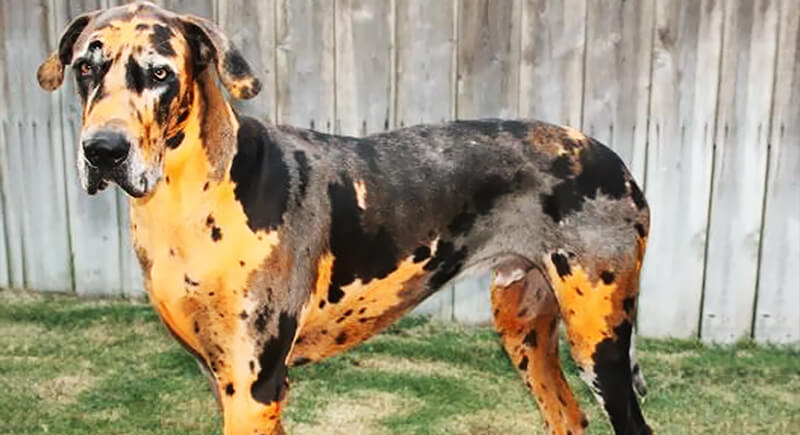
Ethical registries restrict color breeding to protect long-term canine welfare through rules and enforcement across kennel organizations worldwide today. And yet, rare coat colors drive clicks and comments, leading to inflated prices. Producing unusual pigmentation often relies on close breeding. Merle and dilute genes link to deafness and skin disease, while color offers no function. Health screening lowers risk but is frequently skipped.
Short-Muzzled Dogs

Credit: Getty Images
Short muzzles look cute, but they restrict airflow even during normal play. Heat tolerance declines rapidly, and dental crowding often leads to ongoing pain. Many dogs need surgery just to breathe comfortably. Some airlines now restrict these breeds after in-flight deaths. For many owners, daily life becomes a constant cycle of vet visits and rising medical costs.
Dogs Sold Online as Content

Credit: Canva
Despite platform bans, investigations continue to find dogs sold openly in large social media groups. Listings include puppies sold too young, physical alterations, and exaggerated traits. Some public groups reached hundreds of thousands of members, while private groups are likely to grow further. Demand driven by viral visuals keeps illegal puppy sales active across borders, while enforcement and reporting remain inconsistent.