Don’t Give Up Your Dog: What to Do if You Suddenly Develop an Allergy to Your Pet
It’s jarring to wake up covered in hives or fighting sneezes after years of never thinking twice about your dog. Allergies don’t always show up early; they can slip into your life without warning. The shift feels unfair, but it doesn’t have to end with giving up your pet. There are practical steps that ease symptoms and let you keep the bond intact. This guide lays out approaches that hold up in real life.
Get Tested to Confirm It’s the Dog

Credit: Canva
Before giving your pup the side-eye, check if they’re really the issue. Allergists can run skin or blood tests to confirm whether your symptoms are triggered by pet proteins or something else, like pollen or dust mites. Once you know what you’re reacting to, you can get a real plan going.
Close the Bedroom Door for Good

Credit: Canva
Allergens don’t just hang out in the air. They settle into the carpet and sneak onto your pillow. Keeping pets out of the bedroom cuts overnight exposure dramatically. Sleep is when your body restores itself, and waking up with itchy eyes or congestion doesn’t help.
Change What You Can, Not Who You Love
Credit: Getty Images
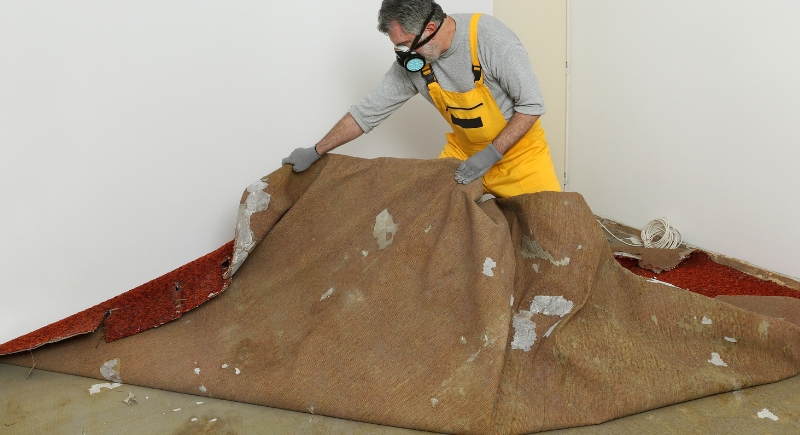
Start by swapping out the soft surfaces that trap dander. Replace carpet with hard floors, if that’s realistic. Use slipcovers or throw blankets on furniture and wash them regularly. If significant changes aren’t possible, even small ones—like switching to blinds instead of curtains—reduce allergen buildup.
Try Weekly Baths, but Skip the Scented Shampoo

Credit: Getty Images
Weekly baths help rinse away dander and allergens, but skip the perfumed shampoos. Go for gentle, dog-safe formulas and don’t go overboard, as too much bathing dries out their skin, which can actually lead to more flaking. A groomer can assist if you can’t face it.
Consider an Air Purifier That Actually Works
Credit: pixelshot
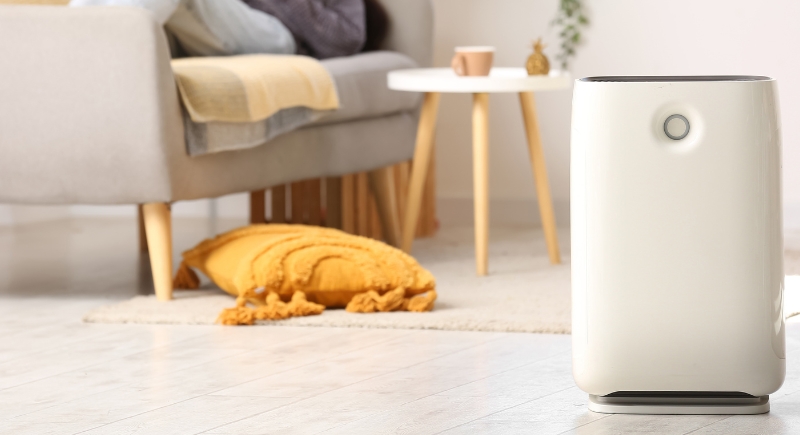
A basic fan with a filter isn’t going to cut it. You want one with a true HEPA filter, ideally certified by the Asthma and Allergy Foundation of America. Let it run daily in the rooms where you spend the most time. Think of it as your behind-the-scenes cleanup crew.
Wash Your Hands Like You Mean It
Credit: 89stocker
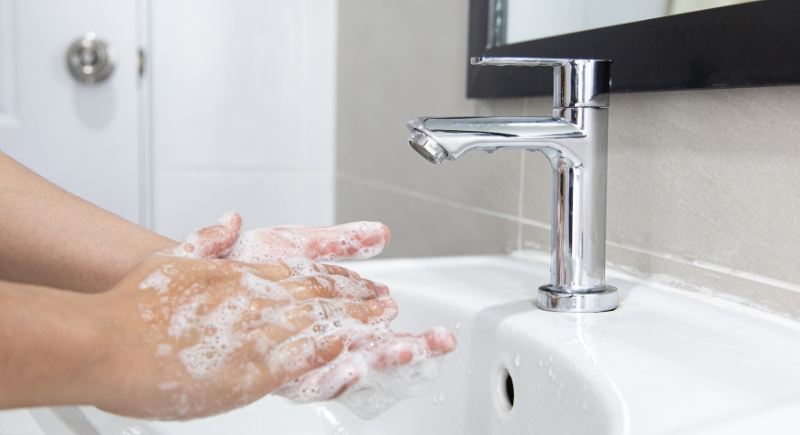
Petting the dog and then rubbing your eyes is a fast way to trigger a reaction. Washing your hands after handling your dog helps break that cycle. It’s a low-effort habit with a surprisingly big payoff. Keep unscented wipes near high-traffic spots for quick clean-ups.
Vacuum Smarter, Not Just More Often
Credit: Getty Images
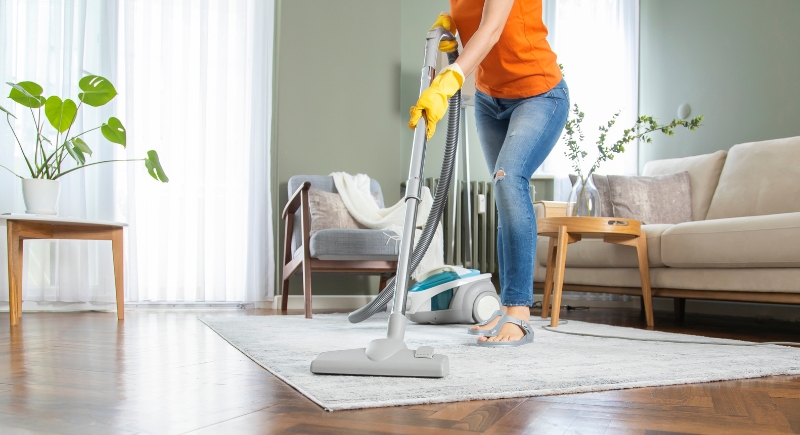
Vacuuming helps, unless your machine just shoots allergens right back into the room. Look for vacuums with sealed HEPA filtration and don’t rush the job. Go slow, and focus on areas where fur loves to hide: under furniture, couch cushions, and corners that somehow always collect fluff.
Switch Up the Dog’s Diet

Credit: Getty Images
Some research points to diet affecting how much dander a dog produces. It’s not magic, but some owners do notice milder reactions. Just make any food change gradually and under vet supervision. Bonus: it might help with your dog’s coat and skin, too.
Try Allergy Meds That Aren’t Stuck in the ‘90s
Credit: pexels
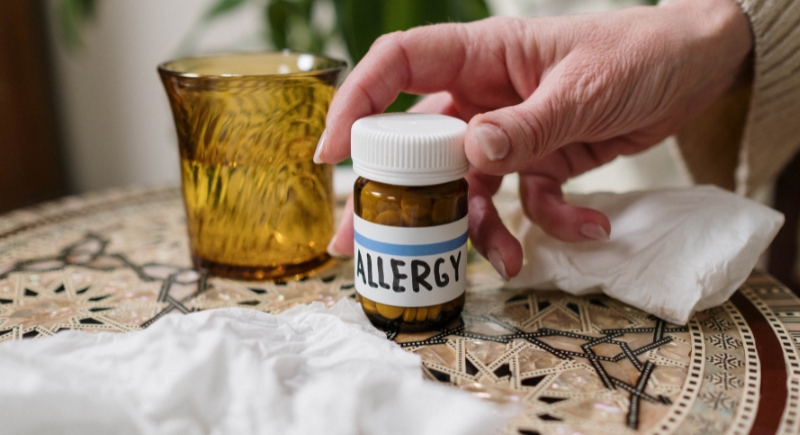
Old-school antihistamines might knock out the sneeze and your ability to focus. Newer options like cetirizine and loratadine are longer-lasting and less drowsy. Nasal sprays with corticosteroids tackle inflammation right at the source. Ask your doctor what combination works best based on your symptoms and lifestyle.
Put the Pet on a Furniture Ban

Credit: pixelshot
It sounds harsh, but keeping dogs off couches and beds reduces the amount of dander that spreads around the house. Training them to stick to their own bed or mat helps keep the fur manageable. Use washable covers and toss them in hot water once a week.
Don’t Skip the Allergy Appointment

Credit: Studio Roman
A board-certified allergist can help you get past the guesswork. Beyond tests, they can tailor a plan that may include immunotherapy—either shots or under-the-tongue tablets—to help reduce your reactions over time. Personalized treatment can mean the difference between a daily struggle and manageable symptoms.