Could Pet Ozempic Drugs Help Your Pet Lose Weight?
Pet owners get told the same thing when their dog or cat gains too much weight. It’s usually advice on smaller portions, fewer treats, and more activity. It sounds simple, but anyone who has actually tried to slim down a pet knows how hard it can be.
Now veterinary medicine and pet households are contemplating if the same weight-loss drugs transforming human obesity care also help pets?
The short answer is maybe. The longer answer is more complicated.
Why Pet Obesity Has Become A Real Health Crisis
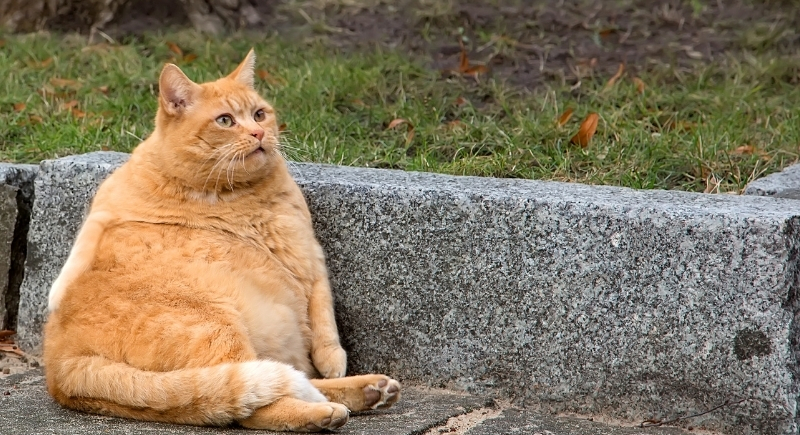
Image via Canva/Johan111
Pet obesity is no longer a fringe issue. Recent estimates suggest that close to 60 percent of cats and dogs in the United States are overweight or obese. That extra weight in pets raises the risk of arthritis, joint strain, heart disease, diabetes, high blood pressure, and even certain cancers. It can also shorten lifespan.
Cats face particular challenges. Indoor lifestyles, free-feeding, and limited activity can lead many cats to gain weight quietly over time. Once obesity sets in, weight loss can be slow and frustrating, even with careful feeding plans.
When people talk about “pet Ozempic,” they are not referring to the exact same drugs sold to humans. They are talking about a class of medications known as GLP-1 drugs. In humans, these drugs mimic a natural hormone that slows digestion, increases insulin release, and reduces appetite. The result is feeling full sooner and eating less.
Researchers have found that this same biological pathway exists in animals. That discovery opened the door to studying whether GLP-1 drugs could help pets lose weight safely.
The Studies That Sparked The Conversation
One of the most closely watched efforts is a University of Florida–led study involving obese cats. Instead of weekly injections, researchers are testing small under-the-skin implants that release a GLP-1 drug gradually over six months. About 50 cats are enrolled, and early observations suggest meaningful weight loss without constant dosing.
Biotechnology companies are also moving quickly. Several are developing pet-specific formulations designed to be easier to administer and cheaper than human versions. Results from larger trials are expected over the next year, with potential regulatory applications to follow if the data holds up.
Cats are often the starting point for these drugs for a few reasons. Obesity dramatically increases the risk of diabetes in cats, and diabetic cats typically require insulin injections twice a day. Treatment is expensive, time-consuming, and stressful for both pets and owners.
If a GLP-1 drug could help obese cats lose weight earlier, it might prevent diabetes altogether or even push some diabetic cats into remission.
What Veterinarians Are Saying So Far
Most veterinarians agree on one thing: these drugs are not a shortcut. Weight-loss medications would be tools, not replacements for responsible feeding and care.
Some vets already use human GLP-1 drugs off-label for diabetic cats, though this is rare and costly. Others see promise, especially for complex cases like multi-cat households where monitoring individual food intake is difficult.
At the same time, there is caution. Appetite suppression changes how pets interact with food, which many owners associate with happiness and bonding. A pet that no longer races to the bowl can feel unsettling, even if the animal is healthier.
Cost, Access, And Reality Checks
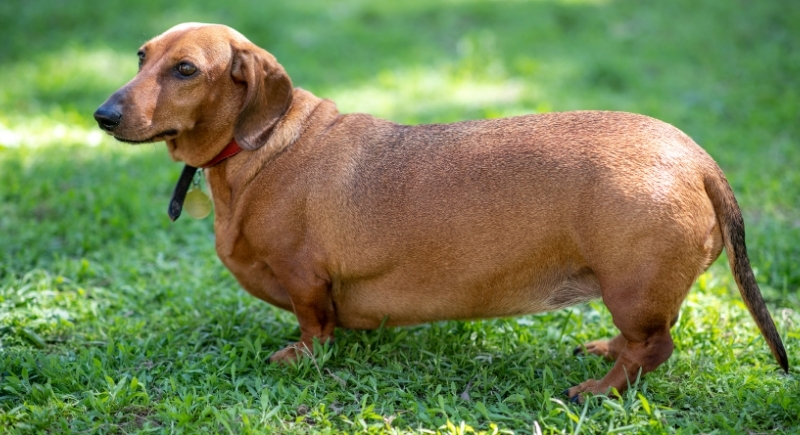
Image via Getty Images/Dmitry Kuznetsov
Price may become one of the biggest barriers. Developers hope to keep pet versions under $100 per month, but even that is out of reach for many households. Insurance coverage is uncertain, and widespread availability is still years away.
There is also history to consider. A dog weight-loss drug approved in the early 2000s worked by reducing appetite but failed commercially. Many owners did not view pet obesity as a medical condition worth treating.
So far, smaller studies suggest that side effects in pets resemble those seen in humans, including nausea or vomiting in some cases. Larger trials are still needed to understand long-term safety, ideal dosing, and which pets are good candidates.
Veterinary experts stress that these drugs should never be used without professional supervision. Pets are not small humans, and dosing mistakes can be dangerous.
So, Could They Help Your Pet Lose Weight?
Potentially, yes. GLP-1 drugs may eventually offer a new option for pets who struggle to lose weight despite careful feeding and veterinary guidance. They could be especially helpful for cats at risk of diabetes or pets with mobility issues that limit exercise.
But they are not a miracle fix. Even if approved, they will work best alongside measured meals, thoughtful treat habits, and regular veterinary care. It remains a developing idea and the research continues.