Animals With Powers Better Than the Avengers
We love watching superheroes throw hammers and fly through explosions, but some real animals can do things that honestly feel even more unreal. Evolution spent millions of years refining senses, speed, strength, and survival tricks that scientists can actually measure in labs and document in the wild. When you look at the research, it starts to feel like nature built its own version of The Avengers, and it didn’t need special effects to do so.
Dog

Credit: Canva
A dog experiences the world primarily through scent. With up to 300 million olfactory receptors compared to about 5 to 6 million in humans, smell shapes how they interpret their surroundings. The part of the brain that processes odors is proportionally about 40 times larger than ours. This sensitivity allows trained dogs to follow trails that are days old and detect certain substances at concentrations as low as parts per trillion.
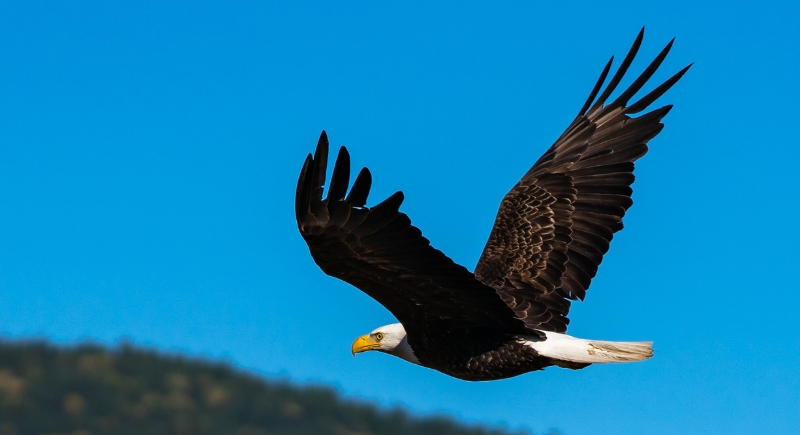
Eagle
Credit: Getty Images
An eagle can spot movement from nearly 3 kilometers away that would look invisible to us. Many species have visual acuity close to 20/5, far sharper than average human 20/20 vision. Some even have two foveae in each eye, which improves focus and motion tracking. That visual precision supports high-speed hunting dives that can exceed 100 miles per hour.
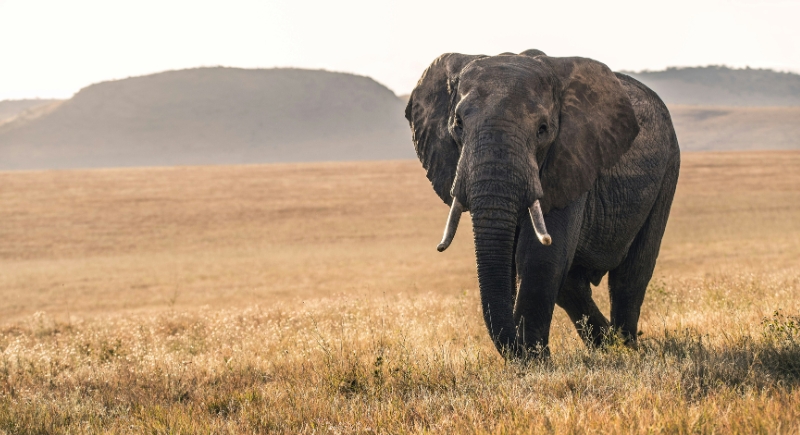
Elephant
Credit: pixabay
Elephants produce low-frequency calls between about 1 and 20 Hz, and those vibrations can travel up to 10 kilometers under favorable conditions. Specialized receptors in their feet detect seismic signals through the ground. Meanwhile, a trunk made up of roughly 40,000 muscles handles everything from lifting 600 pounds to grasping small objects.
Bumblebee

Credit: pexels
Static electricity shapes how a bumblebee feeds. Air friction gives the bee a positive charge, while many flowers carry a slight negative charge. The difference pulls pollen onto the bee’s body. A 2013 study found that bees detect shifts in a flower’s electric field after pollen is removed, which helps them choose flowers with more nectar.
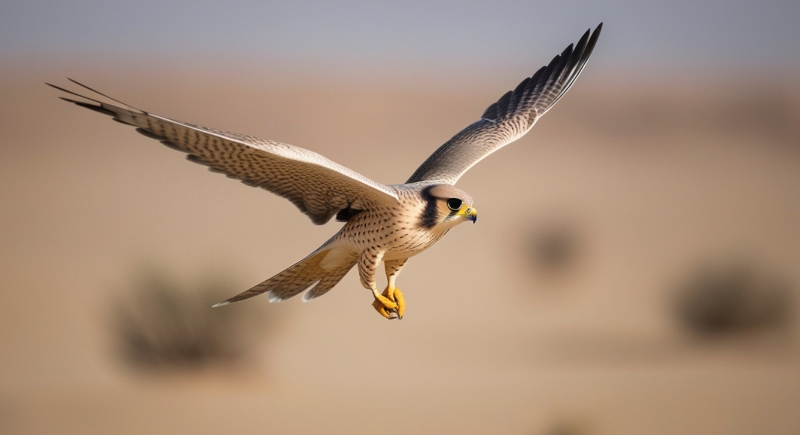
Peregrine Falcon
Credit: Canva
The fastest speed recorded in the animal kingdom comes from the sky. During a hunting dive known as a stoop, the peregrine falcon has reached 242 miles per hour. It tucks its wings into a tight shape to reduce drag, and specialized structures in its nostrils control airflow at high velocity. In level flight, it can still reach about 55 miles per hour.
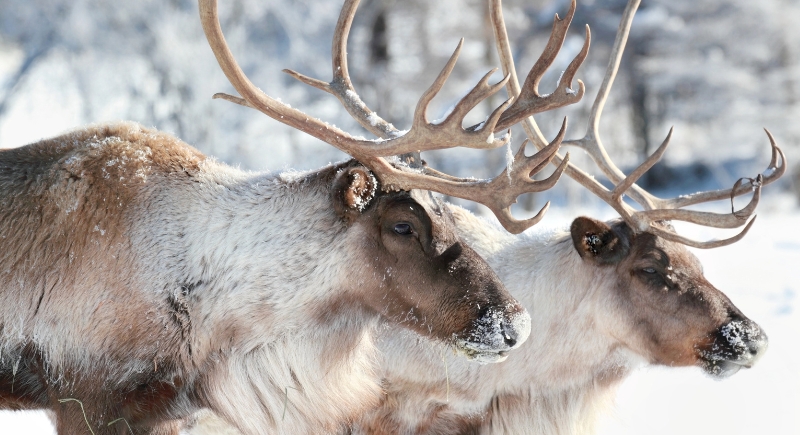
Reindeer
Credit: Getty Images
Winter in the Arctic creates a landscape dominated by snow and low light. Reindeer adapt to this environment by transmitting ultraviolet light through their eyes, a range most mammals cannot see. Snow reflects UV strongly, while lichens absorb it, making food sources stand out clearly. Predator fur also absorbs ultraviolet, increasing contrast and improving detection during long winter months.
Lyrebird
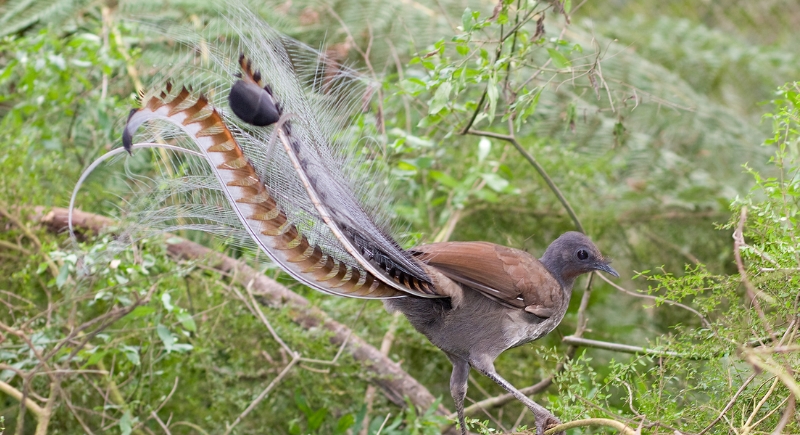
Credit: Wikimedia Commons
In certain Australian forests, the soundscape includes more than natural calls. The lyrebird is famous for mimicking chainsaws, camera shutters, car alarms, and other environmental noises. Males use these imitations during courtship displays. Their syrinx allows fine control over pitch and rhythm, and field recordings confirm that the accuracy can convincingly replicate both mechanical and animal sounds.
Cuttlefish
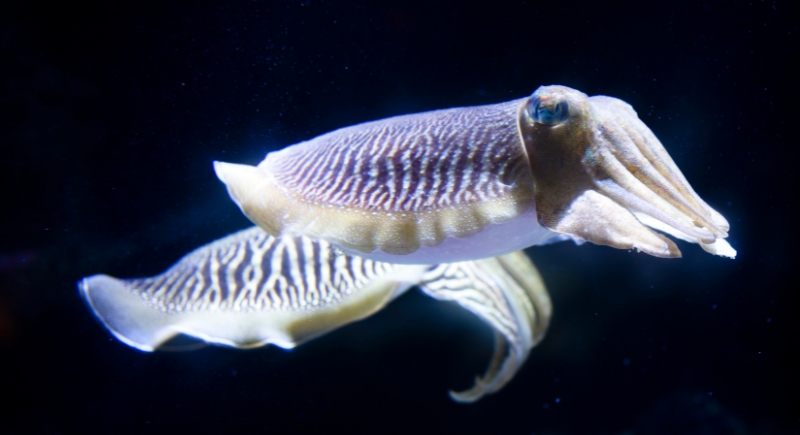
Credit: Getty Images
Beneath the ocean surface, camouflage can change in under a second. Cuttlefish skin contains chromatophores that expand to reveal pigment, layered with iridophores and leucophores that reflect and scatter light. Neural control coordinates rapid color shifts, while muscle fibers adjust skin texture to resemble rocks or coral. Although colorblind, cuttlefish can detect polarized light, which improves contrast in murky water.
Sea Cucumber
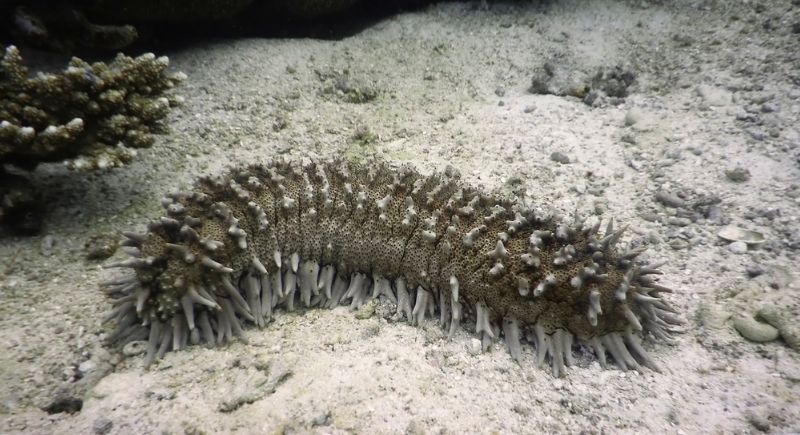
Credit: Getty Images
Certain sea cucumber species respond to threats by ejecting internal organs in a process known as evisceration. Sticky Cuverian tubules can entangle predators and release toxins such as saponins. Over several weeks, the expelled organs regenerate through tissue rebuilding, restoring normal function and allowing the animal to survive repeated encounters.
Pit Viper
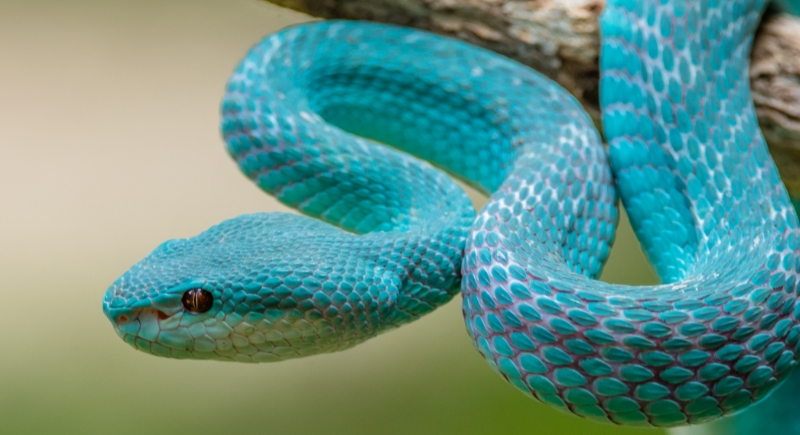
Credit: Getty Images
Heat, rather than sight alone, guides some nighttime hunters. Pit vipers possess specialized facial pits that detect infrared radiation from warm-blooded prey. These organs can register temperature differences as small as 0.003°C. The thermal information integrates with visual input in the brain, forming a detailed heat map that enables precise strikes even in total darkness.