Reasons Why Crows Are Smarter Than Your Toddler
Crows have a reputation for being clever, but many people don’t realize just how smart they truly are. Without speaking a word, crows have shown that they can solve problems, plan ahead, and even recognize faces.
Some researchers now believe their intelligence rivals that of a five-year-old child. If you’ve ever thought of crows as just noisy birds in parking lots, it might be time to reconsider what’s going on in their heads.
They Understand Cause and Effect Earlier Than Kids Do
Credit: pixabay
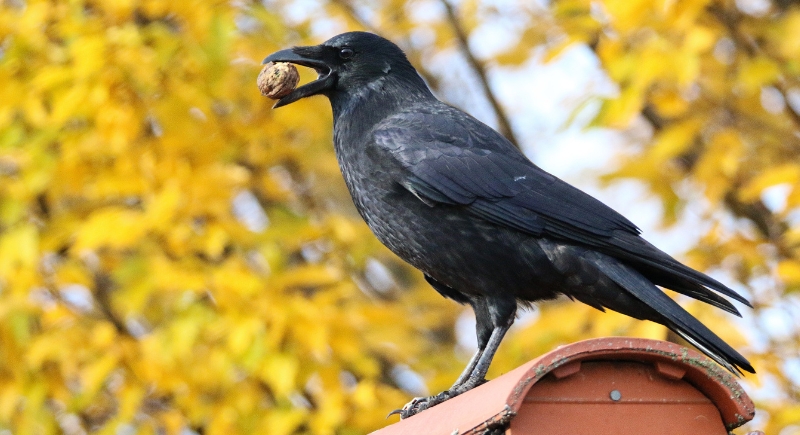
In tests that mimic Aesop’s fable, crows dropped stones into tubes to raise the water level and grab floating food. They ignored useless materials and made decisions based on density and size. Human children typically don’t grasp this type of physical logic until around age five or older.
They Make and Customize Tools From Scratch
Credit: Getty Images
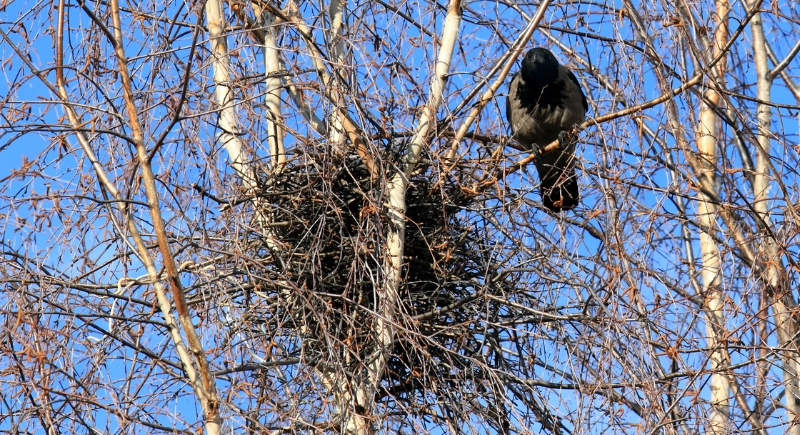
Toddlers might use spoons or blocks, but crafting a brand-new tool for a novel problem is far more advanced. That’s where crows would surprise you. These birds are capable of using and creating tools. In studies, they bent wire into hooks to retrieve food, without being shown how. Wild crows also sharpen twigs into spears.
They Recognize Human Faces, Even in Disguise

Credit: pexels
Unlike toddlers, who struggle to recognize faces, especially when they are in costumes, crows remember the faces of people who have captured or threatened them, even when those individuals wear masks. Years later, they continue to harass individuals wearing the same face covering.
They Pass Down Grudges to Their Offspring
Credit: Canva
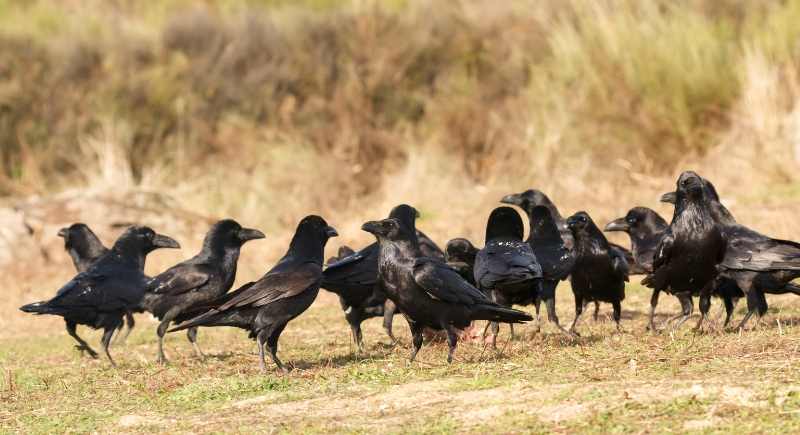
Crows not only remember people, but they also warn future generations. Scientists found that crows taught their young to identify and mob researchers they had never personally encountered. Toddlers can remember a bad experience, but passing that memory along like a family heirloom is a different level of cognitive transmission.
They Plan Deceptive Moves Based on Who’s Watching

Credit: pexels
When hiding food, a crow checks its surroundings. If it’s being watched, it may fake a hiding spot, tucking food under its feathers before flying off to a real one. This kind of intentional misdirection, based on social observation, doesn’t appear in kids until much later.
They Learn by Watching and Applying, Not Just Imitating
Credit: Getty Images
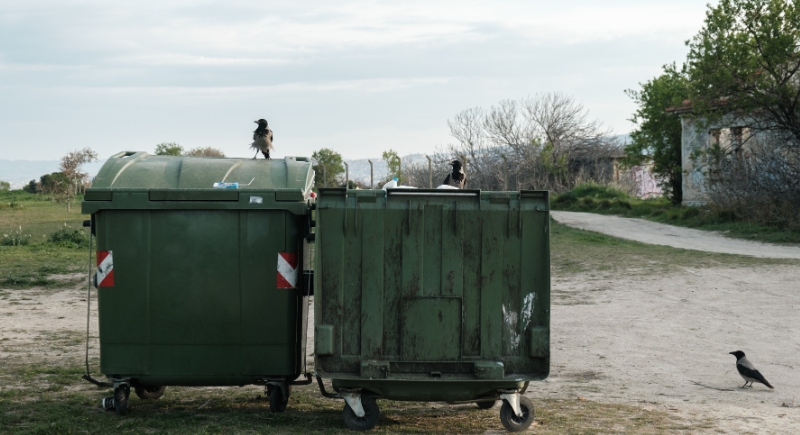
Urban crows have learned to drop nuts in traffic and wait for green lights before retrieving them. Others memorize schedules for garbage pickup or restaurant hours to maximize scavenging. They’re always watching patterns, drawing conclusions, and timing their moves.
They Grasp Abstract Relationships Instantly

Credit: Aflo Images
In analogical reasoning tests, crows matched items based on abstract relationships like “same shape” or “same number” without being trained on the concepts. Toddlers generally require repeated exposure to grasp the idea of “same versus different.”