10 Human Foods That Are Secretly Dangerous for Dogs and Cats
Dogs and cats metabolize food very differently from humans. What may be harmless on your plate can overwhelm their organs, disrupt their blood chemistry, or trigger a medical emergency within hours. Most pet owners already know chocolate is off-limits. Fewer realize that everyday pantry staples, holiday leftovers, and even sugar-free snacks can be just as dangerous.
Chocolate
Credit: Canva
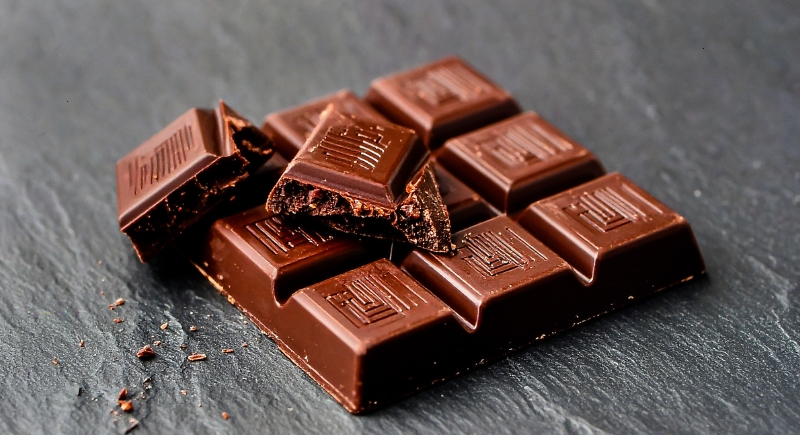
The darker the chocolate, the higher the concentration of theobromine, a stimulant that dogs and cats cannot process efficiently. Baking chocolate poses the greatest risk.
Toxicity depends on the animal’s size and the amount consumed. Early signs often include restlessness, vomiting, diarrhea, and increased thirst. As levels rise, heart rate can spike, tremors can develop, and seizures may follow. Severe cases can become life-threatening, particularly in small dogs who ingest concentrated forms.
Xylitol
Credit: Getty Images
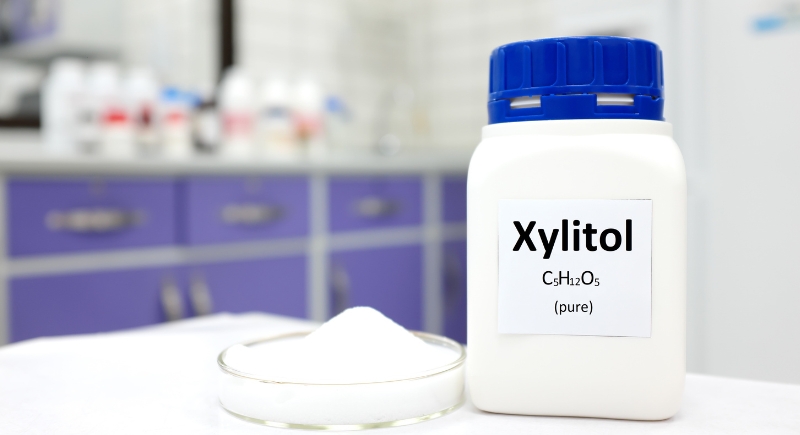
Xylitol is a sugar substitute found in gum, candy, baked goods, peanut butter, toothpaste, and many “diet” products. In dogs, especially, even small amounts can trigger a rapid insulin release.
That sudden insulin surge drives blood sugar dangerously low, leading to vomiting, lethargy, loss of coordination, and collapse. Liver failure can develop if it gets serious. What makes xylitol particularly hazardous is how quickly symptoms appear, often within 30 minutes.
Grapes and Raisins
Credit: Canva
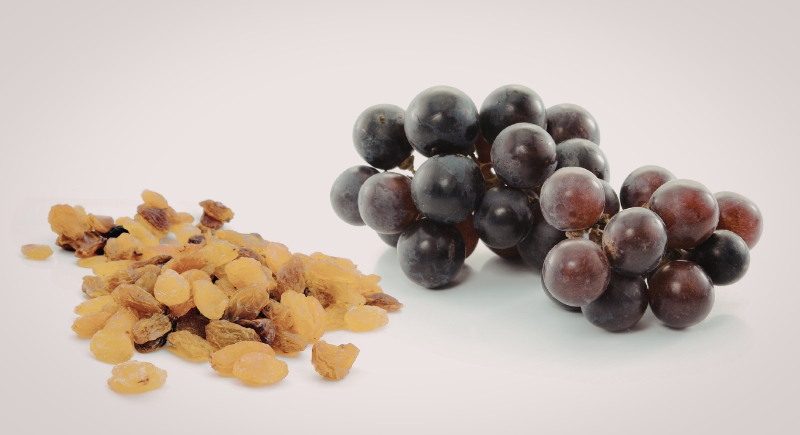
The exact toxic compound in grapes and raisins remains unknown, yet the consequences are well documented. In dogs, ingestion can lead to acute kidney failure.
Not every animal reacts the same way, but because there is no safe threshold established, even small amounts are considered risky. Early signs may include vomiting and lethargy, followed by decreased urination as kidney function declines.
Onions, Garlic, and Chives
Credit: pexels
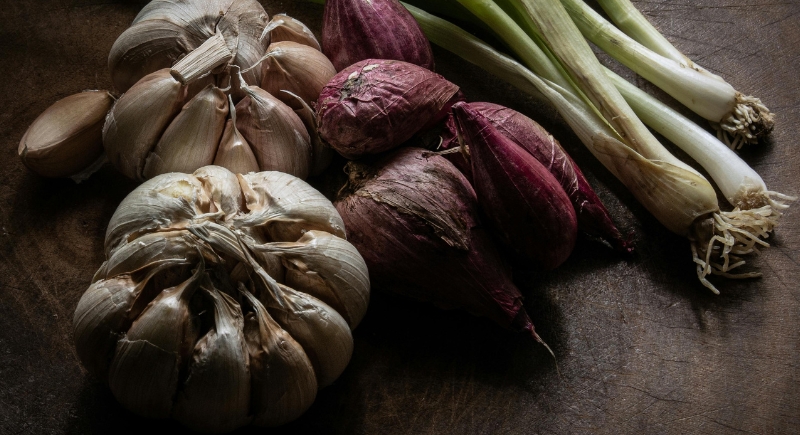
These ingredients, common in cooked meals and seasonings, contain compounds that damage red blood cells. That damage can result in a form of anemia.
Symptoms may not appear immediately. Over time, affected animals can develop weakness, pale gums, rapid breathing, and gastrointestinal upset. Garlic and chives contain the same harmful substances as onions, typically in higher concentrations.
Alcohol
Credit: Getty Images
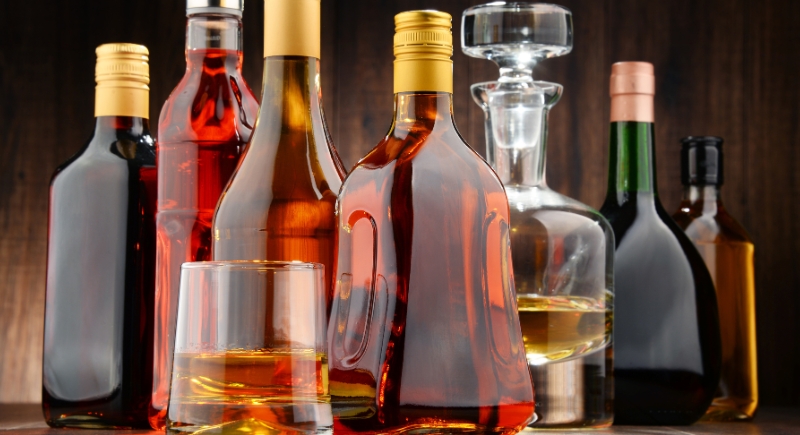
Alcohol affects pets in much the same way it affects humans, but it takes far less to cause serious harm. Even small amounts can lead to intoxication.
Higher exposures may result in gastrointestinal irritation, slowed breathing, loss of coordination, and in extreme cases, coma or death. Fermented foods and desserts soaked in alcohol carry the same risks as drinks left within reach.
Yeast Dough

Credit: Canva
Uncooked dough may seem harmless, but yeast continues to rise inside the warm environment of a dog or cat’s stomach. As the dough expands, gas builds up, stretching the stomach painfully.
In severe cases, that expansion can cause rupture or dangerous twisting of the stomach. As yeast ferments, it also produces alcohol, compounding the risk with potential alcohol toxicity.
Fat Trimmings and Greasy Leftovers
Credit: iStockphoto
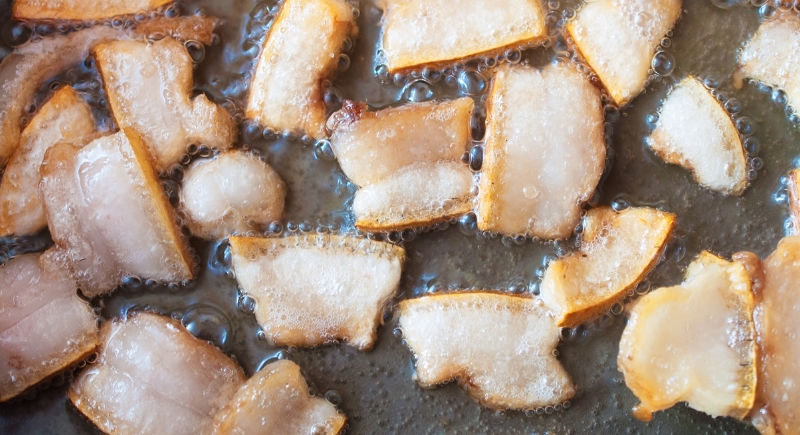
Cooked or raw fat scraps often make their way into pet bowls after family meals. While animals may eagerly consume them, high-fat foods can inflame the pancreas.
Pancreatitis is a painful condition that can cause vomiting, diarrhea, abdominal pain, and dehydration. In severe cases, hospitalization is required. What looks like a generous treat can quickly become a medical crisis.
Cooked Bones
Credit: Getty Images
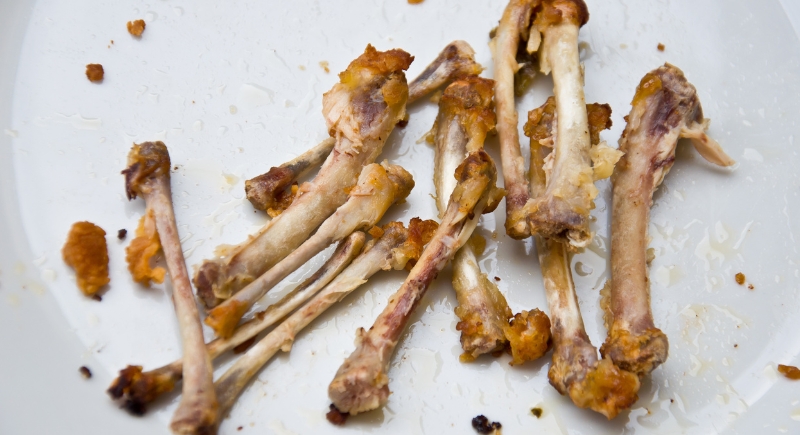
Many people associate bones with dogs, yet cooked bones are particularly hazardous. Cooking makes bones brittle, increasing the likelihood that they splinter.
Sharp fragments can lodge in the throat, puncture the digestive tract, or cause intestinal obstruction. These injuries often require emergency surgery. Raw bones carry their own risks, but cooked bones are especially prone to dangerous breakage.
Caffeine

Credit: pixabay
Coffee, tea, energy drinks, and certain supplements all contain caffeine, another stimulant that pets struggle to metabolize.
Symptoms of caffeine poisoning resemble those of chocolate toxicity: restlessness, rapid breathing, heart palpitations, and muscle tremors. In high enough doses, caffeine can be fatal. There is no specific antidote, so supportive veterinary care is essential.
Salt
Credit: Canva
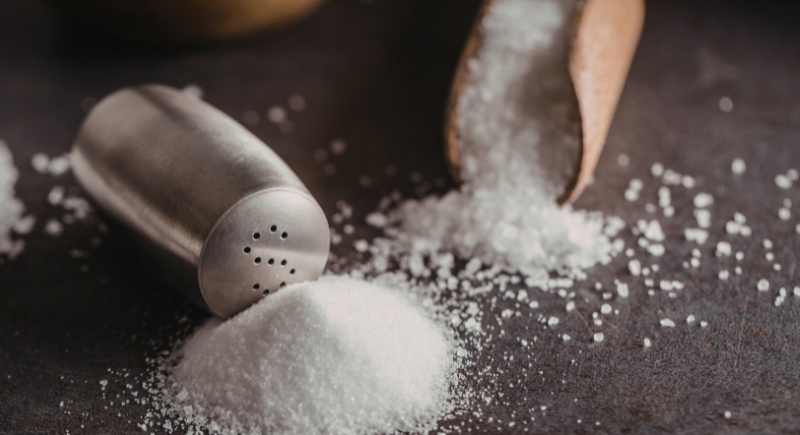
Large amounts of salt can overwhelm a pet’s system. Excess sodium may cause extreme thirst and frequent urination at first.
If levels rise further, signs can escalate to depression, tremors, elevated body temperature, and seizures. Salty snacks, heavily seasoned leftovers, and even homemade play-dough have been sources of sodium poisoning in pets.