10 Dogs That Might Be Too Much Work for Older Owners
Finding a dog that fits well with an older lifestyle involves coming to terms with daily reality. Energy levels, health needs, grooming, and training demands all matter once the honeymoon phase wears off. The breeds listed in this article can be wonderful companions in active households, but they often require more effort than many older owners can give.
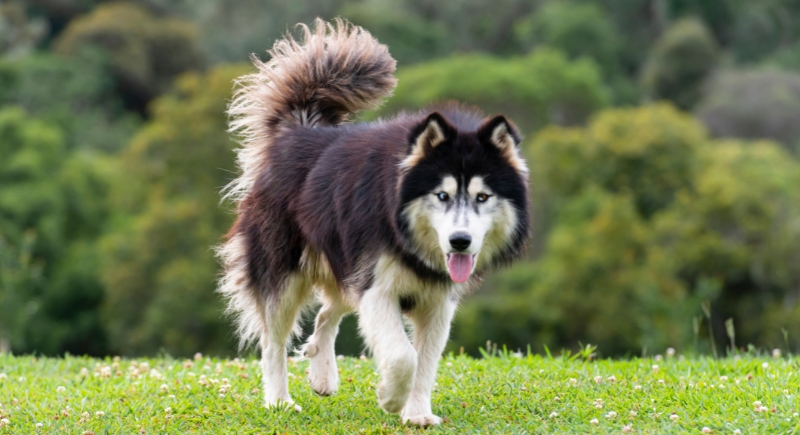
Siberian Husky
Credit: Getty Images
Life with a Siberian Husky revolves around movement, as they need long walks and regular outdoor time, along with mental challenges every single day. Skipping exercise often leads to escape attempts or destroyed yards. Heavy shedding never really stops, and training can feel frustrating since independence comes naturally to this breed.
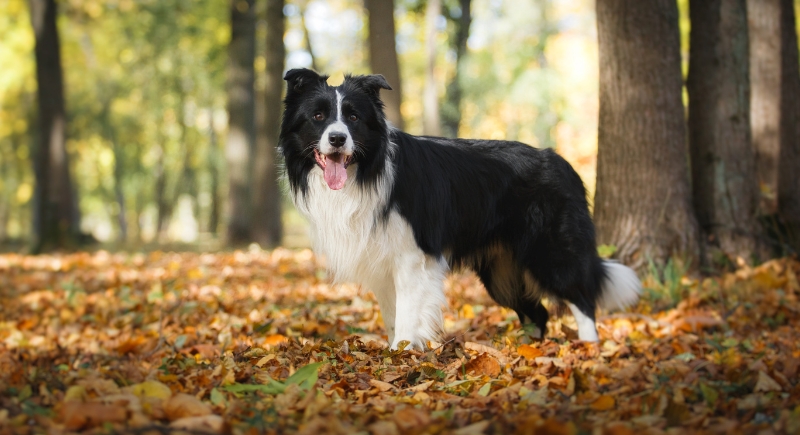
Border Collie
Credit: Getty Images
This is the pooch that gets bored before breakfast. Border Collies crave constant mental engagement, whether that means puzzles or intense tasks and activity. Without daily challenges, they invent their own entertainment, which often includes chewing furniture or herding people around the house. Grooming and shedding add another layer of upkeep.
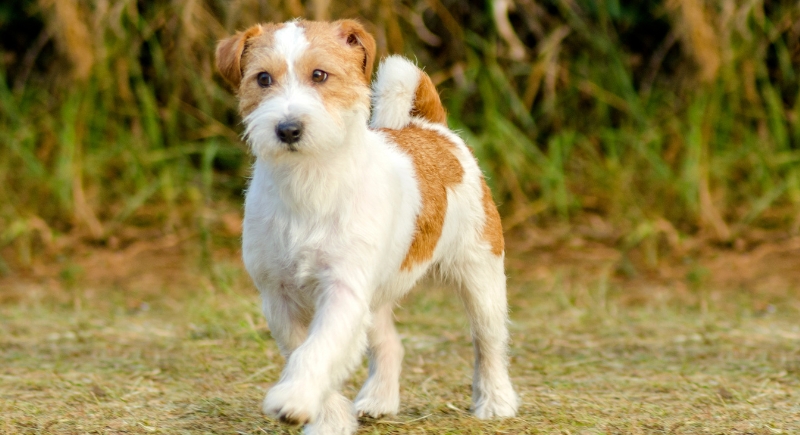
Jack Russell Terrier
Credit: Getty Images
Don’t let the size fool anyone, because Jack Russells bring endless energy into any room they enter. Digging, barking, and chasing moving objects are daily habits. Training takes patience and consistency, and skipping structure can quickly turn this little dog into a very loud boss.
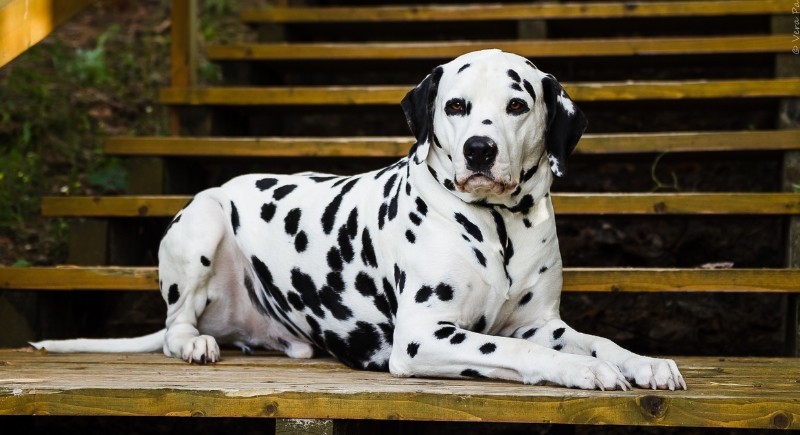
Dalmatian
Credit: Getty Images
Dalmatians look calm in photos, but in daily life, they need serious exercise to stay relaxed indoors. Without it, anxiety and destructive behavior can show up fast. Shedding happens year-round, and training often takes extra effort due to a stubborn streak.
Labrador Retriever
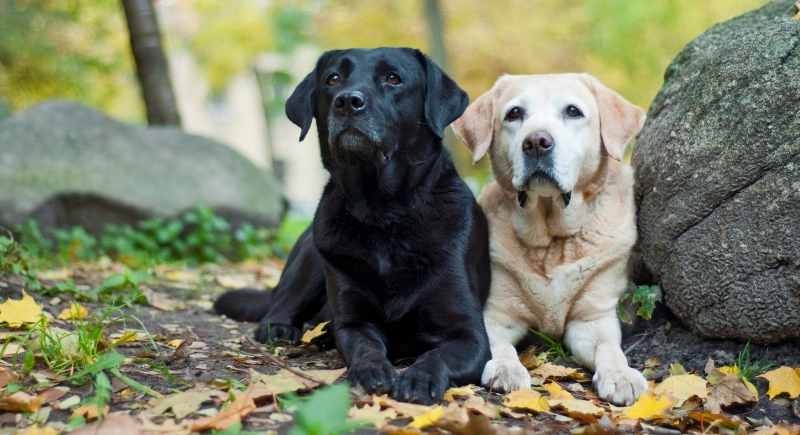
Credit: Getty Images
There’s no denying that labs are friendly and affectionate, but they stay energetic well into adulthood. Daily walks are only the beginning for this pooch. Without enough activity, weight gain and restless behavior become common. Shedding is constant, which means regular cleaning and brushing are part of the deal.
Akita
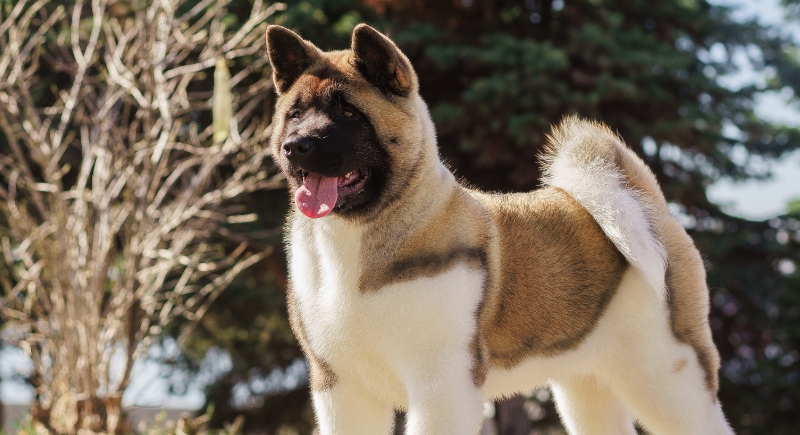
Credit: Getty Images
Akitas are powerful dogs with a strong sense of independence. They require confident handling and clear boundaries to avoid behavioral issues. Their thick coat drops fur heavily during shedding seasons, and grooming can be physically demanding.
Australian Shepherd
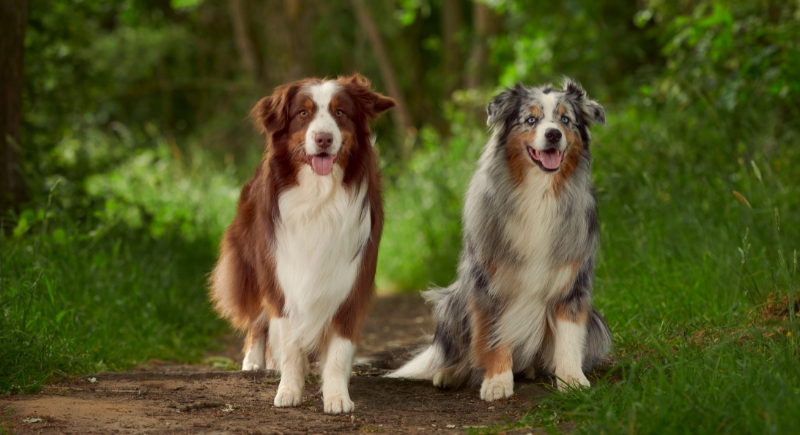
Credit: Getty Images
Australian Shepherds thrive when they have regular tasks and structured activity. Without enough stimulation, they often develop anxiety or unwanted habits. Grooming takes time because of their thick coat, and their herding instincts can show up in everyday interactions.
Beagle
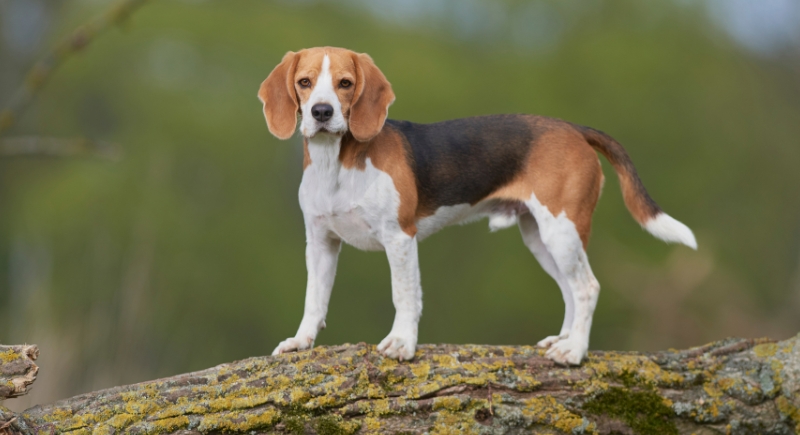
Credit: Getty Images
Beagles follow their noses everywhere, including places they shouldn’t go. Walks require constant attention because scents easily distract them. Barking and howling are common, especially when bored. Weight gain can become an issue if exercise slips.
Pit Bull
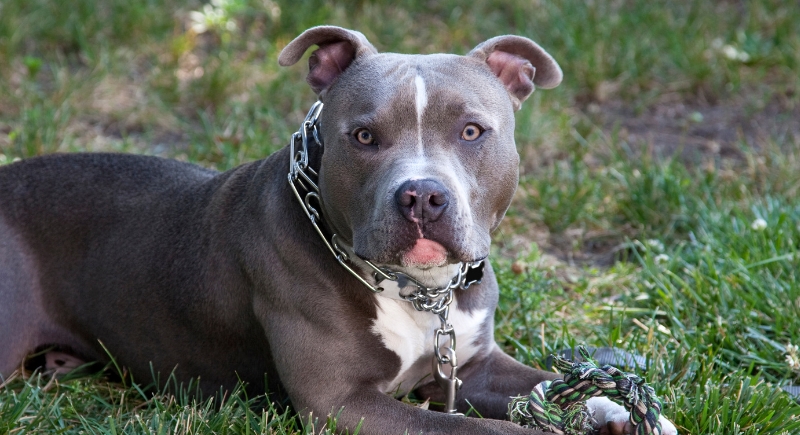
Credit: Getty Images
The pit bull is affectionate but physically strong and energetic. Training and socialization need to stay consistent to prevent behavioral problems. Aside from that, their strength can make walks difficult, especially if pulling becomes a habit. Housing restrictions and insurance issues can also add stress for older owners.
Rottweiler
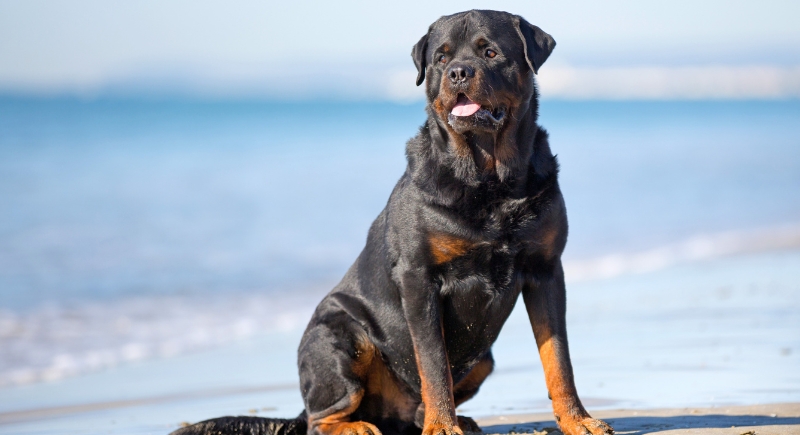
Credit: Getty Images
Rottweilers need firm training to manage protective instincts and maintain good behavior. It’s not too much to say that daily exercise is important for keeping them balanced. However, their size and power make them challenging to handle, especially in public spaces or during unexpected situations.