Did You Know That Your Pets Can Get Cancer Too?
Most people associate cancer with humans. It’s something we don’t expect to hear about in a vet’s office. But the reality is less talked about and often surprising to some pet owners. Cancer is one of the most common serious illnesses affecting pets, especially dogs and cats. Understanding that pets can get cancer, too, isn’t meant to scare anyone. It’s meant to help owners recognize risks and spot early warning signs.
What Cancer Actually Means For Pets
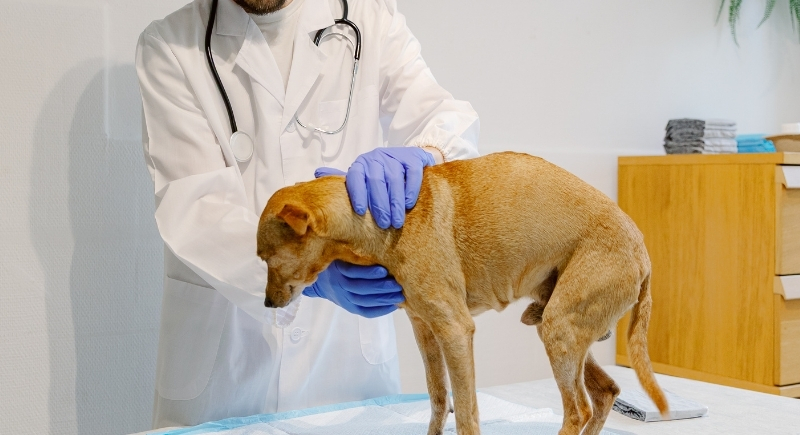
Image via Canva/Nataliya Korchmar
Cancer refers to abnormal cell growth that the body can’t control. Some growths are benign, and they don’t spread and may never become dangerous. Others, however, are malignant, meaning they can invade surrounding tissue or spread to other parts of the body.
Additionally, not every lump is cancer, and not every cancer behaves the same way. Some progress slowly and can be managed for years. Others move quickly and require fast intervention. That range is why veterinary evaluation matters so much.
Cancer is not rare in pets, particularly as they age. Veterinary data show that roughly one in four dogs will develop cancer at some point in their lifetime. For dogs over the age of ten, that risk rises significantly. Cats develop cancer less often than dogs, but it remains a major health concern, especially in senior cats.
One reason this is becoming more evident is that pets are living longer. Advances in nutrition, vaccinations, and routine veterinary care mean dogs and cats are reaching ages where cancer becomes more likely, much like in humans.
Signs Pet Owners Should Watch For

Image via Canva/narong27
Things worth paying attention to include unexplained lumps, weight loss, changes in appetite, low energy, persistent coughing, difficulty eating or breathing, wounds that don’t heal, unusual bleeding, or changes in bathroom habits.
Behavior shifts can also be a sign. A social pet becoming withdrawn, or a quiet pet suddenly seeking constant attention, can signal discomfort. None of these signs automatically means cancer. Many overlap with minor or treatable conditions. Still, any unexplained change that lasts more than a short time deserves a call to the veterinarian.
Cancer can be difficult to catch early in animals. Pets are skilled at hiding pain, and many cancers don’t cause noticeable symptoms in their earliest stages. Routine veterinary visits play a key role here. Physical exams, age-appropriate screenings, and early testing can uncover problems before they become advanced. Early detection often expands treatment options and improves quality of life.
Diagnosis and Treatment Have Improved
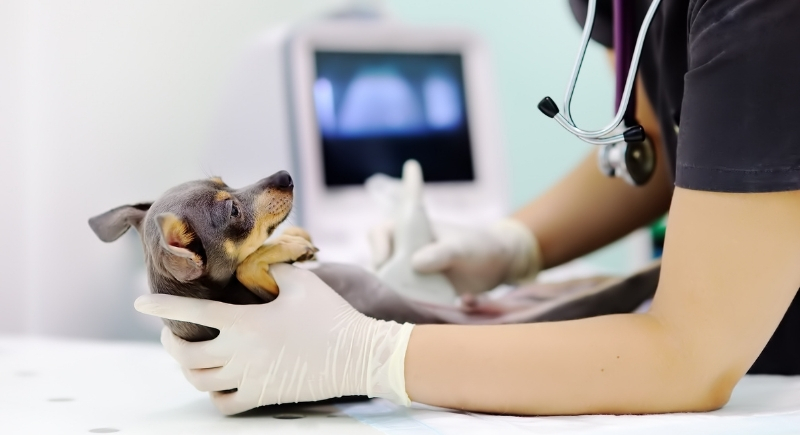
Image via Canva/Maria Sbytova
Diagnosis usually starts with a physical exam and a discussion of changes the owner has noticed. From there, veterinarians may recommend blood work, X-rays, an ultrasound, or sampling of cells from a lump using a needle.
In many cases, a biopsy is needed to determine whether a tumor is benign or malignant. While this process can feel overwhelming, it provides critical information that guides treatment decisions.
A cancer diagnosis in a pet is no longer an automatic worst-case scenario. Veterinary medicine has advanced significantly, and treatment plans are often tailored to the individual animal.
One important difference between human and veterinary care is quality of life. Treatments are chosen with the pet’s comfort in mind, and many animals tolerate therapies like chemotherapy better than people expect.
Risk Factors And Prevention Realities
There is no single cause of cancer in pets. Genetics, age, environment, and overall health all play roles. Certain breeds are more prone to specific cancers, and exposure to factors like secondhand smoke or some chemicals may increase risk.
Some preventive steps do exist. Spaying and neutering can reduce the risk of certain reproductive cancers. Beyond that, maintaining a healthy weight, providing regular veterinary care, and addressing health changes early remain the most practical tools available to owners.