10 Best Dog Breeds for Travelers and Digital Nomads
Living and working on the move changes what you need from a dog. It’s not just about personality. Practical limits matter too, especially when most airlines only allow small pets in the cabin, usually around 20 pounds with the carrier. On top of that, frequent travel, new places, and shared spaces mean your dog needs to stay calm, adjust quickly, and handle a routine built around both work and movement. The right fit makes everything easier. The wrong one turns every trip into extra work.
Chihuahua
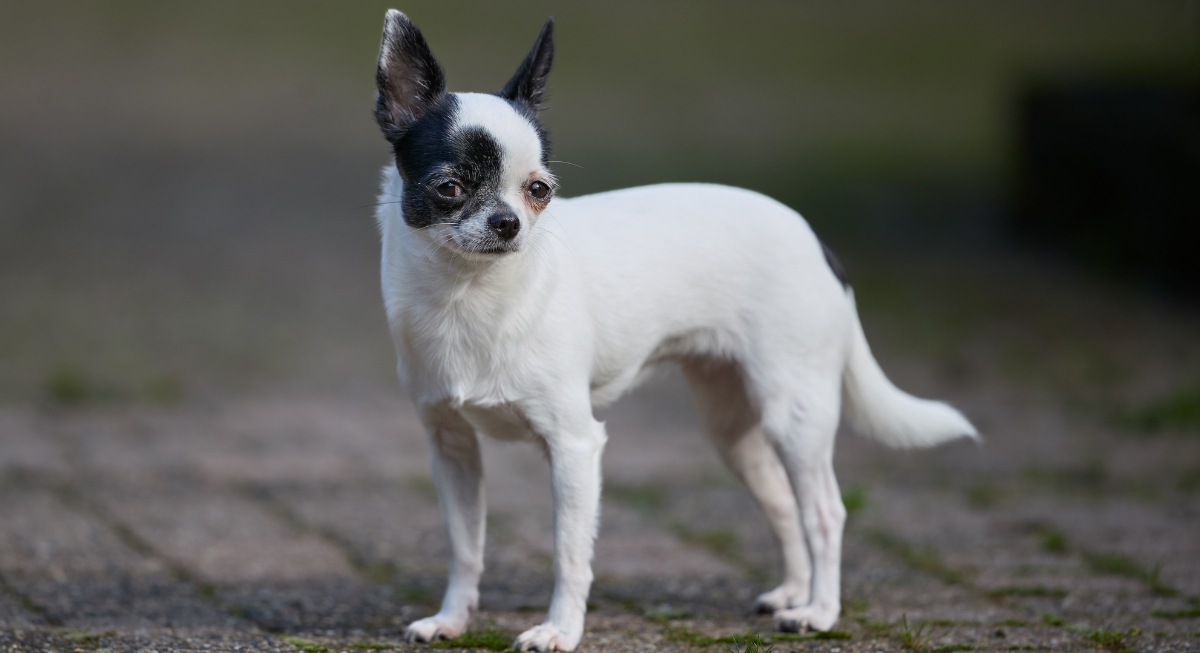
Credit: pixabay
Few breeds match how easy a Chihuahua is to move around with. Their size keeps them within airline cabin limits, and they settle comfortably in carriers during long travel days. They tend to bond closely with one person, which helps in unfamiliar places, though that attachment can turn into clinginess if not managed early.
Toy Poodle
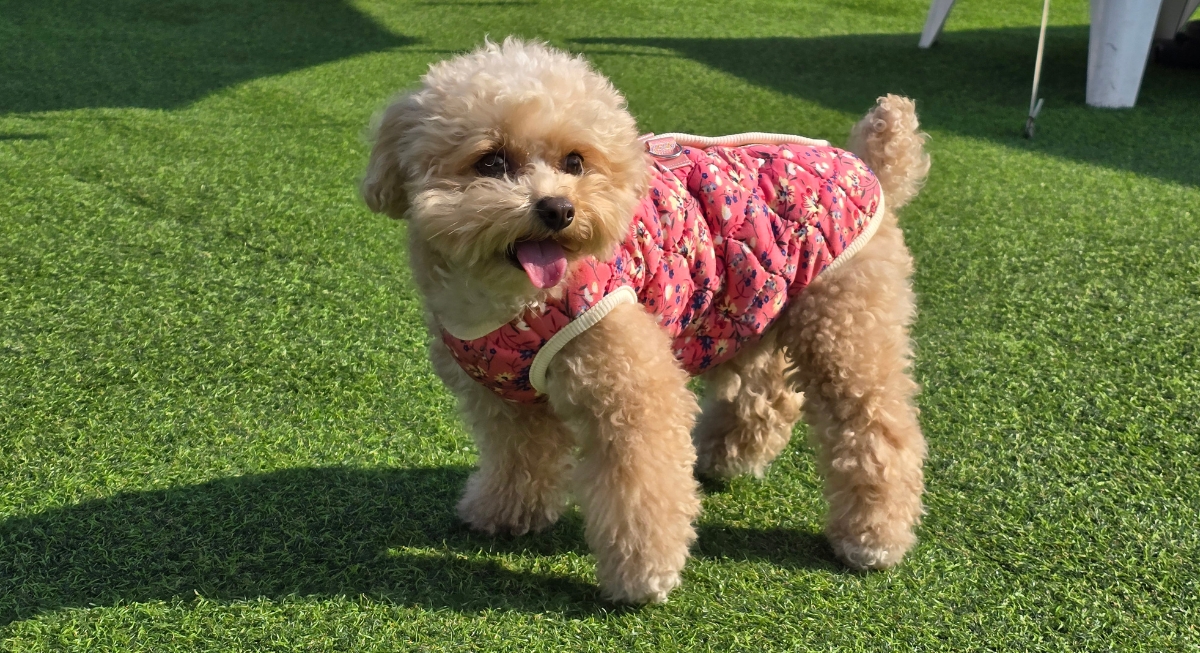
Credit: pixabay
Highly trainable and quick to adjust, Toy Poodles pick up travel routines fast, from airport security checks to shifting time zones. Their low-shedding coats reduce cleanup issues in rentals, which matters when moving frequently. They do need regular grooming, but their ability to stay focused and calm during work hours makes them one of the easiest breeds to live with on the road.
Dachshund
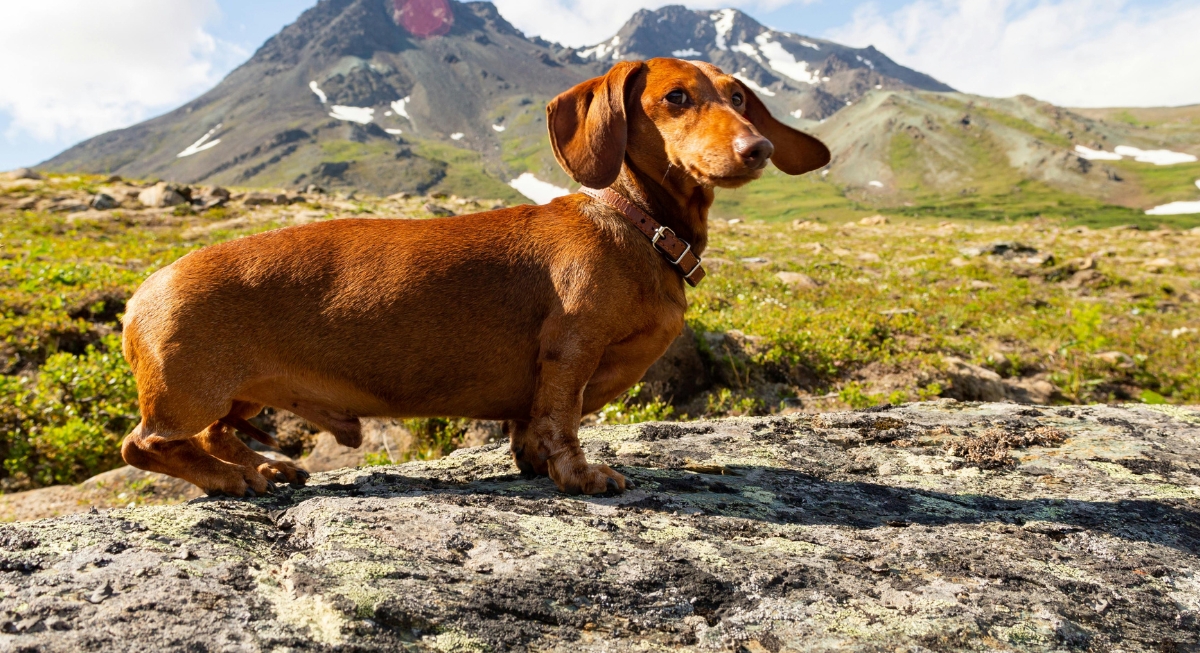
Credit: pexels
Dachshunds feel bigger than they look, but they’re still small enough to handle flights and compact living without much trouble. They tend to stay active in short bursts, then settle down for long stretches, which works well if you’re spending hours working on your laptop. They’re naturally alert and can get vocal in new places, so some early training helps, especially if you’re staying in shared spaces or apartments.
Shih Tzu
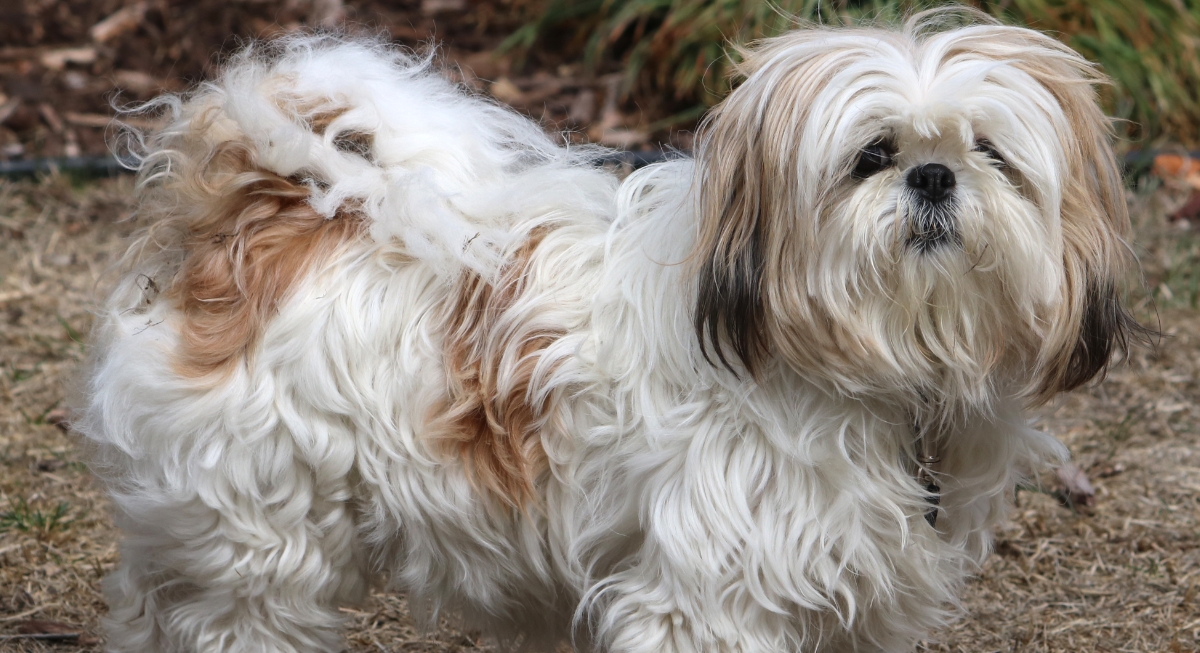
Credit: Wikimedia Commons
A Shih Tzu handles long travel days better than most small breeds because it doesn’t demand constant stimulation. Lower energy levels make it easier to work uninterrupted, whether in an apartment or a café setting. Regular grooming is part of the trade-off, but their steady temperament keeps them manageable across changing locations.
Bichon Frise
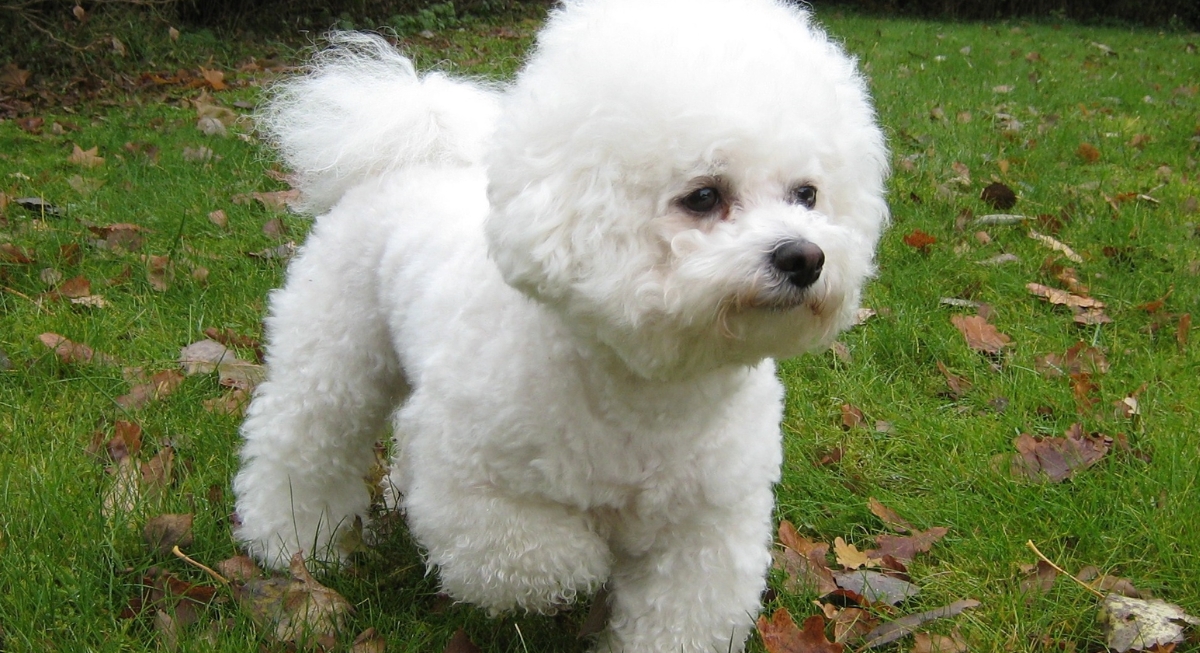
Credit: Wikimedia Commons
This breed thrives in social environments, which helps when moving between cities, meeting new people, or staying in co-living spaces. Their hypoallergenic coat reduces shedding concerns, and they adapt well to new surroundings. They do best with regular interaction, so long stretches of isolation during workdays may require planning.
Maltese
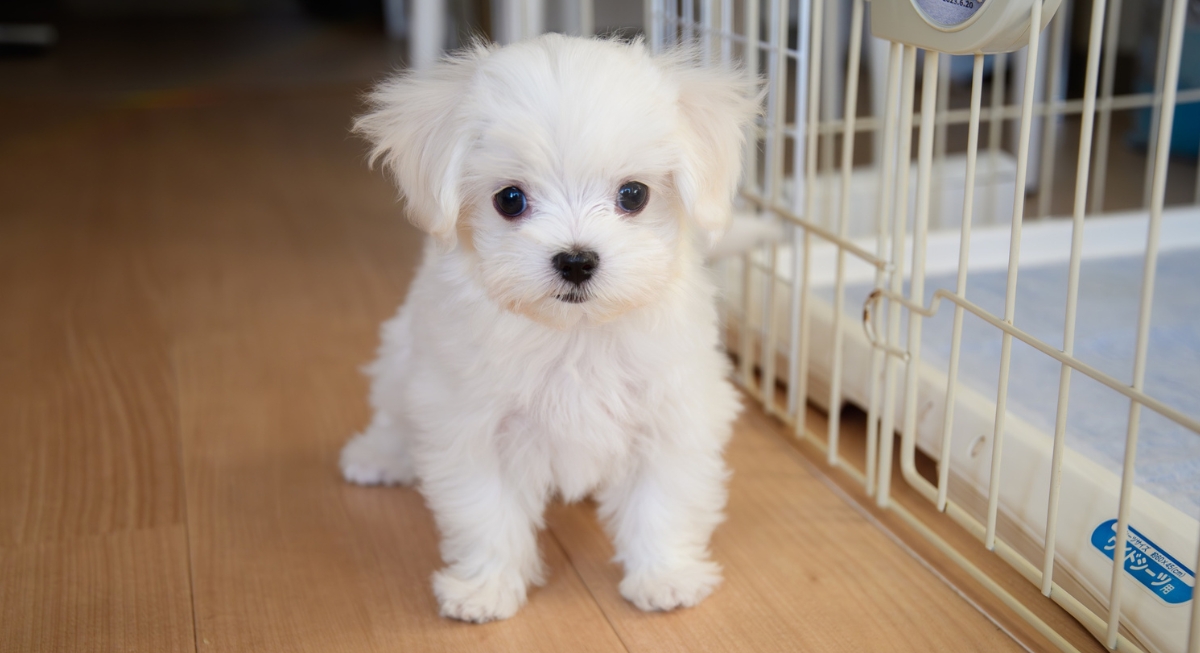
Credit: Canva
Small, portable, and generally calm indoors, the Maltese fits easily into nomadic routines. Their low exercise needs make them suitable for days spent working inside, with short walks covering most of their activity requirements. Coat maintenance can be demanding, but their quiet nature makes them a better fit for apartments and hotels than many other small breeds.
Pomeranian
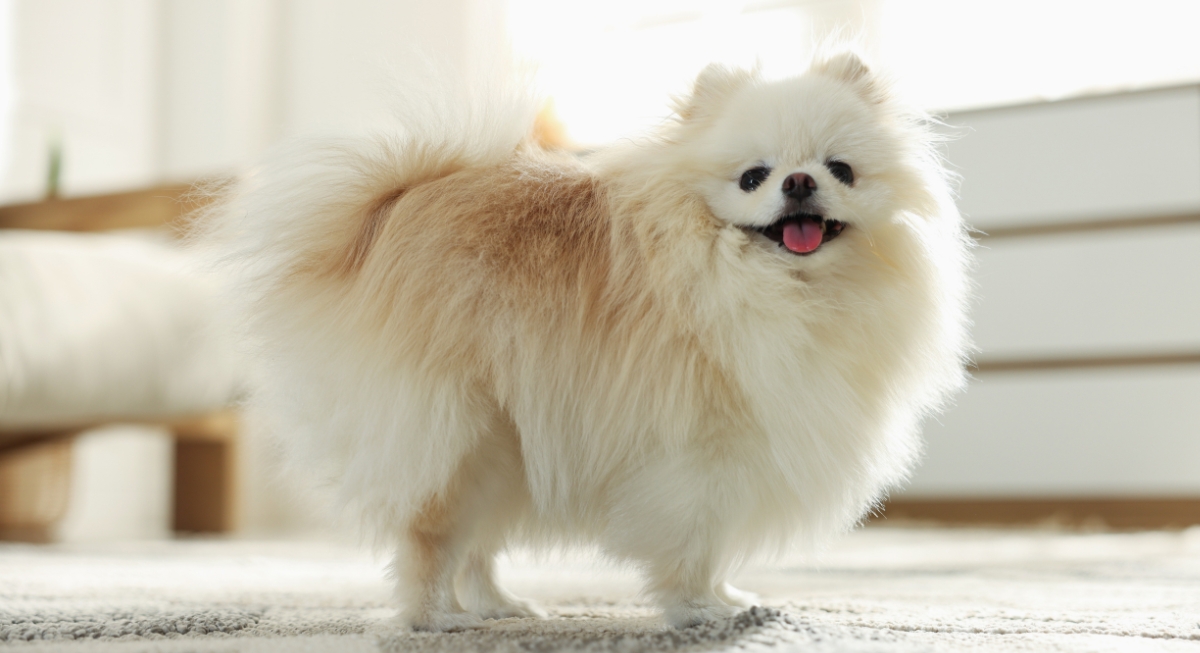
Credit: Canva
A Pomeranian travels easily due to its size, but what stands out is how quickly it adjusts to new spaces. They handle transitions between locations well, which matters when moving frequently. Their energy level is higher than it looks, so regular play is necessary to prevent restlessness in smaller living environments.
Cavalier King Charles Spaniel
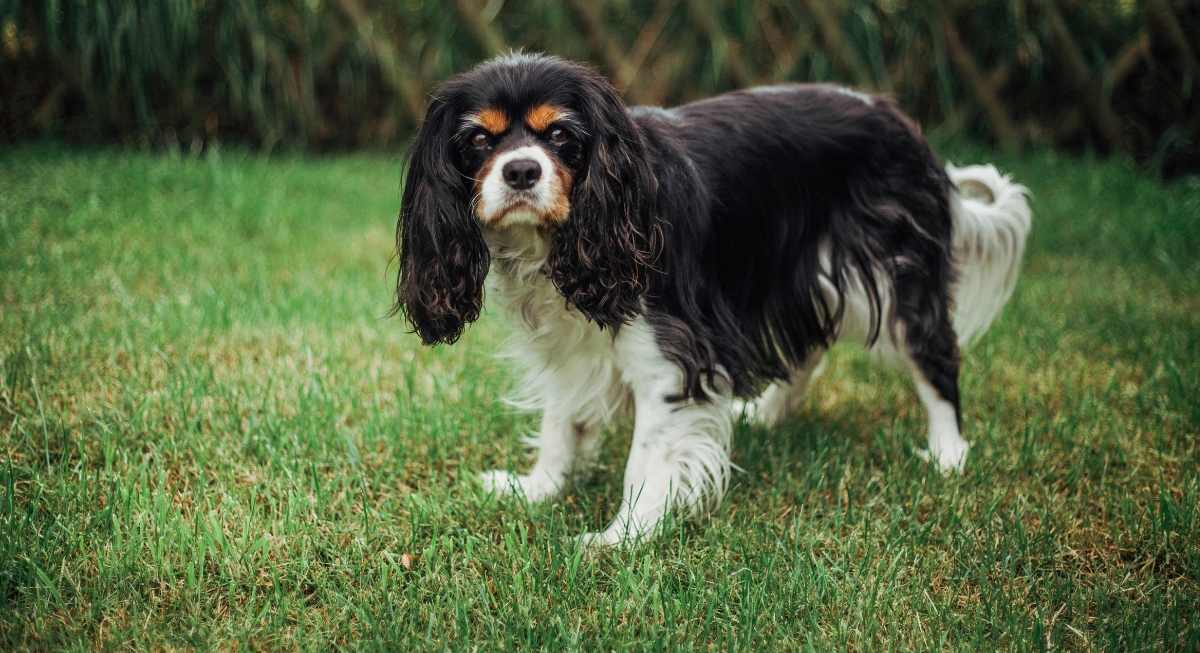
Credit: pexels
This breed handles busy environments with ease, staying relaxed in airports, hotels, and public spaces. Their calm demeanor makes them welcome in many accommodations. However, they tend to form strong attachments and may struggle with separation, which can be a challenge for nomads who work outside their living space.
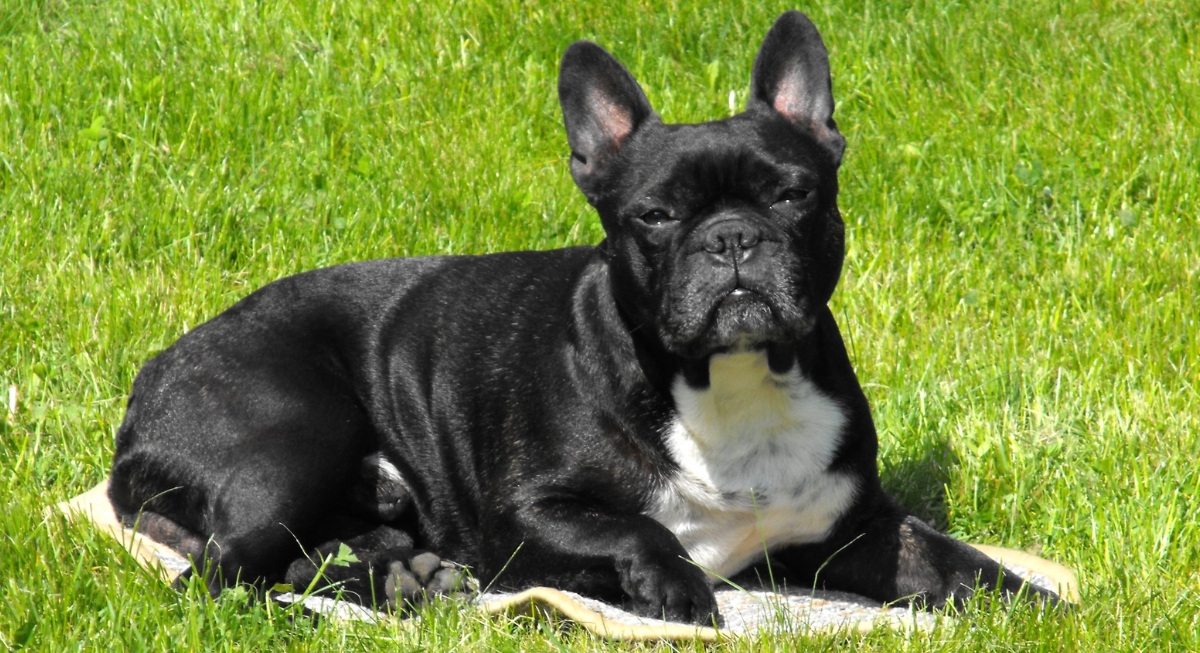
French Bulldog
Credit: Wikimedia Commons
French Bulldogs are compact and adaptable, which helps in apartments and urban settings. They don’t require much exercise, making them manageable during long workdays. Breathing issues common to flat-faced breeds can complicate air travel and limit exposure to heat. This makes them better suited to slower, climate-controlled travel.
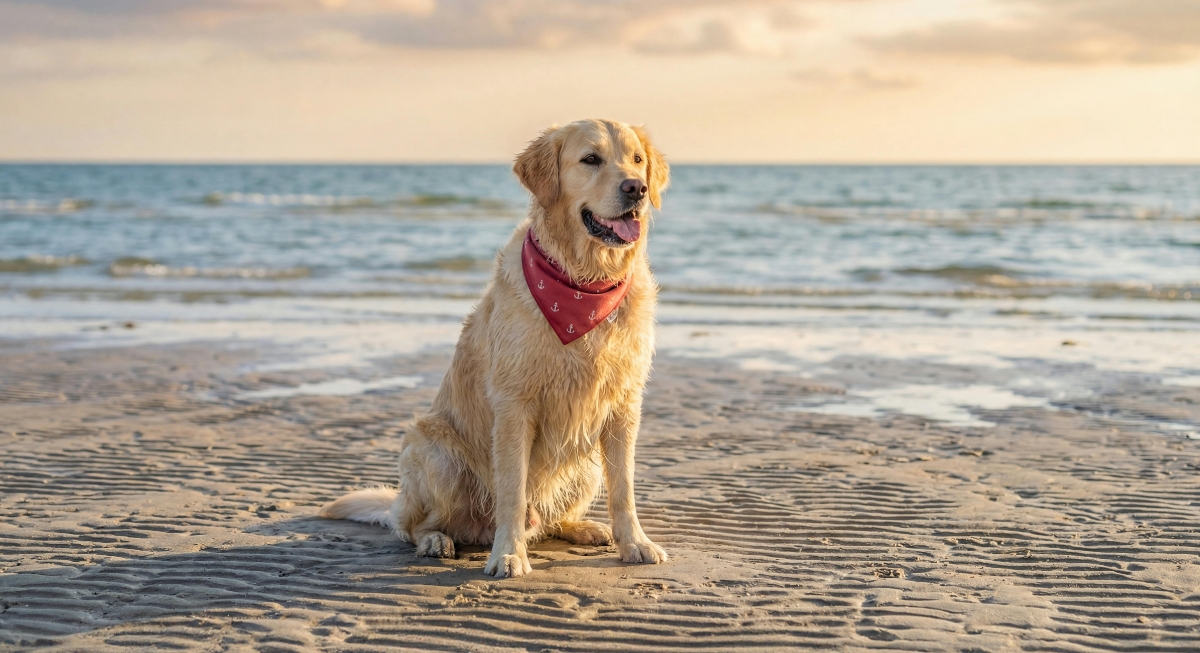
Labrador Retriever
Credit: pexels
For nomads who travel by car or stay longer in each destination, Labradors offer a different kind of advantage. Their size makes frequent flying difficult, but for road-based travel, their adaptability and trainability make them reliable companions. They handle outdoor lifestyles well, from hiking to extended stays in nature-focused locations.