Do Not Pet These Adorable Animals Unless You Want to Die
Wildlife researchers have recorded hundreds of venomous species across oceans, forests, and rivers, yet many of the most dangerous ones share an odd trait: they look harmless. Marine biologists studying cone snails warn divers every year about shells that resemble jewelry. Some jellyfish are nearly invisible in water despite venom strong enough to stop a human heart in minutes, and bright frogs barely the size of a paperclip carry toxins once used to tip hunting darts.
Cone Snail
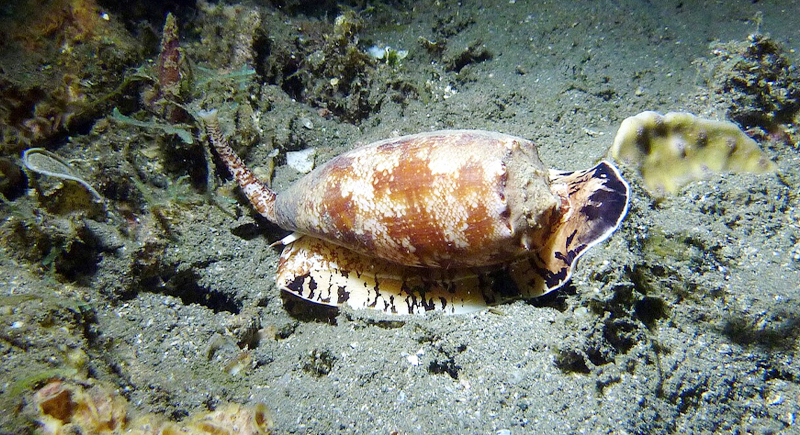
Image via Wikimedia Commons/Kai Squires
A cone snail often sits on the seafloor with a beautifully patterned shell that many beachcombers feel tempted to pick up. That simple mistake has caused serious trouble across tropical oceans. What looks like a harmless shell hides a predator built with a tiny but powerful weapon.
Cone snails hunt using a harpoon-like tooth that shoots from the mouth and delivers venom filled with dozens of neurotoxins. Some species, including the geography cone snail, carry venom strong enough to shut down the nerves that control breathing. Divers usually feel a sharp sting first, followed by numbness spreading through the body.
Blue-Ringed Octopus
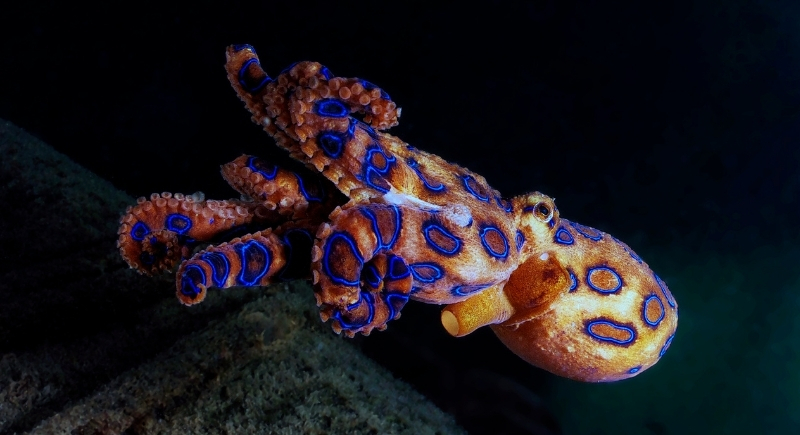
Image via Getty Images/Subaqueosshutterbug
A blue-ringed octopus measures only about five to eight inches across, which explains why swimmers often mistake it for a harmless reef creature. Trouble begins when bright electric-blue rings flash across its body. That color display indicates danger.
The octopus carries tetrodotoxin, the same neurotoxin found in pufferfish. A single animal can contain enough venom to kill more than two dozen adults. The bite itself may feel painless, which creates a dangerous delay before symptoms appear. Victims usually lose muscle control and breathing ability within minutes.
Slow Loris
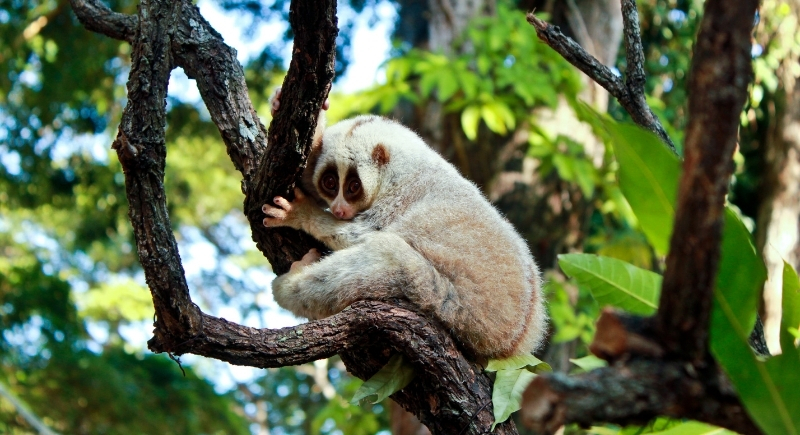
Image via Getty Images/GreyCarnation
Slow lorises appear in countless viral clips thanks to their oversized eyes and gentle movements. Biologists take a different view. This primate holds the title of the only venomous primate known to science. The loris produces a toxin in a brachial gland located near its elbow. It raises its arms, licks the gland, and mixes the secretion with saliva before biting. The resulting venom can trigger severe allergic reactions, including anaphylactic shock.
Box Jellyfish
Several species of box jellyfish patrol warm waters across the Indo-Pacific region. The species Chironex fleckeri stands out as one of the most dangerous marine animals on Earth. Its tentacles can stretch nearly 10 feet and carry thousands of microscopic stinging cells. Each cell contains a tiny dart that injects venom instantly when triggered.
The toxin attacks the heart, skin, and nervous system simultaneously. Severe stings have caused cardiac arrest within five minutes. Beaches in northern Australia often install vinegar stations to help neutralize remaining stingers.
Poison Dart Frog
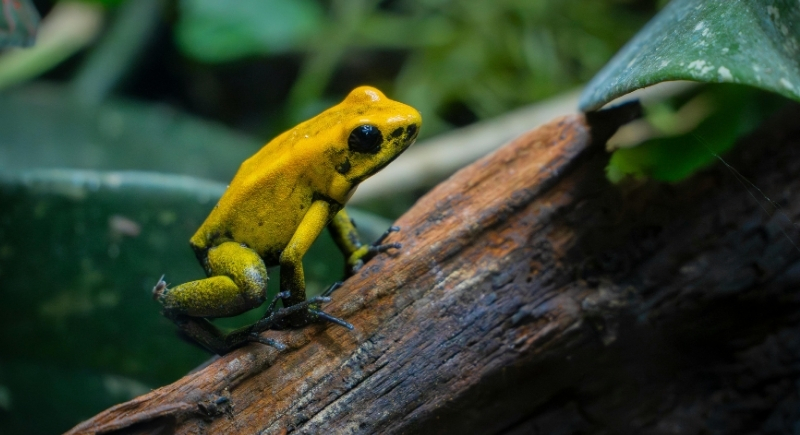
Image via pexels/Lorenzo Manera
Poison dart frogs measure barely two inches long yet rank among the most toxic animals ever recorded. The golden poison dart frog in western Colombia stores toxins in its skin glands, which are strong enough to kill about 10 adult humans. Indigenous hunters historically used those toxins to coat blow darts for hunting. Scientists later discovered the frog obtains its poison through its diet of ants and beetles.
Platypus
The platypus looks like a mix of several animals glued together. A ducklike bill, webbed feet, and a beaver-style tail often make people assume it is harmless. Male platypuses carry venomous spurs on their hind legs. The venom evolved mainly for combat between males during the breeding season. Humans rarely face life-threatening danger, though the sting produces intense pain and swelling that can last for weeks.
Irukandji Jellyfish
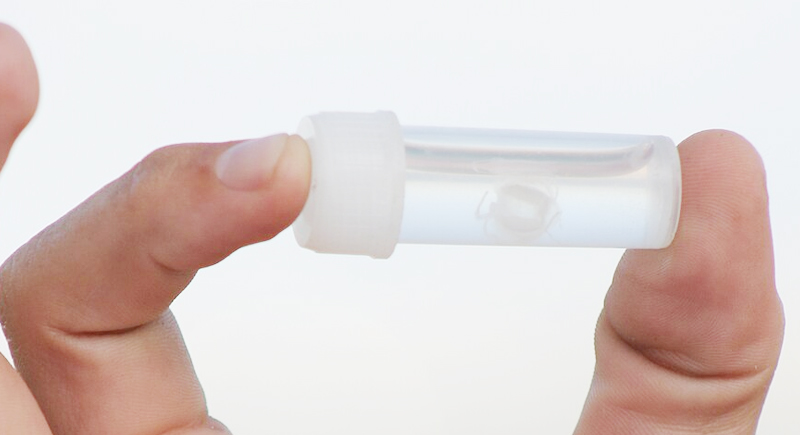
Image via Wikimedia Commons/GondwanaGirl
Irukandji jellyfish barely reach the size of a fingernail, yet their sting causes one of the most severe reactions recorded in marine medicine. Contact can cause Irukandji syndrome, a condition marked by severe muscle pain, high blood pressure, and nausea.
These tiny jellyfish live in waters around northern Australia and parts of Southeast Asia. The venom disrupts nerve signals and triggers a massive surge of stress hormones. Hospital treatment becomes necessary quickly because the symptoms escalate with surprising speed.