Dog Breeds That Thrive in Snowy Climates
Some dogs treat winter as an invitation. While many breeds slow down when temperatures drop, others come alive once the ground freezes and snow begins to fall. These dogs were shaped by cold landscapes, long workdays, and conditions where endurance mattered more than comfort. Their thick coats, powerful frames, and high stamina allow them to move easily through snow and wind. For people who enjoy winter walks and outdoor time in cold weather, these breeds feel at home in the cold.
Siberian Husky
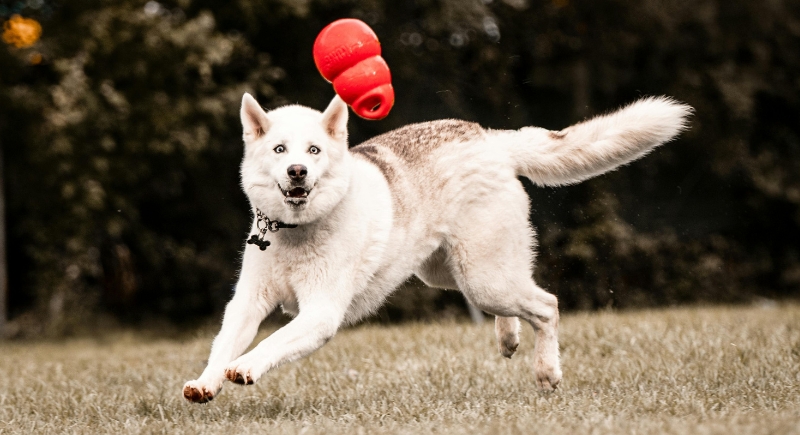
Credit: pexels
The Siberian Husky is well adapted to freezing temperatures due to its dense double coat, which insulates the body while shedding snow, and its strong, well-padded paws. The breed was bred by the Chukchi people for long-distance sled travel. Eye color can vary significantly, and regular exercise is essential for maintaining both physical health and mental well-being.
Samoyed
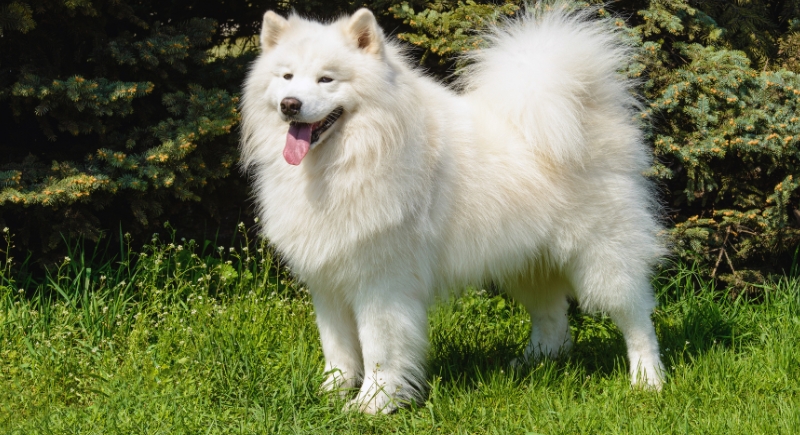
Credit: Getty Images
Fluffy doesn’t begin to cover it. The Samoyed’s bright white coat reflects sunlight, resists moisture, and insulates against the brutal Siberian cold. It was originally reared to herd reindeer and pull sleds, and its signature smile is to prevent drool freezing. Samoyeds burn energy fast and thrive during long winter play sessions.
Saint Bernard
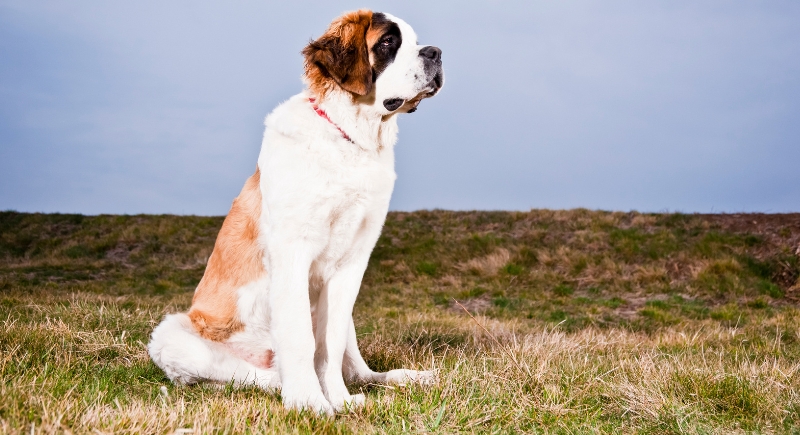
Credit: Getty Images
Massive size is part of the Saint Bernard’s cold-weather advantage as it helps conserve heat in Alpine conditions. The breed was developed for mountain rescue in Switzerland due to its powerful nose and strong chest. Its steady temperament is also a plus. Its coat, whether short or long, insulates well, while a slower metabolism suits long hours in freezing environments.
Tibetan Mastiff
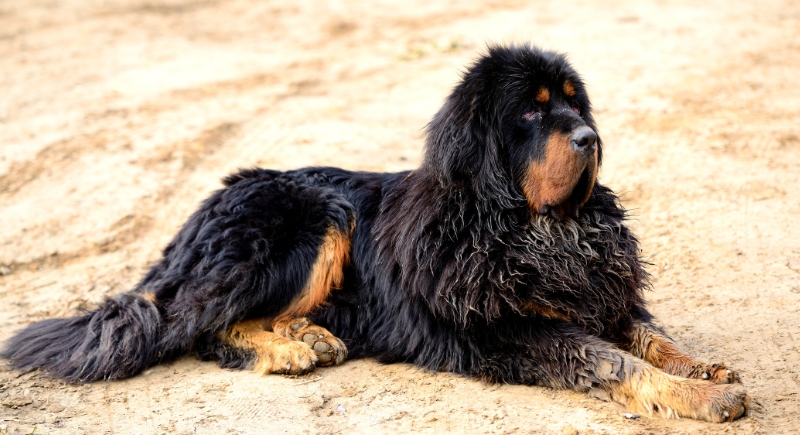
Credit: Getty Images
Living high in the Himalayas shaped this breed into a cold-weather fortress. The Tibetan Mastiff grows a heavy, mane-like coat in winter and sheds seasonally as temperatures rise. It guards livestock without supervision.
Great Pyrenees
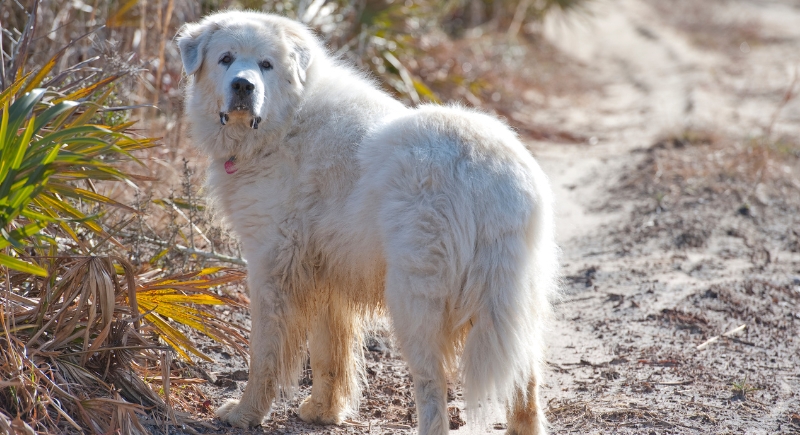
Credit: Getty Images
The Great Pyrenees was used to guard sheep through harsh winters in the snowy Pyrenees Mountains. It relied on a thick, weather-resistant coat and excellent night vision. Although calm indoors, it still prefers cool air and open spaces.
Alaskan Malamute
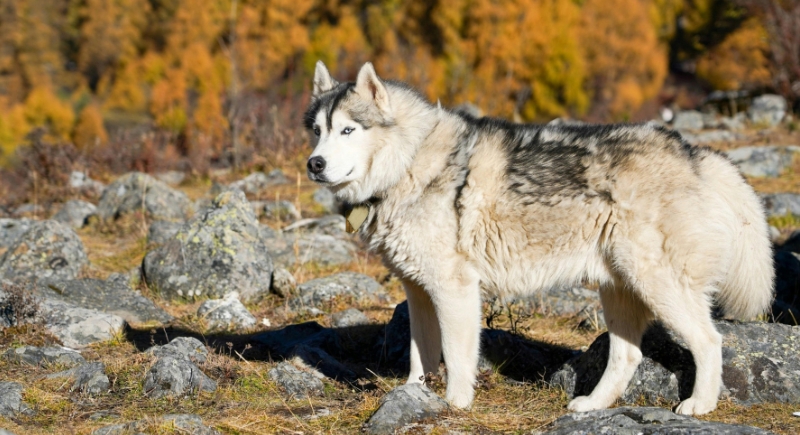
Credit: Getty Images
The Alaskan Malamute was bred for its raw strength and ability to haul heavy freight. Its dense undercoat blocks wind and extreme cold, while the wide, furred paws help grip ice and snow. This breed requires high-calorie diets in winter and stays most content when working rather than relaxing.
Newfoundland

Credit: Getty Images
Few dogs handle icy water like the Newfoundland. This breed was developed along Canada’s cold Atlantic coast, so it has a water-resistant double coat and webbed feet for swimming through frigid seas. It excels in water rescue and snow. Its calm nature pairs well with families in colder regions.
American Eskimo Dog
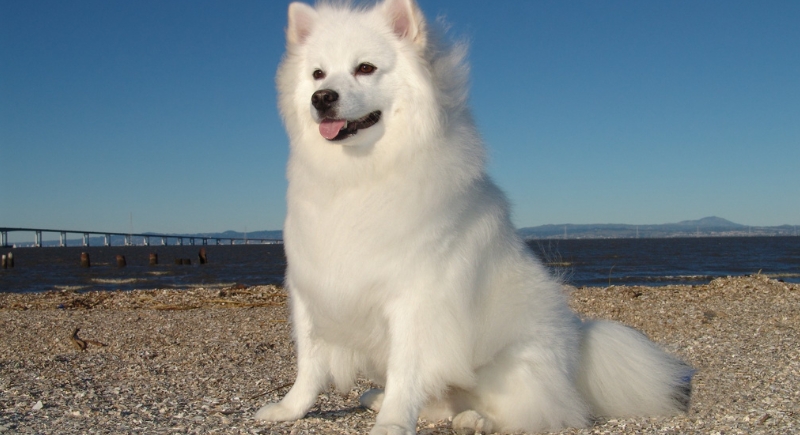
Credit: Getty Images
Don’t let the size fool you. The American Eskimo Dog has a thick, insulating coat similar to that of larger Arctic breeds and descends from European spitz dogs. Chilly climates suit it well, though its compact build makes indoor living far easier. As it’s highly intelligent and energetic, it’s not hard to see why it once dazzled circus crowds with tricks.
Greater Swiss Mountain Dog
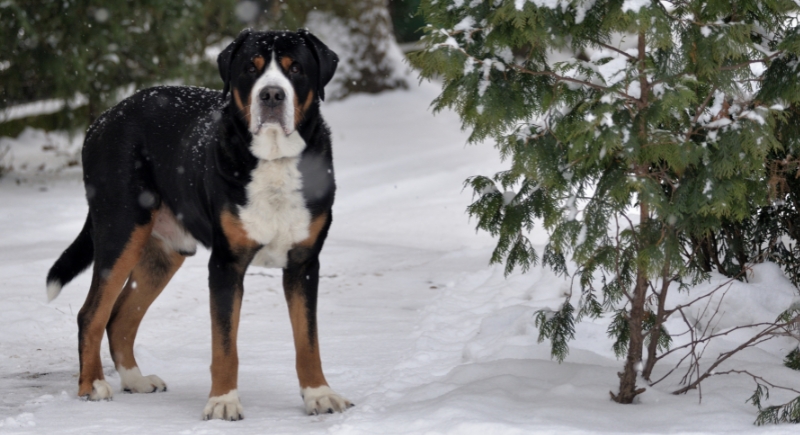
Credit: Getty Images
At first glance, the shorter coat seems misleading, but the dense underlayer provides solid insulation. This dog was bred to pull carts and guard farms in the Swiss Alps. Its muscular body generates heat through movement.
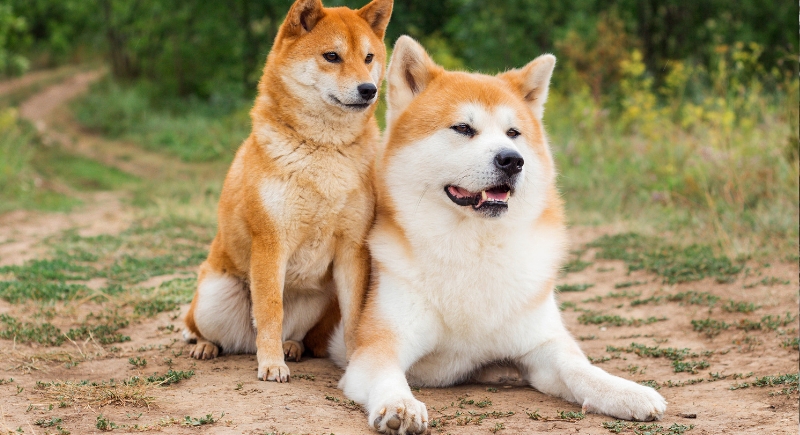
Akita
Credit: Getty Images
Snowy northern Japan produced a dog built for power and loyalty. The Akita’s thick double coat insulates against harsh winters but sheds heavily indoors. Originally used for hunting large game, it has strong muscles and sharp instincts. Cold weather often boosts its energy, while loyalty tends to outweigh friendliness toward strangers.