9 Dog Breeds That Were Nearly Extinct and Made Stunning Comebacks
Some dog breeds didn’t vanish all at once. It was more gradual than that. Their roles faded, numbers dropped, and before long, hardly anyone was keeping them anymore. Wars, disease, and small breeding pools only made things worse, pushing some of them right to the edge.
The turnaround came from people who cared enough to step in and stay with it. It took time, patience, and a lot of consistency, but that effort slowly brought these breeds back into the world again.
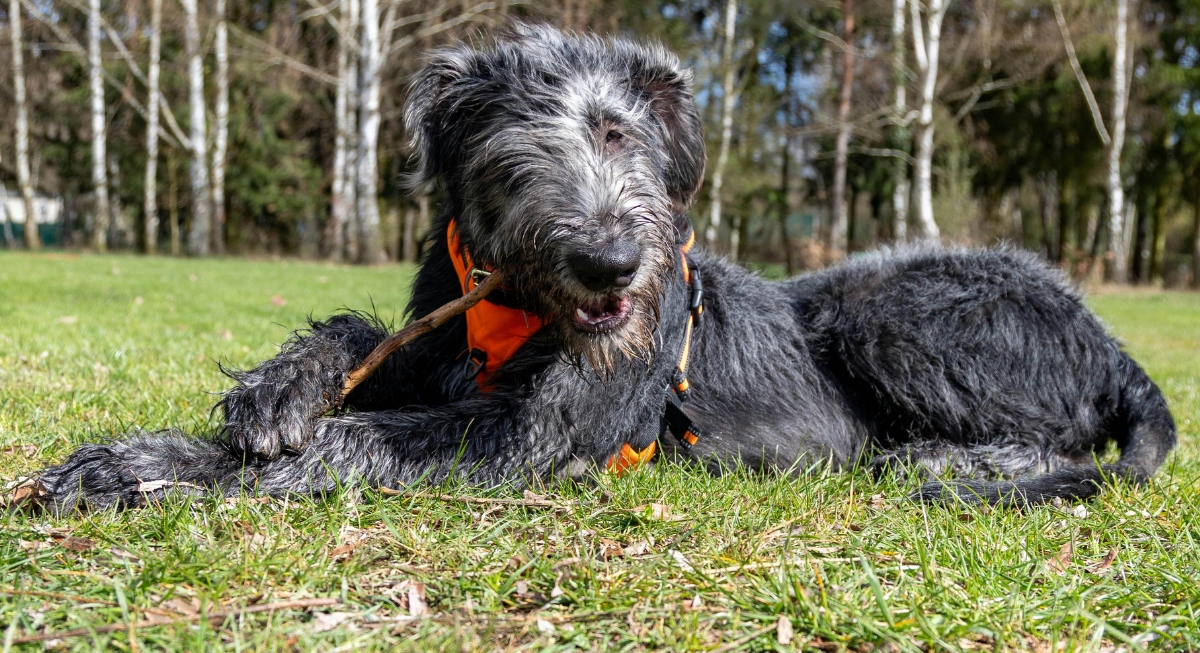
Irish Wolfhound
Credit: pexels
The Irish Wolfhound lost its purpose when Ireland lost its wolves. These huge hounds had been used to hunt wolves and protect livestock, so the breed’s numbers dropped sharply after wolves disappeared from the country. By the 19th century, the Irish Wolfhound was dangerously scarce. Captain George Augustus Graham became central to its recovery by working with surviving dogs and carefully breeding them with large dogs such as Great Danes to rebuild type and size.
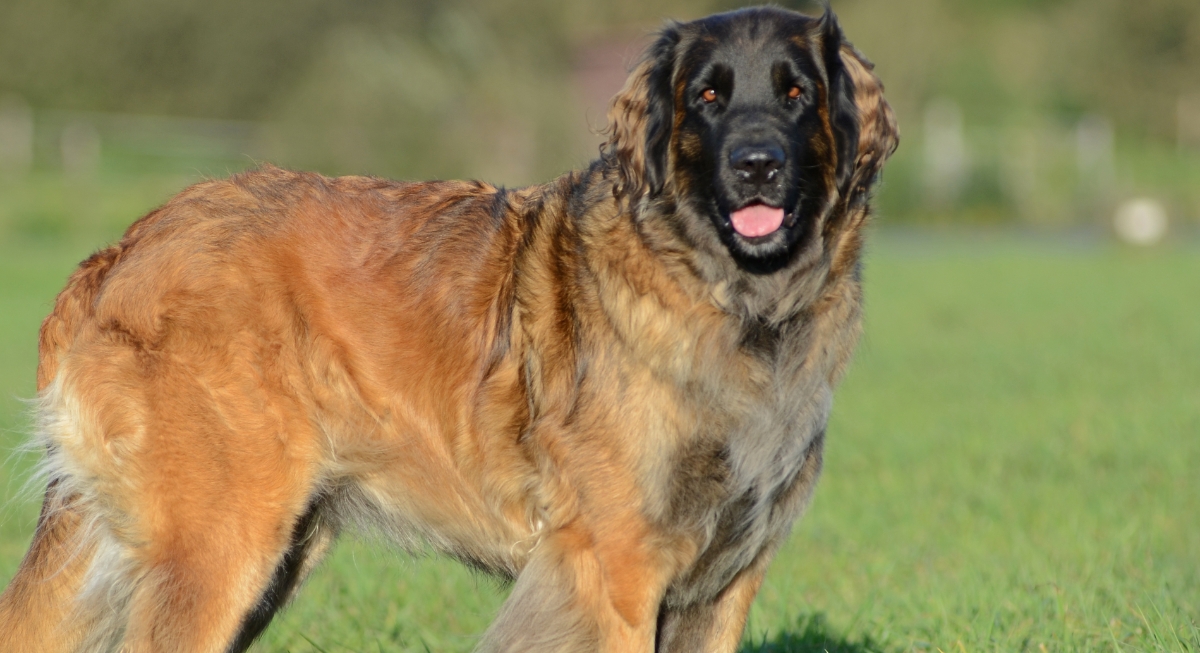
Leonberger
Credit: pexels
Two world wars hit large dogs hard, and the Leonberger suffered badly. Feeding a giant breed during wartime shortages became difficult, and breeding programs broke down under pressure. After World War II, only a small number of Leonbergers remained. German breeders gathered the survivors and patiently rebuilt the line with detailed planning.
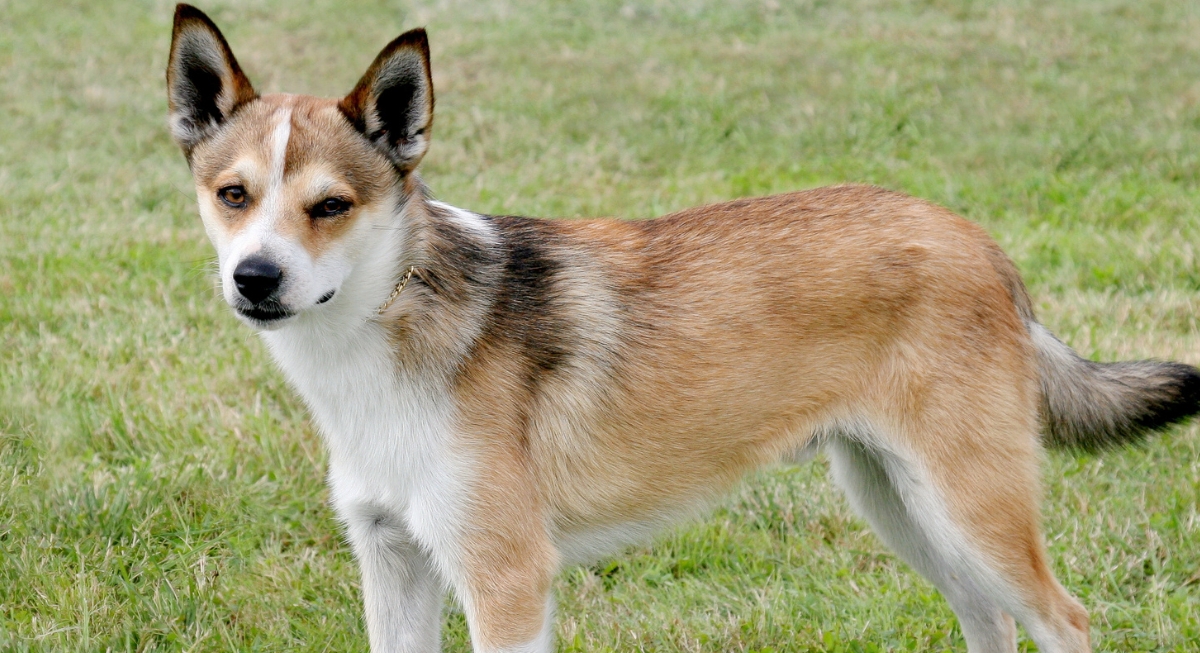
Norwegian Lundehund
Credit: Getty Images
This small dog hunted puffins along steep coastal cliffs in Norway, using extra toes and unusual flexibility to climb and squeeze into tight spaces. Once puffin hunting declined, the breed’s usefulness dropped with it. A distemper outbreak later cut the population even further. The Lundehund is still rare, but those odd physical traits survived.
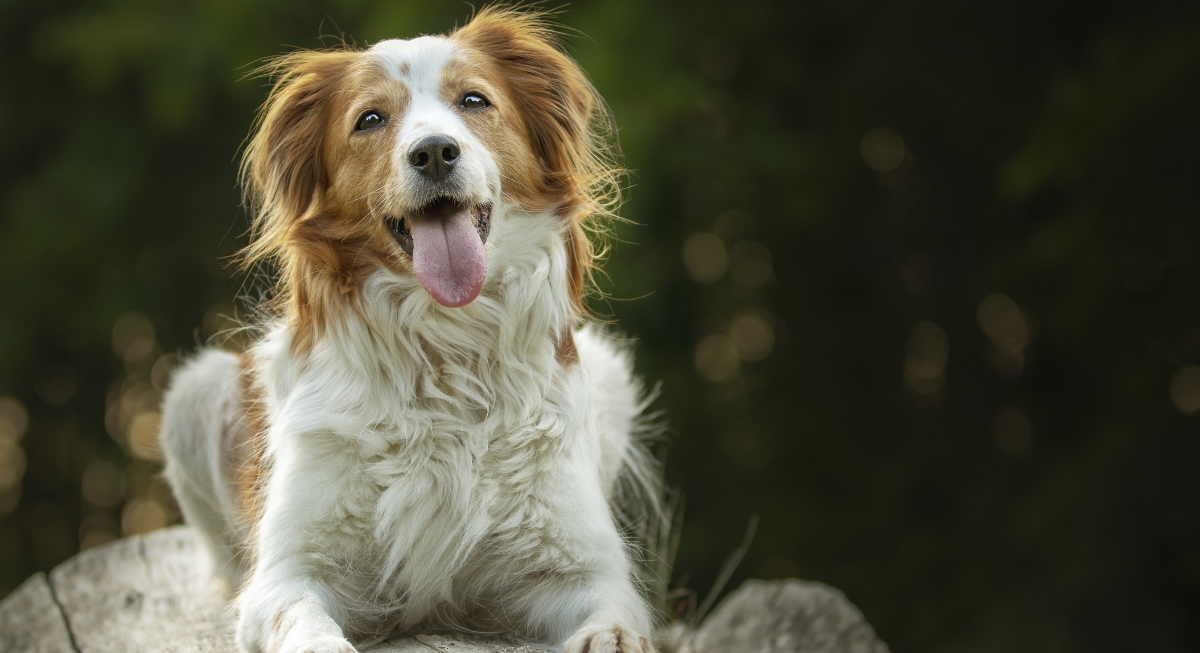
Kooikerhondje
Credit: Getty Images
In old Dutch the Kooikerhondje helped lure ducks into traps through movement, especially the flash of its plumed tail. By the mid-20th century this little spaniel was close to disappearing. Baroness Van Hardenbroek van Ammerstol helped pull it back by locating surviving dogs and guiding the recovery effort. The comeback feels wonderfully precise: a dog built for a highly specialized task was saved by someone just as focused.
Xoloitzcuintli
Credit: pexels
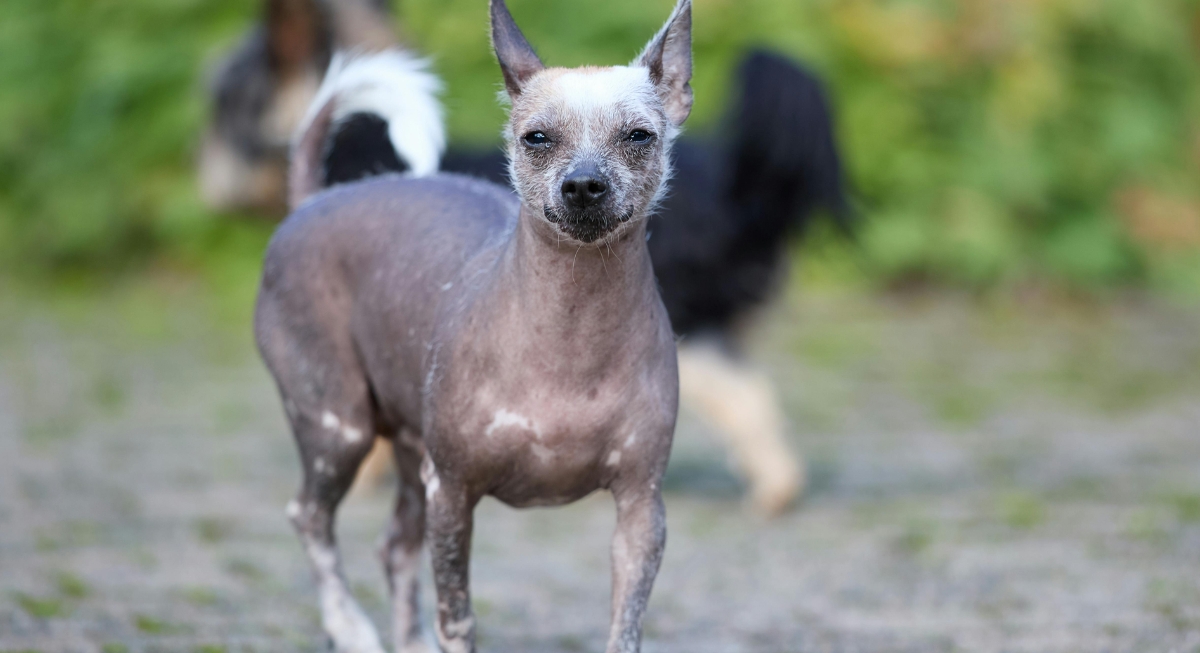
The Xoloitzcuintli is older than many modern countries. Also known as the Mexican Hairless Dog, it has roots that reach back thousands of years and deep ties to pre-Columbian cultures. European colonization and the later rise of imported breeds made the Xolo become rare enough to alarm preservationists. Major kennel recognition eventually came and preserved a living connection to ancient Mexico.
Portuguese Water Dog
Credit: Getty Images
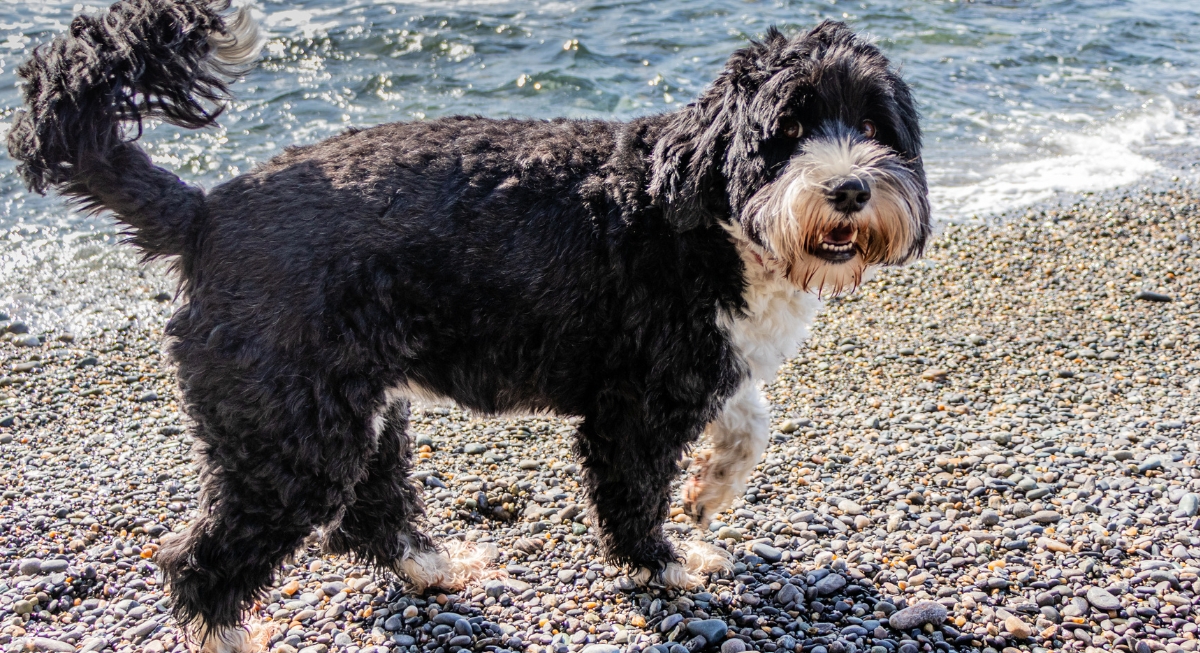
Fishing boats gave the Portuguese Water Dog its first career. It retrieved nets, carried messages between boats, and worked closely with fishermen along Portugal’s coast. Modern fishing methods don’t need much canine help.The dog later found fresh popularity as a family companion, helped by its intelligence and curly coat.
Lagotto Romagnolo
Credit: Getty Images
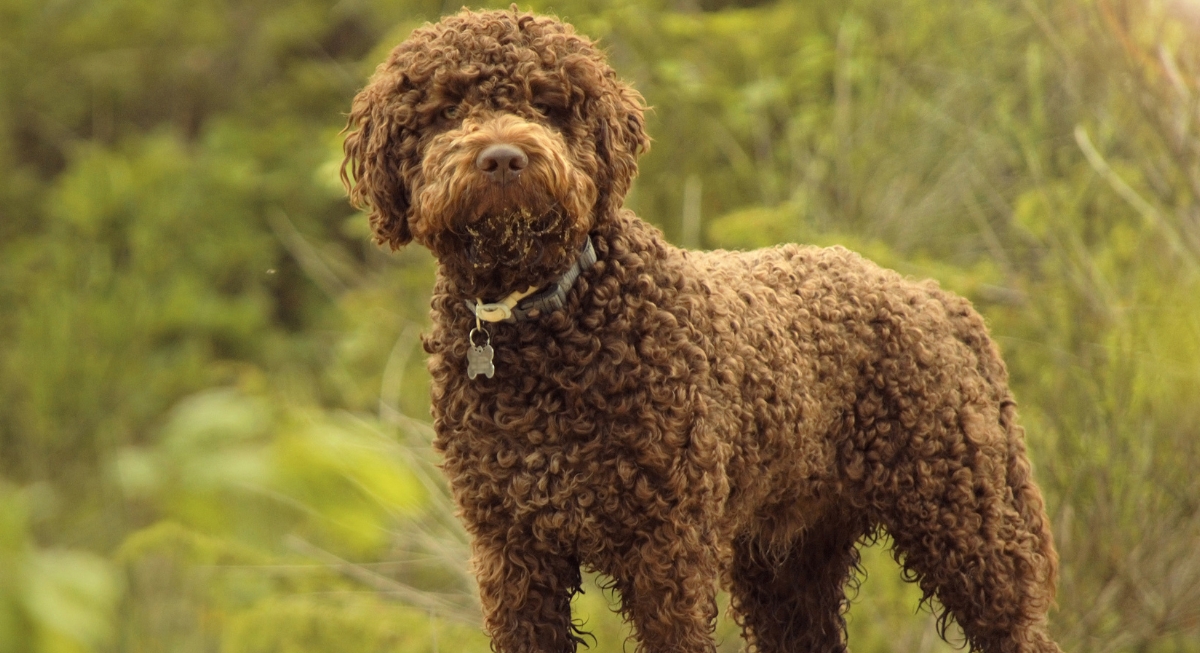
The Lagotto Romagnolo began in Italy as a water retriever, but its old role shrank as wetlands disappeared and hunting practices evolved. The breed might have faded into obscurity, but its nose gave it a second path. Italian breeders redirected the Lagotto toward truffle hunting, where its scenting ability became highly prized. It gave the breed a reason to be actively maintained.
Shih Tzu

Credit: pexels
Palace life protected the Shih Tzu until palace life disappeared. These small dogs had been closely associated with China’s imperial households, which made political upheaval especially dangerous for the breed. After the fall of the imperial dynasty, the dogs nearly vanished. A small number reached England and most are now companion dogs around the world.
St. Bernard
Credit: Getty Images
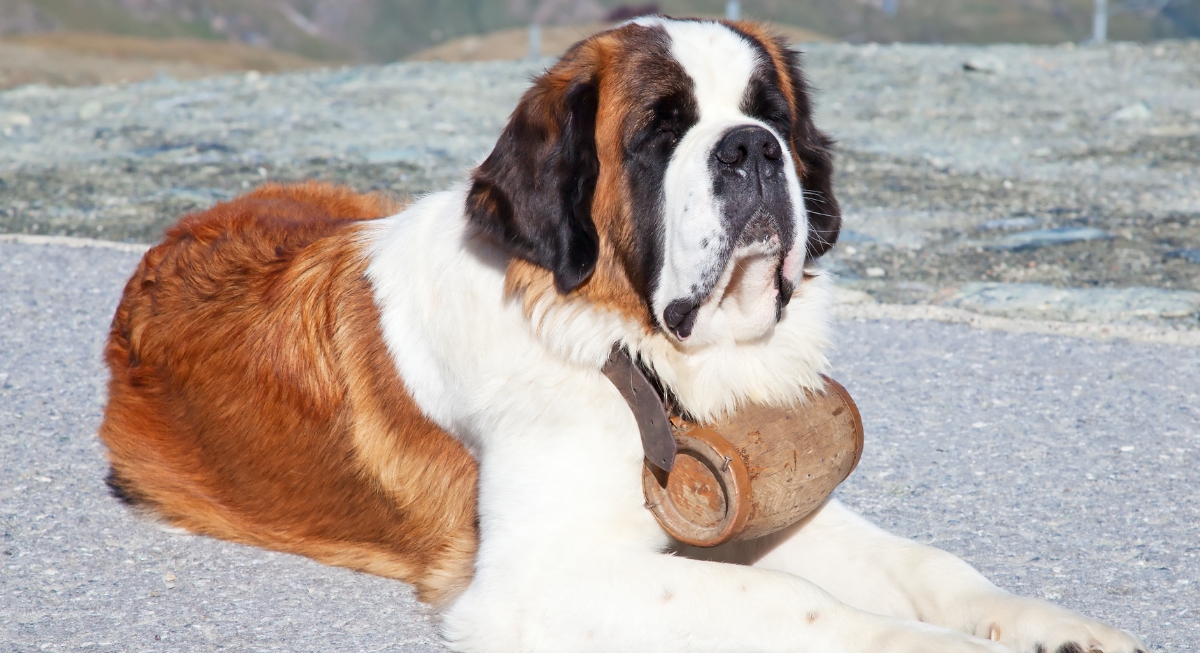
The Swiss Alps gave the St. Bernard its legend and nearly took away its future. The breed was known for mountain rescue work and was kept by monks at the Great St. Bernard Hospice. But brutal winters and avalanches in the 1800s devastated the dogs. The monks crossbred survivors with Newfoundlands to rebuild numbers and preserve the line.
Dandie Dinmont Terrier
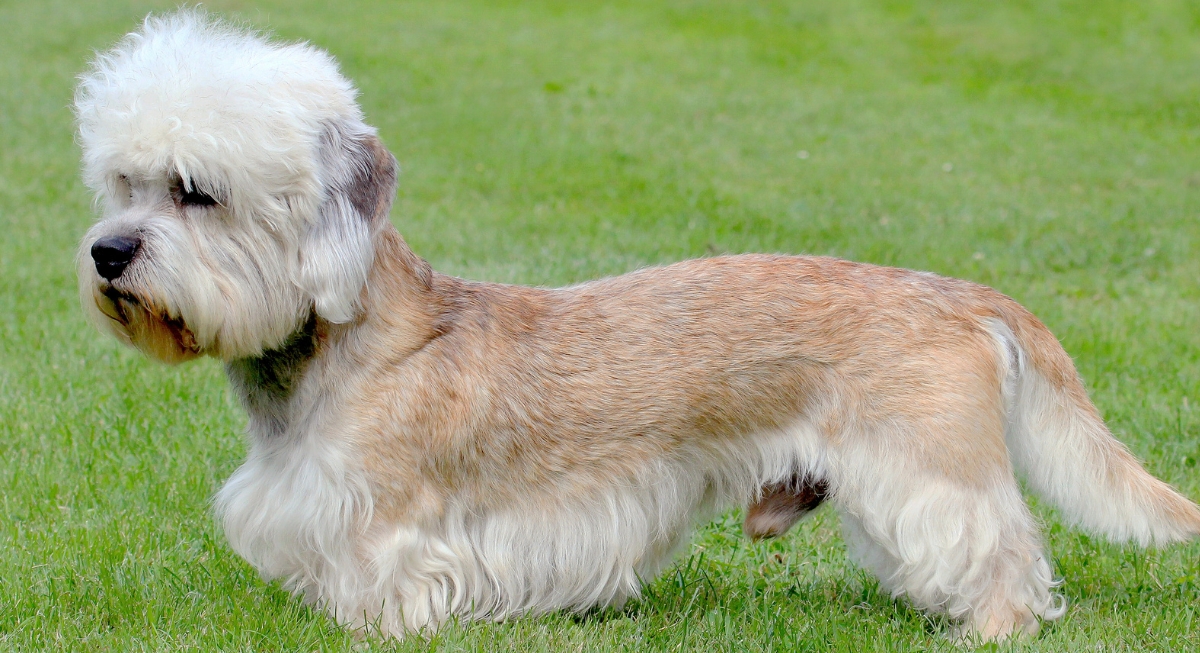
Credit: Getty Images
This low, long-bodied terrier was once valued as a hunting dog before becoming one of the rarest of its kind. Breed supporters kept sharing its history, distinct shape, and affectionate temperament to keep it from fading out. It remains uncommon even today, which makes its comeback quieter than most, but the fact that it’s still around says a lot about that steady effort.