Dog Dementia Is More Common Than You Think: What to Look Out For
Dogs are sticking around longer these days, and with those extra years come new challenges, especially ones that many owners don’t see coming. One of them is Canine Cognitive Dysfunction, better known as dog dementia. It creeps in slowly and can initially resemble normal aging, which is why it often goes unnoticed.
However, as time passes, it begins to alter how dogs think, sleep, and interact. It closely resembles Alzheimer’s disease in people, both in its development and its effects on the brain. Recognizing the early signs can help you step in sooner and provide your dog with the support they need to stay comfortable, safe, and steady as they age.
Changes in Social Behavior

Credit: Getty Images
A drop in excitement to socialise is usually a sign of neurological deterioration. They may stop greeting family members or show irritation during interactions that were once normal. This happens because dementia affects emotional processing and recognition. Researchers note that these disruptions can strain the human-dog bond if not correctly understood.
Getting Lost in Familiar Spaces

Credit: Getty Images
Disorientation typically manifests as confusion within familiar surroundings. A dog may pause in hallways, stare at walls, or struggle to navigate around furniture. These moments reflect modifications in brain regions responsible for spatial memory. This is why helping a dog includes keeping furniture layouts consistent and reducing obstacles.
Disrupted Sleep Patterns

Credit: Getty Images
Sleep issues can create stress for both your furry friends and you. Dogs with cognitive dysfunction may remain restless at night and sleep excessively during the day. This pattern reflects disruption in brain systems that regulate circadian rhythm. On this note, addressing sleep issues early can improve overall household stability.
Loss of House Training
Credit: Getty Images
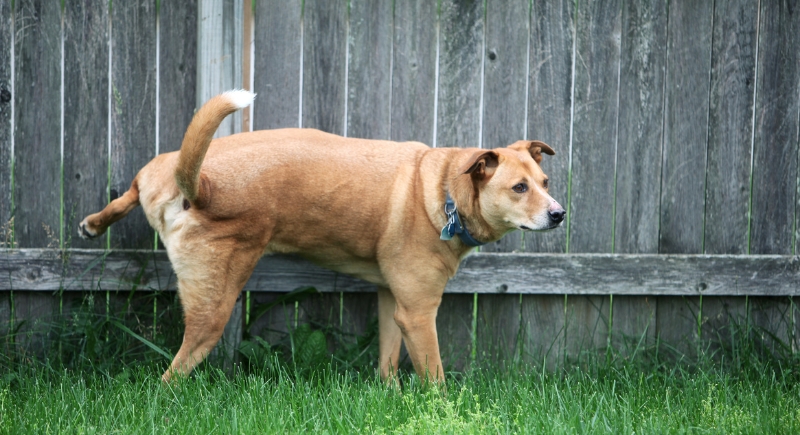
When a housetrained dog starts having accidents indoors, dementia is often the reason. Your four-legged best friend may forget familiar routines or lose awareness of their surroundings. This behavior stems from memory loss, rather than a lack of obedience. In such cases, vets typically rule out medical causes like infections or kidney issues first before diagnosing your animal with dementia.
Reduced Interest in Activities

Credit: Getty Images
If you notice your dog losing interest in toys or walks, it may be a sign of cognitive decline. According to experts, dogs with this condition mostly find it harder to process new information, which makes once-enjoyed activities feel confusing or tiring. Some begin pacing instead and repeat familiar movements that are easier to perform.
Increased Anxiety Without Clear Cause
Credit: Getty Images
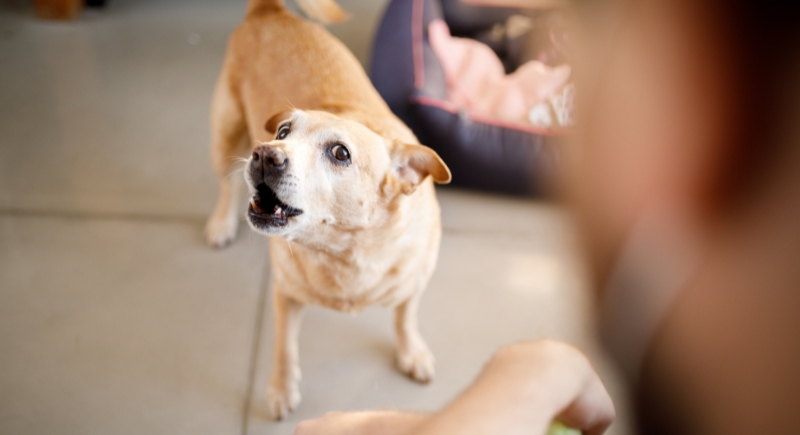
As dogs lose their sense of familiarity, anxiety often rises. Barking, pacing, and clinginess can appear without obvious triggers. Neurological research links this behavior to impaired environmental processing.
Limited Response to Medication

Credit: Getty Images
Selegiline remains the only FDA-approved medication for canine cognitive dysfunction. Some dogs show improved alertness and reduced nighttime activity. On the other hand, there are those that show minimal change. Veterinary studies describe inconsistent outcomes, which makes individualized treatment even more important for your furry companion.
Worsening Symptoms Over Time

Credit: Canva
Veterinary literature describes cognitive dysfunction in mild, moderate, and severe stages. Early stages involve subtle confusion and altered sleep. Meanwhile, moderate stages introduce house soilings and heightened anxiety. Lastly, severe stages include loss of recognition and reduced mobility. Consequently, progression between stages may occur within six to twelve months.
Random Vocalizations Without Clear Triggers

Credit: Getty Images
Sudden barking or whining often stems from confusion, disrupted sleep cycles, or anxiety caused by alterations in brain function. While there’s no cure, you can reduce the episodes. Keeping a consistent routine, avoiding overstimulation, and creating a calm nighttime environment can help.
Staring Into Space for Long Periods

Credit: Getty Images
Your pet may spend extended periods staring into space, unresponsive to voices or movement around them. This blank and unfocused gaze is evidence that they have become stuck in a moment, unable to process what’s around them. It’s one of the more subtle signs and tends to go unnoticed early on.