10 Signs Your Dog Has an Ear Infection (and How to Clean Their Ears Safely at Home)
Dogs rarely complain outright, but their ears often tell the story long before a problem becomes serious. A quick glance or a subtle behavior change can signal discomfort that deserves attention. Learning what’s normal makes it easier to spot when something feels off. Ear care doesn’t need to be complicated, but it does require awareness, patience, and a few simple habits that keep your dog comfortable.
Head Shaking That Won’t Quit

Credit: Getty Images
A quick shake after a bath is normal, but frequent or forceful head shaking usually indicates irritation in the ear. Dogs often try to dislodge debris or ease itching this way. Repeated shaking throughout the day signals more than a passing itch. That rhythm often suggests buildup or infection rather than simple curiosity or momentary discomfort.
A Smell That Seems Off
Credit: Canva
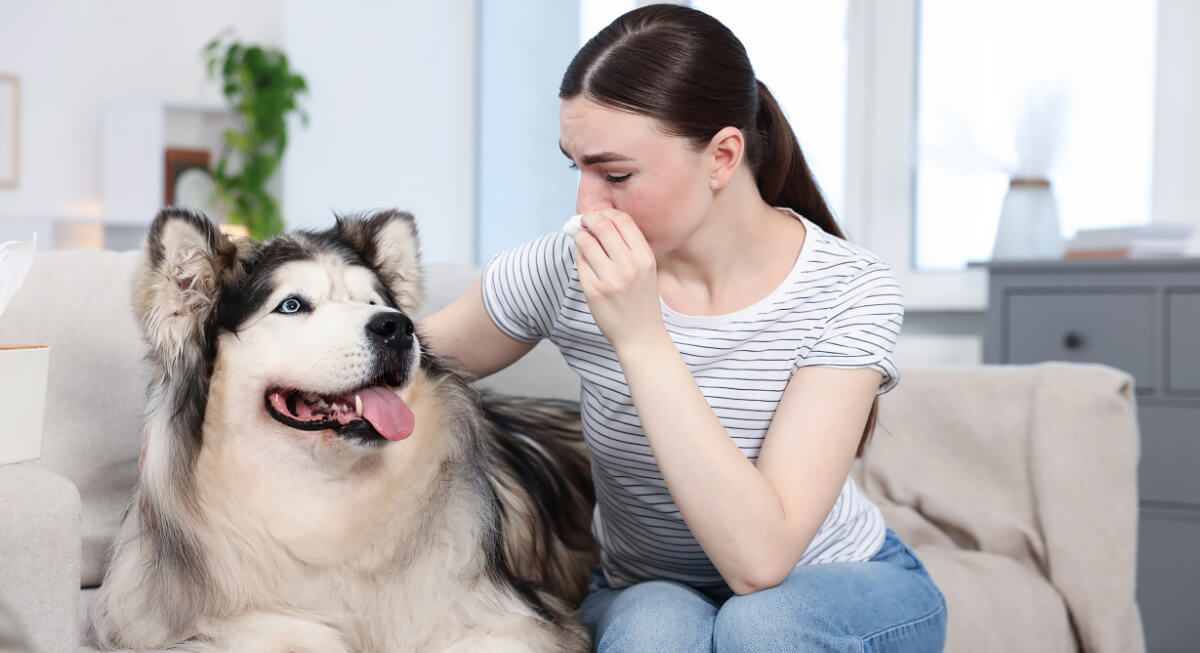
Healthy ears have little to no scent, so any noticeable odor stands out quickly. A sour or musty smell often indicates bacteria or yeast growth in the ear canal. That odor tends to linger even after gentle wiping. It may become stronger over time if ignored. A quick sniff during routine grooming can reveal early changes before visible symptoms appear.
Redness Inside the Ear Canal
Credit: Reddit
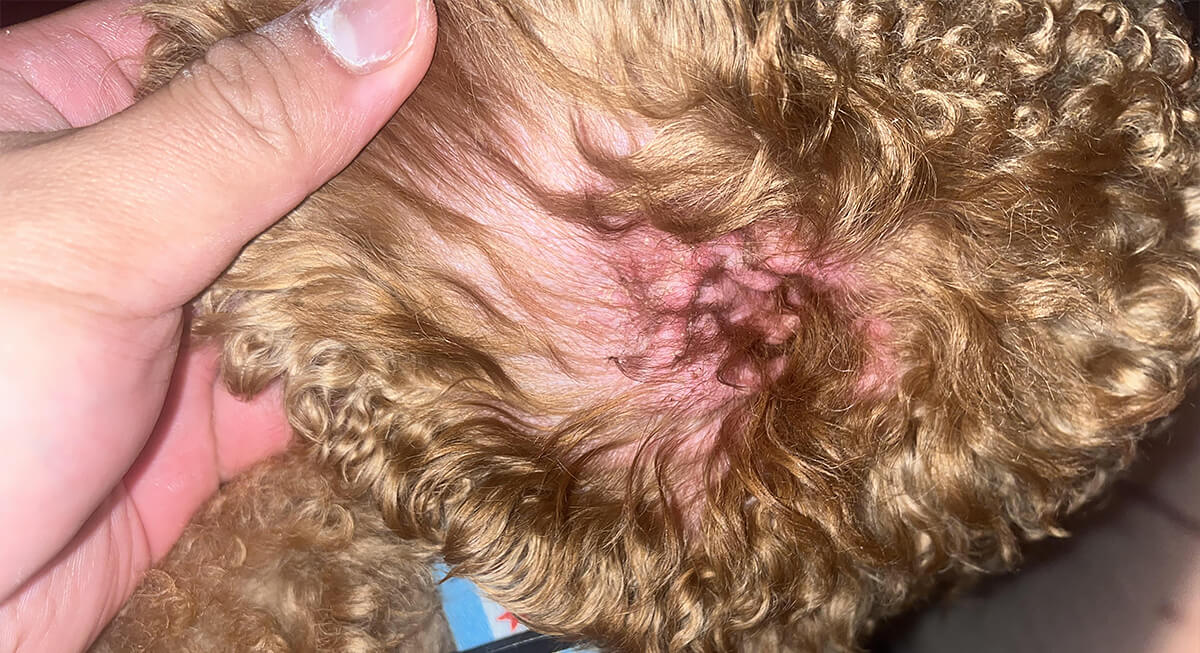
A healthy ear should look light pink and clear. If you notice a deeper red color or signs of irritation, something is likely bothering your dog’s ear. This change can happen slowly, so regular checks make it easier to catch early. Your dog may also pull away or react when you touch the area, which usually means it’s uncomfortable.
Scratching That Turns Persistent
Credit: pexels
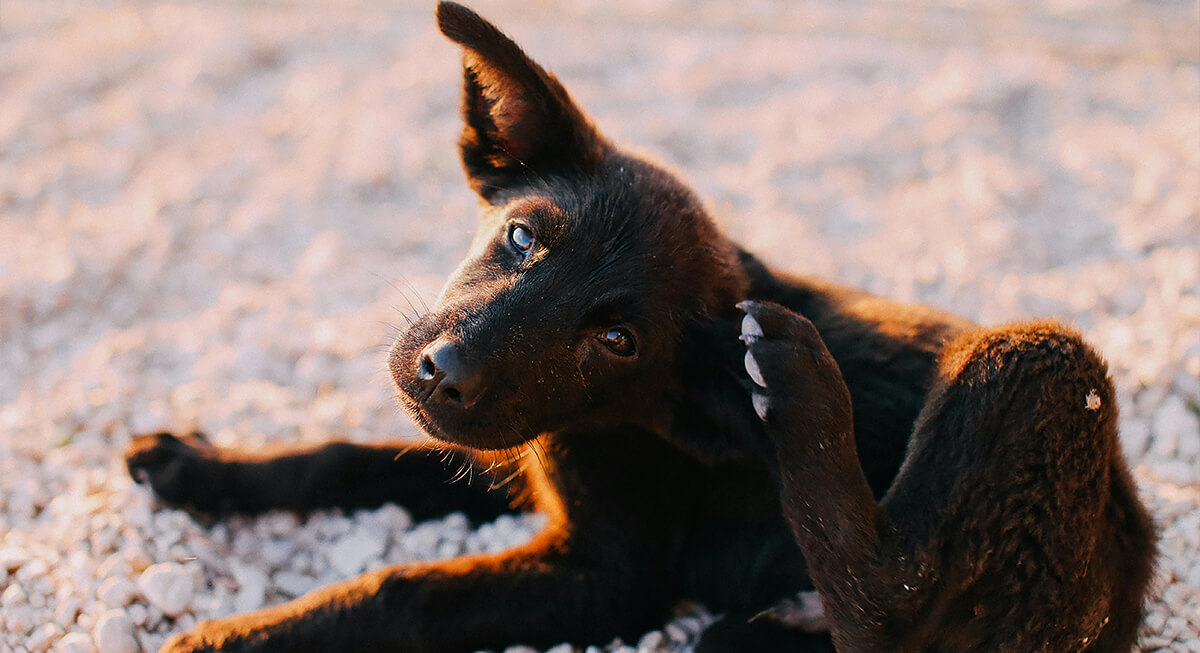
Dogs may rub against furniture or the floor to relieve discomfort. This behavior can lead to small injuries around the ear flap if it continues. Watch how often it happens during a day. Frequent scratching combined with other signs usually points toward a deeper issue rather than a simple itch.
Discharge or Unusual Wax Build-Up
Credit: pexels
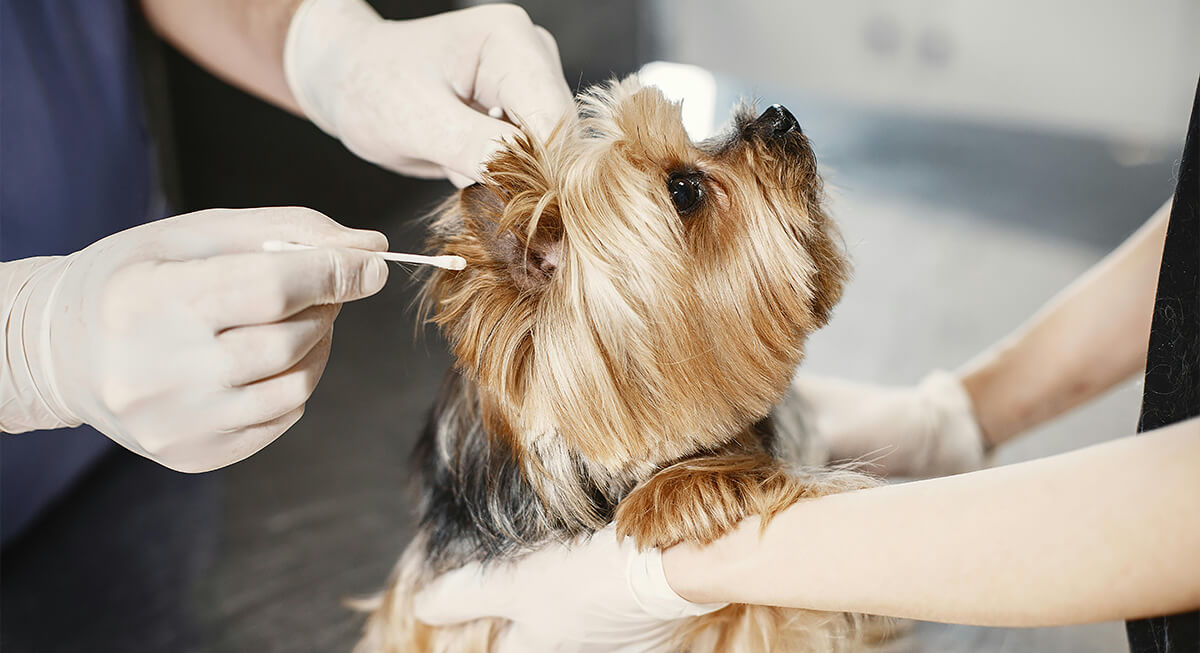
A small amount of earwax is normal, but noticeable buildup or unusual color deserves attention. Discharge may appear brown, yellow, or even slightly chunky. This material can block airflow inside the ear and create a space where bacteria thrive. Cleaning helps remove debris, though a heavy buildup may require veterinary evaluation first.
Sensitivity During Ear Handling
Credit: Canva
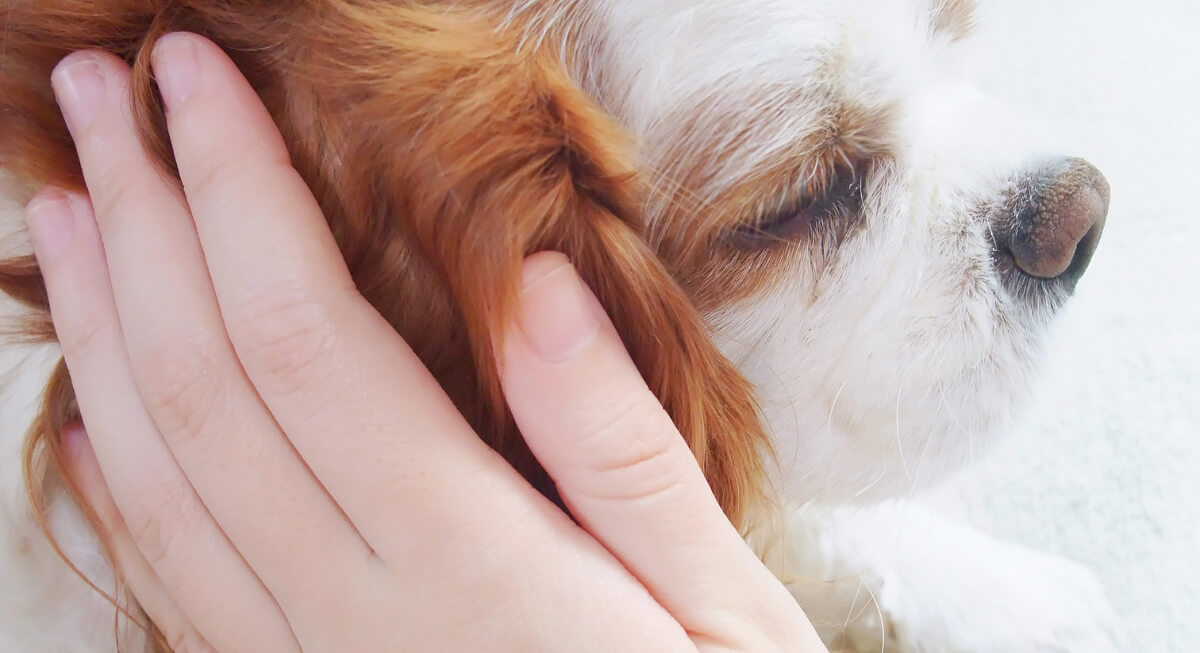
Most dogs are fine with gentle ear rubs, so if yours suddenly pulls away, flinches, or whines when you touch their ears, it usually means something hurts. This kind of reaction often shows up when the ear is irritated or infected. Even dogs that normally sit still for grooming may become hesitant or uncomfortable.
Cleaning Too Often Can Backfire
Credit: Getty Images
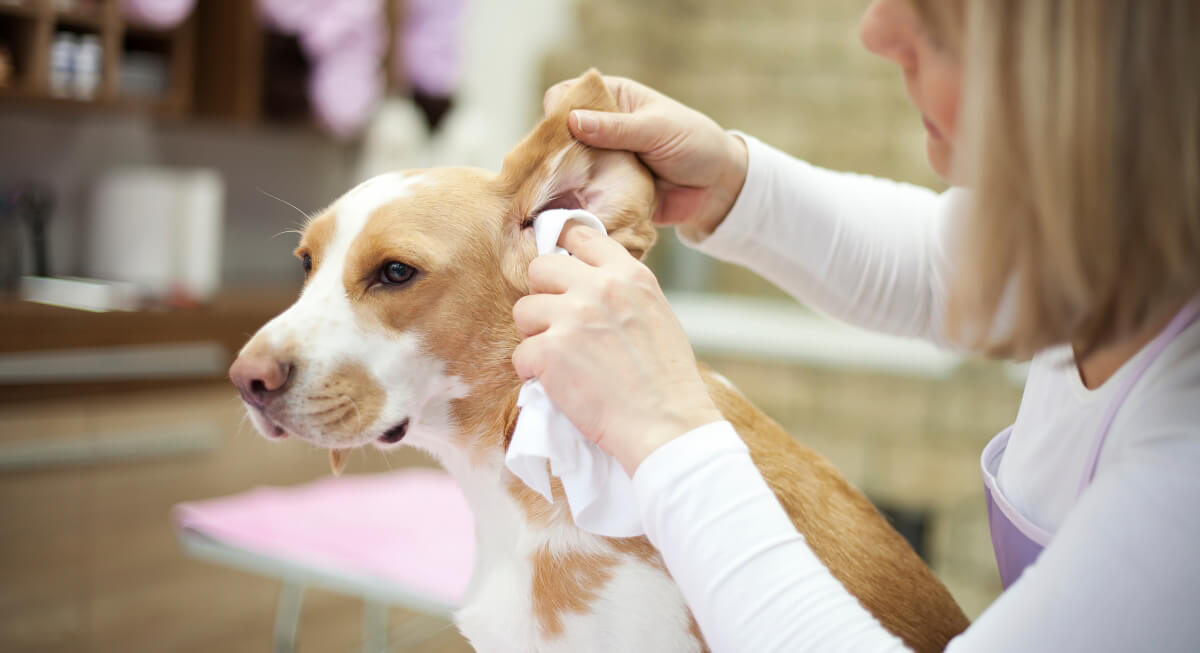
It’s easy to assume more cleaning means better hygiene, yet frequent cleaning can irritate the delicate skin inside the ear. This irritation may create the very problem you’re trying to prevent. Most dogs only need occasional cleaning unless they are prone to infections or spend time swimming. Regularly checking the ears matters more than constant cleaning.
Using the Right Cleaning Supplies Matters

Credit: Canva
A safe cleaning routine starts with proper tools. Cotton balls or gauze paired with a veterinarian-approved solution work best. Avoid cotton swabs since they can push debris deeper into the ear canal. Household liquids such as alcohol or hydrogen peroxide can also irritate sensitive tissue.
A Simple Cleaning Routine That Works
Credit: Getty Images
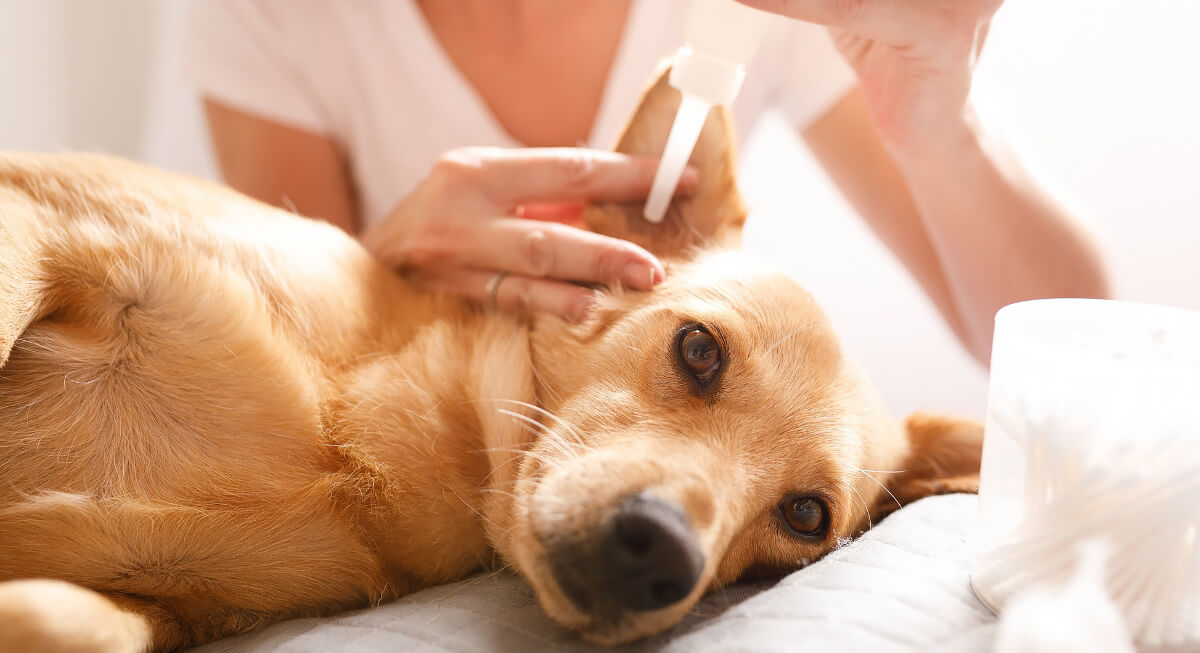
Start by applying a vet-approved solution into the ear canal, then gently massage the base of the ear. This helps loosen debris inside. After a brief massage, allow your dog to shake their head. That step brings material closer to the outer ear. Use gauze or a cotton ball to wipe what’s visible, staying shallow.
Knowing When to Call the Vet
Credit: Canva
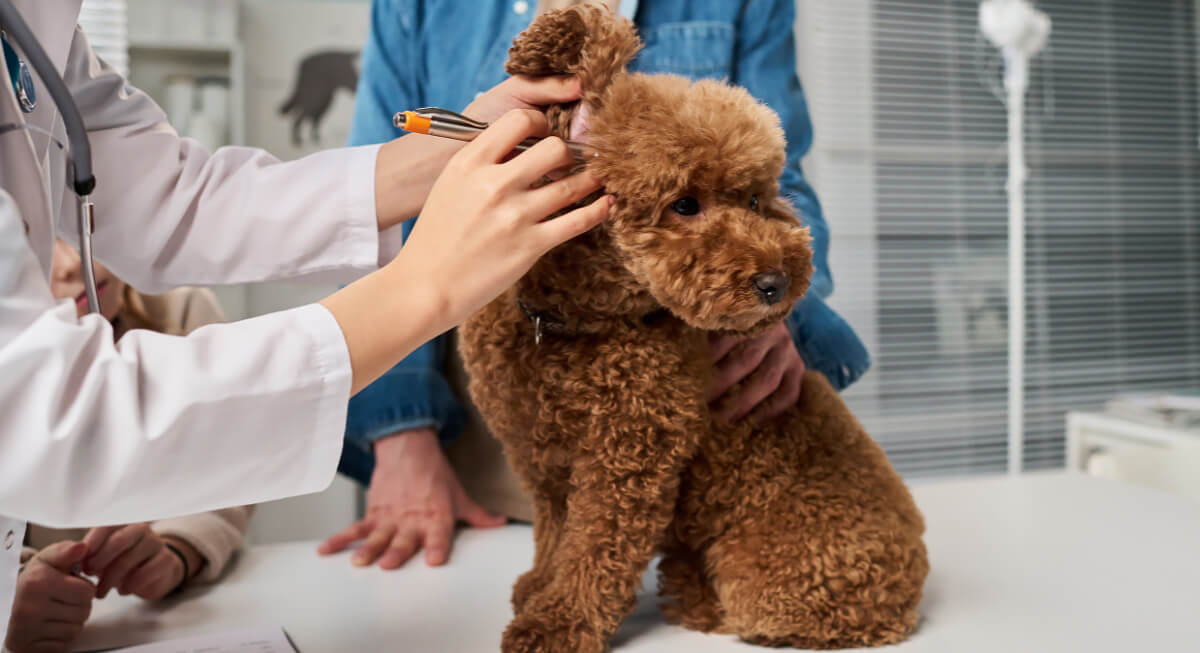
Home care has limits, and certain signs should never be handled alone. Strong odor, visible swelling, or signs of pain often point to an infection that needs treatment. Ear infections can worsen quickly if left untreated and may affect balance or hearing. A veterinarian can examine the ear safely and choose the right medication.