The Dog Grooming Mistakes That Can Actually Damage Your Pet’s Coat and Skin
A dog’s coat isn’t just about how it looks. It helps control body temperature, protects the skin, and acts as a barrier against dirt, bacteria, and moisture. Grooming directly affects how well that system works. When it’s done wrong, it can weaken the coat, irritate the skin, and even lead to infections. Small mistakes over time can cause bigger problems than most people expect.
Shaving Double-Coated Dogs Too Close
Credit: Getty Images
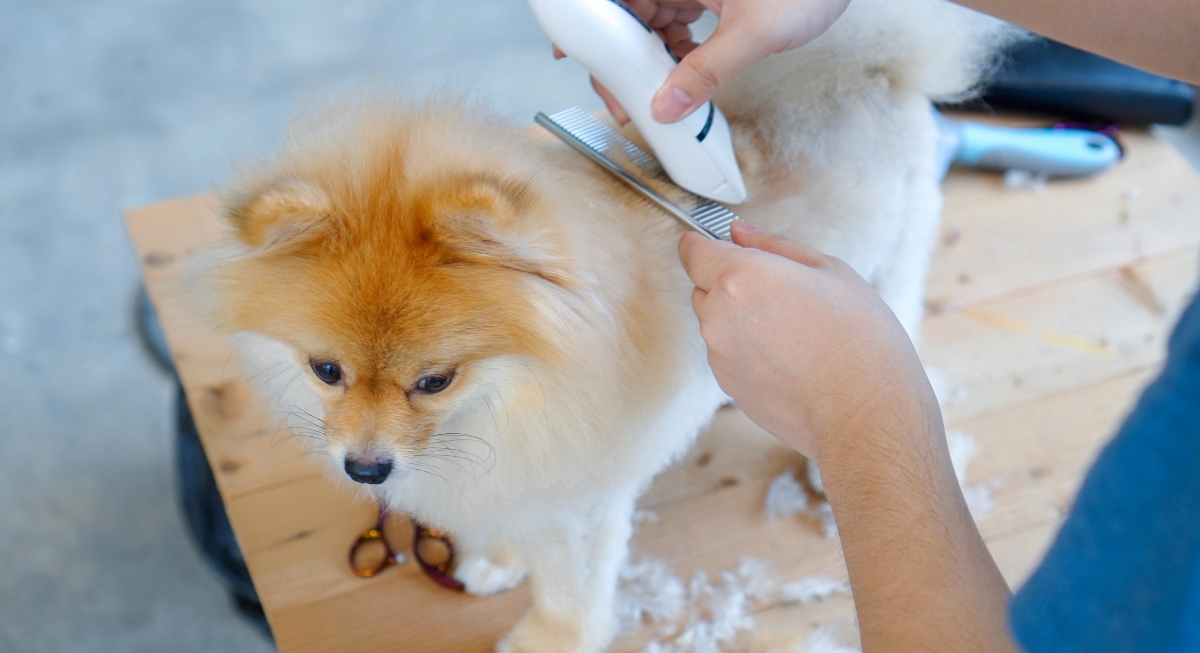
Removing too much coat exposes skin that isn’t built for direct environmental contact. Double coats trap air to regulate temperature, so shaving them disrupts that process and leaves the skin vulnerable to sunburn. Hair follicles can also be affected, which may lead to uneven or patchy regrowth instead of the original dense structure.
Using Human Shampoo on Dogs
Credit: Canva
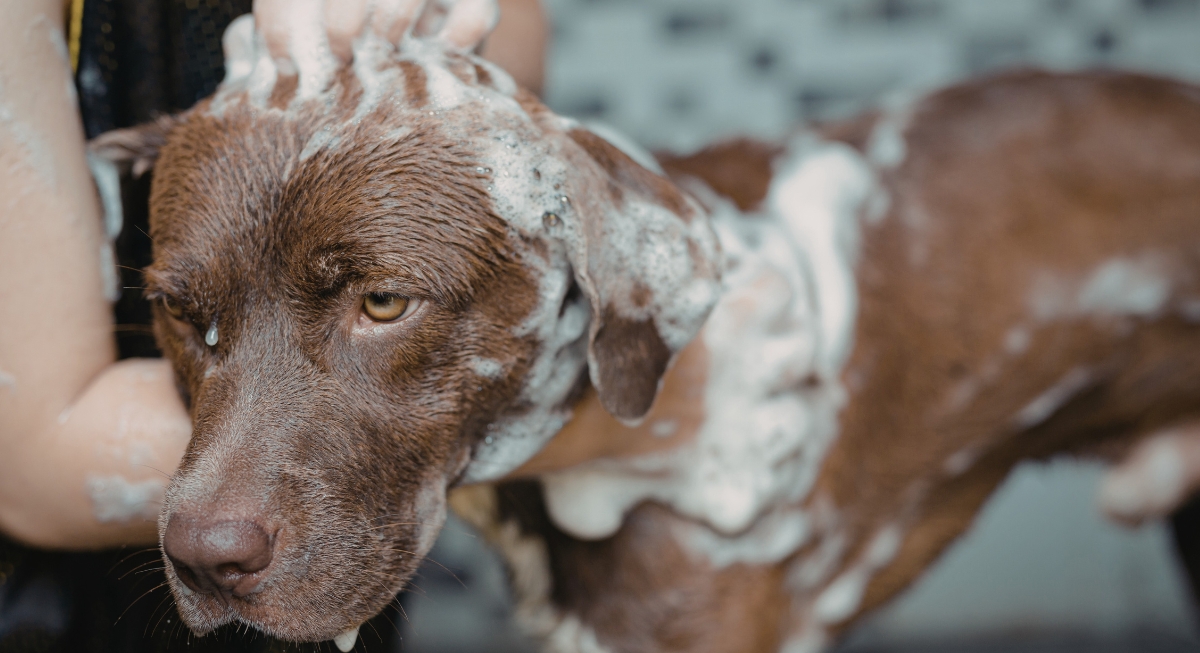
Dog skin is closer to neutral pH and lacks the protective acidic layer found in human skin. Products designed for people often contain stronger cleansing agents that strip natural oils too aggressively. Once that barrier breaks down, the skin becomes more susceptible to bacteria, yeast, and ongoing irritation that can affect both comfort and coat quality.
Bathing Too Frequently
Credit: Canva
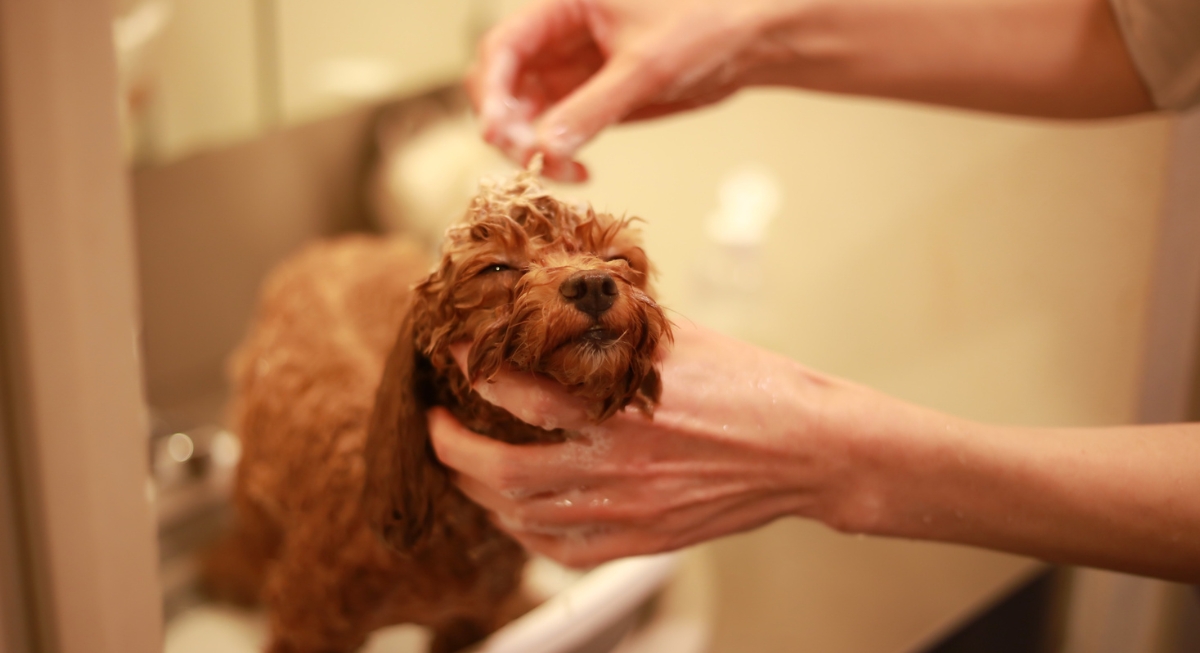
Frequent washing removes the oils that keep skin hydrated and the coat flexible. Without that layer, dryness sets in, and the coat begins to lose its protective function. Over time, this can lead to flaking, itchiness, and a dull, rather than smooth, coat, even when regularly groomed.
Leaving Shampoo Residue Behind
Credit: Canva
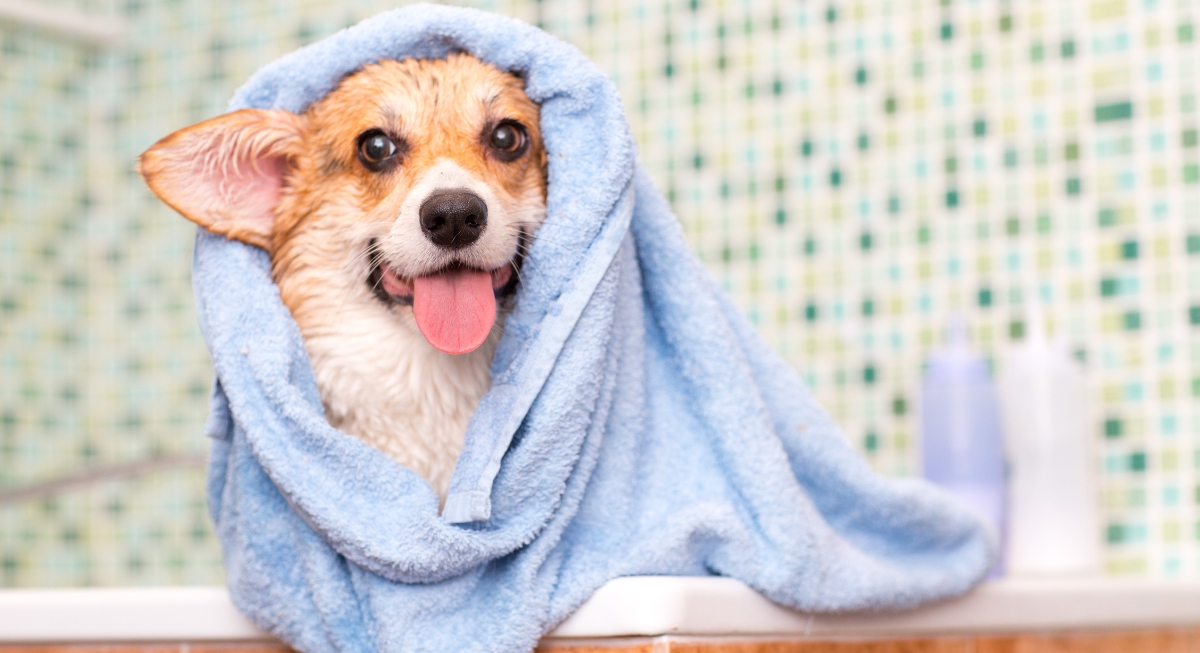
What stays in the coat after a bath matters just as much as the wash itself. Residual shampoo continues interacting with the skin, which can trigger irritation, flaking, or even infection if buildup persists. Thick coats make this easier to miss, especially around areas like the underarms and belly, where product tends to collect.
Letting Water Sit in the Ears
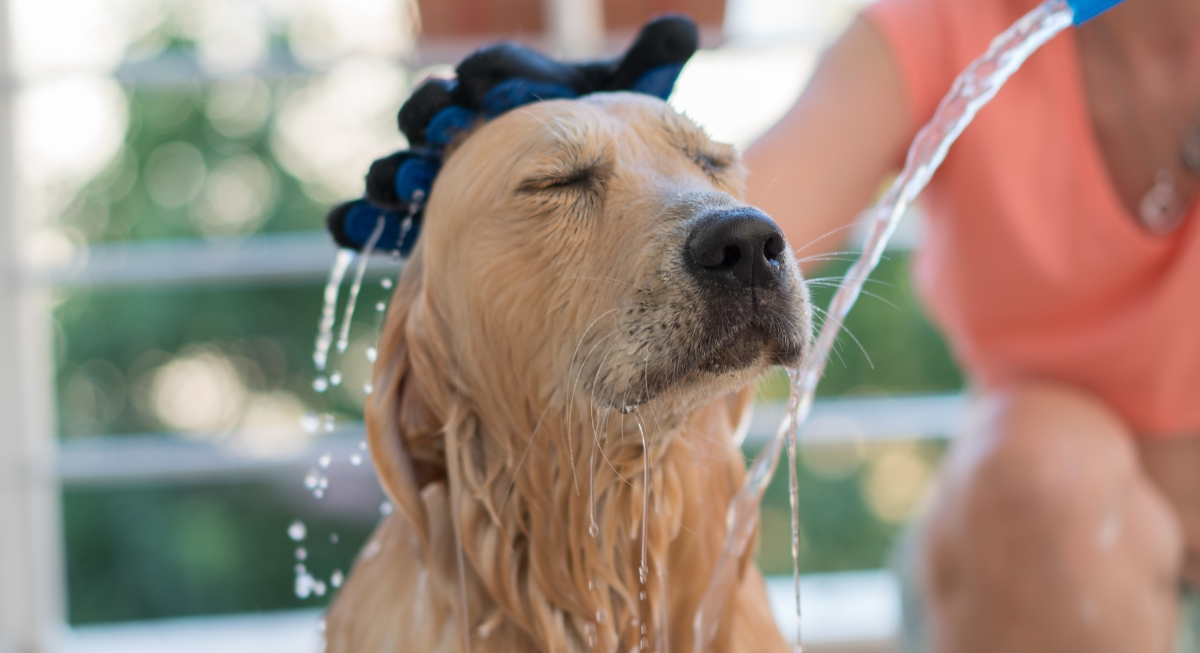
Credit: Getty Images
A dog’s ear canal traps moisture more easily than expected, especially after a bath. When water stays inside, it creates a warm environment where bacteria can multiply quickly. That shift often leads to inflammation or infection, which can spread beyond the ear if not addressed early.
Brushing a Wet Coat
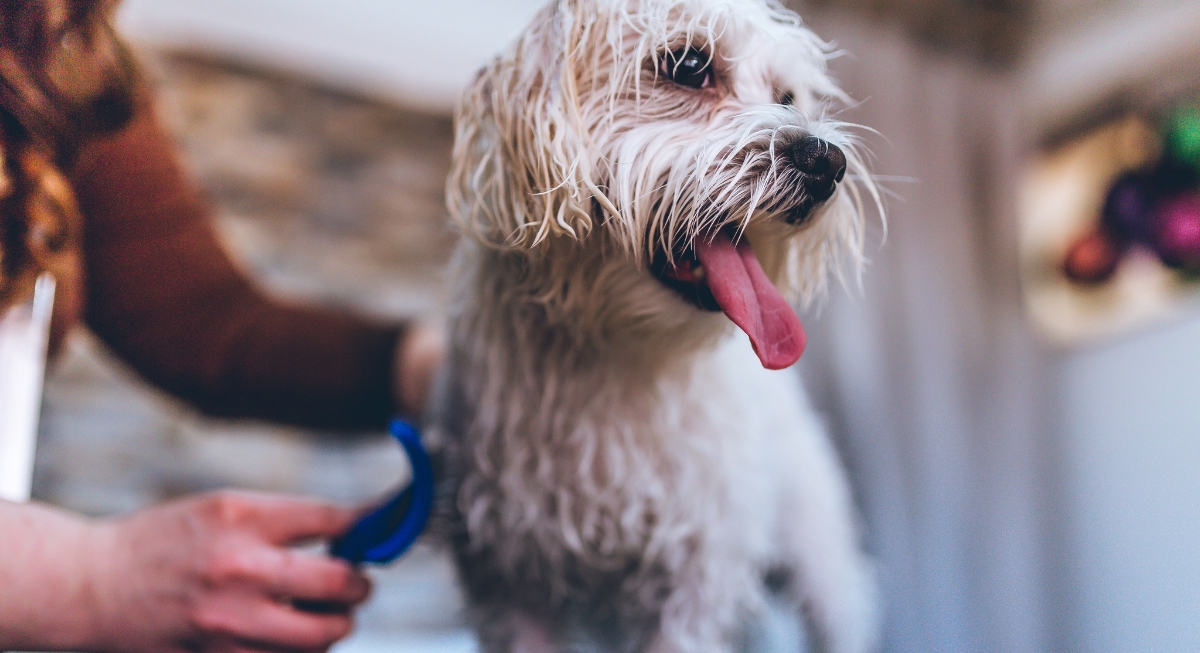
Credit: Getty Images
Hair behaves differently when it’s wet. It stretches more and becomes easier to pull or break under tension. Running a brush through damp fur can tug at both the hair and the skin underneath, leading to discomfort and gradual coat damage. Mats also tighten when wet, which makes them harder to manage during the process.
Skipping Regular Brushing
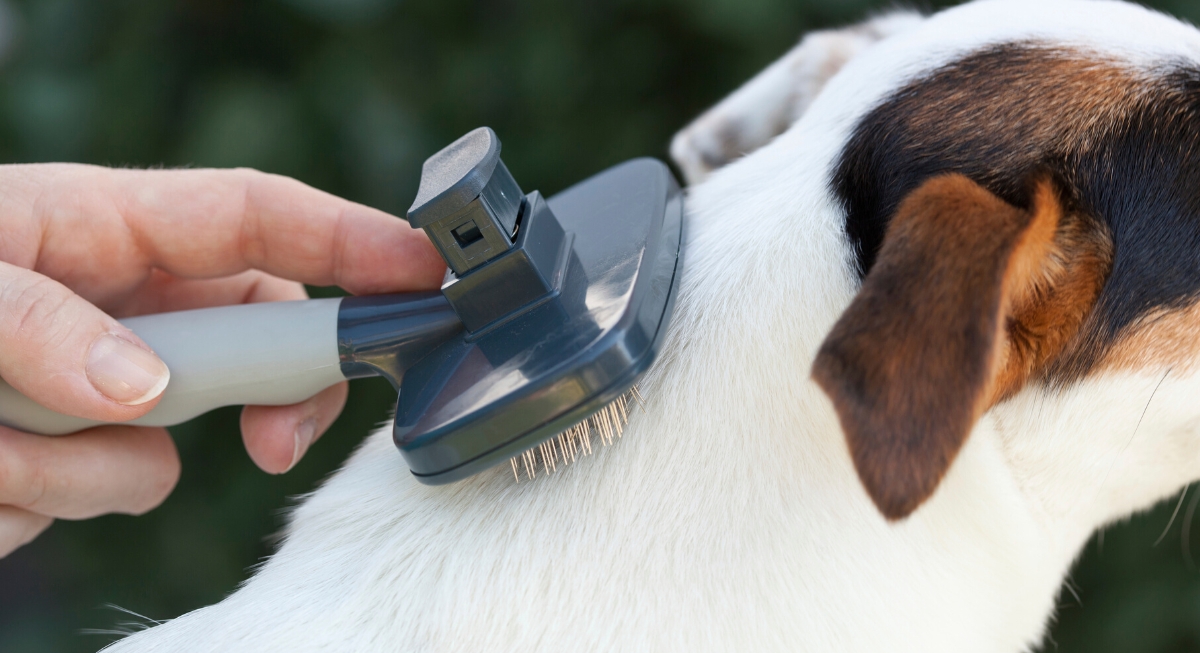
Credit: Canva
When brushing is inconsistent, loose hair, dirt, and moisture stay trapped in the coat. That buildup reduces airflow and creates pressure points against the skin. Over time, this environment encourages irritation and makes matting more likely, which then compounds the problem by holding even more debris and moisture in place.
Drying the Coat Incompletely
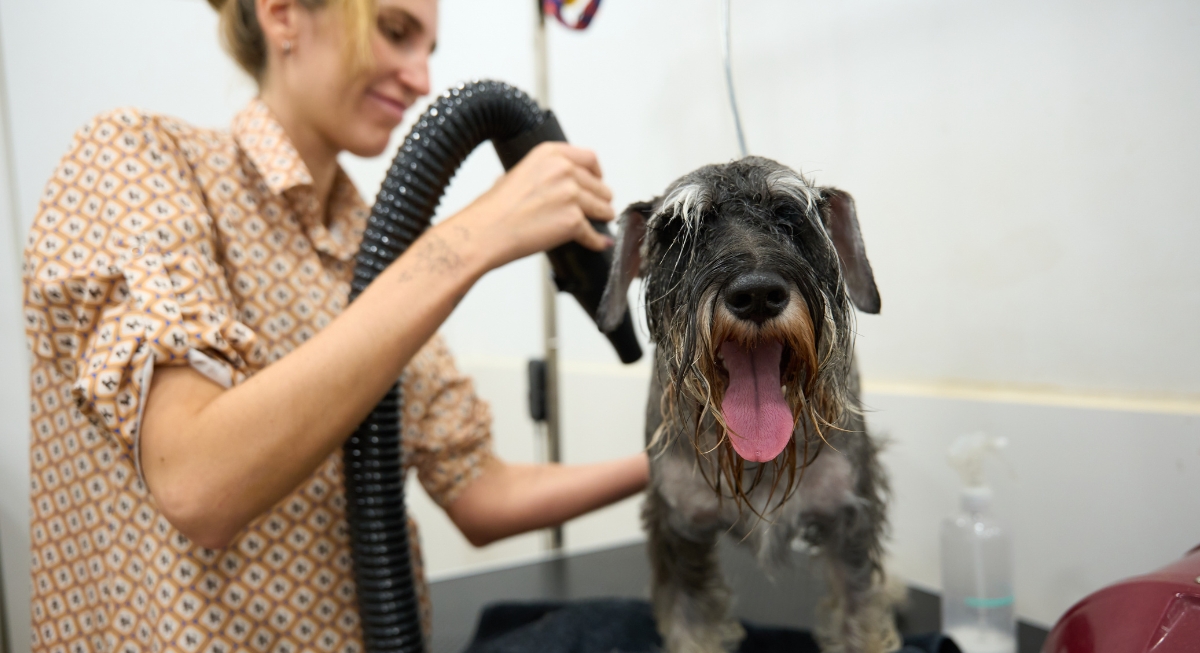
Credit: Canva
A coat that looks dry on the surface can still hold moisture deeper inside. That trapped dampness affects the skin over time, leading to itching or localized irritation. In thicker coats, it can also create the conditions needed for bacterial or fungal growth, especially if grooming routines repeat before the coat fully dries.
Cutting Through Mats Without Care
Credit: Canva
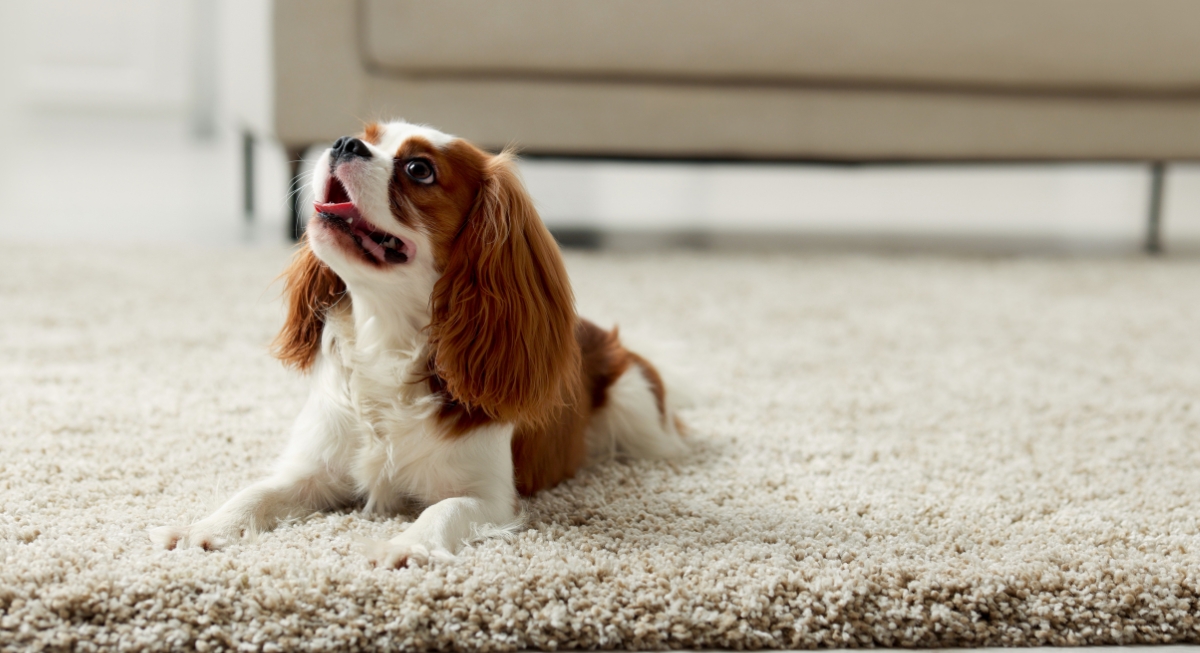
Mats sit close to the skin, and cutting into them without proper control increases the risk of nicking the skin itself. Even when cuts are avoided, removing tangled sections unevenly can disrupt how the coat grows back. The result often shows up later as thin patches or an inconsistent texture across the coat.
Ignoring Nail Maintenance
Credit: Canva
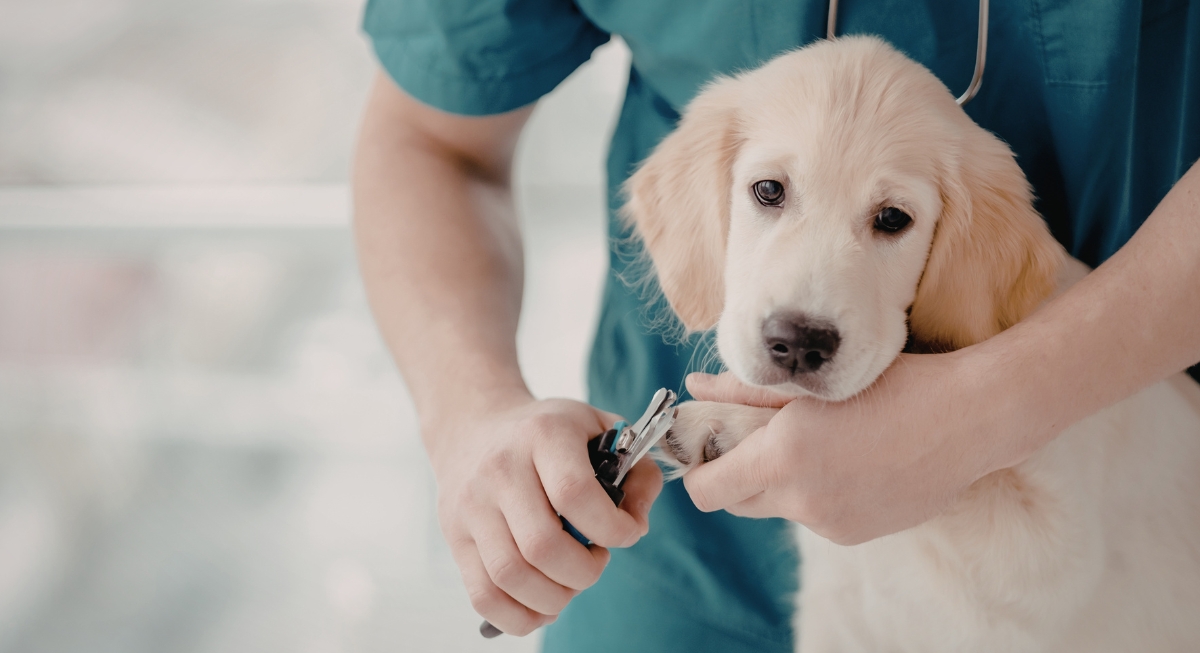
Nails affect how a dog distributes weight when standing and walking. When they grow too long, pressure shifts across the paws and joints, which can lead to discomfort and changes in movement. In severe cases, nails can curl into the paw pad, creating wounds that expose the skin to infection.