7 Ways Your Dog Knows You’re Coming Home Before You Even Arrive
Dogs have a way of knowing things we don’t fully understand, like sensing when you’re almost home. Long before your key turns the lock, they may already be at the door, tail ready. Dogs rely on sound, smell, habit, and emotional bonding to pick up subtle signals that predict your arrival.
Some of it is learned over time. Other parts still puzzle researchers. Here’s how they seem to spot your return before it even happens.
They Recognize Vehicle Sounds
Credit: Getty Images
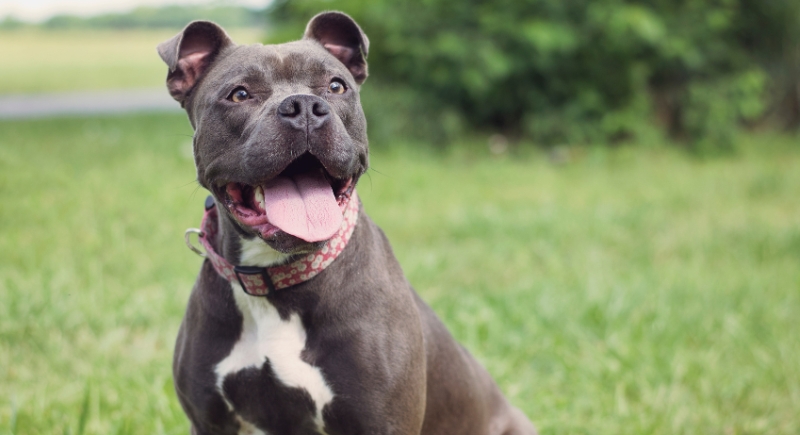
Dogs can hear sounds from much farther away than humans and often pick up on familiar patterns in their environment. Over time, they may associate the sound of their owner’s car slowing down or pulling into the driveway. These repeated sound sequences can become reliable signals that their person is close to home.
They May Track Changes in Lingering Scent Indoors
Credit: pexels
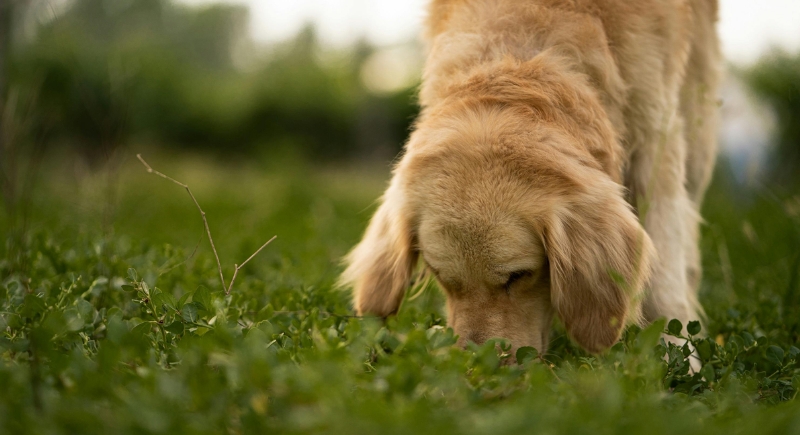
Some researchers suggest dogs may notice how their owner’s scent fades inside the home over time. When owners leave, scent concentration gradually decreases. If a dog experiences this pattern repeatedly, it may begin to associate a lower level of lingering scent with the typical time its owner returns. This remains a hypothesis rather than a proven mechanism.
They Respond to Others’ Routine Signals

Credit: pexels
Your dog may pay close attention to human behavior and may notice patterns that signal an approaching reunion. For example, they can learn to associate a phone call, food being warmed on the stove, or other repeated behaviors with an owner arriving shortly afterward. These repeated sequences become learned cues over time.
They React to Neighborhood Rhythms
Credit: Getty Images
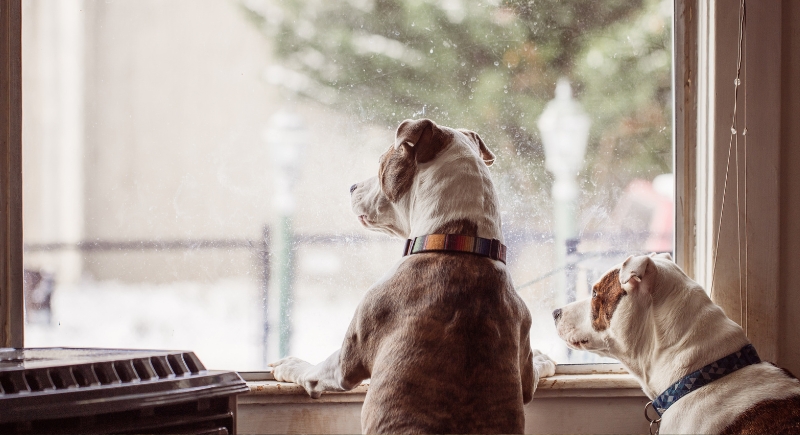
It’s not just what happens inside. Dogs also remain highly aware of their surroundings and may link outside cues to their owner’s arrival. Sounds such as distant dogs barking, elevator movement, increased traffic noise, or other recurring neighborhood activity can form a familiar pattern that signals their owner is nearby. These cues gain meaning through repeated association.
They Rely on Daily Timing
Credit: pixabay
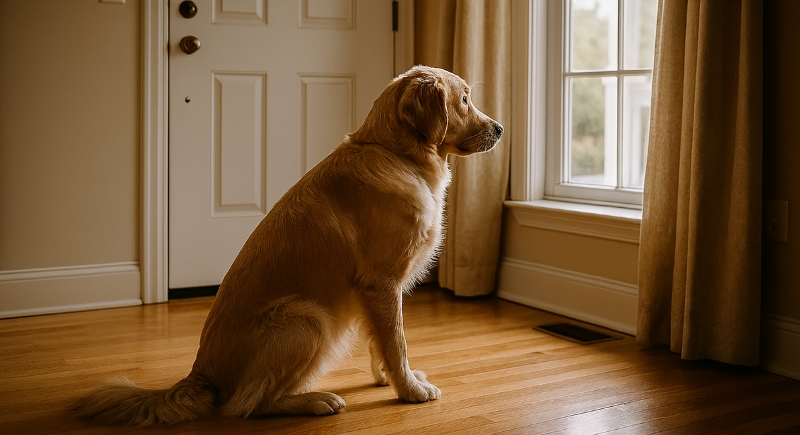
Dogs follow daily biological rhythms and often anticipate regular events. Changes in light, daily routines, and internal body clocks help them form expectations about when certain things happen. When an owner returns home at roughly the same time each day, dogs may begin to anticipate that moment based on their circadian rhythms and daily patterns.
They Link Pre-Arrival Habits to You
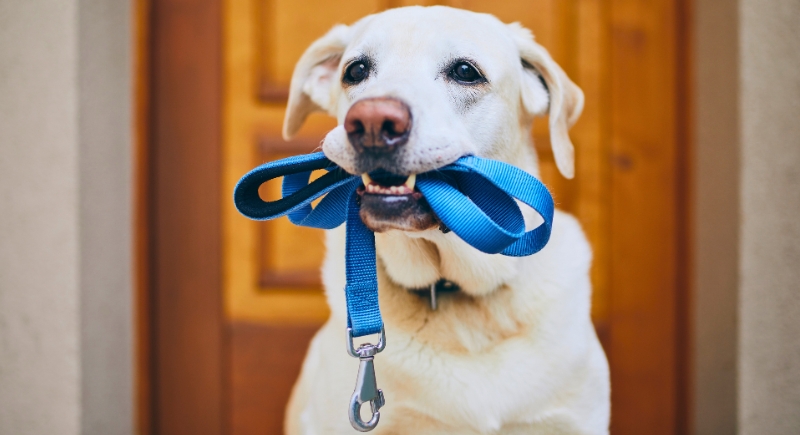
Credit: chalabalaphotos
Humans repeat themselves more than they realize. If someone tends to adjust the thermostat, dim the lights, or retrieve your favorite blanket shortly before you get home, dogs take note. What seems like nothing to you becomes part of a reliable chain of clues to them.
Some Responses Defy Explanation

Credit: Getty Images
Cases like the famous Jaytee experiment highlight how little we fully understand. Jaytee waited by the window shortly before his owner’s return, despite unpredictable schedules and no identifiable sensory triggers. Sometimes, even scientists admit they’re stumped by what dogs seem to just know.