8 Reasons Why Your Dog Might Be Limping
Noticing your dog favors one leg can be unsettling, especially when it seems to come out of nowhere. Limping is your dog’s way of signaling that something feels off, even if the cause is not immediately obvious. It can range from a mild irritation to a more serious injury, but it almost always involves discomfort. Below are some of the most common reasons dogs limp, along with how each issue can affect the way your dog moves.
Joint Conditions Like Hip Or Elbow Dysplasia
Credit: Getty Images
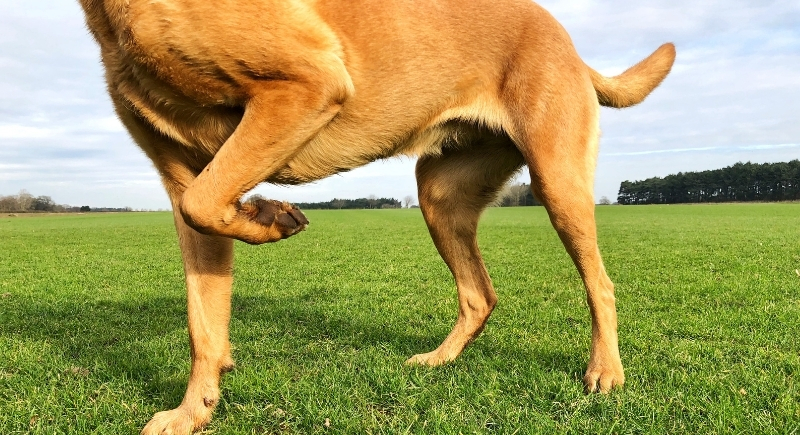
Hip or elbow dysplasia occurs when the joint doesn’t form properly, leading to abnormal movement and wear over time. Larger breeds are more prone to this, especially if they grow too fast. It can start with a subtle limp after play and gradually turn into stiffness or reduced activity.
Ligament Injuries, Especially In The Knee
Credit: pixabay
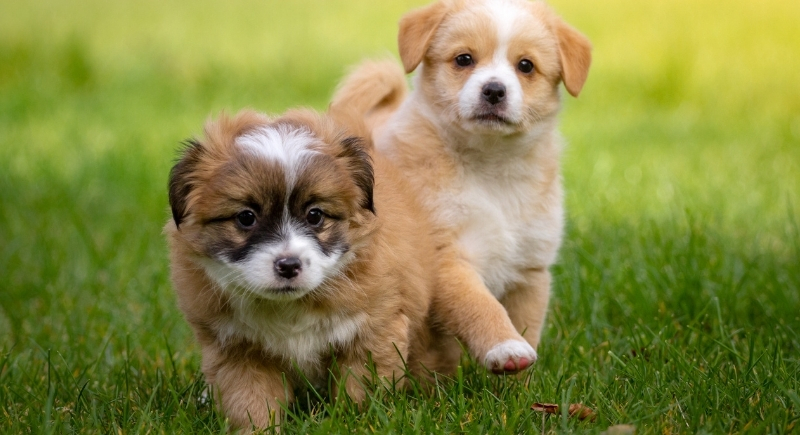
The cranial cruciate ligament (CCL) in dogs works like an ACL in people. A partial tear might cause on-and-off limping, but a full rupture usually makes a dog avoid putting weight on the leg entirely. It’s one of the most common orthopedic injuries in dogs, and active breeds are at higher risk.
Injuries To The Paw Or Nails
Credit: Canva
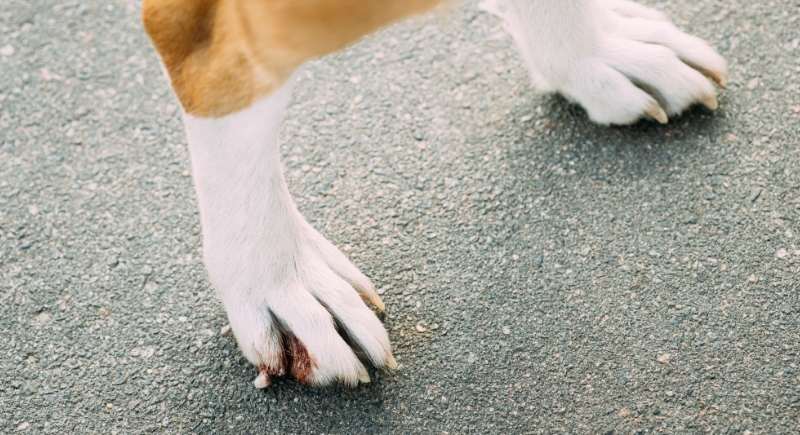
Even something small, like a split nail or a pebble wedged between the toes, can lead to limping that seems more dramatic than the injury itself. Dogs feel a lot through their paws, and anything sharp, stuck, or inflamed will throw off their gait.
Osteoarthritis And Wear-And-Tear
Credit: pexels
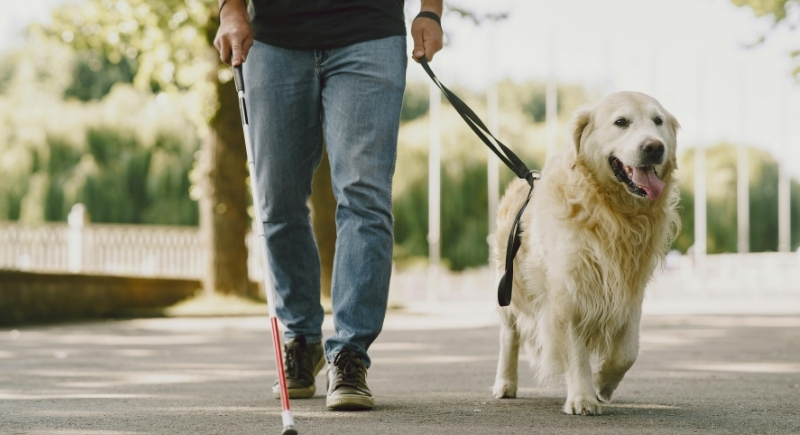
As dogs age, arthritis becomes more common, particularly in those with prior injuries or a genetic tendency toward joint problems. Over time, the cartilage that cushions joints wears down, making movement feel rougher than smooth. This can leave your dog stiff and sore, with limping that is often more noticeable after resting or following longer walks.
Panosteitis In Young, Large-Breed Dogs
Credit: Canva
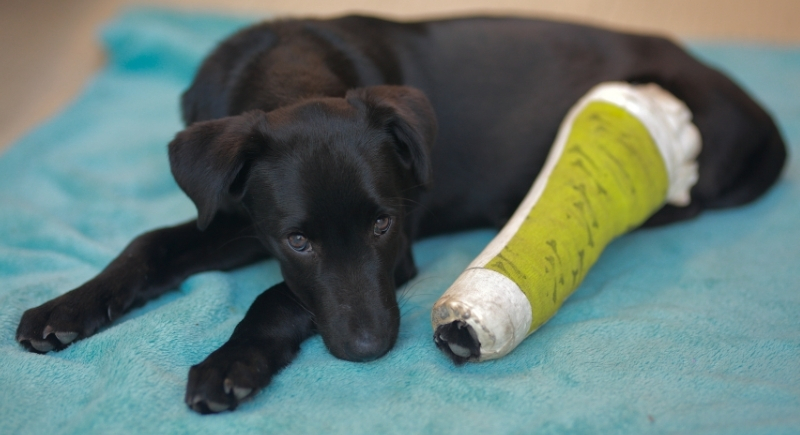
This one’s sometimes called “growing pains,” and it mostly affects big-boned puppies. Panosteitis involves temporary inflammation inside the long bones. It tends to appear suddenly and can even shift legs, which confuses many pet owners. The good news is that it usually resolves with time and occasional anti-inflammatory meds.
Spinal Problems That Affect Leg Use
Credit: Canva
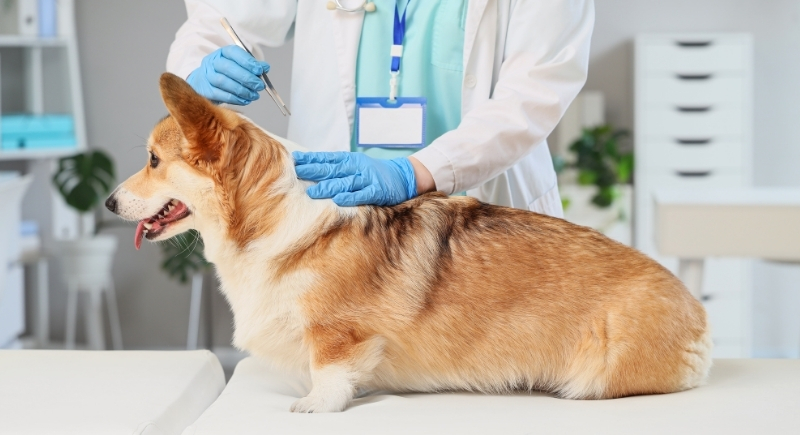
Not all limping starts in the leg. Some issues begin in the spine. Intervertebral disc disease (IVDD), for example, causes back pain and pressure on nerves, which can make walking painful or even cause leg weakness. Dogs with IVDD might have a stiff gait or drag a foot.
Shoulder Injuries Or Instability
Credit: Getty Images
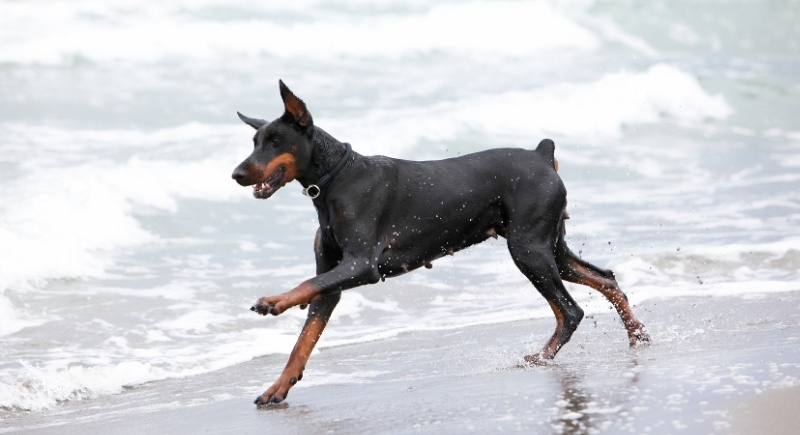
The shoulder joint plays a major role in a dog’s movement, and issues here can be easy to miss. Medial shoulder instability often affects active dogs and may not show up on routine X-rays. If the limp lingers without swelling or visible injury, a shoulder exam might be needed.
Bone Cancer In Middle-Aged Or Older Dogs
Credit: Getty Images
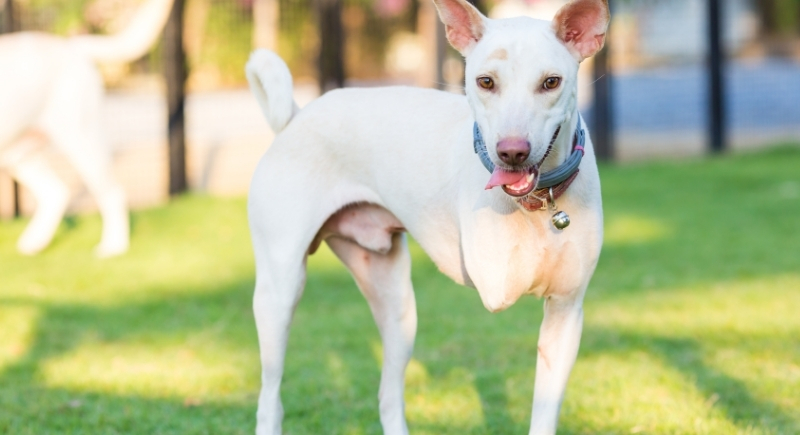
Osteosarcoma is an aggressive cancer that often affects the leg bones, especially in large breeds. It may look like a minor limp at first, but the pain escalates quickly. Swelling, heat, and reluctance to use the leg follow. Though rare overall, it’s one of the most serious causes of lameness.
Insect Bites Or Foreign Bodies
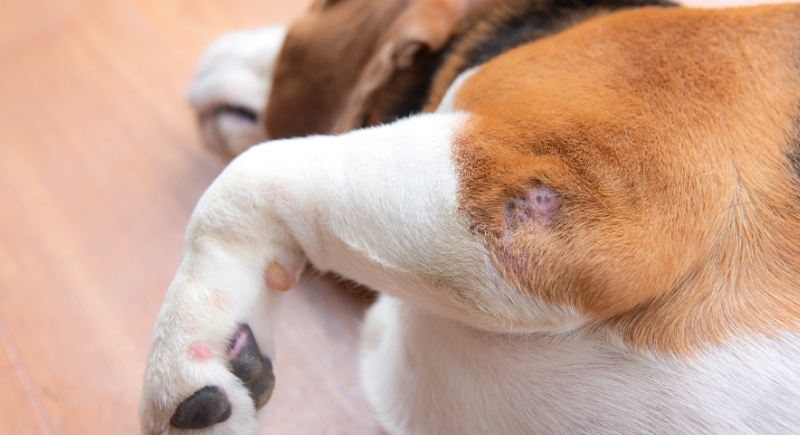
Credit: Getty Images
A bee sting or spider bite might cause sudden limping and swelling, usually near the paw. Dogs who roam in fields or wooded areas are more likely to pick up splinters or burrs. If the limp started after outdoor time and your dog’s paw looks puffy or red, this might be the culprit.
Muscle Strains After Intense Play
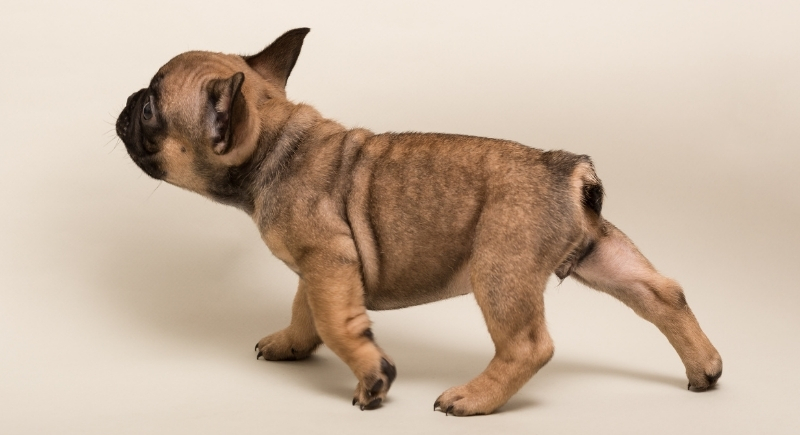
Credit: Canva
Dogs don’t warm up before they sprint across the yard or leap off a couch, which makes strains pretty common. A pulled muscle won’t always cause a full-on limp, but you might notice slower movement or reluctance to jump. These soft tissue injuries often improve with rest and limited activity.