10 Dog Breeds That Are Hardest to Potty Train
Potty training always requires effort, but certain dog breeds can make the process last longer than expected. They either follow their noses instead of routines or have small bladders that require constant scheduling. A few simply prefer doing things their own way. Knowing which breeds are harder to potty train helps set realistic expectations and avoid frustration early on.
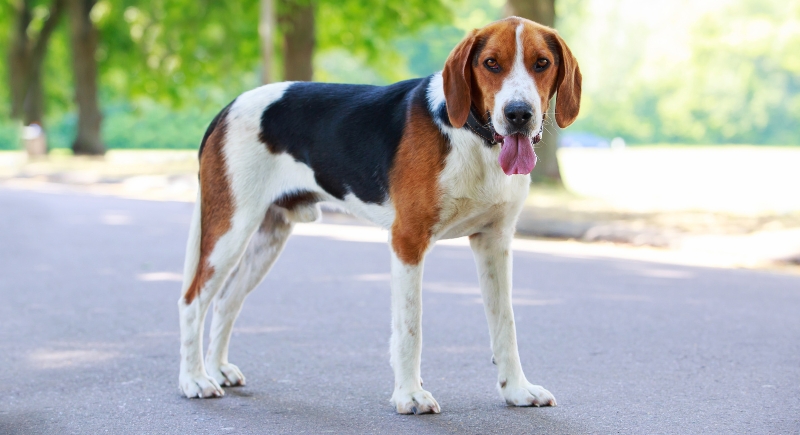
American Foxhound
Credit: Getty Images
The American foxhound was developed to track scents over long distances, which explains why focus can drift fast during training sessions. Independence is one of their defining traits and is often expressed as resistance to structured routines. The strong instinct to follow smells makes outdoor distractions overpower bathroom cues. Consistency matters because this breed does not generalize lessons quickly. First-time owners often underestimate how much repetition is required for progress.
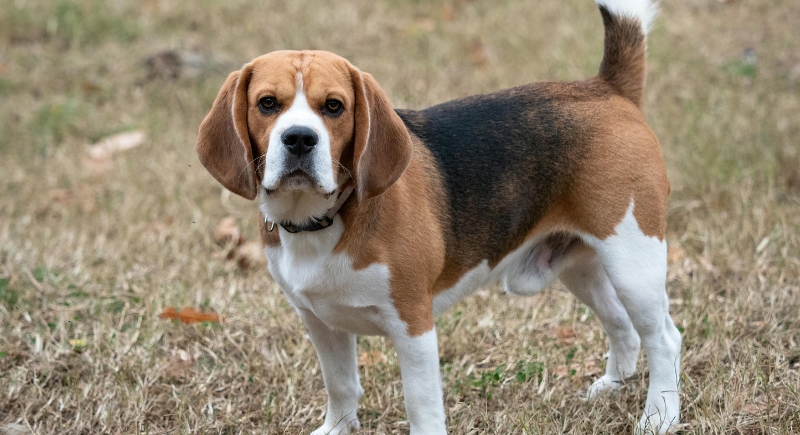
Beagle
Credit: pexels
The Beagle’s powerful nose drives nearly every decision it makes during the day. Their attention tends to shift the moment an interesting scent appears, even during potty breaks. Additionally, their memory can be selective, which slows the formation of habits. Successful training usually comes when bathroom trips are timed rather than based on behavior cues.
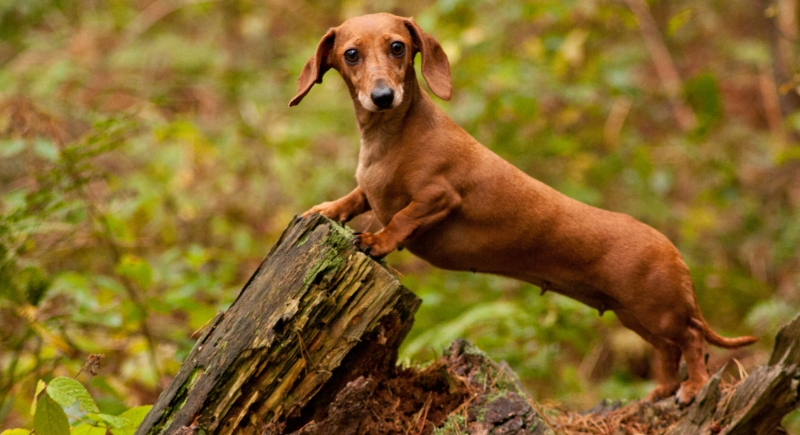
Dachshund
Credit: Getty Images
Bad weather frequently stops dachshunds from cooperating with outdoor potty plans. Sensitivity to cold and rain leads to avoidance rather than compliance. Intelligence helps them learn fast, but stubborn streaks can undo progress. Being consistent matters because their habits fade quickly if routines change. Positive reinforcement works better than raised voices, since stress causes setbacks.
Bichon Frise

Credit: Getty Images
A Bichon Frise’s small bladder means accidents happen faster than many owners expect. Their clever behavior sometimes turns into testing boundaries around the house. On top of that, separation from people can trigger indoor accidents tied to anxiety. Frequent breaks help manage physical limits. This dog often responds better to crate routines than open roaming early on.
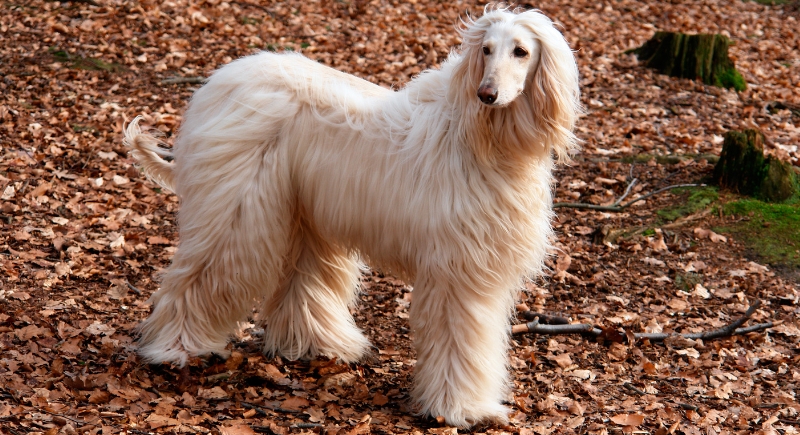
Afghan Hound
Credit: Getty Images
The Afghan Hound’s personality is defined by its Independent thinking. Training takes longer because motivation does not come naturally, while sensitivity to tone affects how lessons are received. Professional trainers are often used early to establish a foundation.
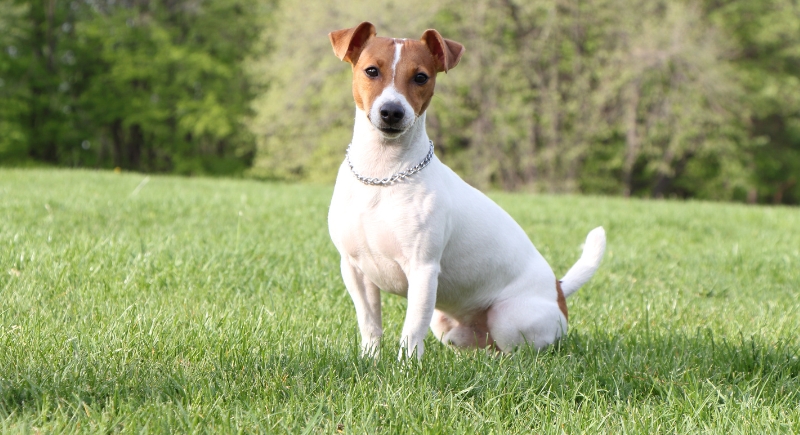
Jack Russell Terrier
Credit: Getty Images
When it comes to energy levels, Jack Russell terriers maintain high energy throughout the day, which makes calm bathroom routines difficult. Their focus shifts rapidly between tasks and surroundings. The tendency towards impulsivity also increases the risk of indoor accidents during play. Structured schedules help more than flexible timing.
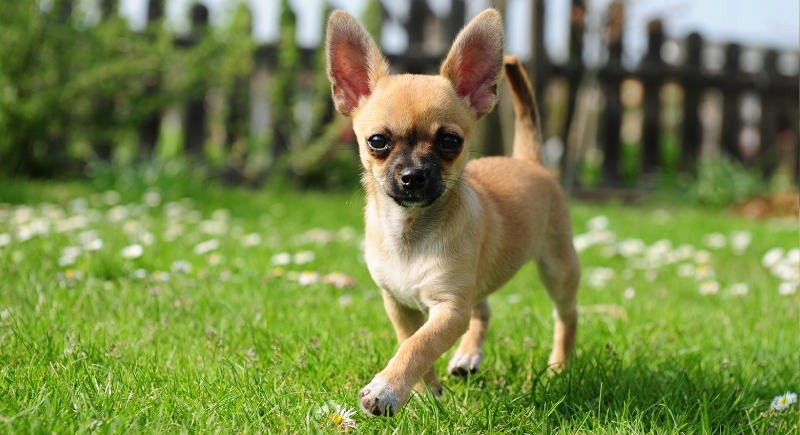
Chihuahua
Credit: Getty Images
The Chi’s tiny bladder capacity shortens the window between bathroom trips. Cold weather discourages chihuahuas from making outdoor trips and delays learning. Owners sometimes carry this breed, which disrupts routine building. Indoor pads are often used longer than planned. Consistent timing matters more than command training.
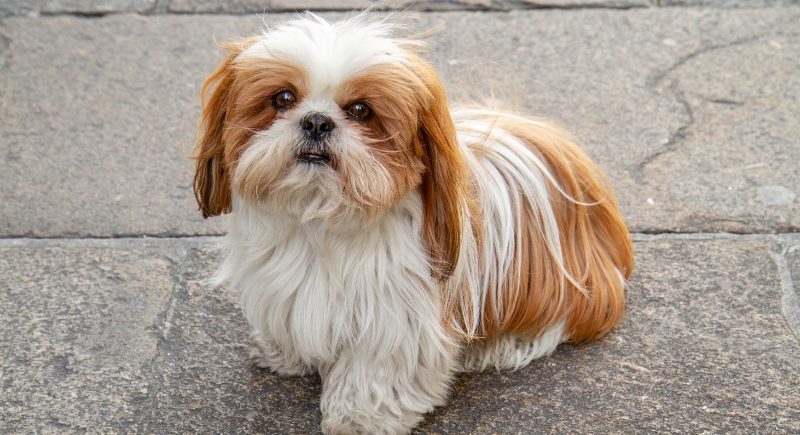
Shih Tzu
Credit: Canva
Shih Tzus have a stubborn tendency that shows up early during housebreaking. Their small stature contributes to frequent accidents when schedules slip, and they often struggle to generalize training across rooms. Positive reinforcement works best because correction creates avoidance. Progress improves when routines stay predictable.
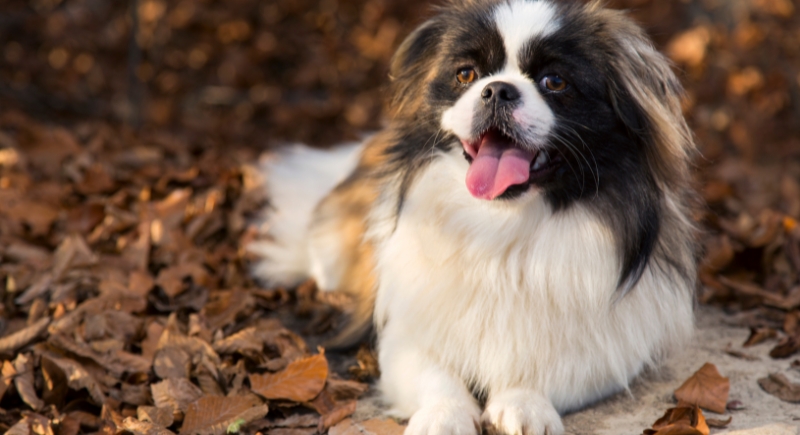
Pekingese
Credit: Getty Images
Pekingese are all about independence. Their motivation to please ranks lower than comfort. They also have a physical build, which makes long outdoor waits uncomfortable. Potty signals can be subtle and easy to miss, so short and frequent trips are a must.
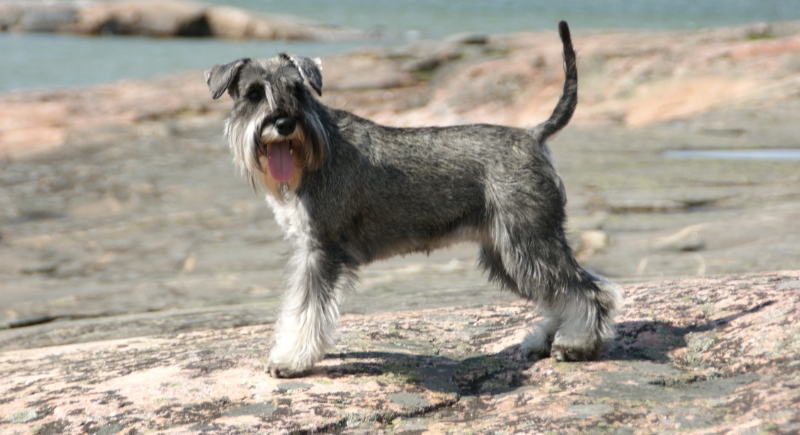
Miniature Schnauzer
Credit: Getty Images
Alert personalities make this breed easily distracted. Miniature Schnauzers react to noise and movement rather than focusing on routines. Anxiety can trigger indoor accidents during schedule changes. Early training helps, but progress often comes in waves. Owners usually need extra cleanup supplies early on.