10 Tips for Helping a Dog That’s Scared of Fireworks
Fireworks displays usually excite crowds, but most dogs see things differently. The problem is partly because they can hear frequencies up to 65,000 Hz compared to our measly 20,000 Hz, meaning every pop and crackle hits them with intensity. Luckily for dogs and their parents, we’ve curated ten strategies to help them remain calm during Fourth of July or New Year’s Eve fireworks.
Build a Cozy Safe Space
Credit: Canva
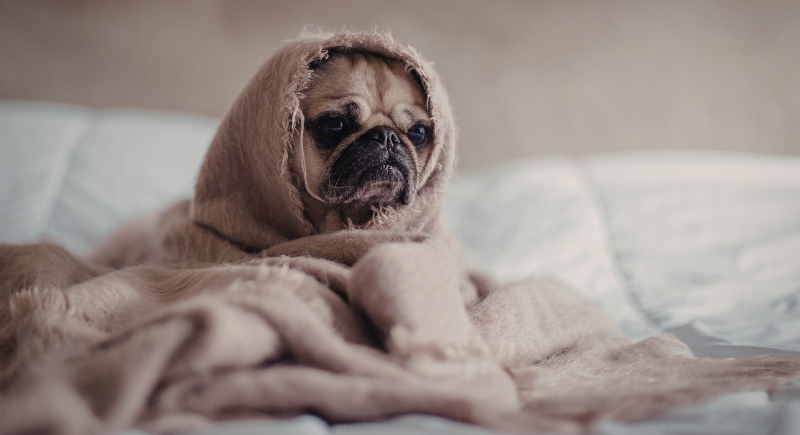
Dogs instinctively seek enclosed spaces when they feel threatened, so give yours a dedicated retreat before the booms begin. Their crate works perfectly if you drape a thick blanket over the top and sides, blocking out flashes and muffling noise. Leave one side open for ventilation and toss in their favorite toys. They might even build a panic room, and that’s fine. Just let them choose their sanctuary.
Mask the Noise With Background Sound
Credit: Canva
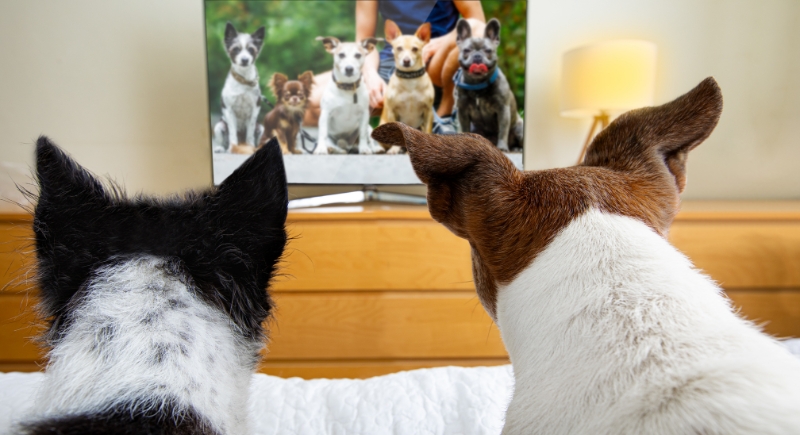
White noise machines or calming music can work wonders by drowning out the unpredictable bangs that spike your dog’s anxiety. Turn on the TV, play classical music playlists for anxious dogs on music apps, or run a fan at a steady volume. The goal is a consistent sound that camouflages those jarring explosions.
Close Curtains and Block Windows

Credit: Canva
Pulling curtains and shutting windows cuts down both light flashes and noise from fireworks. In cities, sound echoes between buildings, which makes each bang feel louder indoors. Rolling towels and placing them under doors helps absorb some of that noise. Once fireworks begin, keep cat flaps closed, stay away from open windows, and focus on making one calm, enclosed space inside.
Try Desensitization Training Year-Round
Credit: pexels
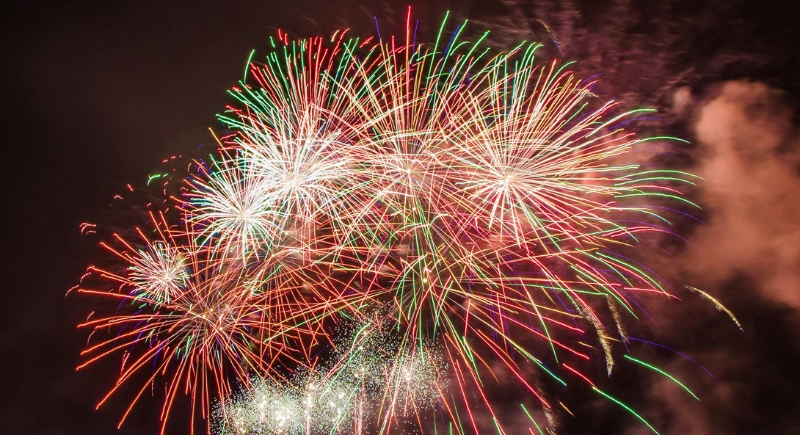
Start playing fireworks sound effects at barely audible volumes during random training sessions. Reward your dog with high-value treats and enthusiastic praise every time they stay calm while the sounds play. The process teaches their brain to associate booms with good things. Rushing the volume increases too quickly can backfire and make anxiety worse. If done correctly, desensitization builds confidence that lasts through actual fireworks.
Schedule Exercise Earlier in the Day
Credit: Canva
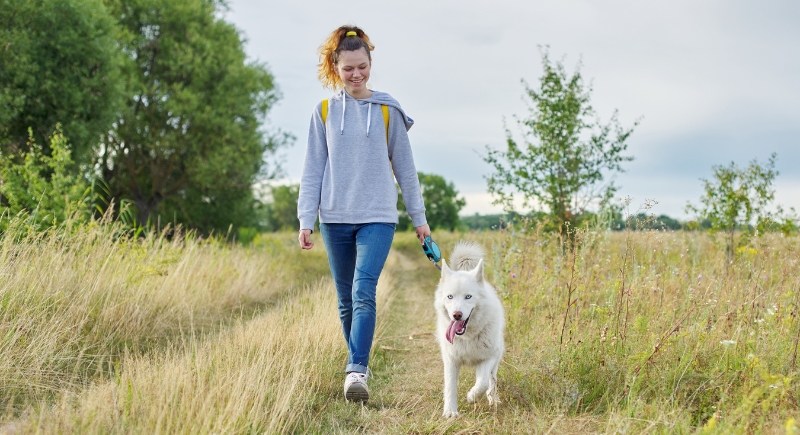
A tired dog has less energy to devote to panic. Plan a long walk, an intense play session at the park, or extra training games during daylight hours before fireworks typically begin at dusk. Mental stimulation also counts, so consider puzzle toys and learning new tricks. Check local community boards or social media for posted fireworks schedules, so you know when to have your dog back home.
Feed Dinner and Handle Potty Breaks Early
Credit: Canva
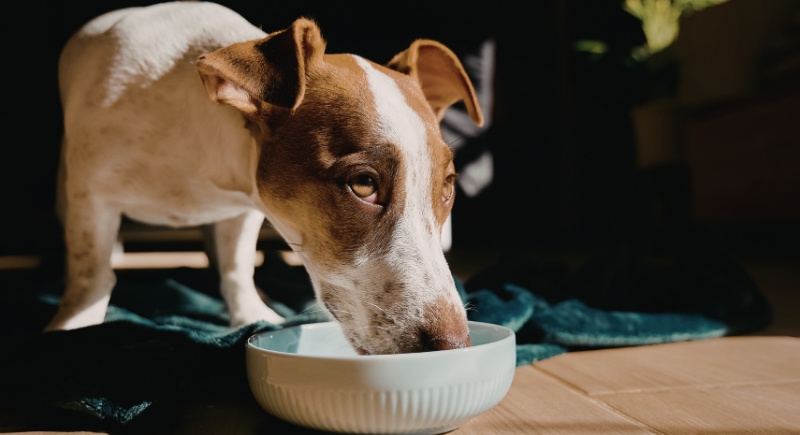
Time dinner at least two hours before sunset so your dog can digest and take care of business before the neighborhood turns into a war zone. A dog desperate to pee but too terrified to step outside will feel anxious. If you don’t have a fenced yard, use a leash for evening potty walks. Double-check that your dog’s microchip information and ID tags have current contact details in case they escape.
Never Punish Fear Responses.
Credit: pixelshot
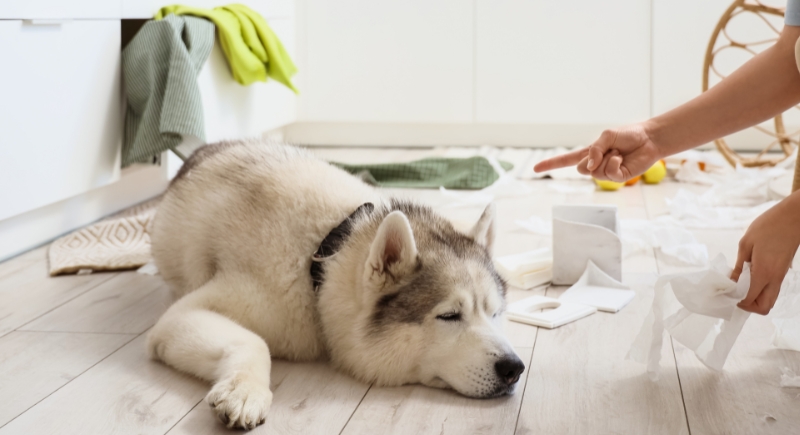
Scolding a trembling dog for hiding or barking at fireworks is like yelling at someone for flinching during a horror movie. Neither scenario fixes the problem. Your dog’s reactions stem from genuine terror, not misbehavior or stubbornness. Punishing them for cowering under furniture or forcing them outside to “face their fear” will worsen the situation. Let your dog cope however they need to until they’ve conquered their fear.
Stay Calm and Offer Quiet Reassurance

Credit: pixelshot
Dogs read human body language well, so your reaction sets the tone for how scary they’ll find some situations. Jumping at every bang or rushing over with panicked energy tells your dog there’s something to fear. Keep your movements relaxed and your voice steady. Sit nearby and offer gentle pets if they come over. Your calm presence will center an anxious dog and teach them that you’re a reliable partner during frightening experiences.
Never Leave Them Alone During Peak Times
Credit: pexels
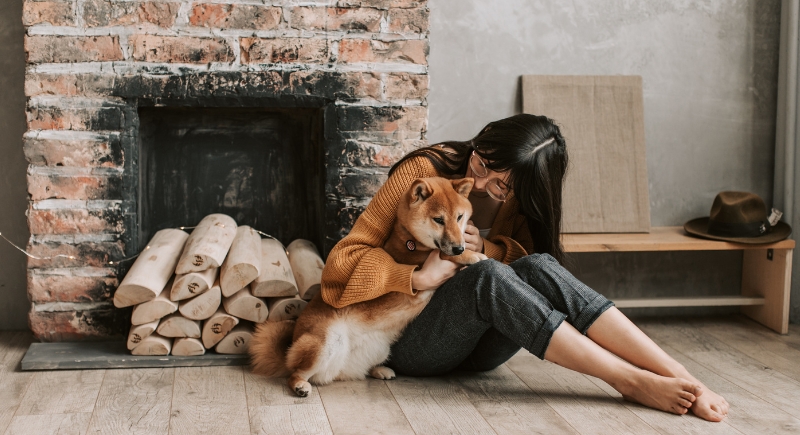
Dogs feel safest with their humans nearby, especially during stressful events. If you know fireworks are scheduled in your area, skip the outing and stay home that evening. Your presence makes a difference, even if you’re only reading in the same room. If you must go out, ask a trusted friend or family member to watch your dog. Kennels during fireworks season can backfire badly since unfamiliar surroundings amplify anxiety.
Talk to Your Vet About Severe Cases
Credit: Canva
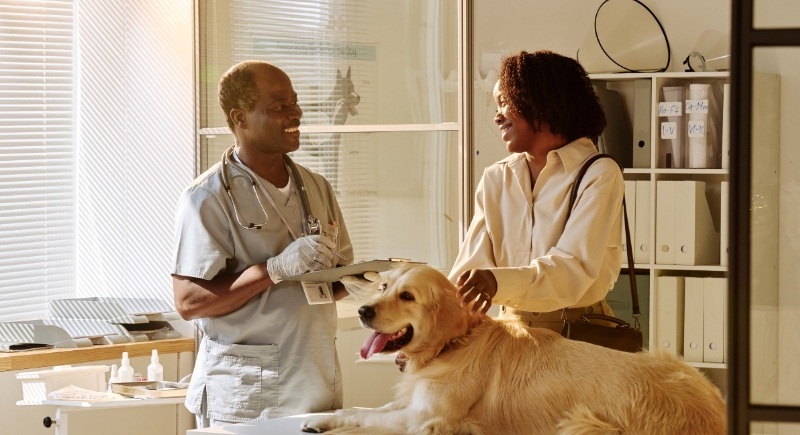
Extreme anxiety deserves professional intervention. Dogs who pant heavily, shake uncontrollably, drool excessively, or try to escape through windows are in genuine distress that can lead to injury. Your veterinarian can prescribe short-term anti-anxiety medications or refer you to a board-certified veterinary behaviorist for long-term solutions. Modern options focus on safety and learning. Addressing severe fireworks phobia early prevents it from worsening year after year.