12 Signs Your Dog Respects You as the Pack Leader
Dogs constantly read the people they live with. They notice patterns, routines, and how reliably someone responds to their needs. When a dog feels secure with the person guiding its daily life, that trust is evident in its behavior rather than obedience alone. Small choices, relaxed body language, and steady responses all indicate a bond founded on clarity and consistency. These everyday signs reveal when a dog feels settled with the person leading the household.
Calm Walking Without Constant Pulling
Credit: Getty Images
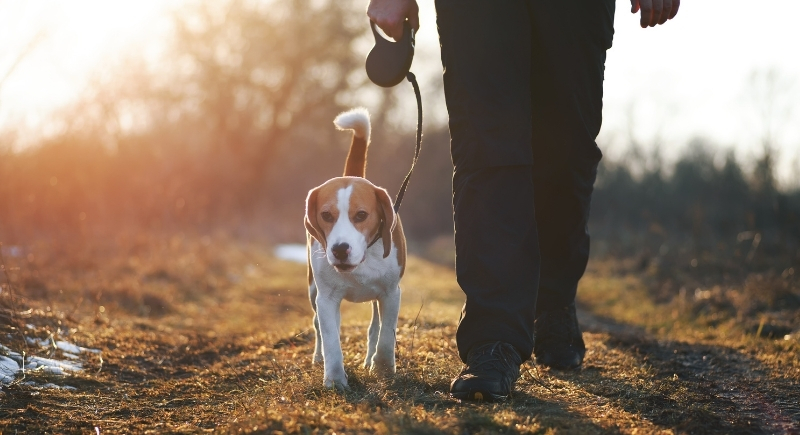
A dog that walks beside you at an easy pace shows comfort with the rhythm you set. The leash stays loose because the dog feels settled rather than driven by excess excitement. Adjusting speed on its own and staying aware of one’s surroundings reflects self-control and ease. That calm coordination comes from trust built over repeated walks.
Waiting for Permission Around Resources
Credit: Getty Images
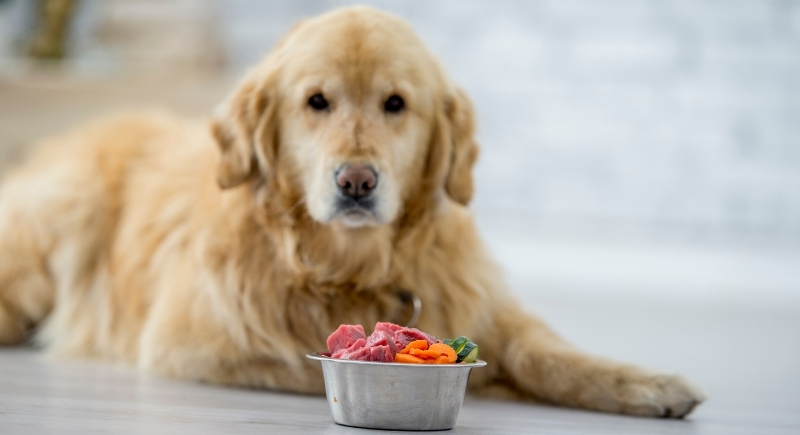
Dogs that pause before eating, going through a doorway, or getting onto furniture are responding to familiar routines. They have learned that access comes after a brief pause rather than rushing forward. This habit helps lower stress and reduce impulsive behavior. Over time, waiting becomes automatic because the rules stay the same from day to day.
Checking In With Eye Contact
Credit: pexels
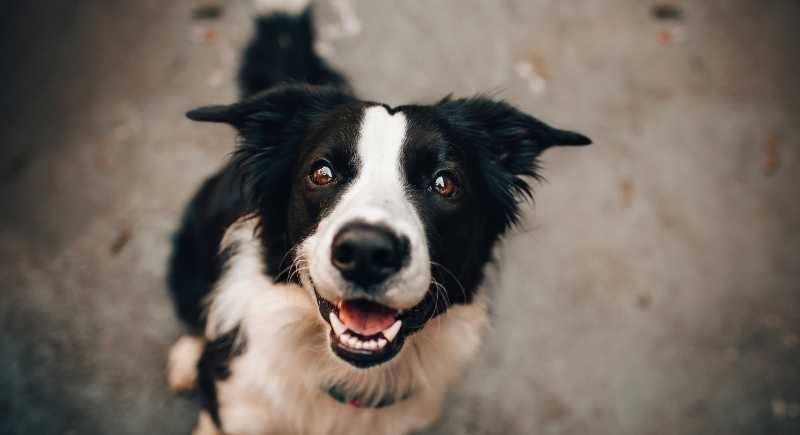
Quick glances during walks or in new situations show social awareness. Dogs that look to a human before reacting are using them as an emotional reference point. Studies on canine attention have confirmed that dogs tend to seek eye contact more often with familiar and trusted humans.
Relaxed Greetings at Home
Credit: Canva
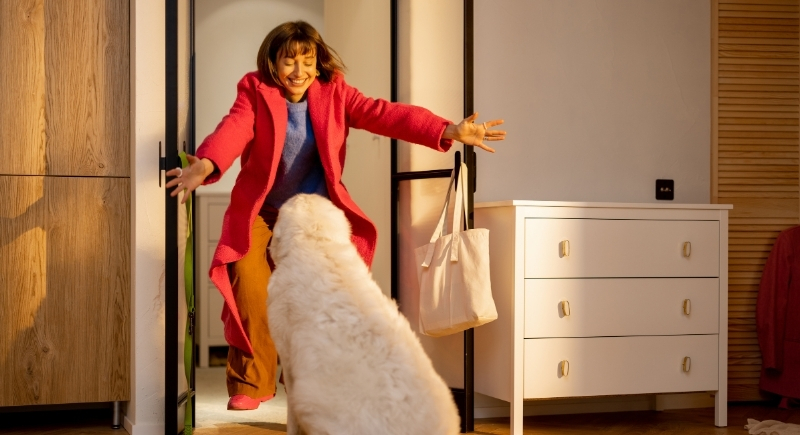
A dog that greets you calmly shows it feels settled around you. Its body stays loose, and it does not jump or rush forward. Overexcitement at the door often stems from excessive stimulation or conflicting signals. A steady, low-key greeting means the dog feels comfortable and does not need to push for attention.
Comfortable Sharing of Space
Credit: Canva
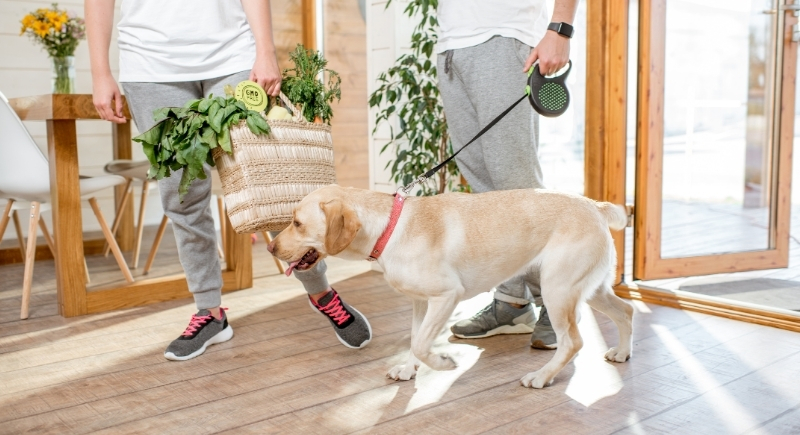
Whenever a dog steps aside comfortably as someone walks through a room, it’s displaying learned spatial awareness. Yielding space can occur in stable social environments through training and predictability. Dogs that block pathways are often responding to habit, excitement, or curiosity rather than a sense of responsibility for managing movement.
Acceptance of Gentle Correction
Credit: pixelshot
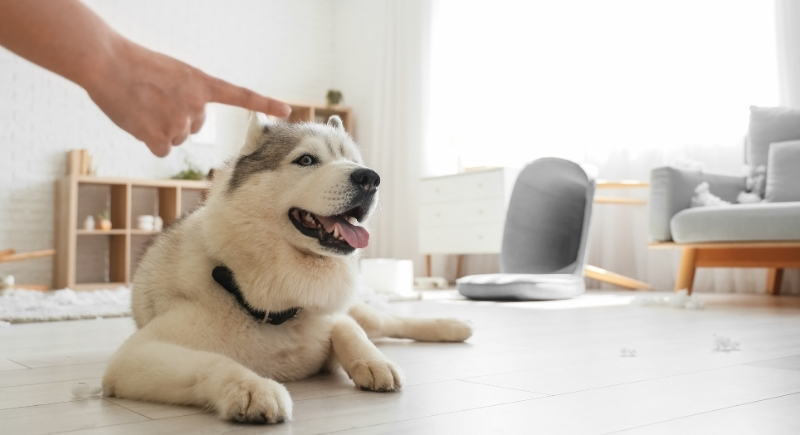
Dogs that respond to a quiet verbal cue and adjust their behavior show comfort with the person guiding them. They move without hesitation because the feedback feels familiar and predictable. Strong fear reactions after correction usually reflect stress rather than learning. Clear, steady cues help dogs make changes without becoming anxious.
Lack of Resource Guarding
Credit: pexels
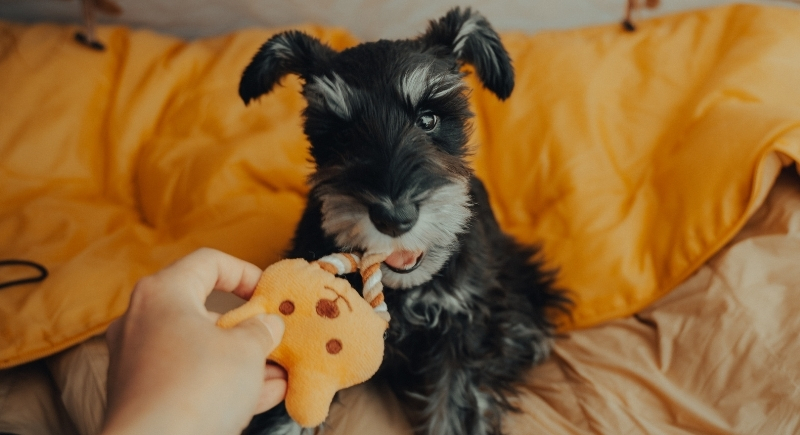
Be happy if your pup allows you near food or toys because it means they deem you trustworthy. Resource guarding often stems from fear, anxiety, or past experiences of scarcity. Dogs that experience consistent, fair handling learn that resources are predictable. This behavior supports safer interactions in the home.
Seeking Reassurance in New Situations
Credit: pixabay
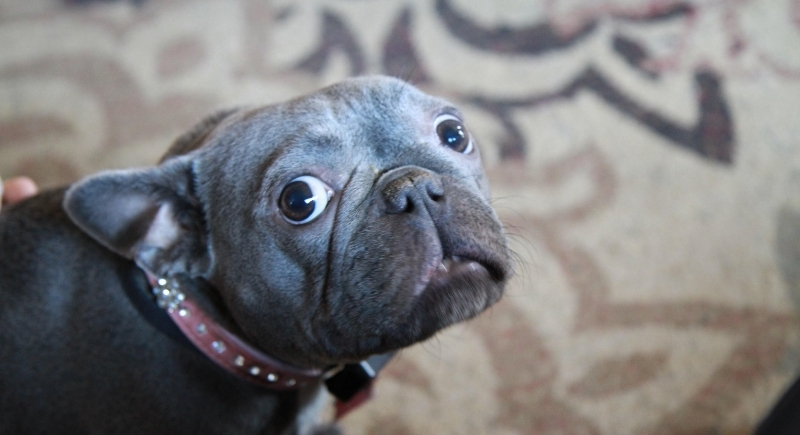
When something unfamiliar appears, a dog that looks to a human instead of reacting is showing confidence in guidance. This behavior can reduce reactivity and stress. Trainers often see this response in dogs with consistent routines and clear communication. Reliable guidance helps the dog remain serene.
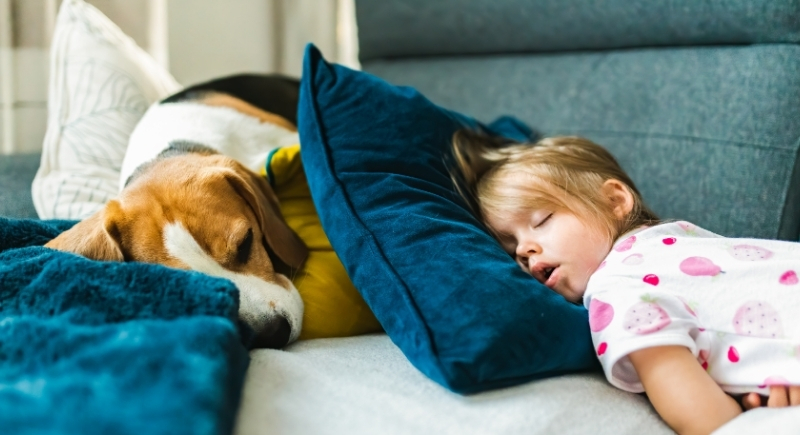
Settling Easily Around the Owner
Credit: Canva
A doggo that naps nearby or relaxes without pacing shows emotional security. It means they don’t feel the need to remain alert to the environment. Research on stress in dogs links resting with predictable environments and secure relationships. Shared calmness is a strong sign of comfort and trust.
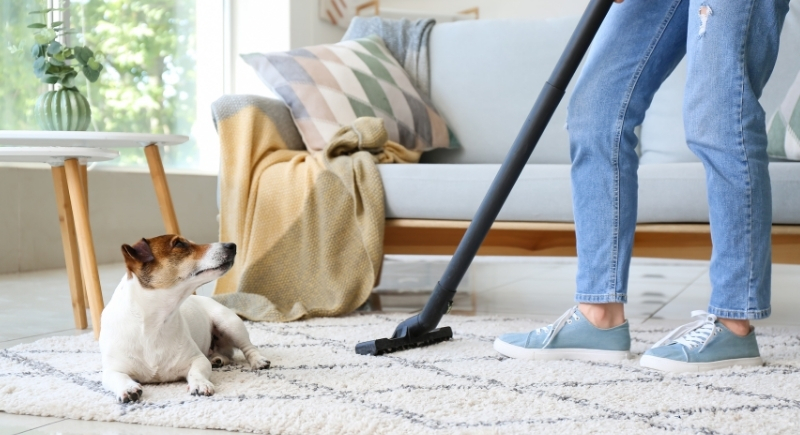
Following Without Shadowing Anxiety
Credit: pixelshot
Tagging along from room to room can signal affection, but relaxed following shows balance. Dogs that feel secure stay close without appearing tense. They choose proximity because it feels safe, not because they feel the need to manage or control movement. That distinction matters in healthy relationships.
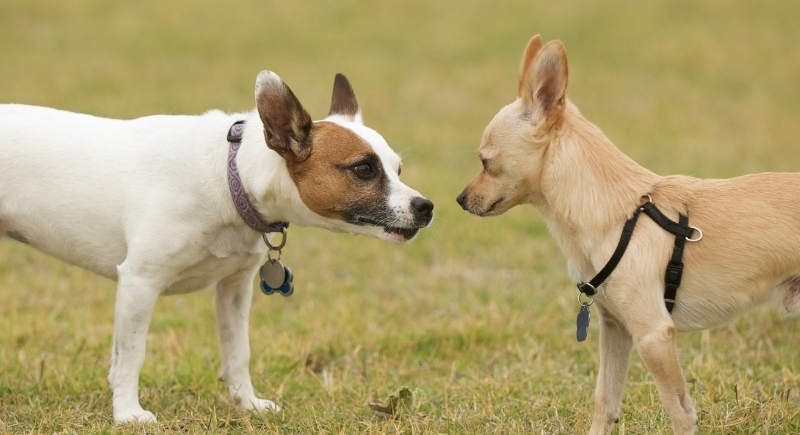
Deferring Around Other Dogs
Credit: Getty Images
Some dogs pause before approaching another dog and check back with their person. This shows impulse control and awareness of familiar guidance. Rather than rushing in, the dog waits for reassurance about the situation. That brief pause lowers the chance of conflict by keeping reactions measured instead of impulsive.
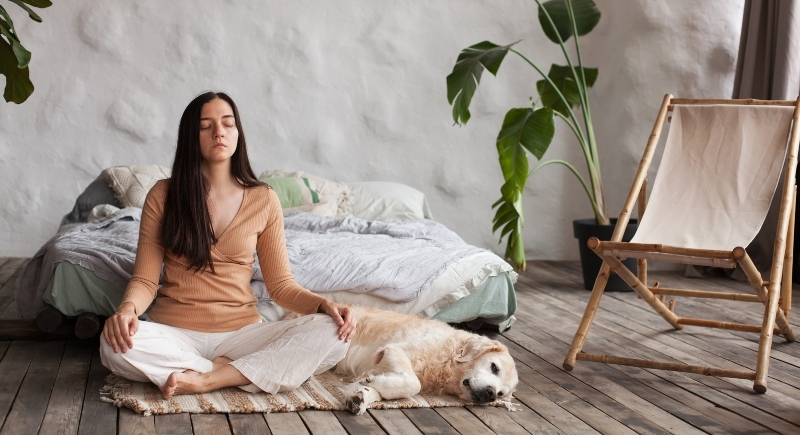
Mirroring Calm Energy
Credit: Canva
Dogs pick up quickly on the mood around them. When your movements stay steady, and your body remains relaxed, many dogs naturally settle as well. Calm breathing and unhurried actions help lower their arousal. Ongoing pacing or watchfulness usually signals that something still feels unsettled.