10 Dog Training Commands Your Vet Wishes Every Dog Knew
A calm vet visit usually starts long before you walk into the clinic. It comes down to what your dog already knows and feels comfortable doing. Vets notice the same thing again and again. Dogs who understand a few key commands handle exams better, stay more relaxed, and are easier to treat safely. These are simple, practical cues that help your dog stay steady and understand what’s happening, even in an unfamiliar setting.
Sit

Credit: Getty Images
“Sit” often becomes the first tool for managing excitement in a clinical setting. Dogs that sit on request are easier to greet and examine. The behavior also gives them a moment to pause and process new surroundings. Reinforced consistently, it creates a default response that replaces nervous circling during checkups.
Stay

Credit: iStockphoto
“Stay” allows a vet to move a dog without constant repositioning, which is important during exams that require focus and steady handling. The command builds impulse control over time. Short durations at home gradually extend into longer holds. Dogs learn that staying put leads to rewards, not confusion.
Come
Credit: pexels
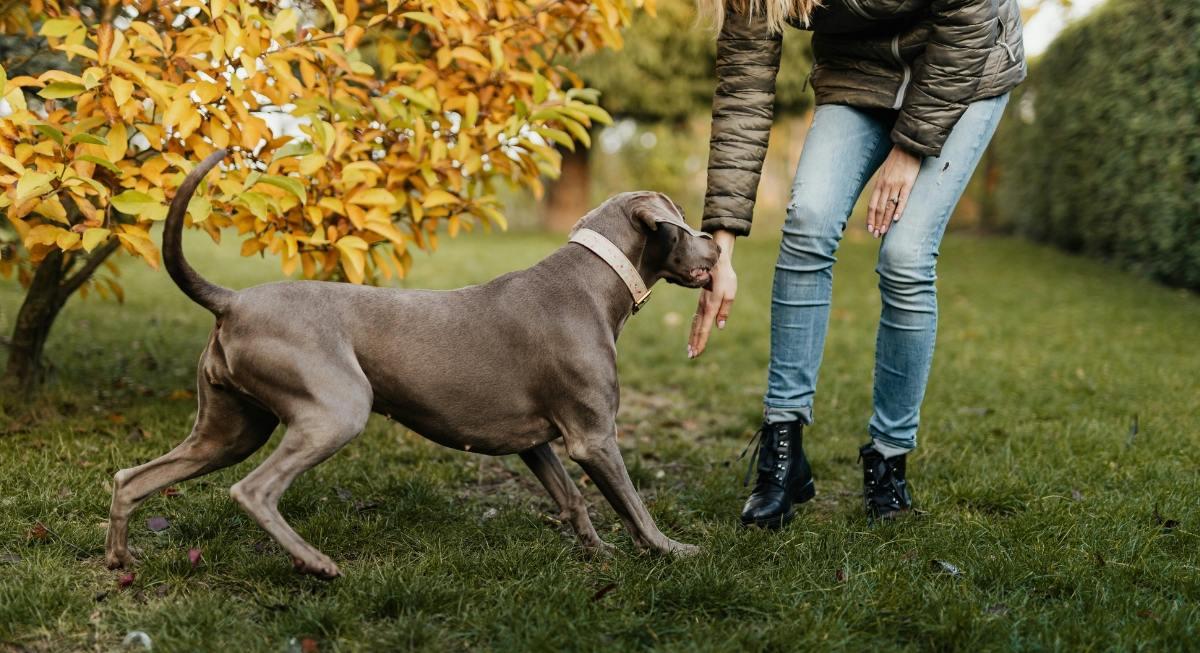
In a clinic, this helps staff move your dog from one area to another with minimal effort. Dogs that come when called usually respond even with mild distractions. That kind of response comes from consistent practice at home. Positive reinforcement helps make it a clear, reliable cue instead of something your dog may ignore.
Down
Credit: Canva
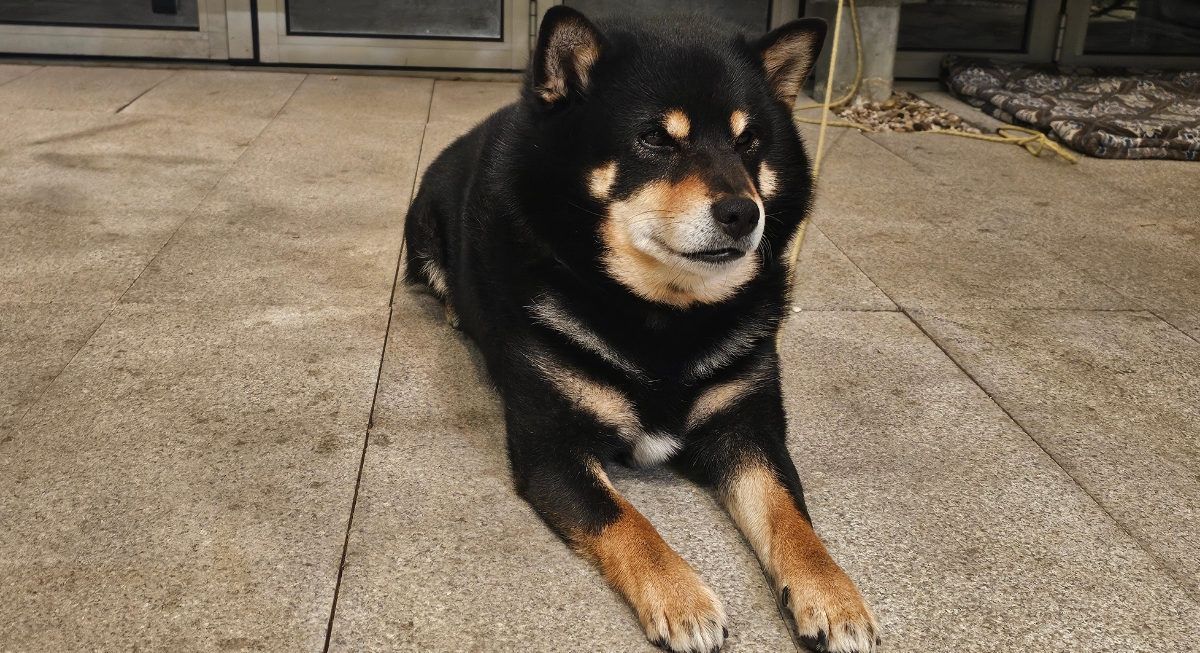
Lying down creates a stable position for many types of examinations, especially those involving the chest or abdomen. Dogs that understand “down” often settle more quickly on exam tables or on the floor. The posture naturally lowers arousal levels.
Leave It
Credit: Getty Images
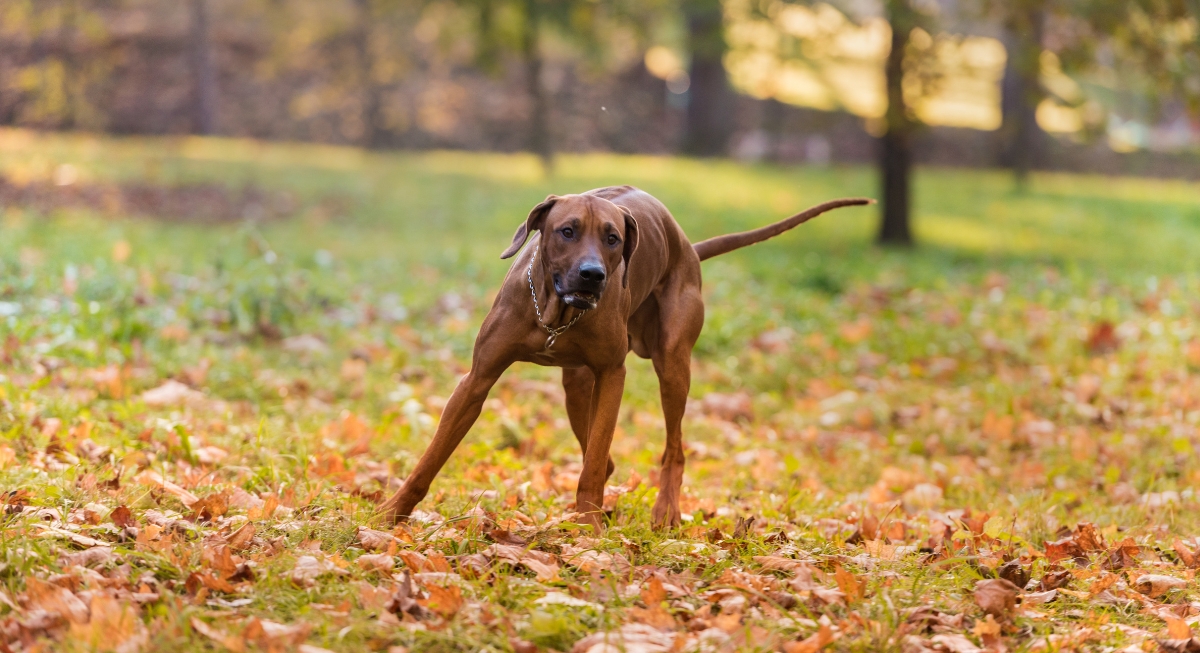
Clinics are full of smells and objects that grab a dog’s attention. “Leave it” helps stop them from picking up dropped items. It teaches restraint in the moment. Dogs learn that ignoring something can be just as rewarding as engaging with it. That shift helps keep them safe and lets veterinary staff work without constant interruption.
Drop It

Credit: pexels
“Drop it” proves useful when a dog picks up something it shouldn’t have, which happens more often than expected during visits. A practiced response avoids the need for forceful retrieval. Dogs release items willingly when they anticipate a better reward, and this exchange builds trust.
Heel
Credit: pexels
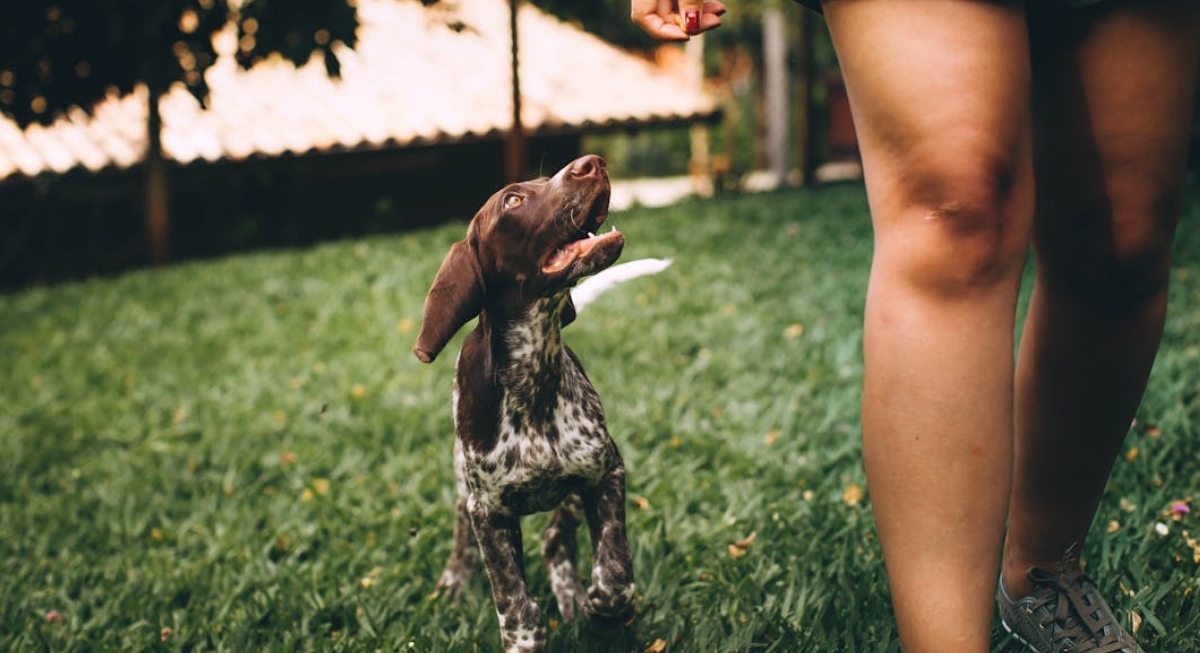
Controlled walking helps when moving between waiting areas and treatment rooms. Dogs that walk at heel stay close without pulling, which reduces the risk of slips or sudden lunges. The command keeps their focus on the handler instead of everything around them.
Wait
Credit: pexels
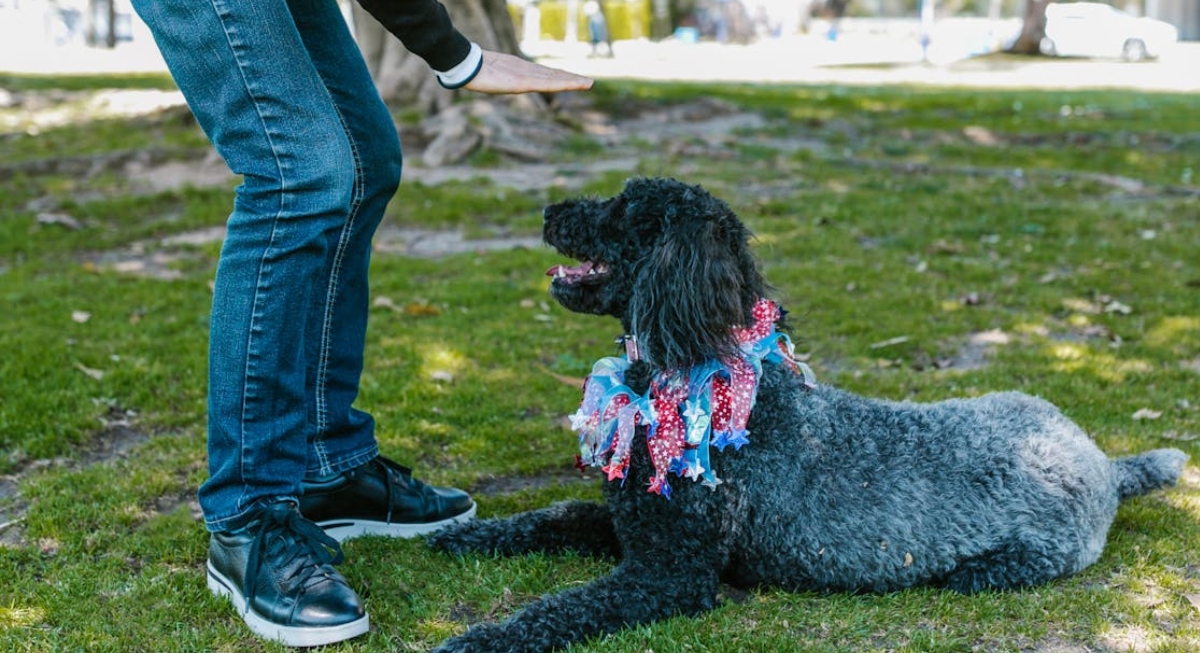
This one works as a pause button. It’s especially helpful at doorways and kennel gates. Dogs learn to hold position until released, which prevents them from bolting into unfamiliar areas. Practiced regularly, it builds patience and reduces the need for physical restraint during routine movements.
Touch
Credit: pexels
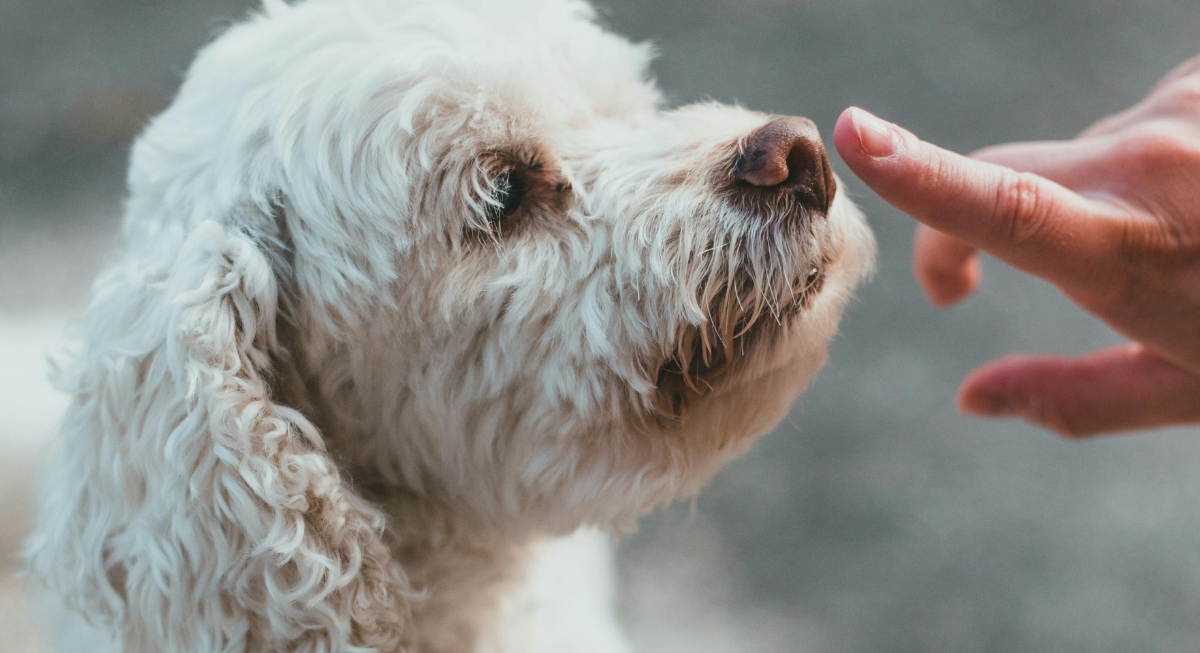
Often taught as a hand target, “touch” gives dogs a clear way to engage with people and objects on cue. Vets use it to guide positioning without pulling or pushing. It also helps redirect attention during stressful moments and reinforces calm, positive contact.
Quiet
Credit: Getty Images
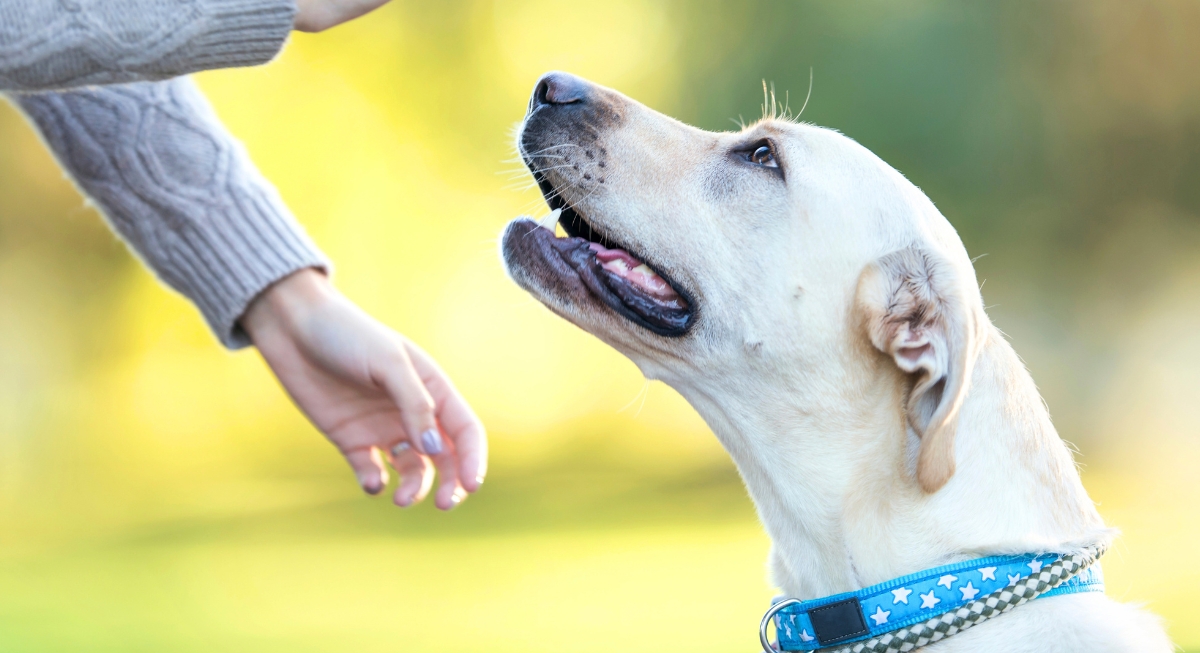
Noise can escalate quickly in a clinic. “Quiet” helps manage barking that might otherwise increase stress for other animals. The command works best when paired with calm reinforcement rather than punishment. Dogs learn that silence brings attention and rewards. Over time, this creates a more relaxed environment.