10 Dog Training Myths That Veterinarians Wish Would Die Already
Dog training advice spreads quickly, and a lot of it sticks around long after it should have been dropped. Tips from TV shows, well-meaning neighbors, or outdated guides still shape how many people handle their dogs. Veterinarians end up correcting these habits all the time, not because people don’t care, but because the wrong advice keeps getting repeated. The good part is that fixing these myths isn’t complicated. It just takes stepping back and focusing on what actually works for both the dog and the person raising them.
Dogs Are Always Trying To Be The Boss

Credit: Getty Images
The idea of a dog plotting to take control of the household has stuck around for decades, largely due to outdated wolf studies. Modern research shows domestic dogs don’t structure relationships that way. A dog that pulls on the leash or ignores cues isn’t staging a takeover; it simply hasn’t learned what’s expected in a clear, consistent way.
Treats Are Just Bribes
Credit: Africa Images
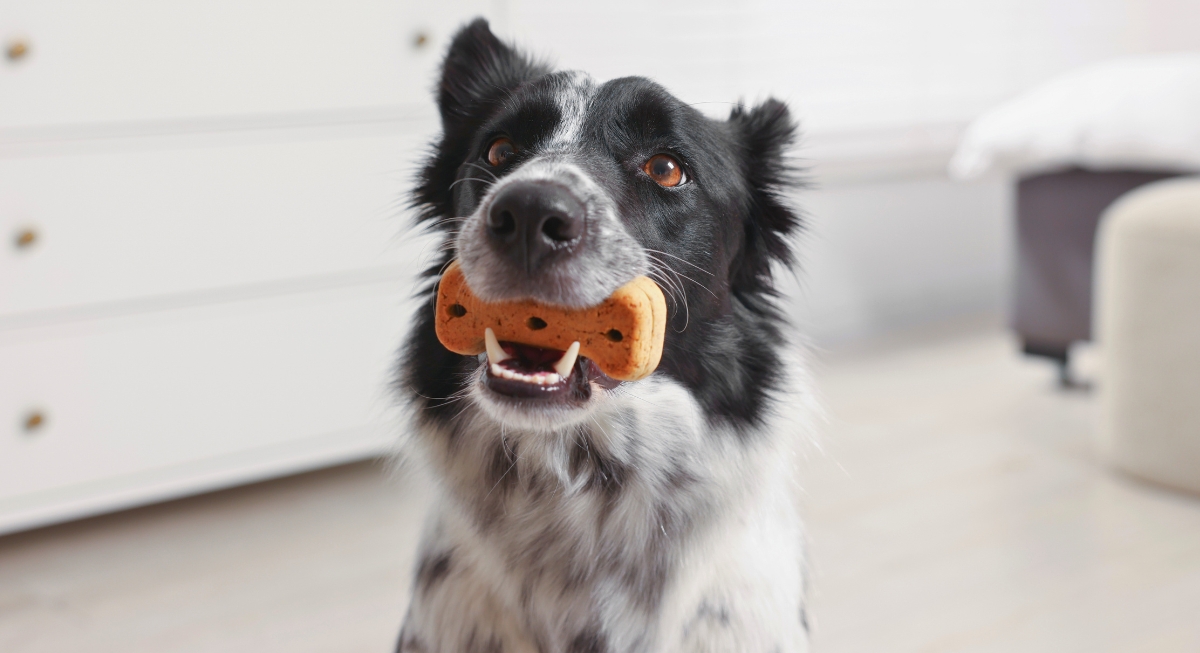
Calling treats a “bribe” misses what’s actually happening. A treat is more like payment for something the dog has learned and is choosing to repeat. Veterinarians and behaviorists rely on this because rewarding the right behavior helps it stick. As the behavior becomes consistent, you don’t have to depend on treats the same way. They can be reduced over time or swapped with praise, attention, or play, while the dog still understands what’s expected.
You Have To Be Harsh To Get Results

Credit: pixelshot
There’s still a belief that raising your voice or using punishment leads to faster obedience. Harsh corrections can increase anxiety and lead to avoidance. Dogs learn best when they feel safe and can predict outcomes. Calm guidance paired with rewards creates clearer communication, and it helps prevent the kind of fear-based responses that often escalate into bigger behavioral issues.
Old Dogs Can’t Learn New Behaviors
Credit: Getty Images
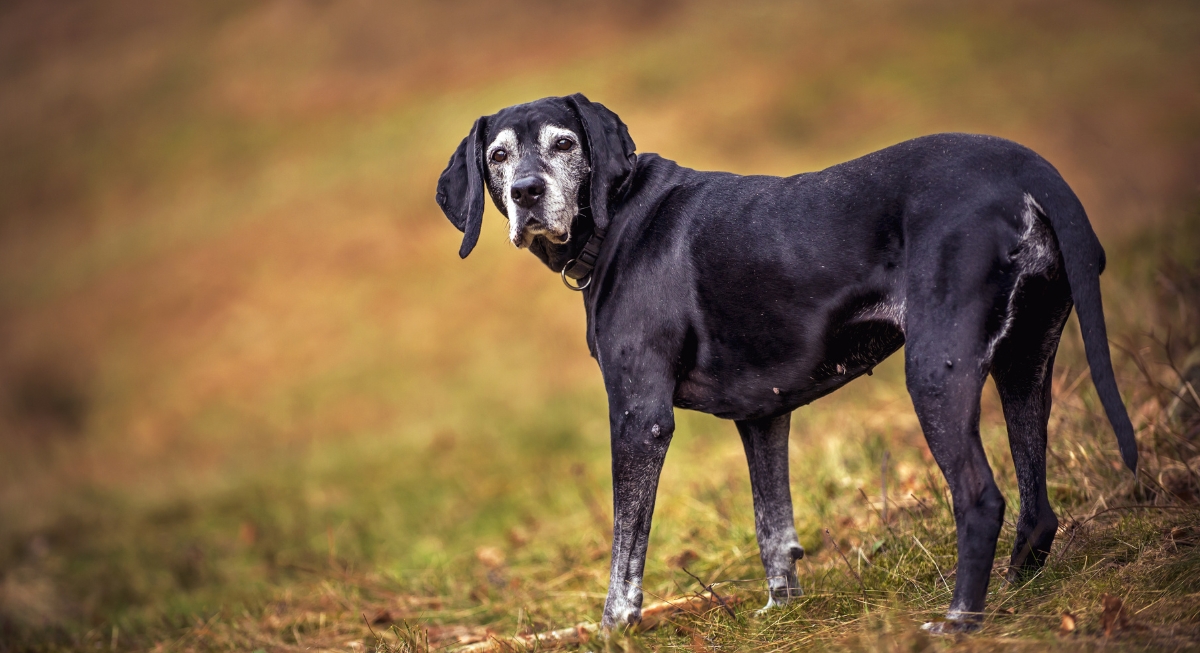
Adult and senior dogs are fully capable of picking up new skills with the right approach. Veterinarians frequently recommend ongoing training to support mental stimulation and maintain responsiveness. Older dogs may need shorter sessions or more patience, yet they often focus better than younger ones.
Dogs Should Face Their Fears Head-On
Credit: Canva
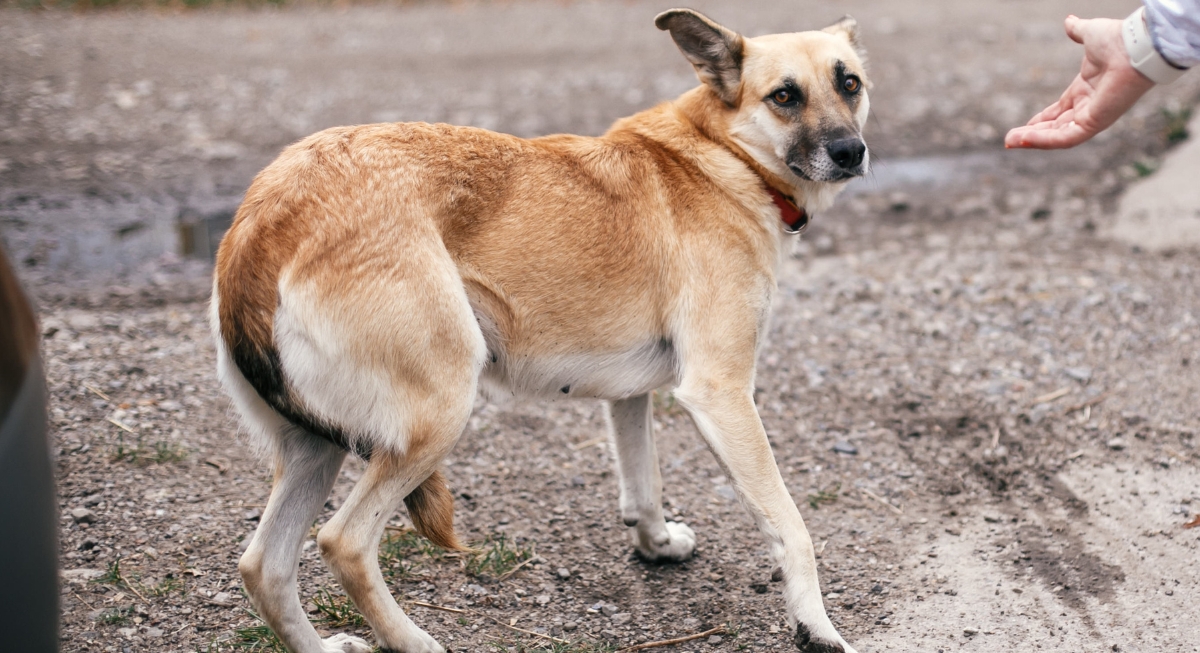
Forcing a dog into a situation that scares them might look like tough love, but it usually backfires. Veterinary professionals warn that repeated exposure without support can intensify fear instead of reducing it. A dog dragged toward something frightening may learn that stress is unavoidable.
Crates Are Cruel And Unnecessary

Credit: Getty Images
Many people assume crates are cruel because they see them as a form of punishment, but that idea comes from how they’re misused. When you introduce a crate properly, it becomes a place a dog feels comfortable resting in, which is why vets often suggest it for house training or recovery. The problem starts when someone rushes the process or keeps the dog inside for too long. Used the right way, a crate gives structure and a sense of safety.
Dogs Will “Work It Out” On Their Own

Credit: Getty Images
Veterinarians regularly see injuries and long-term behavioral issues that started with this hands-off approach. Dogs don’t always resolve tension calmly, especially in unfamiliar environments or around resources like food and toys. Guidance from a human helps prevent escalation. Teaching appropriate interactions early reduces stress and lowers the risk of aggression developing later.
Sending A Dog To Training Breaks The Bond
Credit: Getty Images
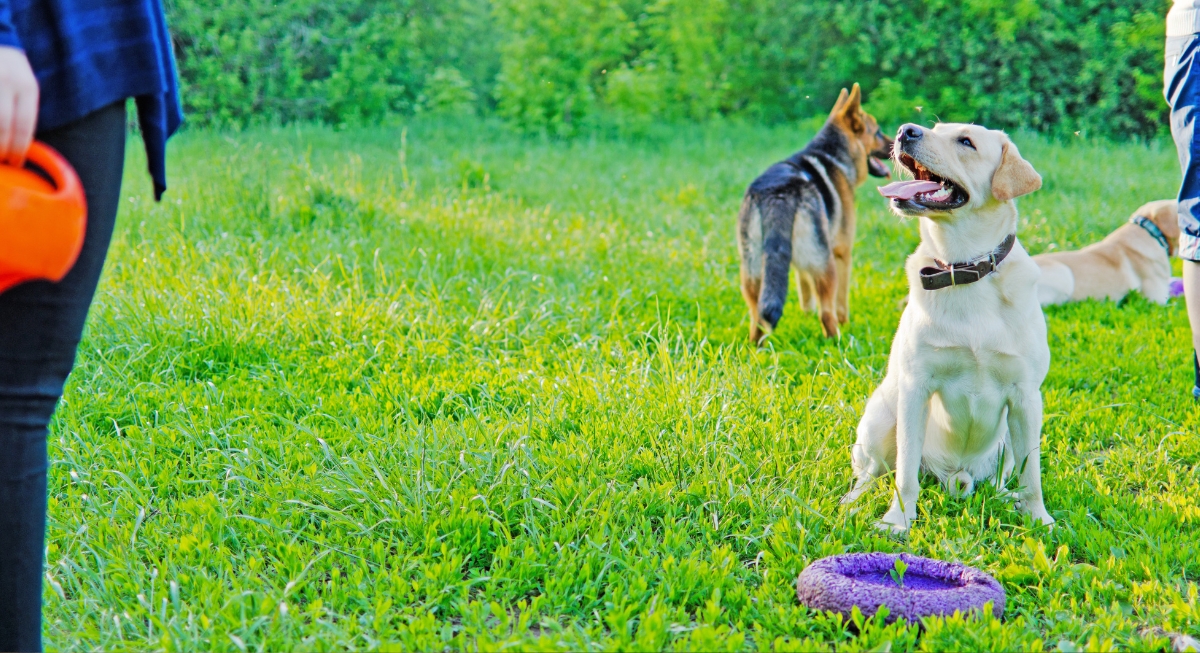
There’s a lingering concern that professional training separates dogs from their owners emotionally. Experts often explain that structured training can improve communication rather than weaken it. Dogs return with clearer expectations and skills that make daily life smoother. Owners also learn how to maintain those behaviors.
Dogs Feel Guilty When They Misbehave

Credit: Getty Images
That classic “guilty look” after a mess on the floor often gets misinterpreted. Dogs respond to human tone and body language rather than reflecting on past actions. The lowered head or tucked tail signals appeasement, not remorse. Training based on this misunderstanding can lead to punishment after the fact, which dogs struggle to connect with their behavior.
There’s Only One Right Way To Train Every Dog

Credit: Getty Images
A single “right” method sounds appealing, but dogs don’t learn the same way. Some respond quickly to structure, others need more patience or a different pace altogether. Training works better when you adjust based on the dog’s behavior and progress instead of sticking to one fixed approach.