Dog Training Trends Research Has Since Debunked
Many of us grew up hearing the same dog training advice from TV shows, friends, family members, or fellow dog owners at the park. Some of those ideas sounded sensible at the time, especially when they promised a quick fix for unwanted behavior. But as researchers have learned more about how dogs think and learn, many of these once-popular methods have fallen out of favor. Training isn’t really about control or dominance. It’s about communication, consistency, and helping dogs understand what we want from them without creating fear or confusion.
Acting Like The Alpha
Credit: Canva
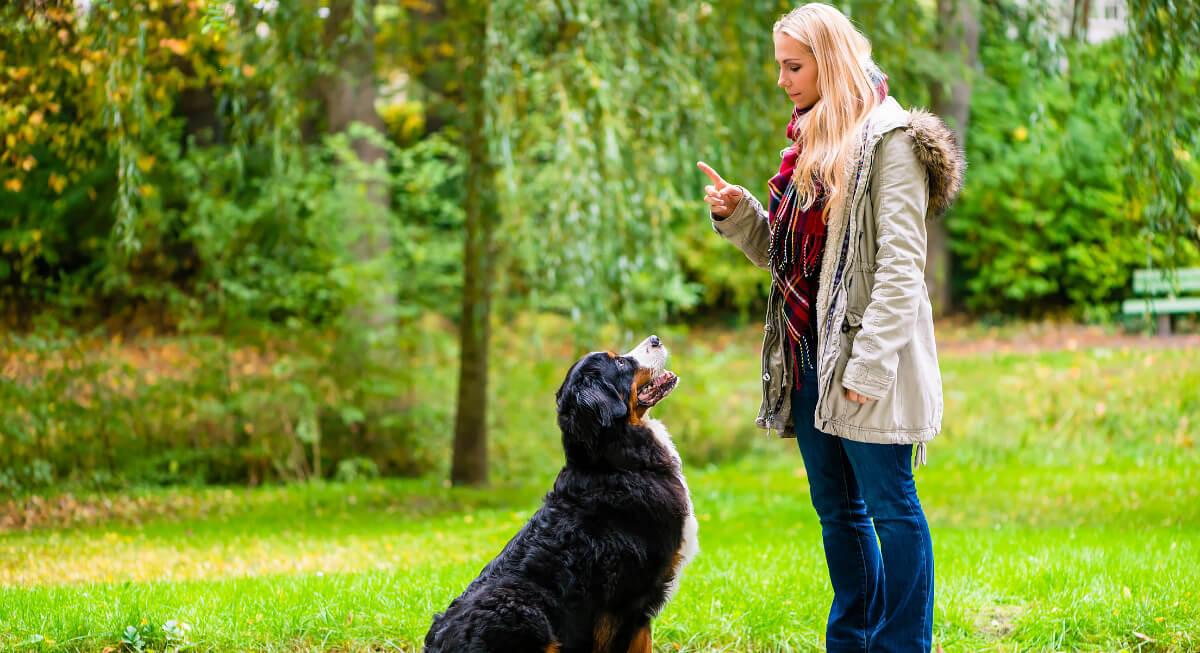
Many dog owners were taught that they needed to be the “alpha” and show their dog who was in charge. The idea became hugely popular and framed disobedience as a challenge to the owner’s authority. Today, behavior experts view things differently. Dogs aren’t wolves competing for rank, and most behavior problems have little to do with dominance. More often, they stem from fear, frustration, unmet needs, medical issues, or inconsistent training. Effective training focuses on clear communication, rewarding good choices, and helping dogs learn behaviors they can confidently repeat.
Using The Alpha Roll
Credit: Dog Decoder
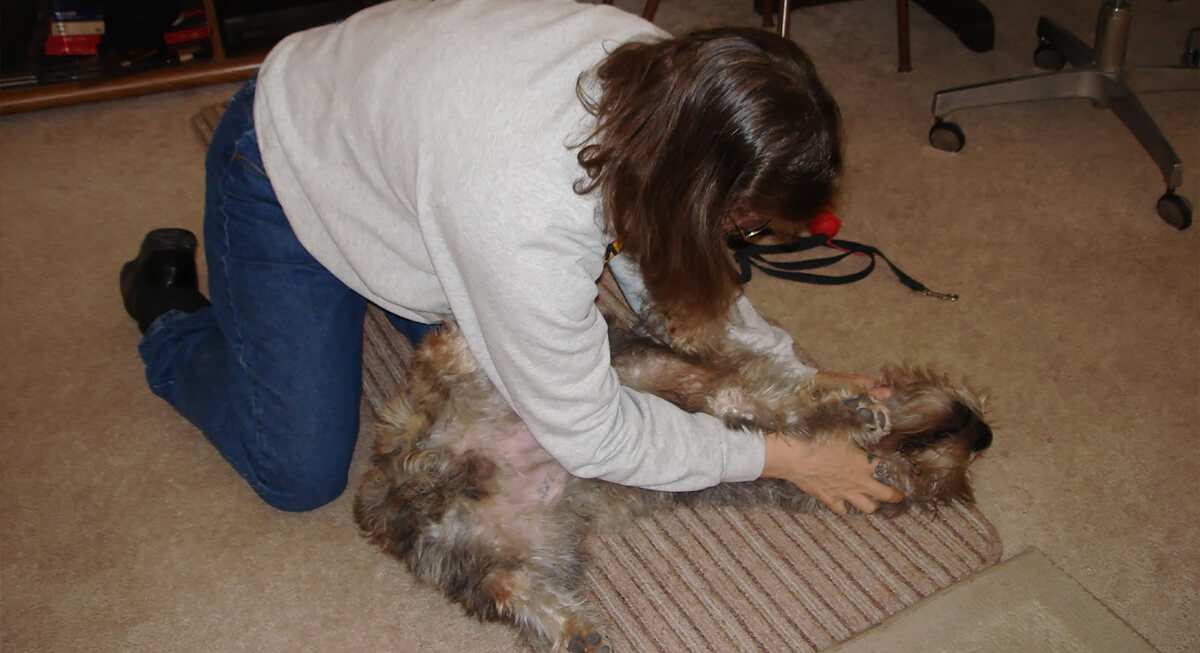
Owners were told to pin a dog on its back until it “submitted.” The technique was once common, but behavior experts now warn that it can create fear and increase the risk of aggression. A dog that freezes, panics, or shuts down is not necessarily learning anything. More effective training focuses on preventing conflicts, managing situations, and teaching the dog what to do instead.
Treating Fear As Stubbornness
Credit: Getty Images
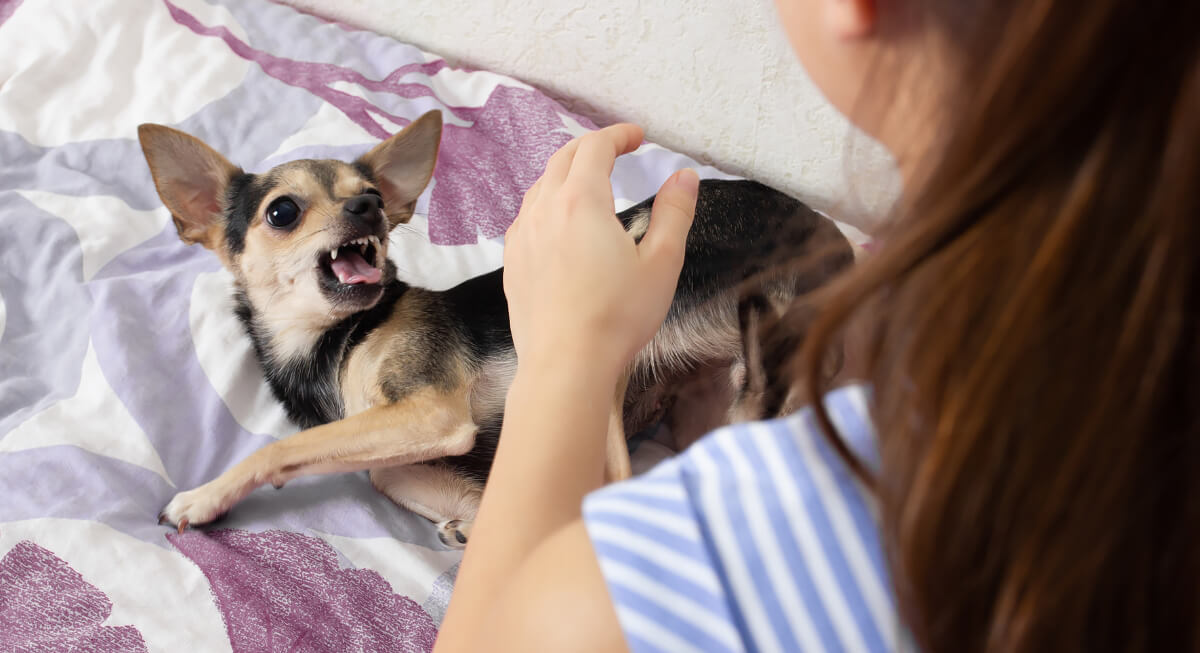
Many owners were taught that a fearful dog was being stubborn or difficult. In reality, fear changes how dogs respond to the world. A scared dog may bark, hide, refuse treats, or ignore commands because it’s focused on what feels threatening. Training works better when it helps the dog feel safe. Giving the dog space, using rewards, and building confidence over time is usually far more effective than adding pressure.
Correcting After The Fact

Credit: Canva
Finding a chewed shoe or a puddle on the floor can be frustrating, but scolding a dog afterward usually doesn’t work. Dogs learn best when consequences happen during or immediately after a behavior. By the time a mess is discovered, the connection is gone. Instead of teaching a lesson, late punishment can create fear and confusion. That’s why modern housetraining focuses on supervision, routine, timely rewards, and preventing accidents before they happen.
Depending On Leash Jerks

Credit: Canva
For years, leash jerks were a common response to pulling, barking, or getting distracted on walks. The idea was to stop the behavior with a quick correction. Today, many trainers prefer a different approach. Repeated leash corrections can increase stress and make walks more frustrating, especially for nervous or reactive dogs. Loose-leash walking is usually built through practice, rewards, and gradually teaching the dog that staying close leads to good things.
Relying On Shock-Based Training
Credit: Getty Images
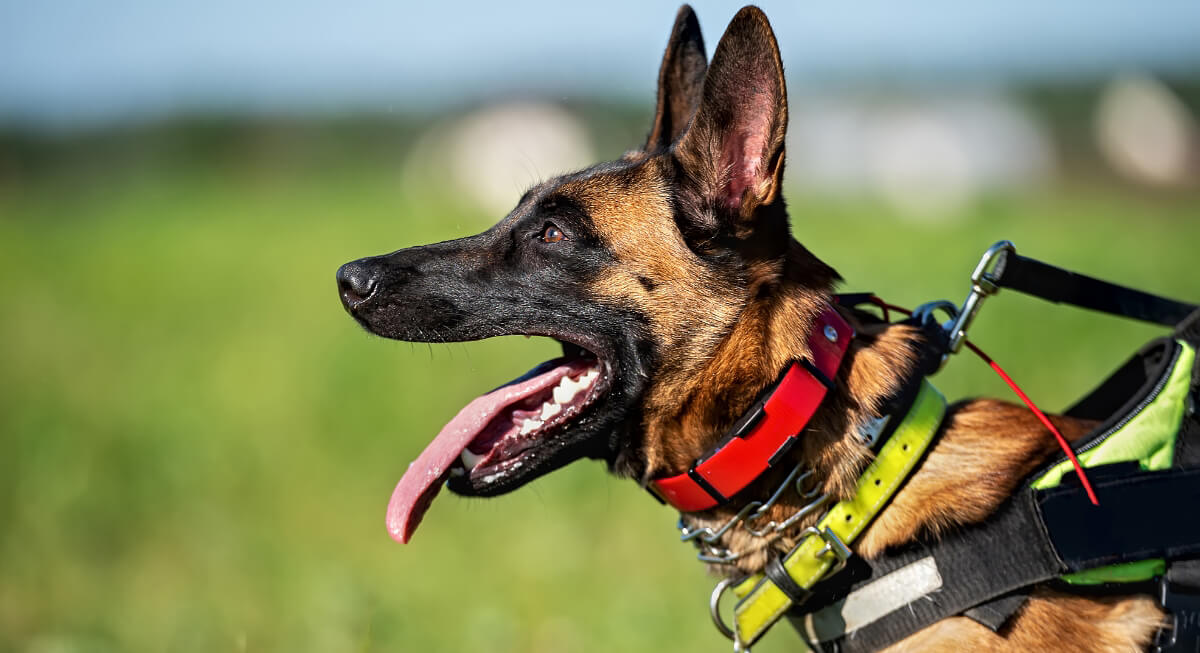
Electronic collars gained popularity because they promised distance control and quick interruption. Research has since pushed many veterinary and welfare groups toward reward-based methods due to stress and welfare concerns linked with aversive tools. Shock can suppress behavior, but suppression can hide anxiety rather than solve it. For recall, boundaries, livestock avoidance, or reactivity, modern plans emphasize strong reinforcement histories, long lines, safe setups, gradual distractions, and professional guidance when risk is high. The key issue is reliability under pressure. Dogs respond more confidently when training builds value for the desired behavior.
Calling Treats Bribery
Credit: Canva
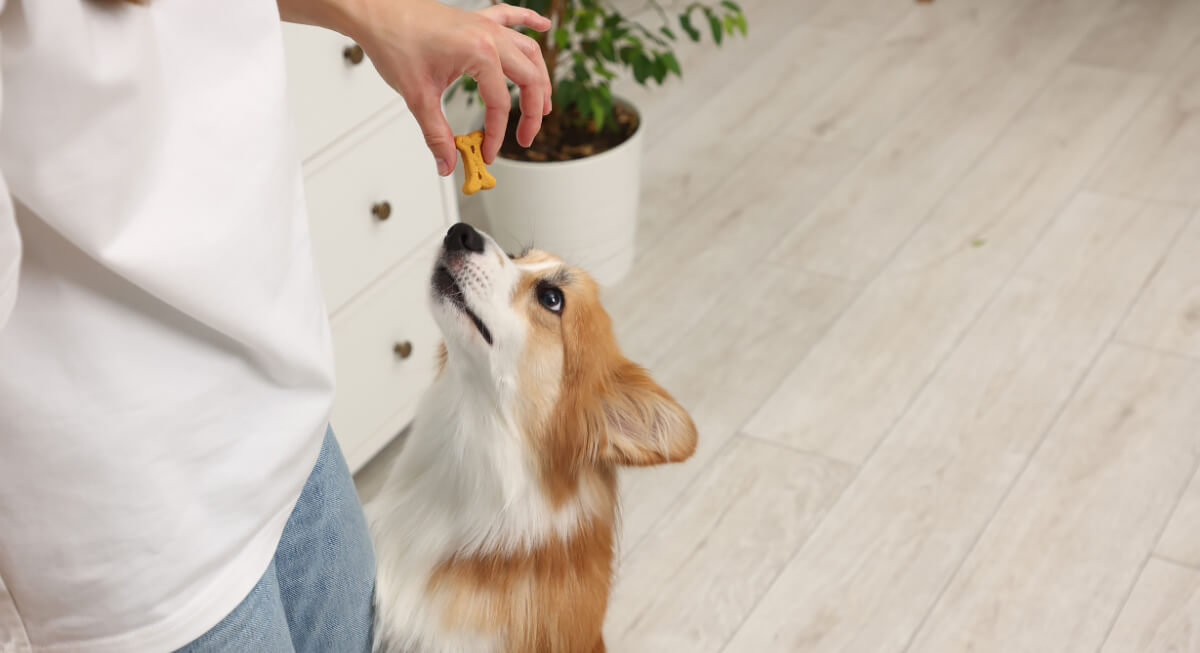
A long-running trend claimed that “real” obedience should happen without food. Treats were dismissed as bribery or weakness. Learning science gives a better explanation. Food is a reinforcer, and reinforcers build behavior. A bribe appears before a dog decides; a reward follows a correct choice and strengthens that choice for the future. Skilled trainers fade visible food, vary rewards, use praise, play, access, sniffing, and life rewards, and then practice in many settings. The treat is not the whole method. It is the starting paycheck while the dog learns which behavior earns success.
Expecting Dogs To “Know Better”
Credit: Canva
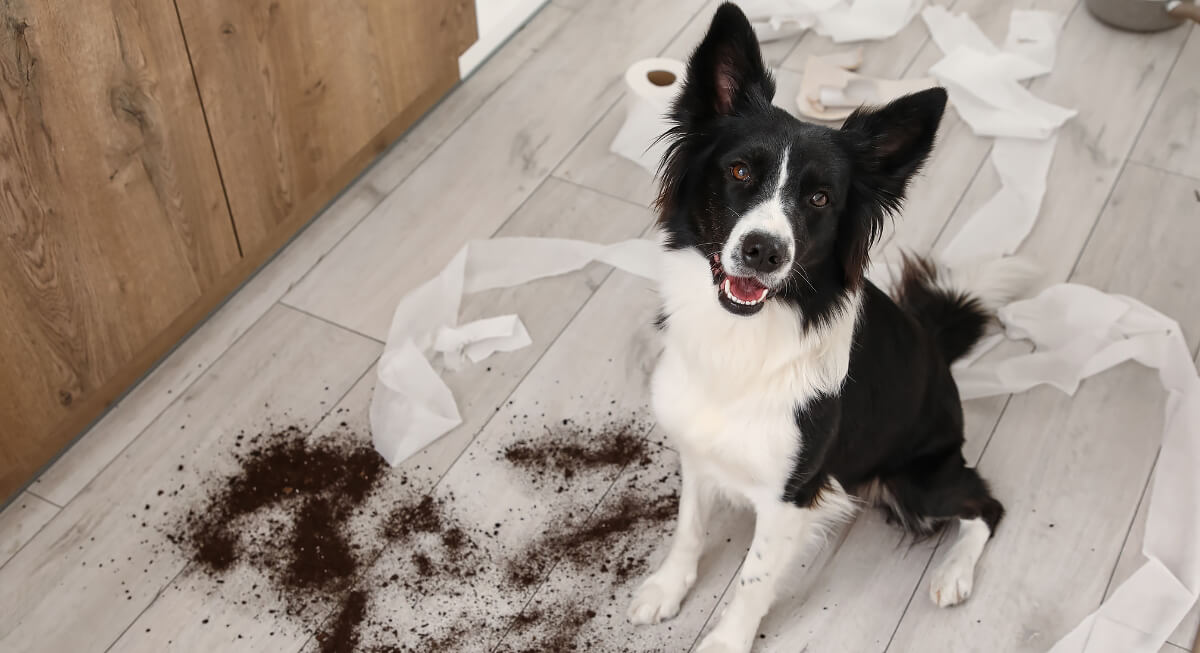
Owners often say a trained dog “knows better” after a mistake. That idea can lead to unnecessary punishment because it treats behavior as a moral decision. Dogs may understand a cue in the kitchen and fail in a park full of squirrels, children, smells, and other dogs. Context changes performance. Training needs generalization, which means practicing the same skill across places, distances, distractions, and emotional states. A dog that fails under pressure may need easier criteria, higher-value rewards, better management, or more repetitions. Reliability grows through proofing, not blame.
Skipping Early Socialization
Credit: Getty Images
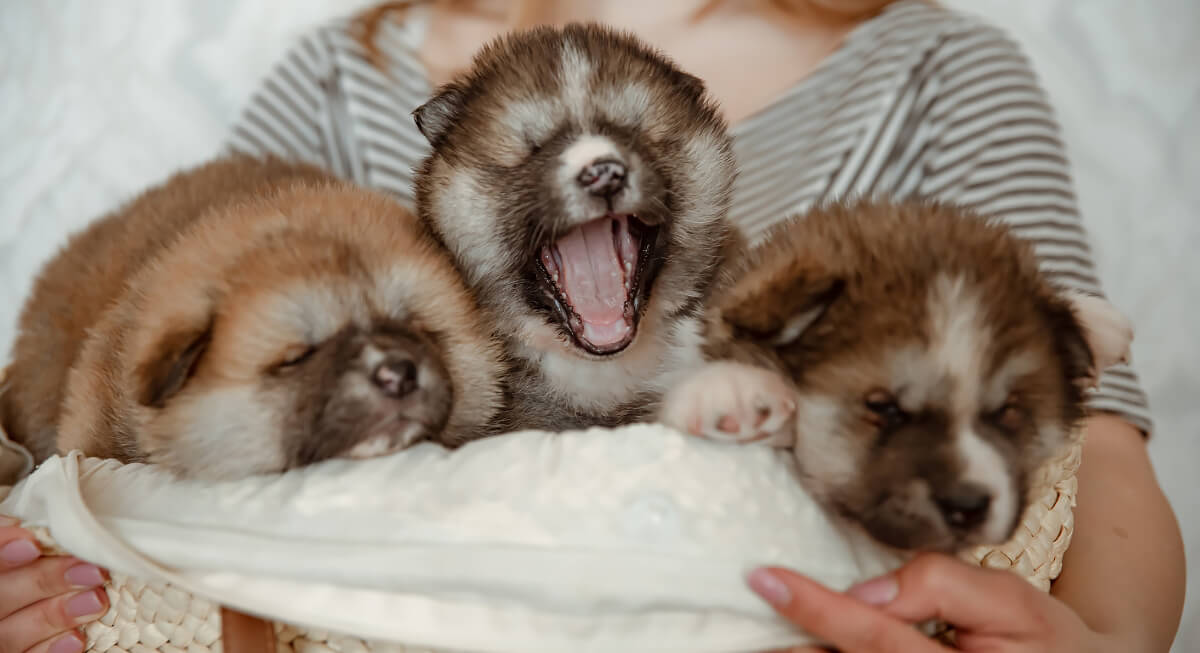
For years, many puppy owners were told to keep their puppies isolated until all vaccines were completed. Disease prevention matters, but veterinary behavior guidance now supports safe early socialization. Puppies can attend well-run classes after their initial vaccines and deworming, provided they remain current on veterinary care. The goal is controlled exposure, not random contact with unknown dogs in risky places. Puppies need positive experiences with surfaces, sounds, handling, people, carriers, car rides, and calm dog-safe environments. Missing that window can make ordinary life harder later. Good socialization protects behavior while managing health risk.
Using Crates As Punishment
Credit: Getty Images
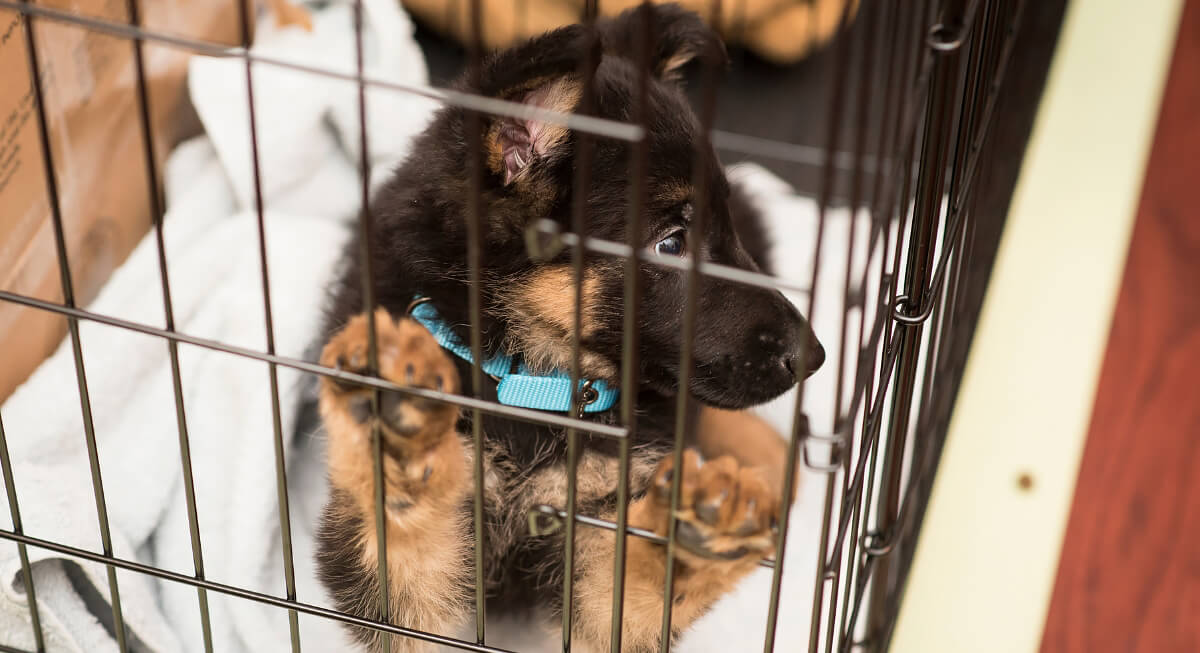
A crate can be one of the most useful tools for dog owners, but it loses that value when it’s used as punishment. The goal is for the dog to see the crate as a comfortable place to relax, not somewhere they’re sent when someone is upset. That’s why trainers encourage positive crate experiences, such as meals, treats, and quiet downtime inside. A crate can help with routine and management, but it shouldn’t replace exercise, training, or attention.