10 Dog Zoomies Triggers Every Owner Should Recognize Before They Happen
One minute, your dog is resting peacefully, and the next, they are racing through the house at full speed, sliding across floors and crashing into furniture. Most owners know the scene instantly: the zoomies have started. Experts call these sudden bursts Frenetic Random Activity Periods, or FRAPs, and they often happen after excitement, play, stress, bathroom breaks, or spending too much time indoors. Once you recognize the common triggers, the behavior becomes much easier to understand and manage safely.
Too Much Indoor Time
Credit: Getty Images
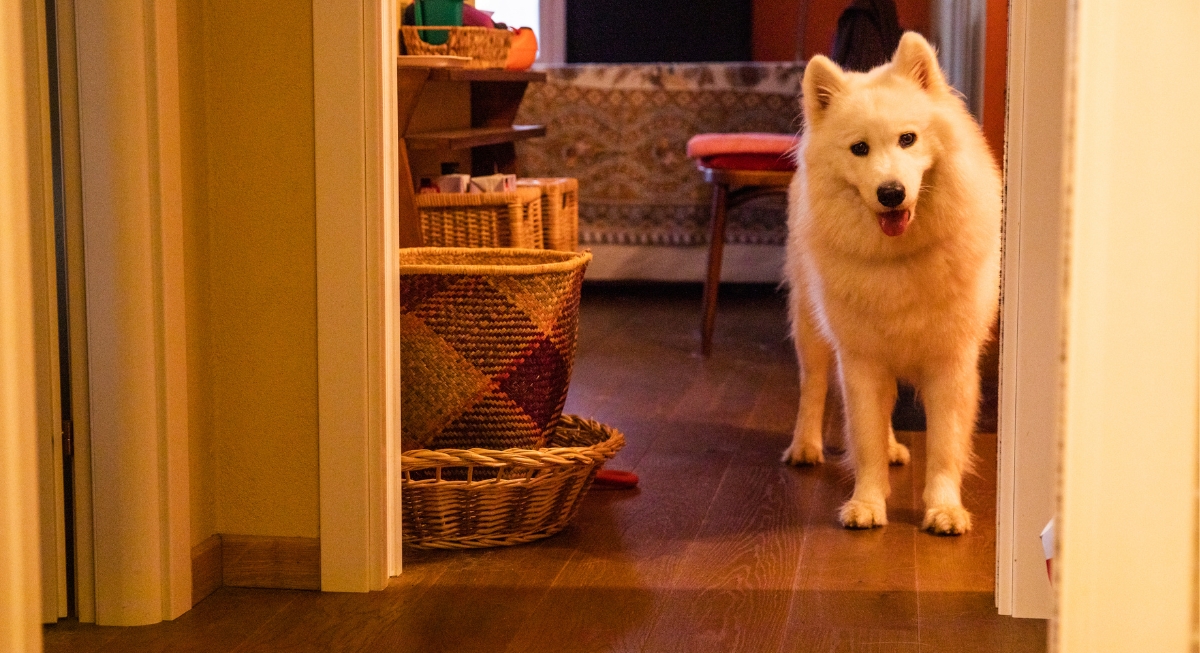
Calm dogs build up a massive amount of energy after spending long hours indoors. The moment the back door opens, they burst into a sprint. These sudden, frantic laps help animals release pent-up frustration from a lack of exercise. Young pets are more prone to this. A quick evening walk or a brain game should keep them calm and protect your shins from a chaotic hallway race.
Bath-Time Is Finally Over

Credit: Getty Images
Freshly bathed dogs often come out of the bathroom with a damp coat, heavy toweling, and wet ears. This creates a sudden burst of frantic energy. Zooming through the house helps them process the stress. Just block off any slippery surfaces before the race begins. A damp, excited pet and a slick floor are not a great combination.
The Post-Poop Celebration
Credit: Getty Images
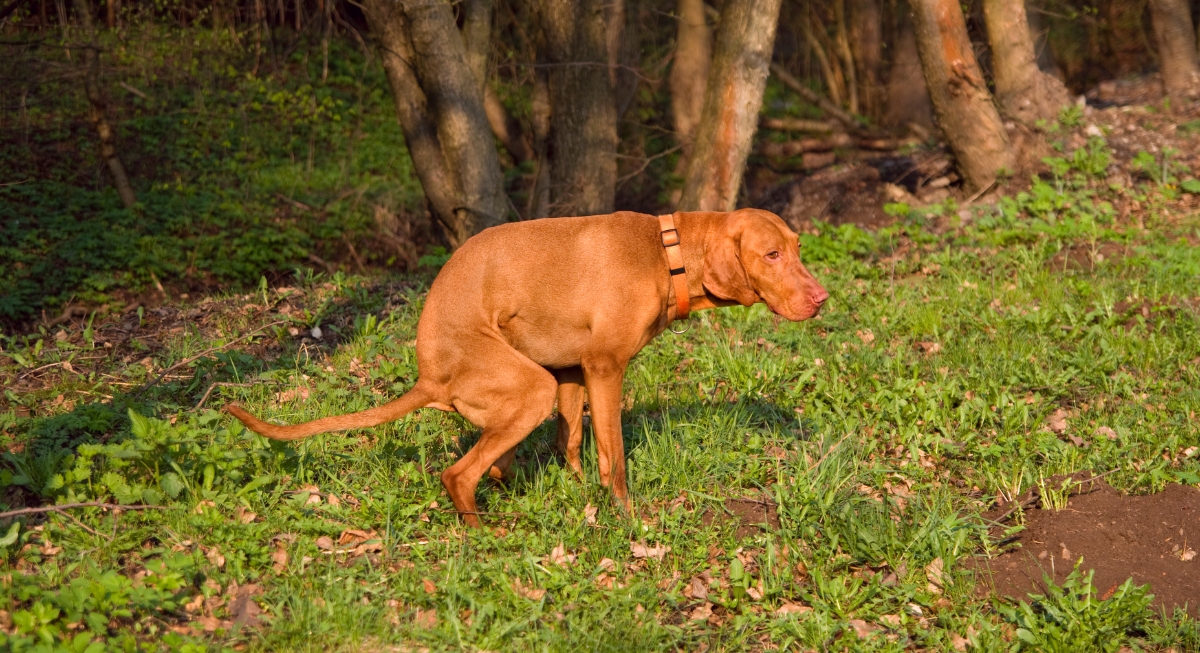
There is a specific kind of joy that comes right after a successful bathroom break. Ever notice when your dog finishes, kicks the grass, and looks ready to celebrate? This kicking routine actually spreads scent from paw glands to mark territory. When this happens, keep a loose but steady grip on the leash.
Play Goes Too Far
Credit: pexels
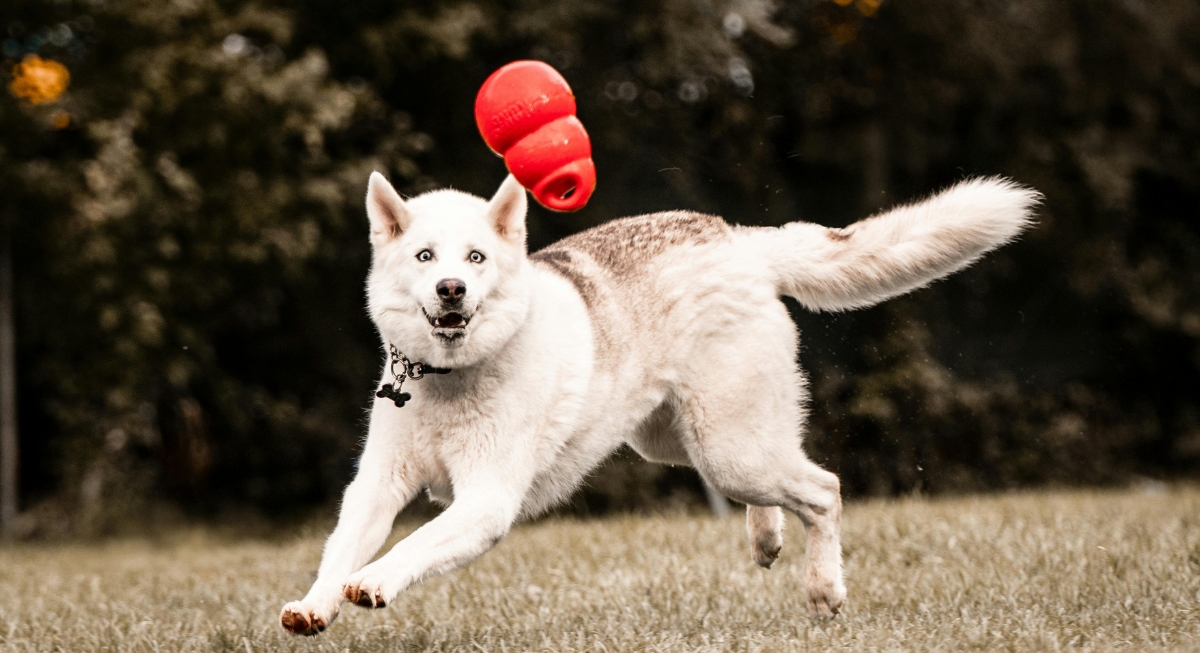
Some zoomie attacks start right in the middle of playtime. A dog gets more excited, starts running harder, and suddenly the whole room turns into a racetrack. It usually happens when the excitement keeps building without a break. Slowing things down early with a calm command or quick distraction can stop the chaos before your coffee table takes the hit.
The Weather Outdoors

Credit: Getty Images
Some pets sprint into the yard the moment they step outdoors. However, every animal responds to such freedom differently, depending on breed, coat thickness, age, and fitness level. Still, safety matters more than the weather itself. Slick patios, icy grass, and cluttered paths can increase the risk of slips when they start running at full speed.
A Favorite Guest Arrives
Credit: Getty Images
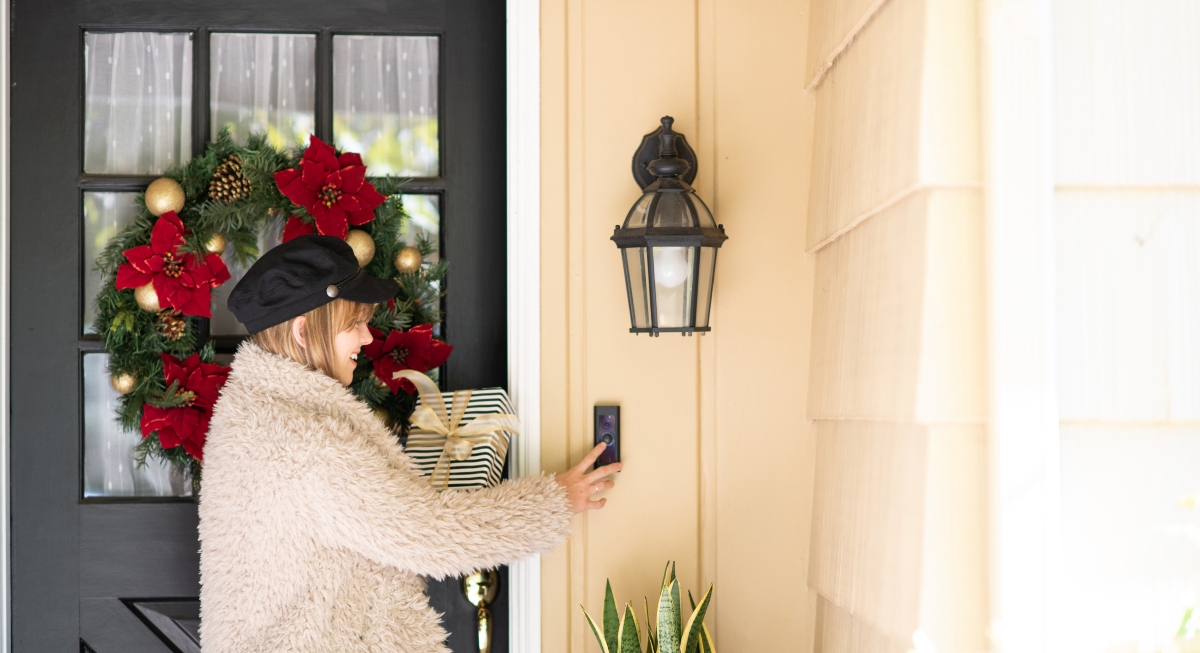
A ringing doorbell tells a dog that their favorite person has arrived. The excitement builds up before you even open the door, and loud, enthusiastic greetings from guests only add fuel to the fire. It may be helpful to ask visitors to enter the house calmly and ignore the pet until all four paws are flat on the floor. This brief pause should stop the chaotic welcome routine before it even starts.
Stress Needs An Outlet
Credit: Canva
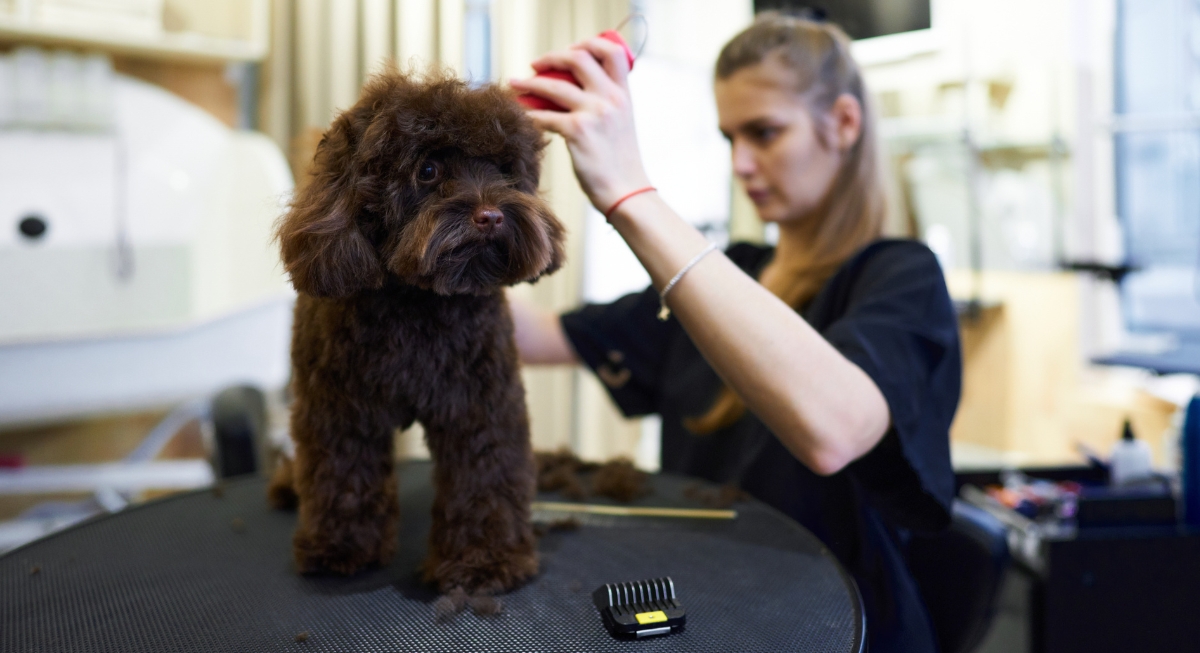
Dogs may sprint around the house right after a grooming session or other stressful activity. This burst of energy does not mean the pup is excited about the trip. It’s simply a way for them to release built-up anxiety. Instead of chasing your pet, give them room to run. Keep your voice low and ensure the hallways are clear so they can safely burn off the remaining tension.
After A Big Nap
Credit: Canva
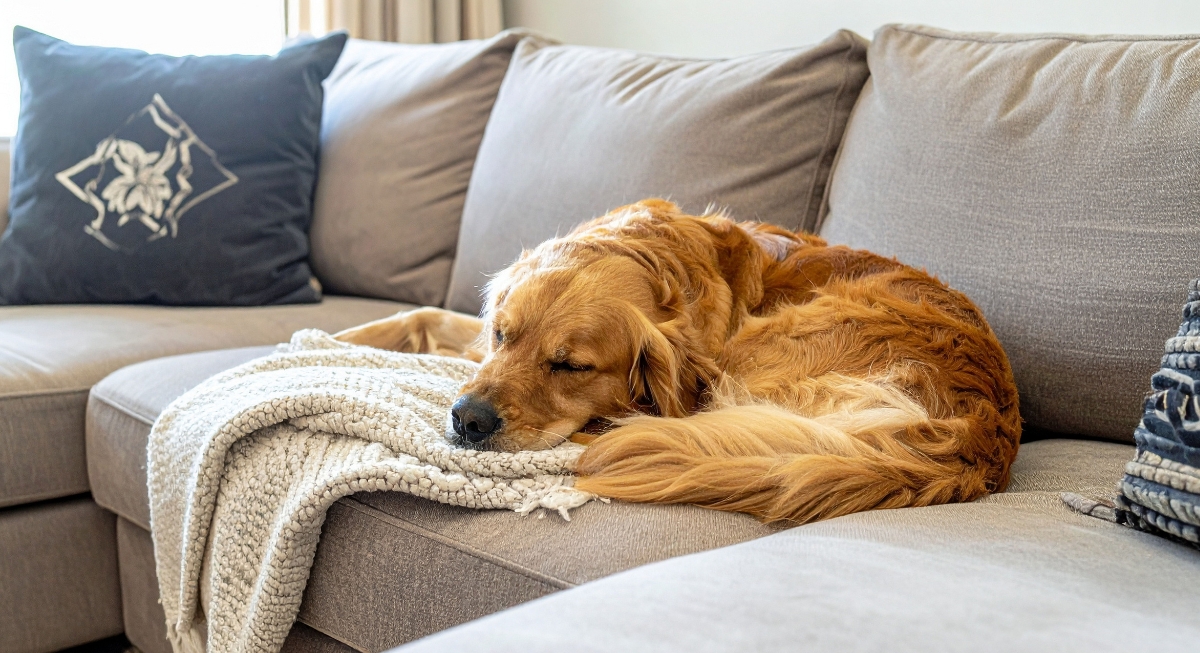
Some canines seem extra lively after waking up, but naps are not a well-established trigger. Still, after a good rest, watch for a quick shift from stretching to sudden excitement, especially in young pets. That sudden lap may come from excitement or pent-up energy rather than sleep itself. If your dog wakes up ready to run, keep fragile items away from their usual route.
Freedom After the Leash
Credit: Getty Images
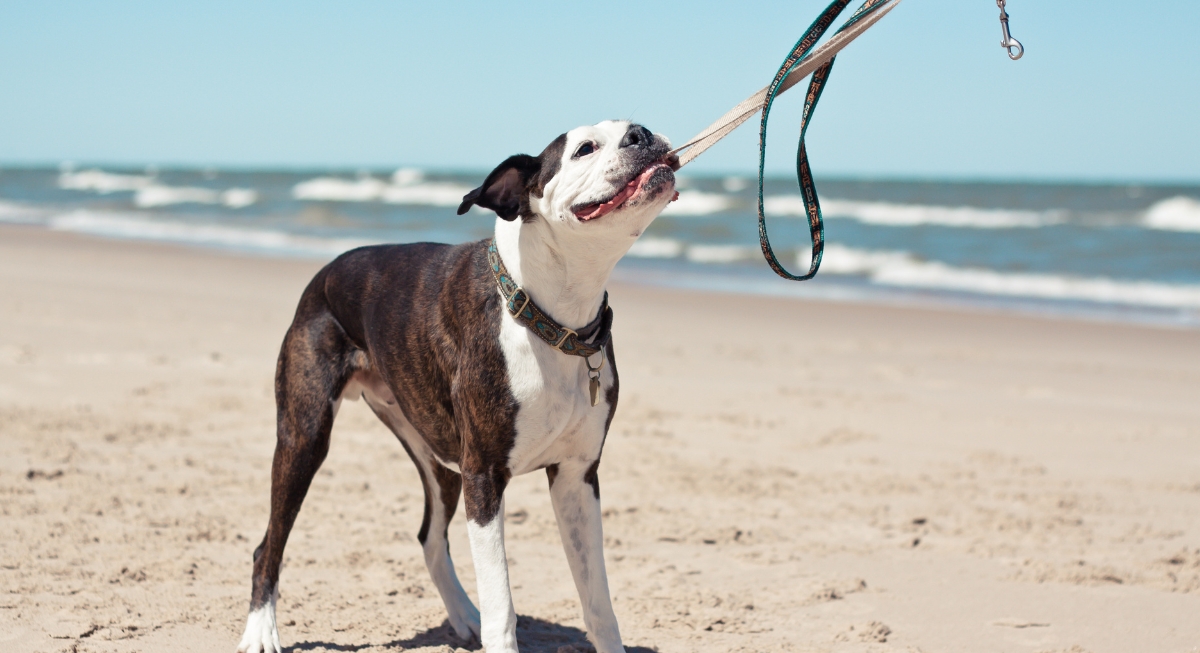
Off-leash time in a fenced yard is a fantastic reward after a controlled walk. Dogs love to celebrate by running at full speed, but this should be done in the proper environment with secure boundaries to keep the experience stress-free. If your pet is still mastering recall, use a secure fenced area or a long line in open spaces to keep the fun under control.
Being Held Still Too Long
Credit: Getty Images
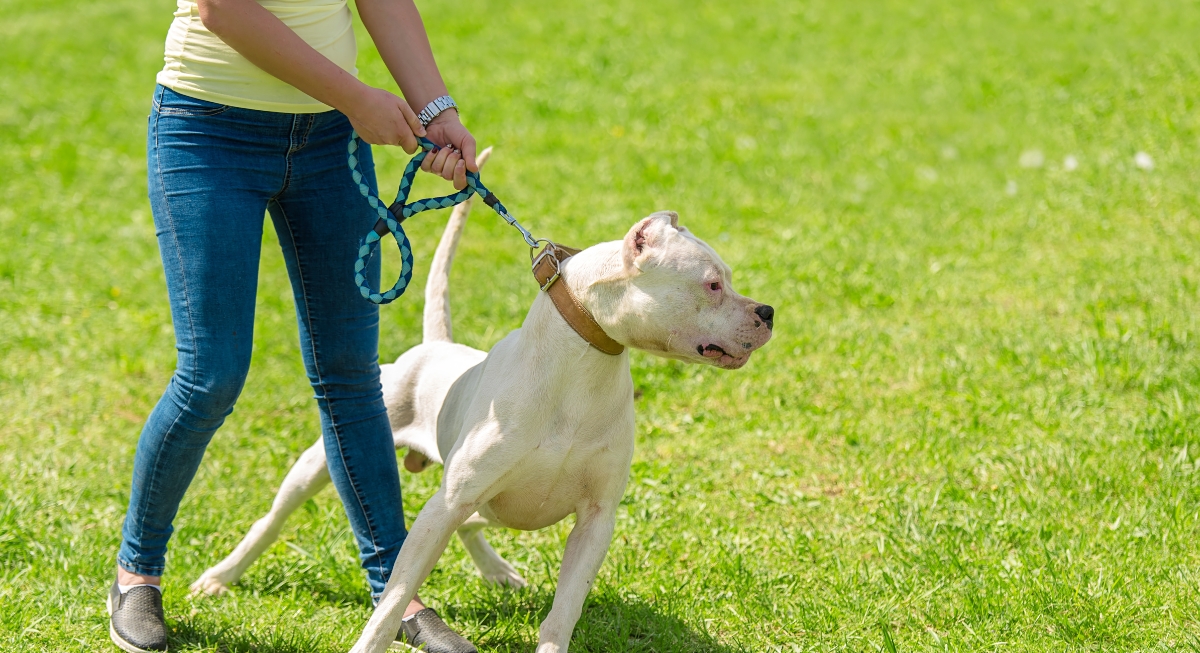
Some dogs dislike being handled or held in place, which can leave them restless once the task is over. Afterward, they may dash around to release pent-up energy or stress. Be mindful of general signs of restlessness before they burst into a run. A simple reward or calm redirection may help your pet settle down.