10 Signs of Aggression in Dogs that People Often Mistake for Play
Dog play can be noisy and physical. Chasing, growling, and wrestling are often harmless. The trouble starts when tension replaces fun and the shift goes unnoticed. Many early warning signs are subtle, so people assume the dogs will work it out. That assumption can end in bites and damaged trust.
These signs are grounded in behavior science and veterinary guidance. They focus on body language rather than volume. Spotting them early helps prevent conflict before someone gets hurt.
Stiff Body With Tense Facial Muscles
Credit: pixabay
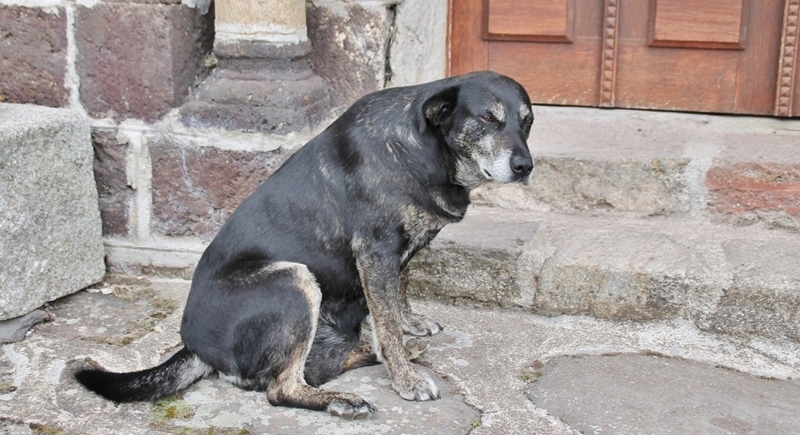
When a dog feels uneasy, its body often goes rigid. The legs may straighten, the back feels tight rather than springy, and movement loses its loose rhythm. You might notice the mouth clamp shut and the face look tight or hard. During healthy play, dogs stay wiggly and curved. Stiffness usually means the dog is preparing for conflict.
Sudden Freezing During Interaction
Credit: Canva
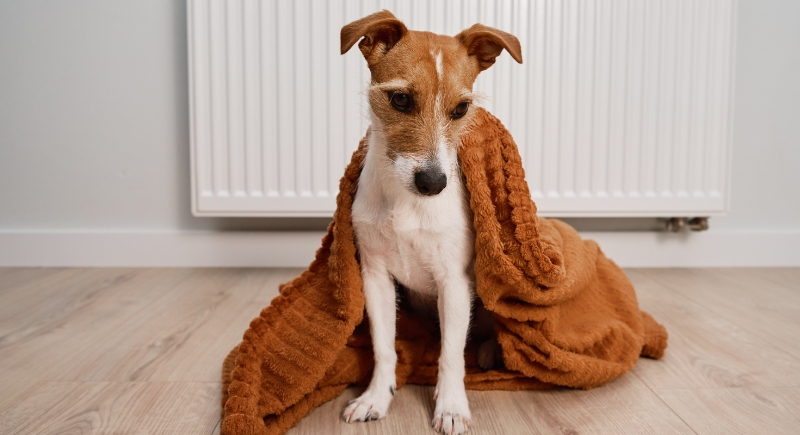
If a dog suddenly goes still in the middle of play, pay attention. That pause is often a stress response. The dog may be assessing the situation and deciding what to do next. Healthy play keeps moving, with back-and-forth shifts and loose energy. A hard freeze can come just before a snap or lunge, so it’s a sign worth taking seriously.
Fixed, Direct Staring
Credit: Canva
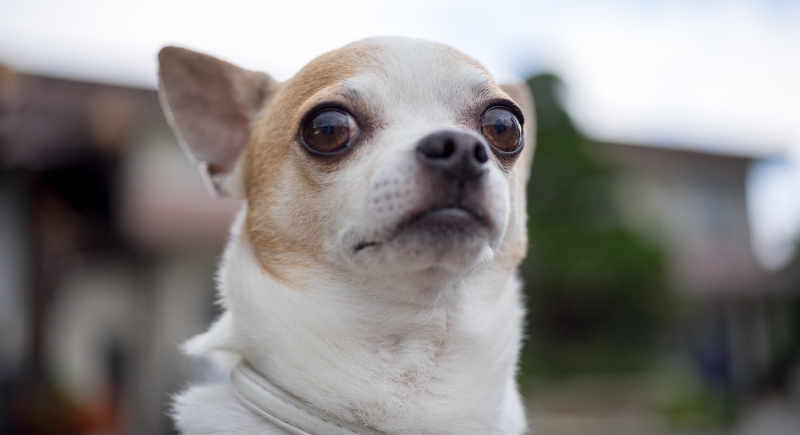
A prolonged and unblinking stare is a known indicator of stress and potential aggression in dogs. In play, dogs break eye contact frequently and shift focus. Intense visual fixation can precede lunging or snapping, especially when paired with stiff posture or stalking movement toward another dog.
Lip Lifting And Subtle Snarling
Credit: Getty Images
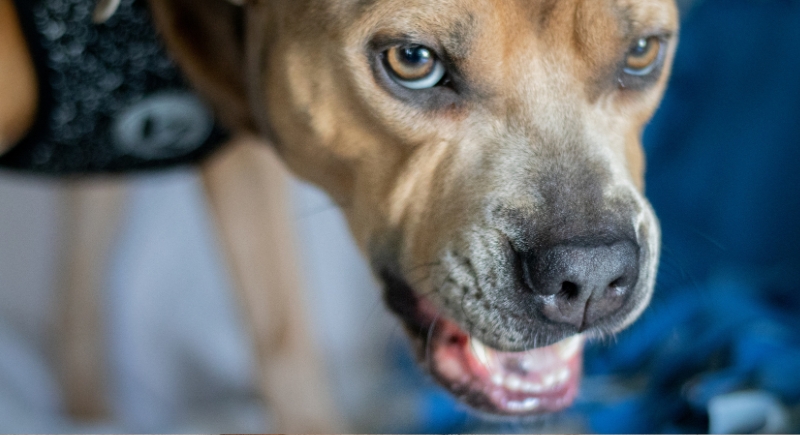
Early warnings are often silent. A slight curl of the lip or a compressed mouth can appear and disappear quickly. These signals show discomfort and a request for space. They tend to come before growling. Many people miss them because there is no sound or dramatic motion.
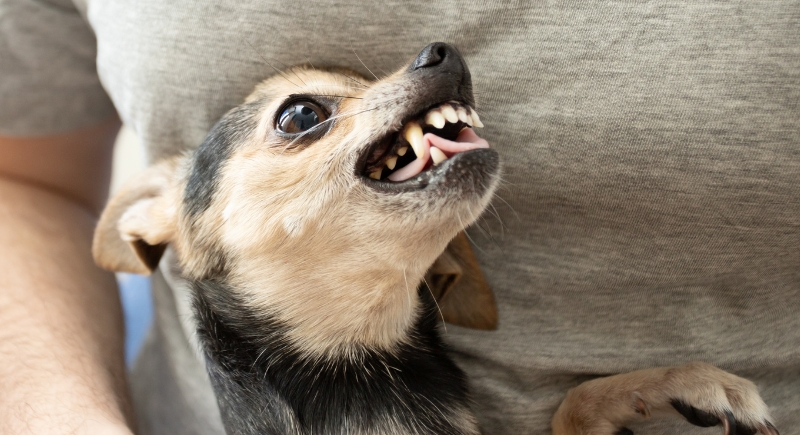
Low Growling With Rigid Posture
Credit: Getty Images
Growling alone is not a reliable indicator of aggression, since some dogs vocalize during play. The key difference described in behavior guidance is body language. A low, deep growl combined with stiffness or immobility reflects stress or threat. Body language reveals whether the sound is playful or pressured.
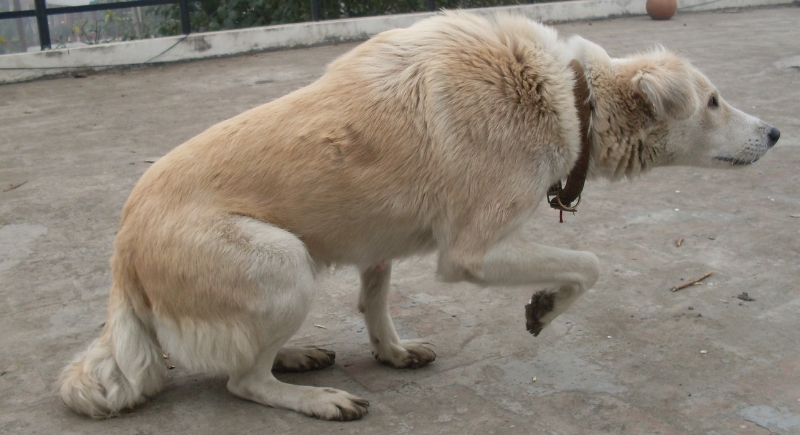
Prolonged, Hard Stalking Behavior
Credit: Wikimedia Commons
Healthy play includes breaks and role changes. Dogs step away, then reengage. When one dog follows another with fixed, unbroken focus and ignores signals to slow down, the tone shifts. If the other dog attempts to leave and is still pursued, that steady tracking reflects rising tension rather than mutual play.
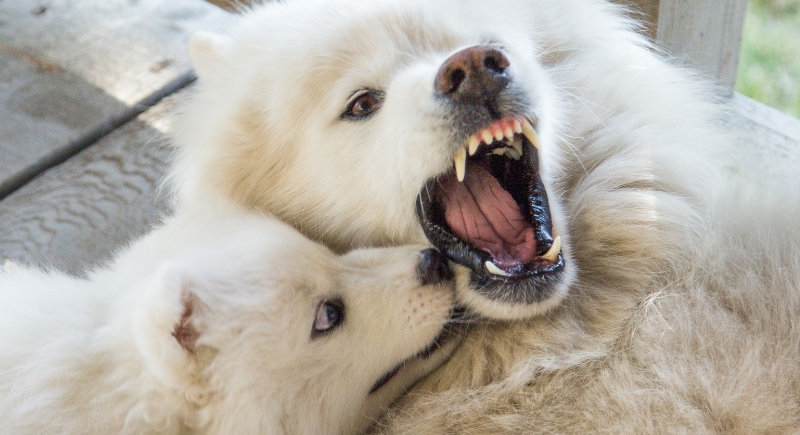
Snapping As A Warning Display
Credit: Getty Images
A snap that stops short of contact is a warning. It is different from playful mouthing, which stays soft and controlled. Snapping is a clear signal telling the other dog to back away. When that signal gets ignored, it can escalate into a bite. Dismissing it as play means overlooking a direct request for space.
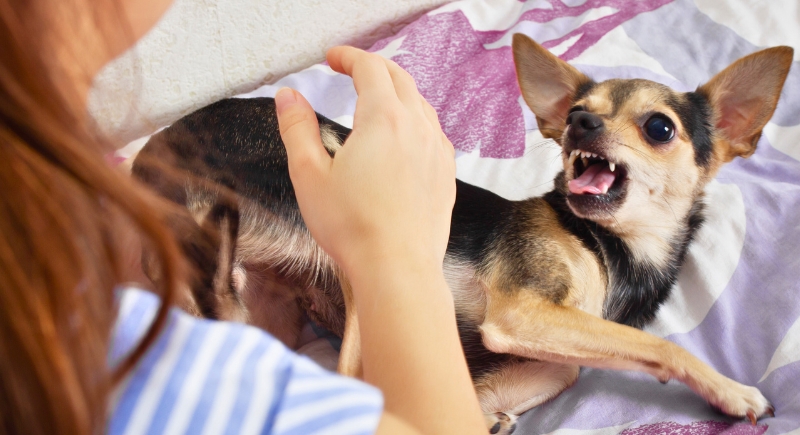
Aggressive Response To Handling Or Correction
Credit: Getty Images
Very young puppies that growl or snap when frightened or hurt show atypical responses. Normal development includes learning inhibition through social feedback. Puppies that react aggressively rather than yielding are flagged in behavior guidance as having a higher risk of future biting toward people or animals.
Failure To Respond To Withdrawal Signals
Credit: pexels
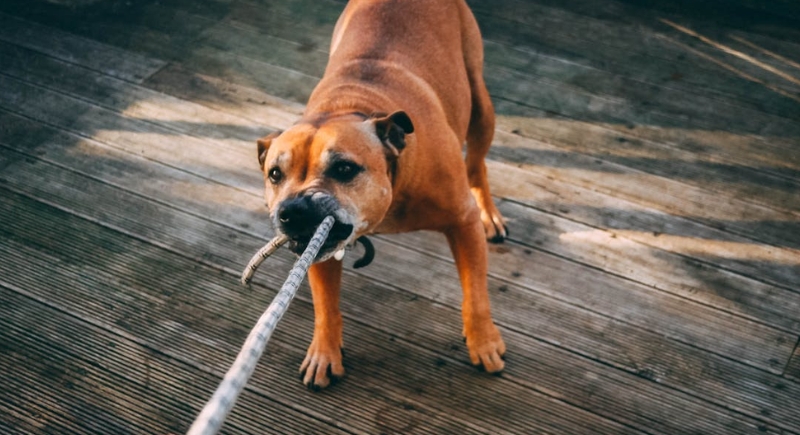
Dogs that are playing typically pause when another dog yelps or disengages. Ignoring these signals shows poor social regulation. Continued pursuit or biting after the other dog has attempted to stop the interaction increases the risk of escalation and injury.
Redirected Aggression Toward Nearby People Or Dogs
Credit: Wikimedia Commons
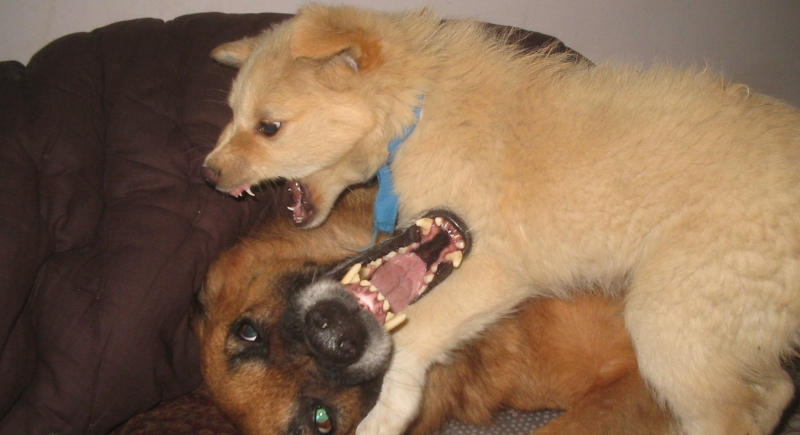
When tension builds between dogs, frustration can spill over. A dog may suddenly snap at a nearby animal or person. This is redirected aggression. It is tied to the original trigger rather than randomness. Crowded spaces and restrained dogs increase the likelihood of this response.