Why Dogs Are Considered the New Kids for Millennials and Gen Z
Millennials and Gen Z are reshaping long-standing notions of adulthood, family, and responsibility. One of the clearest signs appears in how they relate to dogs.
For many young adults, pets now fill roles that children once held socially, emotionally, and financially. This change is connected to economic pressure, lifestyle preferences, and evolving views on what constitutes fulfillment.
Research, spending patterns, and everyday behavior all point in the same direction. Dogs now occupy a central place in many households.
Rising Costs Make Pet Ownership Feel Manageable

Credit: pixabay
Financial pressure plays a major role in this movement. Government data estimates that raising a child can cost hundreds of thousands of dollars by the time they reach adulthood. Pet care costs less by comparison, even with increasing veterinary and food expenses. Many millennials manage student loans, housing costs, and unstable job markets, so the shift makes sense financially.
Dogs Help Create a Routine
Credit: Canva
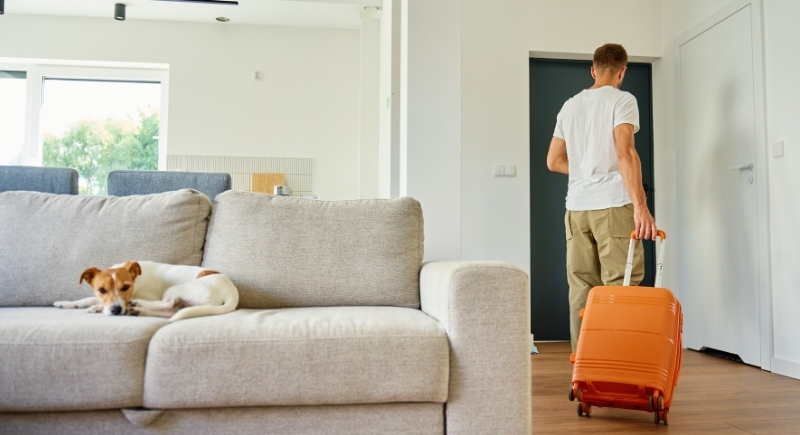
While dogs require daily attention, they still let owners maintain control over their schedules. With some planning, people can still work late, see friends, or take short trips. This balance attracts those who want dependability but not restriction. It shows why dogs work well in adult lives shaped by altered priorities and limited free time.
Their Loyalty Creates a Lasting Connection
Credit: Canva
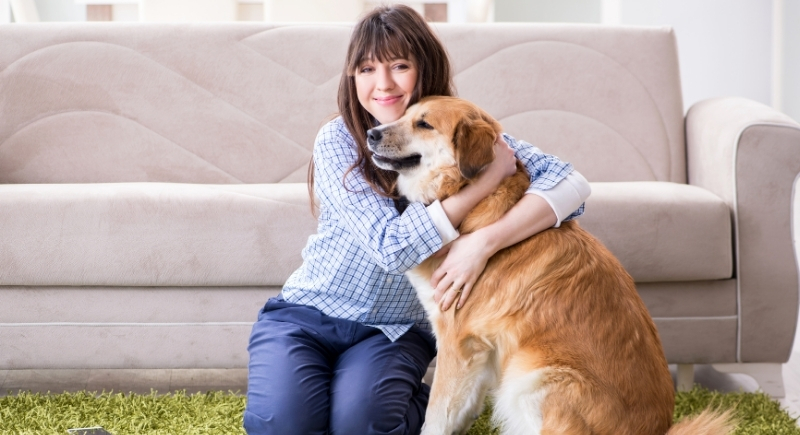
Dogs are known for their loyalty, and that trait plays a big role in why they’ve become so important to younger generations. They tend to remain affectionate and engaged during difficult periods while offering comfort. For millennials and Gen Z navigating unpredictable relationships or major life changes, this loyalty provides a sense of stability and grounding.
Surveys Show Pets Filling Family Roles

Credit: Getty Images
One survey found that about 76% of millennial pet owners view their pets as children. Language has changed too, with “pet parent” replacing “pet owner.” These terms reflect emotional reality rather than marketing. People celebrate pet birthdays, schedule veterinary care, and plan living arrangements around their animals.
Mental Health Benefits Drive Adoption Decisions
Credit: Alamy
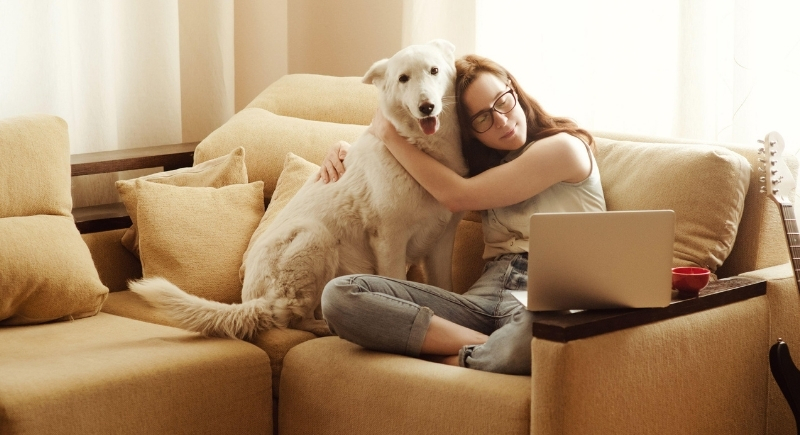
Emotional well-being also influences this trend. A large number of owners report that their dogs help manage their anxiety, depression, and loneliness. Daily care tasks encourage movement and consistency. Even the presence of a pet reduces isolation, especially for people living alone.
Pet Spending Patterns Mirror Child-Focused Markets
Credit: Getty Images
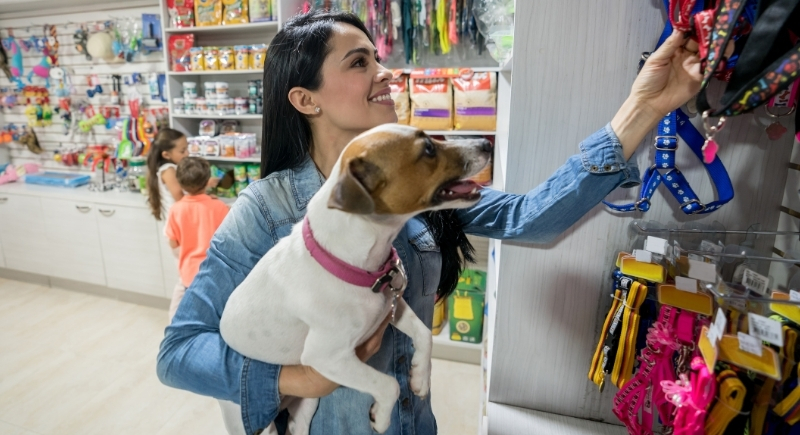
Economic data support this cultural change. Pet industry spending rose sharply over the last decade, increasing by more than 60% between 2013 and 2021. Owners now buy premium food, wellness products, and specialized services. On this note, dog bakeries, luxury boarding facilities, and custom apparel have experienced rapid growth.
Social Media Reinforces the Pet-Centered Identity

Credit: pexels
Sharing daily moments, product recommendations, and milestones online reveals how deeply dogs are woven into their owners’ lives. Pets even gain loyal followings and turn the little moments into shared content. This kind of visibility reinforces bonds and makes pet-centered lifestyles feel normal.
Pandemic Adoption Changed Long-Term Habits

Credit: Canva
Lockdowns during the COVID-19 pandemic led to a surge in pet adoptions as people sought comfort and companionship. Dogs became constant companions during the years of remote work.
Couples Use Dogs to Test Shared Responsibility
Credit: Canva
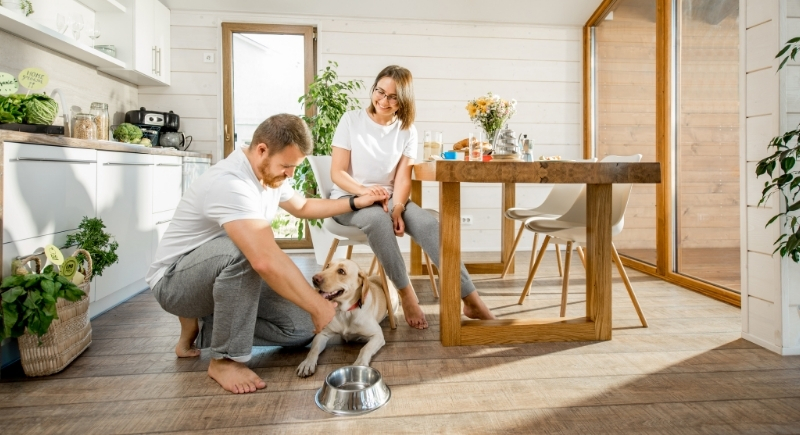
Some couples adopt dogs before making decisions about children. Managing training, healthcare, and schedules reveals how partners handle stress and teamwork. This shared commitment provides insight into communication styles and long-term compatibility.
Separation Anxiety Shows How Deep the Bond Goes
Credit: Getty Images
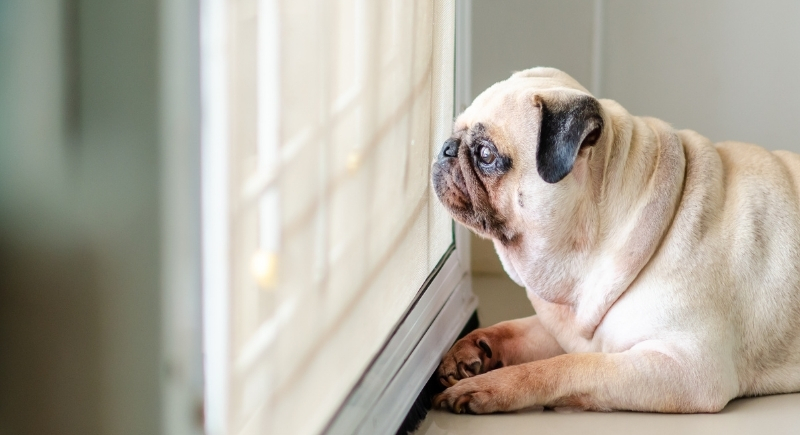
A noticeable increase in separation anxiety, particularly among dogs adopted during periods of remote work, has drawn attention from trainers and veterinarians. While not the only cause, this behavior often points to a strong emotional bond. When pets struggle with being left alone, it may reflect how closely they’ve connected to their human routines and presence.