Key Behavioral Differences Between Male and Female Dogs
Stories about male dogs being chaotic goofballs and female dogs being calmer have floated around forever. What is new is actual data backing pieces of that idea. A 2025 Dog Aging Project survey looked at behavior reports from about 50,000 dogs using the standardized C-BARQ scoring system. The differences were small but consistent. They help explain why living with male and female dogs can often feel slightly different in real life.
Fear Response

Credit: Getty Images
Survey data found male dogs scored about 0.106 points lower on fear questions across breeds. That does not mean males make smarter decisions, though. Training, paired with social exposure and the home environment, still shapes how pups react to stress.
Maturity Timeline

Credit: Canva
Trainers often see male dogs take longer to emotionally mature, which can affect impulse control and focus. Girls often settle a bit earlier, though breed still heavily drives timing. Hormones also influence development, and neutering can reduce the intensity of teenage-like behaviors, based on long-term owner reports across large populations.
Human Handling Effects

Credit: Getty Images
How people treat their pets changes behavior more than most expect. Owners often roughhouse more with male dogs and handle females more gently. That can accidentally reinforce rowdy play styles in males and calmer reactions in females. Researchers say these patterns reflect human expectations just as much as biology. Early socialization can balance this out and reshape behavior in both.
Aggression Signals
Credit: Getty Images
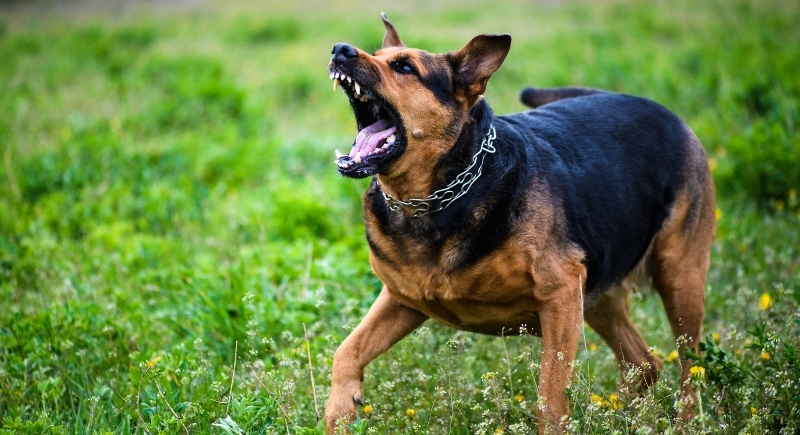
Boys averaged about 0.051 points higher for aggression toward strangers, owners, and other dogs across tens of thousands of responses. Hormones can affect territorial behavior, but socialization makes a massive difference. Interestingly, smaller ones scored higher overall for aggression in owner reports.
Territorial Marking

Credit: Canva
Marking can be a major household frustration for many owners, especially with unneutered males who mark more often due to hormonal influences. Neutering reduces marking in many cases, but breed still affects frequency. Females can mark, too, just usually less often. Consistent training and routine help dogs understand boundaries inside homes, which survey data shows reduces incidents across different living environments.
Trainability Pace

Credit: Getty Images
Training differences can surface quickly during early lessons. Female dogs averaged about 0.106 points higher in trainability scores on standardized questionnaires. That often lines up with faster impulse control early on. Many males just mature more slowly emotionally, which can make early training feel harder. Structured routines dramatically improve learning regardless.
Size And Energy
Credit: Getty Images
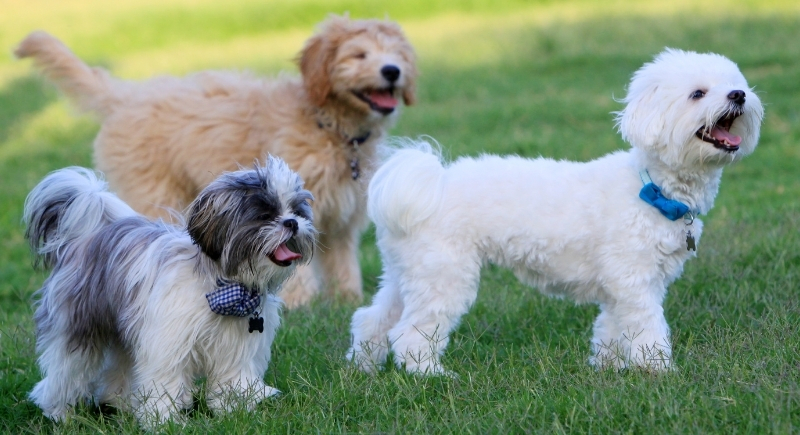
Within the same breed, males are often heavier, which changes the amount of energy available during play. Bigger bodies can mean stronger bursts of activity and higher calorie needs. That said, breed genetics drive activity levels in all cases. Exercise plans should focus on breed traits and individual stamina rather than assuming males are always higher in energy.
Attention Needs

Credit: Canva
One that surprises many owners is attention-seeking, which shows the biggest gap, with male pooches averaging about 0.135 points higher. This includes things like following owners everywhere or reacting more strongly to separation. Females showed slightly more independence in survey reports. Interestingly, mixed breeds ranked high in attention needs across the board.
Perception And Bias

Credit: Getty Images
These numbers may seem scientific, but perception still plays a role. The results rely on owner questionnaires. Researchers warn that expectations about male versus female behavior can influence reporting. Other studies show very small or inconsistent differences. In real life, upbringing, training quality, and individual personality usually predict behavior better than group averages ever will.