10 Dog Breeds That Were Originally Bred to Fight Lions
It’s hard to imagine today’s family dogs being bred for life-or-death encounters, but some breeds were originally developed to withstand encounters with lions. These were working dogs built for protection, survival, and big-game hunting.
In regions where lions threatened people or livestock, humans needed animals that could help hold the line against them. Many no longer face such dangers, but their history still shows in their build, behavior, and instincts. Here’s how that legacy began, and which breeds lived it.
Rhodesian Ridgeback
Credit: Getty Images
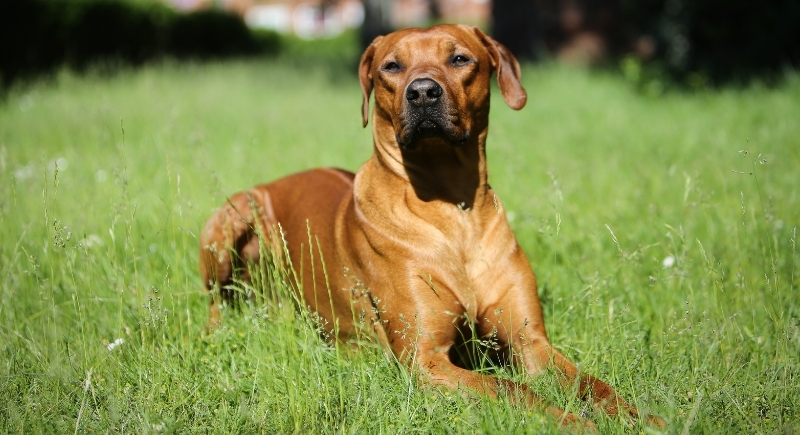
This southern African breed earned its nickname, “African Lion Hound,” for helping hunters wear out lions through relentless pursuit. The Ridgeback’s job was to keep lions on the run until they collapsed from exhaustion. It was speed that defined its purpose.
Boerboel
Credit: Canva
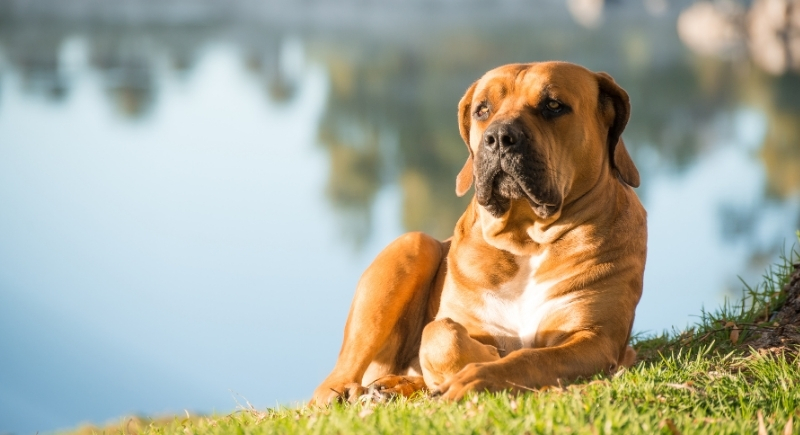
On remote farms in South Africa, Boerboels were the last defense between a lion and the livestock. Their physical bulk and territorial instincts came from centuries of selective breeding. These dogs stood their ground when it mattered and didn’t break easily under stress.
Dogo Argentino
Credit: Getty Images
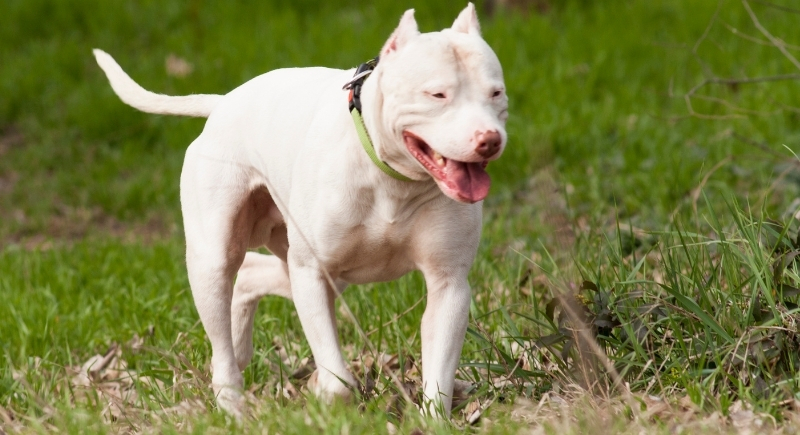
The Dogo was created with Argentina’s rugged landscape and massive prey in mind. Originally bred to hunt wild boars and pumas, Dogos were sometimes tested against lions in reserves. They weren’t the loudest breed, but they didn’t need to be. Their endurance, pain tolerance, and drive made them relentless.
Fila Brasileiro
Credit: Canva
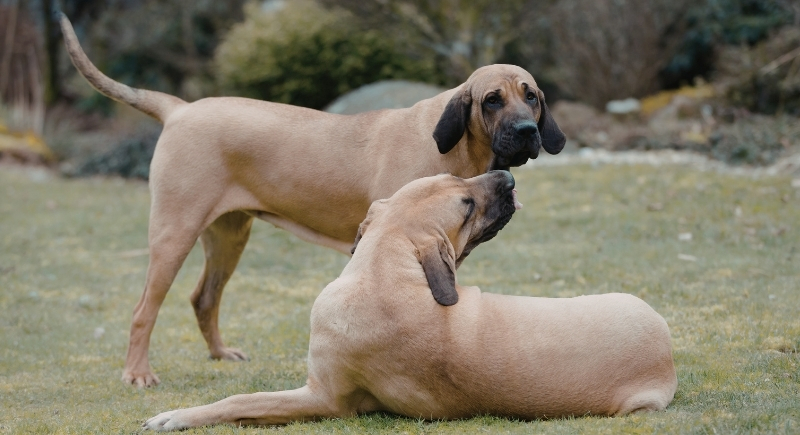
Though lions aren’t native to Brazil, the Fila was built for dangerous encounters. As a mix of mastiff strength and bloodhound tracking, this breed was used in colonial-era hunts that occasionally involved imported predators. Its hold-and-not-let-go instinct made it a reliable protector when facing down aggressive animals.
Turkish Kangal
Credit: Getty Images
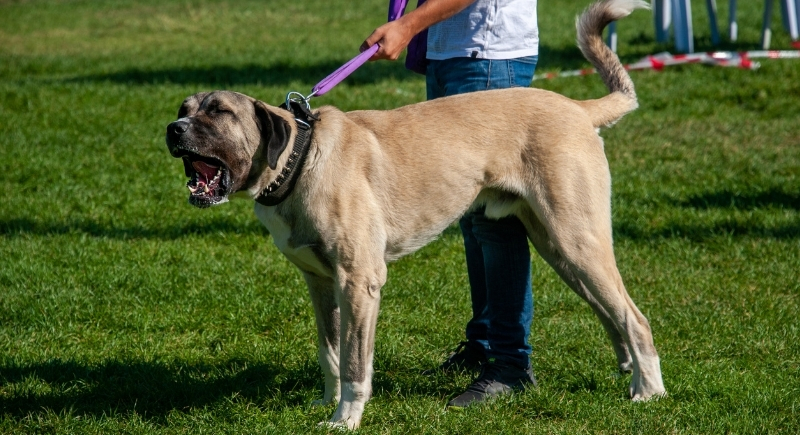
In eastern Turkey, predators posed a real threat to herders. Kangals earned their keep by physically deterring wolves and, in lion-prone territories, holding their own against even larger threats. The breed’s famously strong bite force was part of a defense strategy rooted in survival.
American Bandogge Mastiff
Credit: pexels
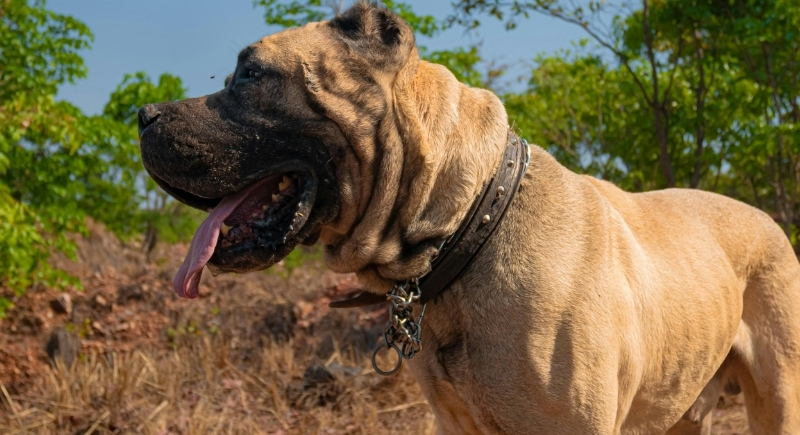
A cross between mastiffs and pit bulls, Bandogges were developed to subdue dangerous game in high-risk environments. Used in coordinated hunts, their job was to lock down the target with minimal hesitation. While not explicitly bred for lions, their purpose often brought them into contact with similarly aggressive animals.
Rottweiler
Credit: Getty Images
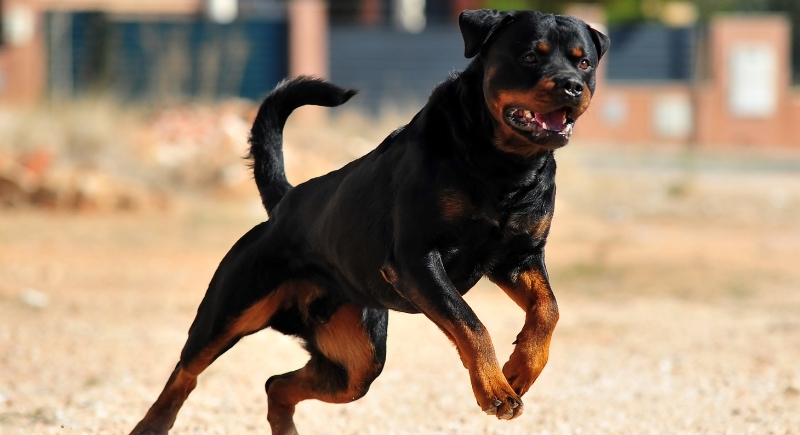
Rottweilers have roots in Roman drover dogs, which were used to herd and guard livestock during long marches. Later in Europe, they were adapted for protective work on farms, especially where predators were still active. They weren’t lion hunters by trade, but they had the physical and mental traits to stand firm.
Bloodhound
Credit: pixabay
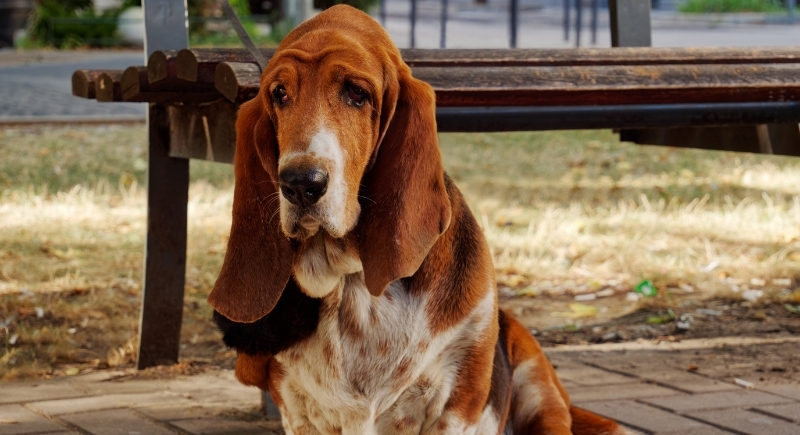
Tracking was the Bloodhound’s specialty, and that’s precisely why they were included in large predator hunts. Without their ability to follow scent trails across vast terrain, lions wouldn’t have been found at all. They were the starting point of many pursuits.
Irish Wolfhound
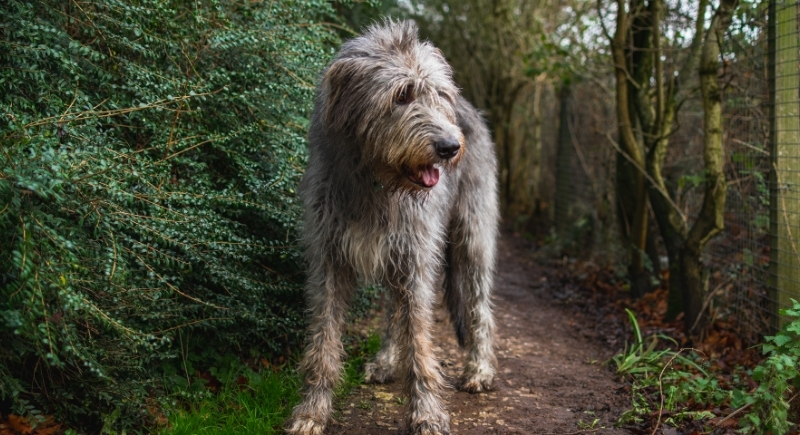
Credit: Getty Images
Built to take down wolves in Ireland, this breed’s imposing height and strength made it a candidate for larger game, including lions in colonial contexts. The Wolfhound wasn’t fast, but it could endure long hunts and deliver massive force when needed. Its presence alone could be enough to intimidate.
Tibetan Mastiff
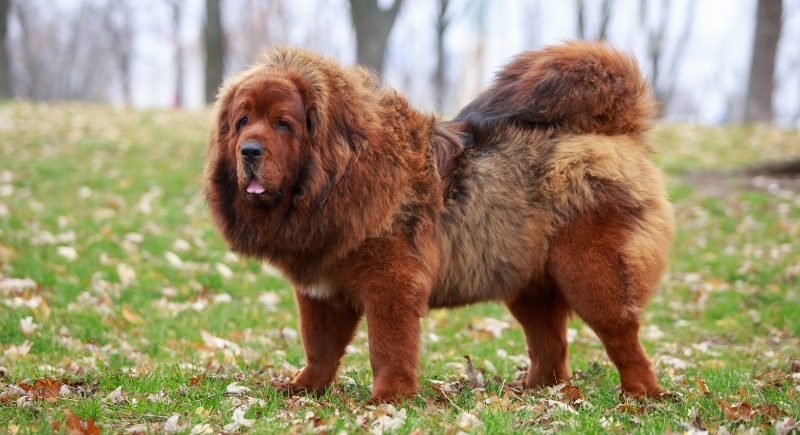
Credit: Getty Images
Though not trained to seek out lions, this mountain guardian was bred to protect flocks from whatever predator dared to approach, which included escaped zoo lions in rare cases. Its thick coat, aloof temperament, and defensive strength made it the last line of defense in predator-rich regions.