Dog Breeds With the Highest Emotional Intelligence
Some dogs do more than follow cues. They pick up on how people feel almost immediately and adjust without anyone having to ask. Emotional intelligence in dogs shows up in the way they notice a mood shift, soften their behavior, and offer support in a steady, instinctive way.
These breeds stand out for their natural ability to read body language, tone of voice, and even daily patterns. If you’ve ever felt a dog understood you in a deeper way, one of these breeds was likely behind that moment.
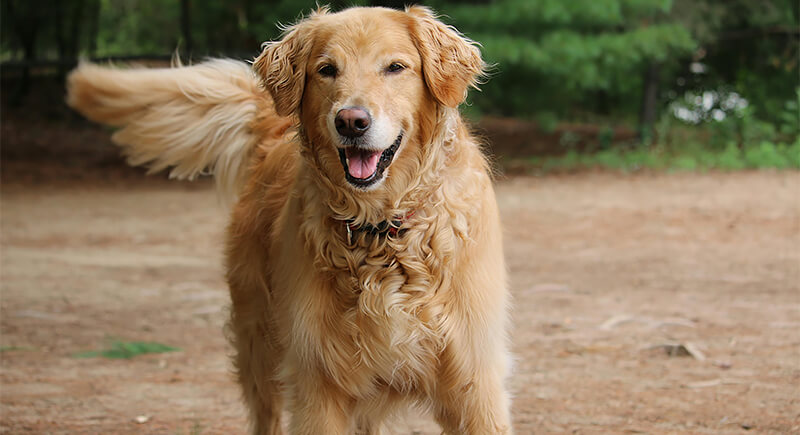
Golden Retriever
Credit: pexels
Golden Retrievers are often the first choice for therapy work, and it’s not hard to see why. Their behavior shifts based on the smallest changes in voice or body language. They’ll turn mellow when things feel heavy and match energy when it lifts without requiring cues or commands.
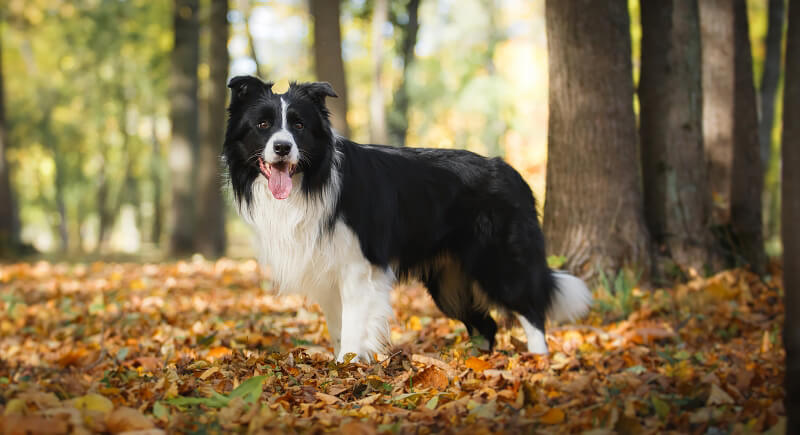
Border Collie
Credit: Getty Images
Their herding background shaped them into dogs that pay close attention to every small signal a person gives. Border Collies read posture, glances, and pauses with surprising accuracy, often responding before anyone says a word. They stay alert and tuned in, almost as if they’re quietly mapping out what might happen next.
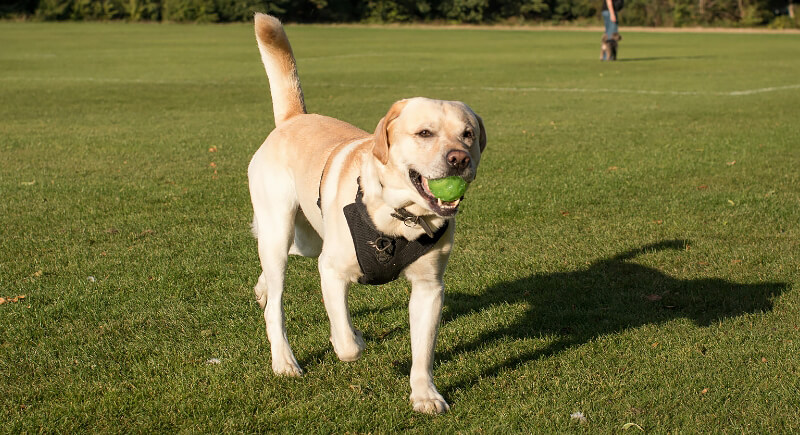
Labrador Retriever
Credit: pexels
Labradors rarely overdo it. They read energy well and match it without making it overwhelming. Around kids, they go easy. As for anxious people, they remain still. That steady, adaptable presence is why they succeed as guide dogs and in emotional support roles where reactions need to stay measured.
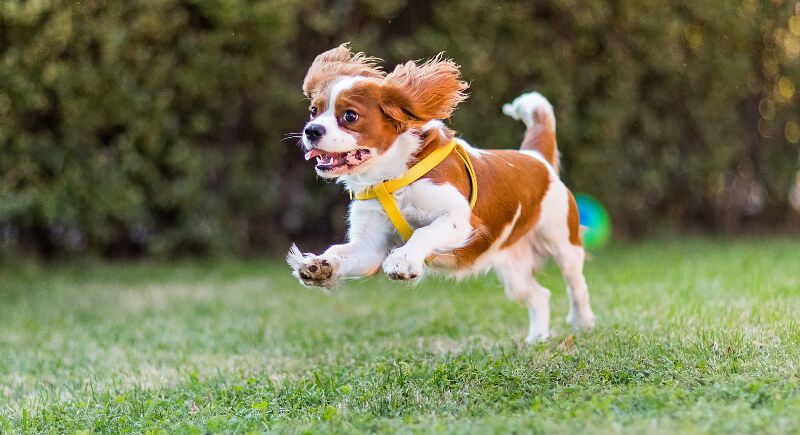
Cavalier King Charles Spaniel
Credit: Getty Images
Cavaliers pick up on shifts in mood in a subtle, steady way. When something feels off, they don’t rush or try to demand attention. They simply move closer and stay with their person, creating a calm sort of steadiness. Their comfort comes from genuine social awareness rather than learned commands.
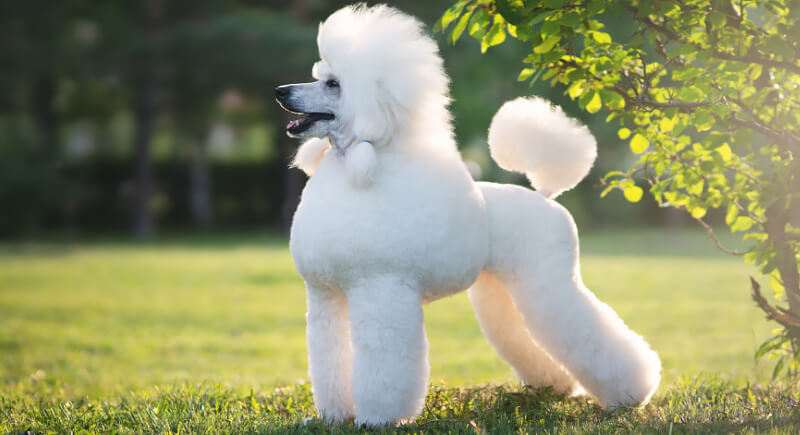
Poodle
Credit: Getty Images
Highly intelligent and observant, Poodles behave almost like they’re listening. They track gestures and shifts in tone, and they adjust behavior based on interaction. Their emotional responsiveness often feels like a back-and-forth exchange, not a reaction to a one-sided prompt.
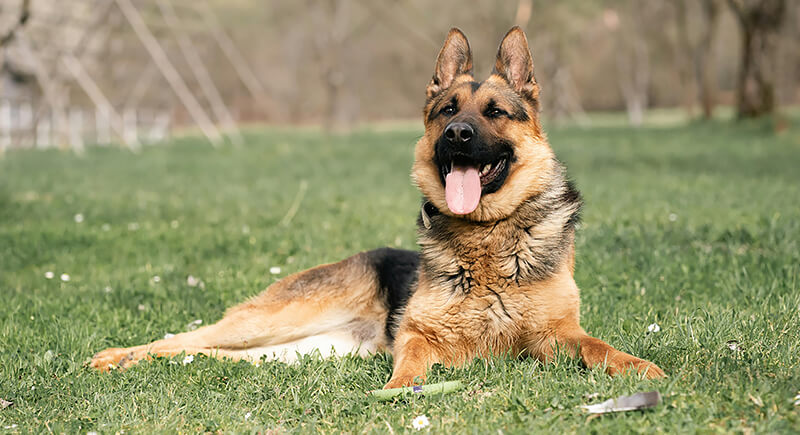
German Shepherd
Credit: pexels
In environments where humans show tension or urgency, German Shepherds adapt quickly. They track emotional signals not just for safety but to stay useful. Their focus sharpens when voices shift, and they often stay closer or more alert when uncertainty rises.
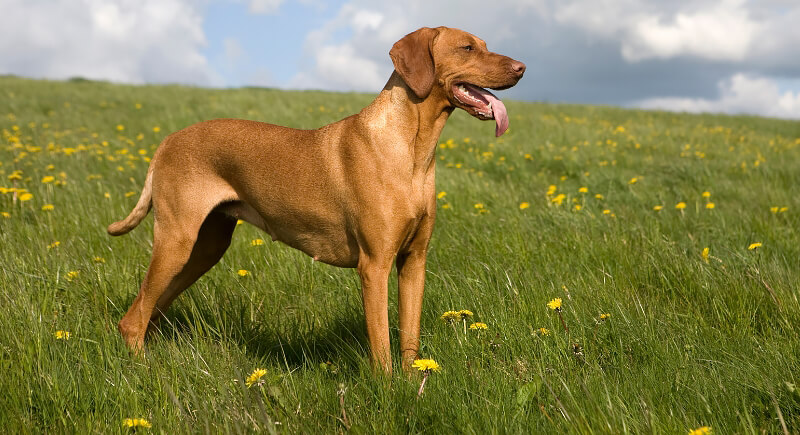
Vizsla
Credit: Getty Images
This breed operates in sync with their person’s body language and routine. They don’t need spoken commands to register emotional change. If you slow down, they follow gently. If you’re still, they settle beside you. Few breeds track emotion through movement as precisely.
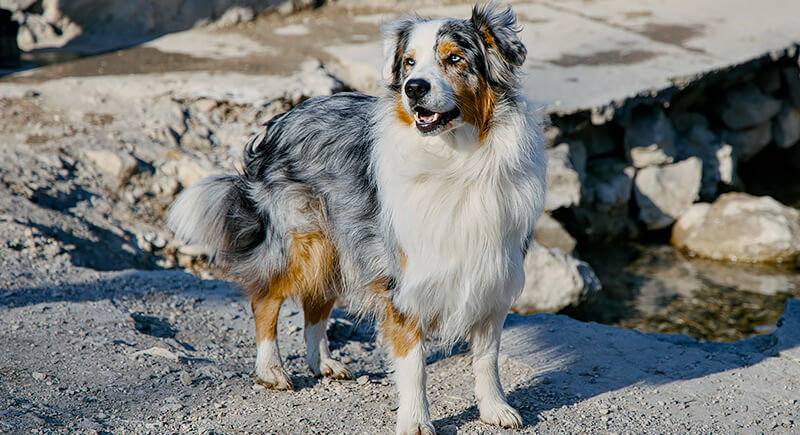
Australian Shepherd
Credit: pexels
You’ll often find Aussies redirecting energy in a household and nudging hands, initiating interaction, or pausing activity when things feel off. Their emotional responses are active, shaped by their role as helpers and their close bond with people around them.
Doberman Pinscher
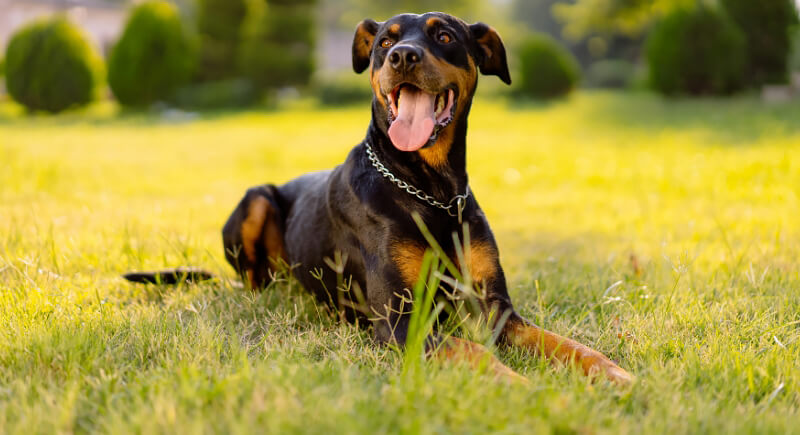
Credit: Getty Images
Dobermans are natural guardians, but their emotional radar is just as strong as their protective instincts. They’ll often place themselves near someone who’s upset. And they do that not to guard, but to observe. Their calm, grounded energy shows up as silent support that never feels invasive or over-attentive.
Shetland Sheepdog
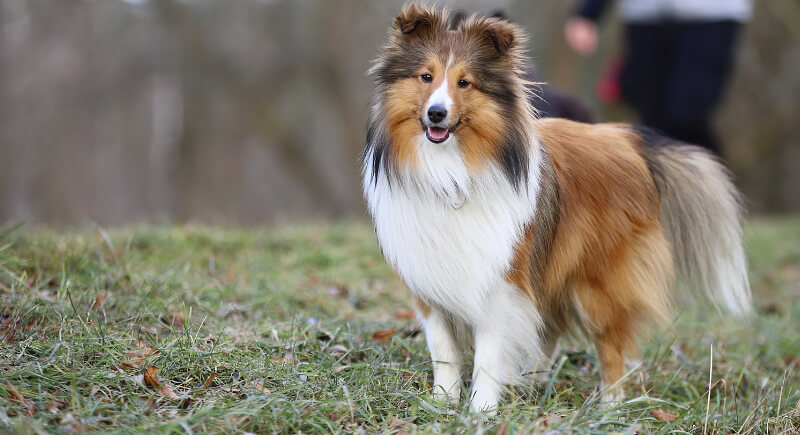
Credit: Getty Images
This breed rarely misses a change in tone or tempo. Shelties watch silently, often shifting behavior or posture as emotional context changes. They’re not reactive. They’re adaptive and form strong habits around routine and soft emotional feedback.