Dogs Evolved a Special Facial Muscle to Manipulate Human Emotions
Living alongside humans changed both how dogs behave and how they look. Research shows that domestic dogs developed a small facial muscle that helps them create the familiar “puppy dog eyes” expression, a feature that sets them apart from wolves.
Scientists identified this muscle, called the levator anguli oculi medialis (LAOM), in most dogs. It allows them to lift the inner eyebrow, making their eyes appear larger and more expressive. In wolves, the same structure is either absent or only faintly developed.
The Muscle That Alters How Dogs Are Perceived
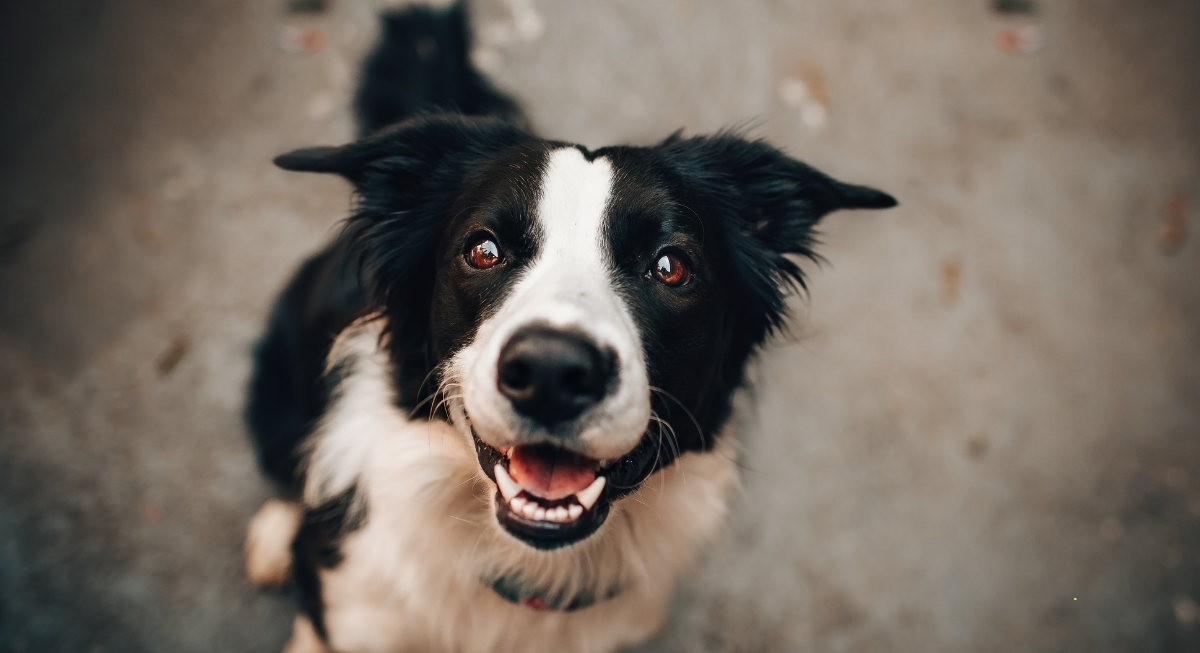
Image via Pexels/Helena Lopes
By lifting the inner eyebrow, dogs change the shape of their eyes in a noticeable way. The movement makes the eyes appear larger and more rounded, which creates a look that aligns with facial cues people associate with sadness.
Even slight changes in facial structure can influence how humans interpret emotion. Because people rely heavily on visual signals, this adjustment draws attention quickly and makes the face appear more expressive.
Raised inner brows and enlarged-looking eyes resemble features commonly seen in human infants. These traits are closely linked to perceptions of vulnerability and a need for care, which tend to trigger a caregiving response.
Dogs that make this movement become more noticeable and more likely to receive attention. Research suggests that people often respond to these cues automatically, without deliberate thought.
A Change Linked to Domestication
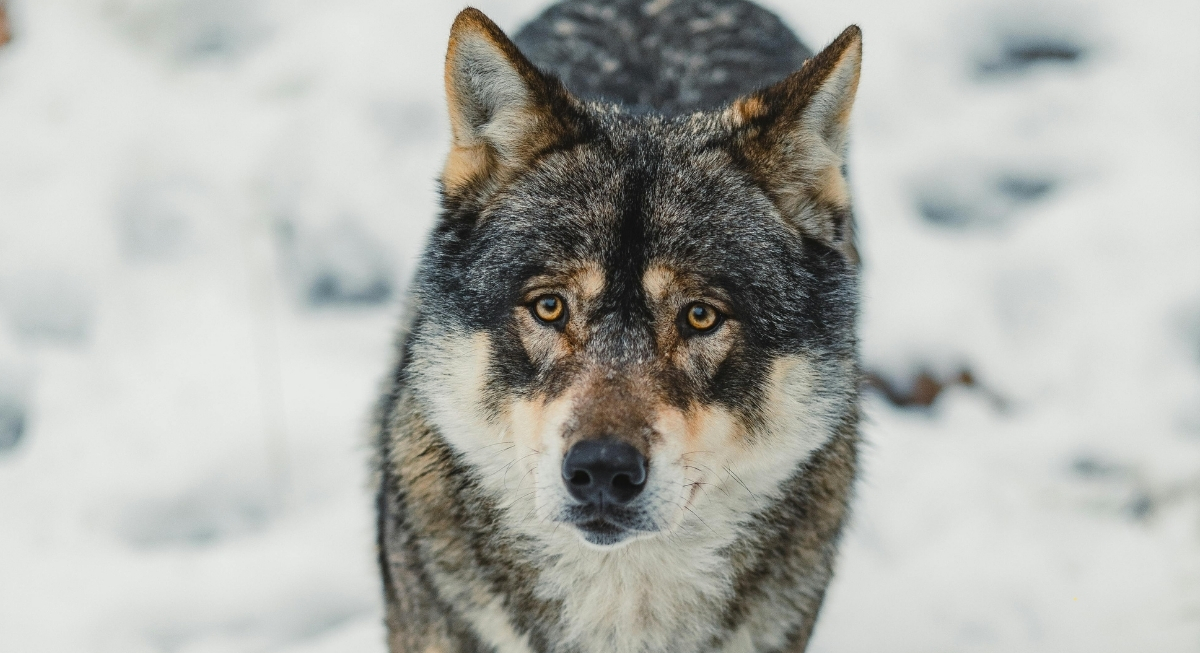
Image via Pexels/David Selbert
Clear differences appear when comparing dogs and wolves. Dogs consistently show a developed LAOM muscle, while wolves show little to no development in the same region.
The trait likely emerged after domestication began. As dogs lived alongside humans, characteristics that supported interaction and attention became more common across generations.
Researchers describe the development of this muscle as relatively rapid in evolutionary terms, given its small size. Observational studies also show that dogs raise their inner eyebrows more frequently and more intensely than wolves do.
The movement appears most often during direct interaction with humans, particularly when a person is focused on them. With less human attention, the movement occurs less often. This pattern indicates that the expression is closely tied to communication with people.
How Human Preference Reinforced the Trait
Human behavior played a role in shaping this trait over time. Animals that appear more expressive were more likely to be selected for breeding.
Evidence from shelter environments supports this pattern. Dogs that raise their inner eyebrows more often tend to be adopted more quickly. Repeated preference for these traits strengthened their presence across generations.