10 Things That Change in the Final Weeks of a Dog’s Life
When a dog is nearing the end of its life, small shifts start to appear. Even people who have lived with dogs for years are often surprised by how uneven this stage can feel. There’s no fixed timeline and no single pattern. Understanding these changes can help you adjust how you care for your dog and focus on keeping them safe, comfortable, and close during the time you still have together.
Sleep Takes Over
Credit: Canva
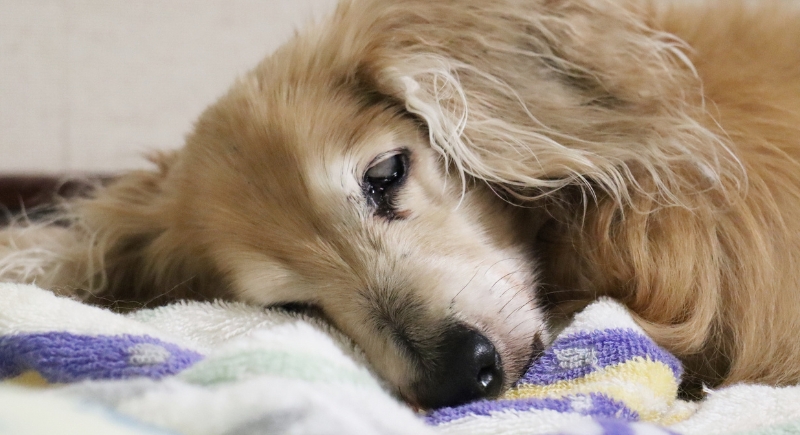
Energy conservation becomes the priority as the body redirects resources toward rest. Dogs might doze off in unusual spots because those places feel quiet and protected. What used to be brief naps now stretch into hours. The couch they always loved might get swapped for a corner of the laundry room. It’s instinct kicking in and telling them to find stillness.
Food Loses Its Appeal
Credit: Getty Images
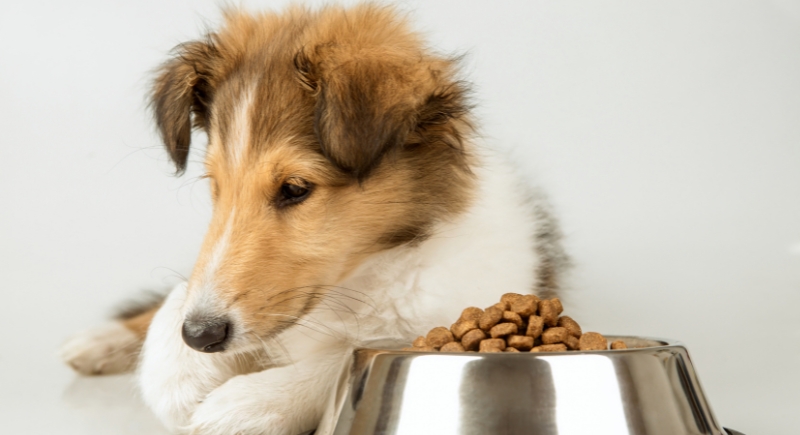
A dog that once waited by the bowl may start turning away from meals altogether. Illness can bring nausea, and tumors or internal pressure can make eating feel uncomfortable rather than enjoyable. As veterinarian Robin Downing often notes, getting a little food in is usually better than none. Small adjustments can help for a time, like warming food, offering it by hand, or trying appetite support. Eventually, though, the body begins to let go of hunger, and that shift is part of the process.
Gums Change Color
Credit: Wikimedia Commons
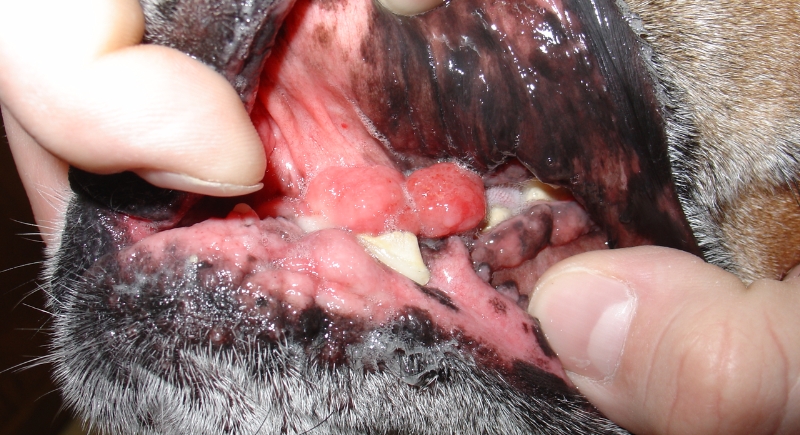
A dog’s gums are usually a healthy pink, so changes stand out quickly. They may fade to pale pink or take on a bluish or gray tone as circulation and oxygen levels drop. The tongue can shift color too, and the mouth may become dry or stringy with drool. Once this change begins, it is often difficult to reverse. In some cases, such as internal bleeding caused by cancer, a blood transfusion can provide brief relief, but it is usually temporary rather than curative.
They Pull Away From the Pack
Credit: Getty Images
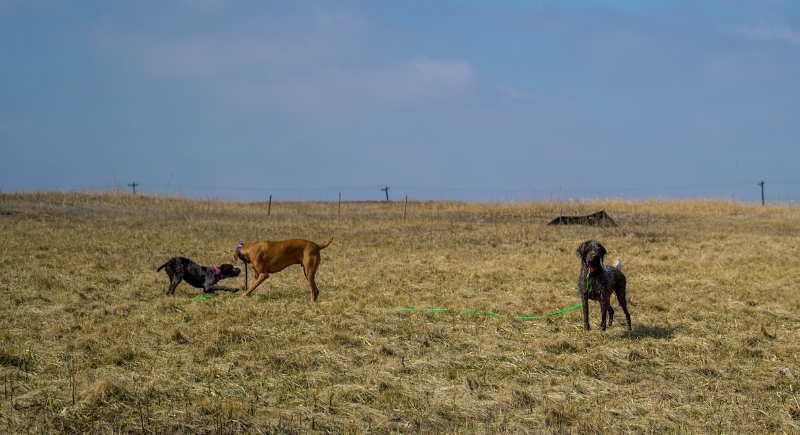
Dogs that were once social may begin avoiding people, noise, and activity. This withdrawal often appears when energy is low or discomfort increases. Quiet spaces feel easier to tolerate than busy ones. Increased stimulation is commonly linked to pacing, whining, or heavy breathing. Reduced interaction is not rejection. It reflects a need for rest and minimal sensory input.
Movement Turns Into Negotiation
Credit: pexels
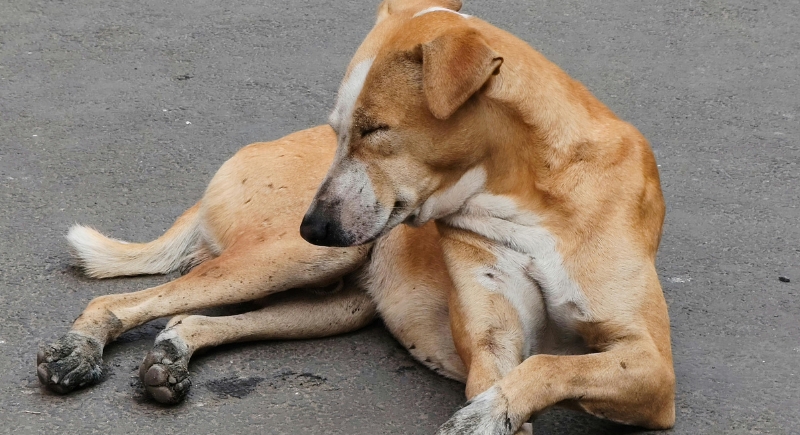
Loss of mobility is a well-recognized end-of-life sign and can result from weakness, pain, or neurologic decline. You may notice sliding paws on smooth floors or a wobble that didn’t exist last month. Even confident couch-jumpers begin treating the sofa like it’s Mount Everest. Some studies found that difficulty in lifting the head alone can be another sign.
Bathroom Accidents Increase
Credit: pixelshot
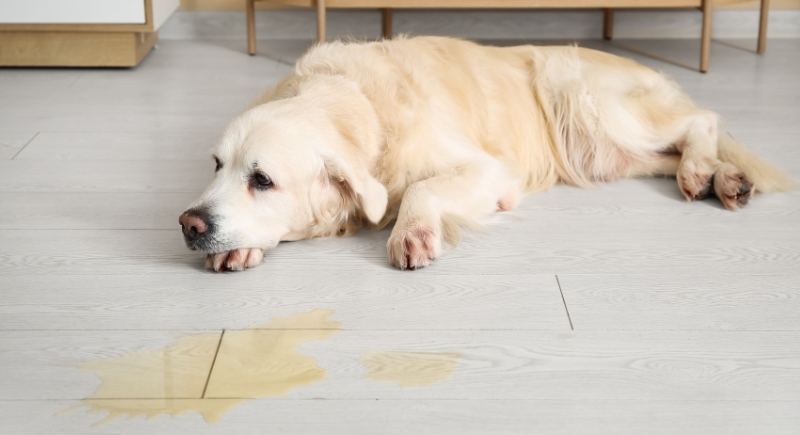
Even perfectly house-trained dogs can lose bladder or bowel control near the end of their life. Weak muscles, confusion, and reduced mobility make it harder to ‘hold it’ or reach the door in time. Scolding is not an option. Use puppy pads, washable blankets, or waterproof bedding to protect their skin and your home. Gentle wipe-downs help prevent irritation and sores.
Sudden Energy Spikes

Credit: pexels
Dogs that are lethargic for days might suddenly perk up, wag their tail, or beg for treats. This surge fools owners into thinking recovery is happening. Hospice professionals recognize this burst as the body’s last gasp before complete shutdown in some cases. The moment feels like a gift, and it is, but understanding what comes next prevents the crash from blindsiding you. Offer affection if they want it, but don’t mistake the rally for a turnaround.
Thirst Dwindles
Credit: Getty Images
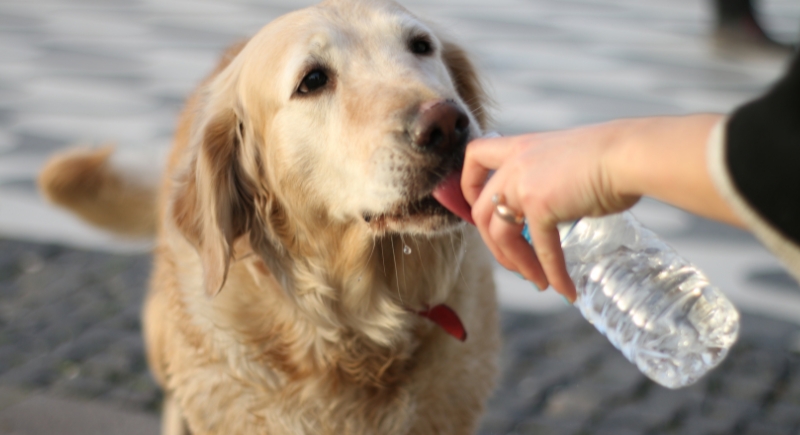
The water bowl sits full because your dog isn’t visiting it anymore. Their gums dry out, and their skin takes longer to snap back into place after gentle pinches. As the swallow reflex weakens, drinking becomes dangerous as forcing water down risks choking. Ice cubes melting in their mouth work better than a full bowl. Some owners will use bone broth because the flavor might spark a little interest.
Breathing Patterns Shift
Credit: pexels
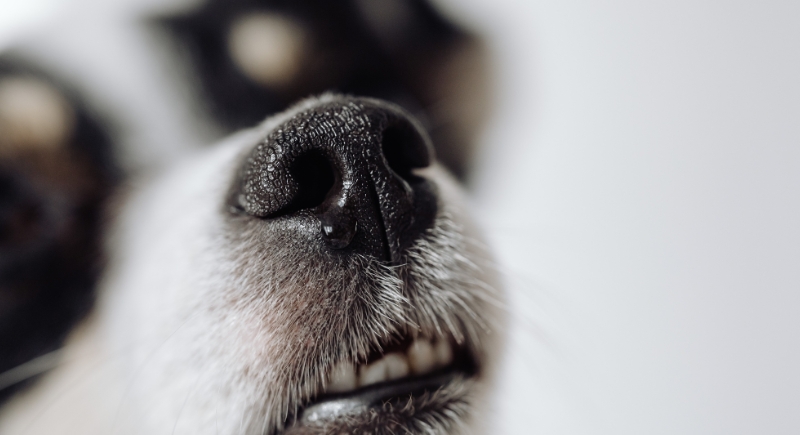
You know your dog’s normal rhythm by heart, so the irregular breaths are impossible to miss. Pauses stretch longer than they should. Mouths open and close between labored inhales. Heavy breathing might mean fever, pain, or fluid in the chest rather than imminent death, so checking with a vet rules out treatable problems. As the shutdown progresses, though, the pattern reflects systems failing one by one.
Weight Drops Fast
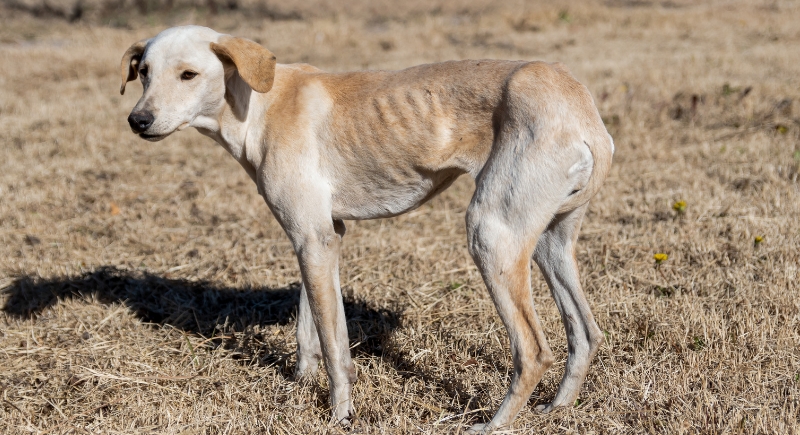
Credit: Getty Images
Cancer cachexia, for example, burns through muscle and fat even when dogs eat reasonably well. Cancer cells devour calories at a blistering pace, according to veterinarian Dr. Damian Dressler. Old age alone can whittle dogs down to skin and bones, but rapid loss could signal kidney failure, liver disease, or spreading malignancies. Depending on the disease, improved nutrition can reduce the decline if the body can still process it.