10 Dog Breeds That Are Most Likely to Mirror Your Mood
Living with a dog means living with an animal that constantly reads human behavior. They have a way of tracking facial emotion and vocal tone to understand people. Certain breeds consistently show stronger emotional attunement in homes and therapy settings. These dogs often change behavior when owners feel stressed or excited, which makes daily companionship feel deeply connected and emotionally responsive.
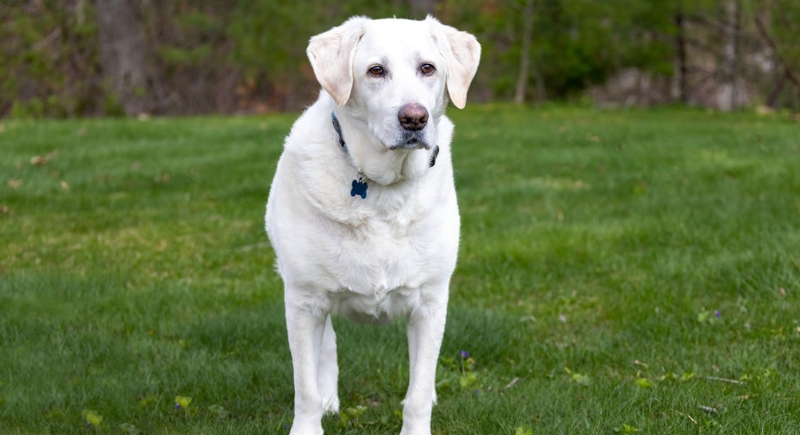
Labrador Retriever
Credit: pexels
Often described as emotionally intuitive, this breed is quick to notice changes in behavior or tone. Labs tend to respond to sadness by staying physically close, resting their head on a lap, or gently nudging for contact. Their strong desire to please makes them highly attentive to emotional cues, which explains why they are so common in emotional support roles.
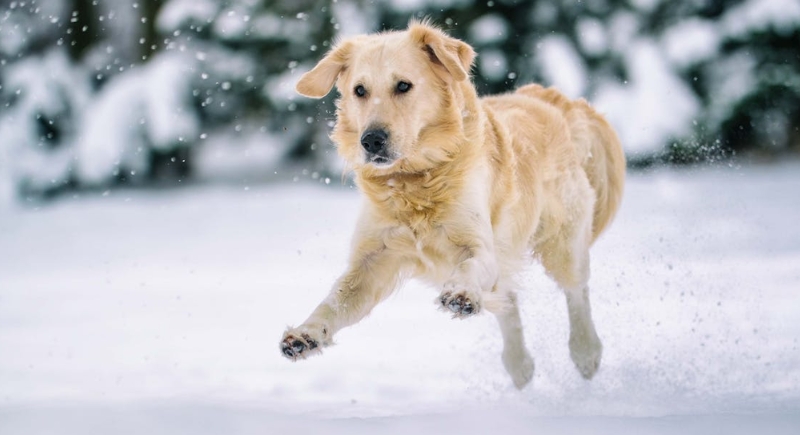
Golden Retriever
Credit: pexels
Life around a Golden Retriever usually feels calmer because this breed reacts quickly to emotional tension. They are sensitive to grief and stress and often respond by offering steady companionship. Their gentle temperament is one reason they are widely used in therapy settings.
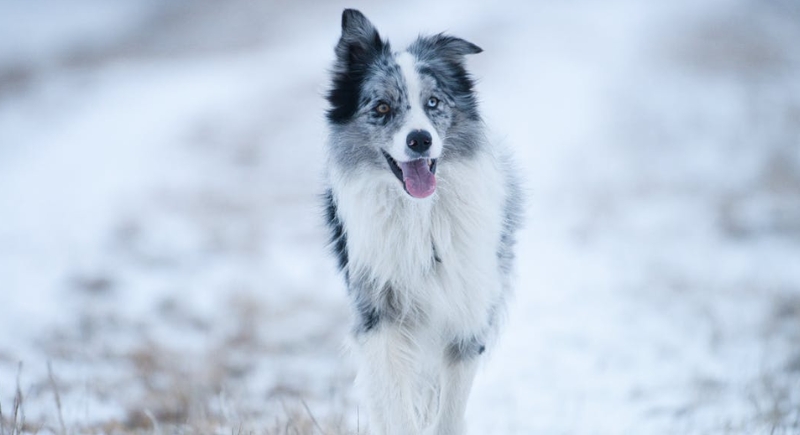
Border Collie
Credit: pexels
Border Collies are skilled at reading posture and movement, so they’re good at adjusting to emotional shifts. This breed is known for its intelligence and constantly observes its environment, including human behavior. Excitement is often accompanied by energy, while stress may make them watchful and focused on their owner.
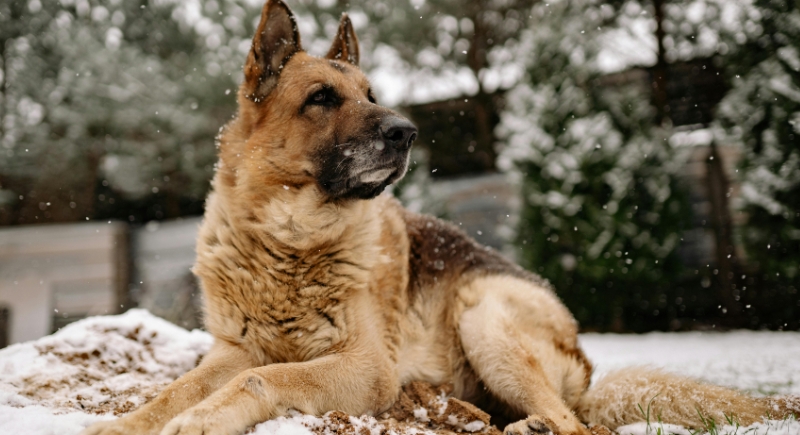
German Shepherd
Credit: pexels
Emotional awareness in this breed comes from a long history of protective work. German Shepherds are particularly good at detecting fear and tension, and they can distinguish emotional distress from real threats. This ability makes them valuable in service and therapy settings beyond their more familiar working roles.
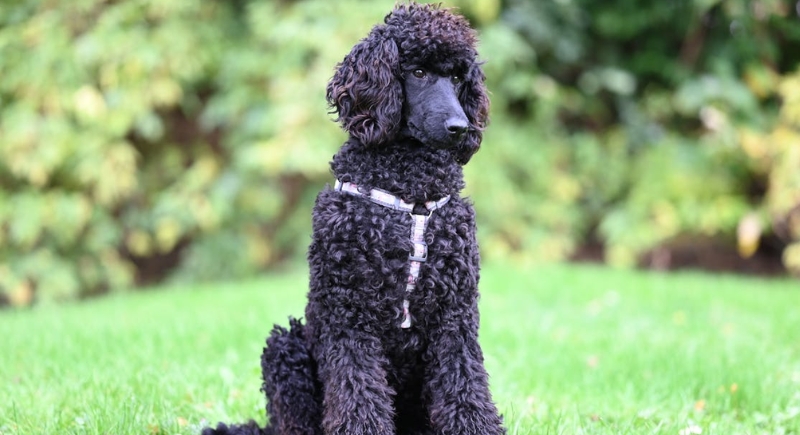
Poodle
Credit: pexels
Behind the Poodle’s refined appearance is a highly observant dog that notices subtle emotional changes. Poodles are known to closely watch their owners, often using prolonged eye contact to assess mood. Their intelligence and trainability allow them to anticipate emotional downturns and respond with calm, steady attention.
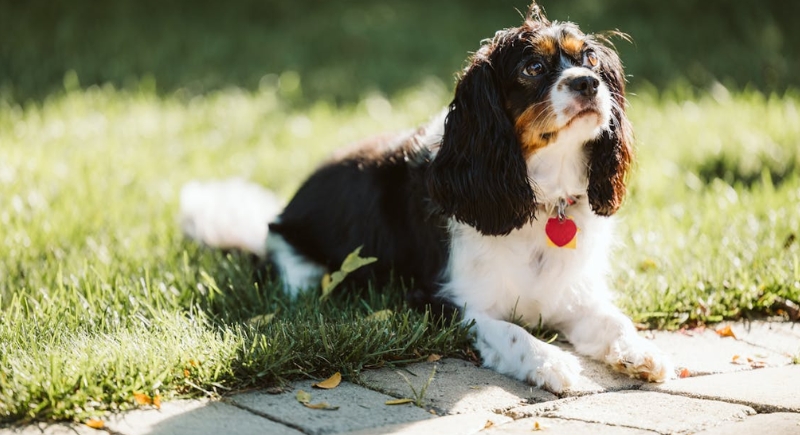
Cavalier King Charles Spaniel
Credit: pexels
This small breed thrives on emotional closeness. Cavaliers are especially sensitive to sadness and often respond by offering physical comfort. Their instinct to stay close makes them well-suited for people who find reassurance in touch and constant presence.
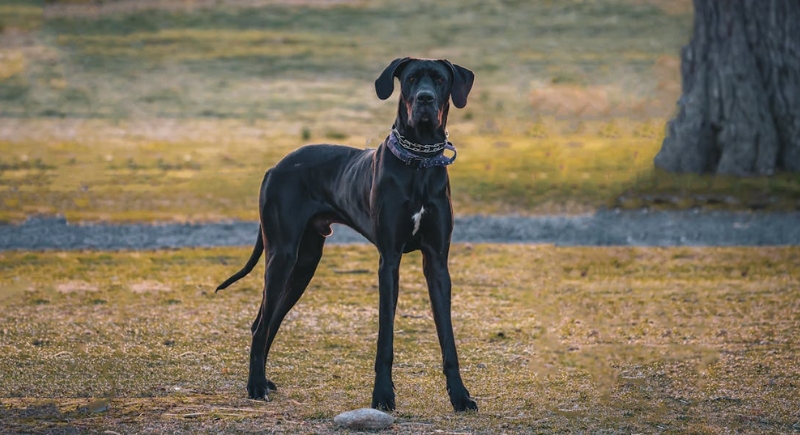
Great Dane
Credit: pexels
Size can be misleading with this breed, as Great Danes are known for calm and steady behavior. They tend to sense stress and respond by staying nearby. Their grounded presence can help regulate emotional environments.
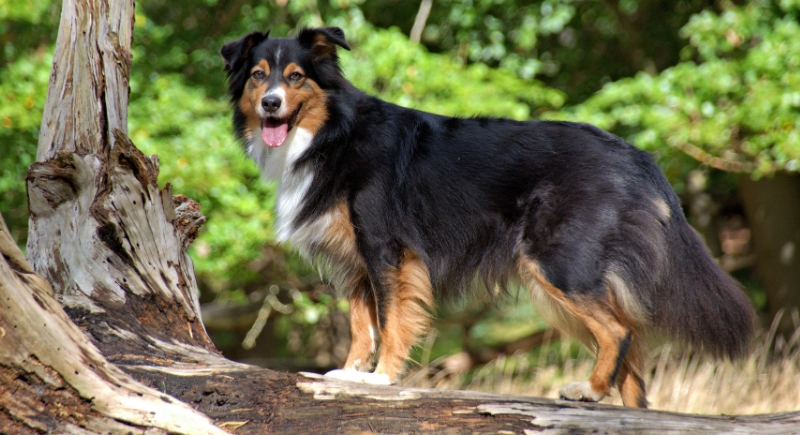
Australian Shepherd
Credit: pexels
Mood changes rarely slip past an Australian Shepherd. This breed remains highly engaged with its owner throughout the day. Stress often leads to increased attentiveness, while excitement sparks play. Their working background encourages constant connection. Active households often appreciate how their responsiveness pairs with exercise needs.
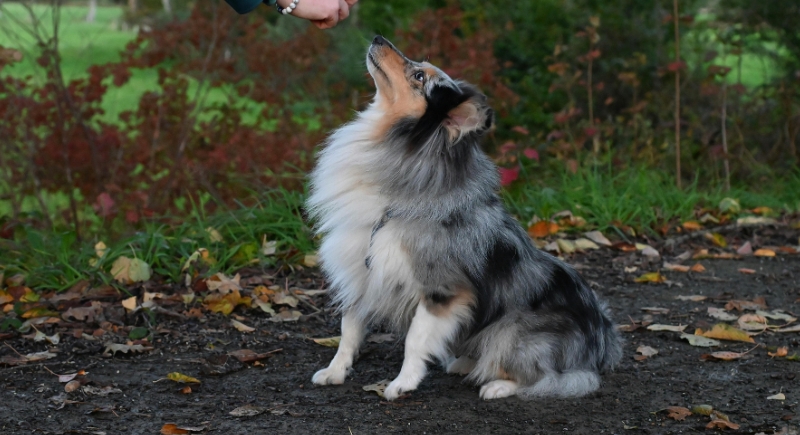
Shetland Sheepdog
Credit: pexels
This breed relies heavily on facial expression and observation. Shetland Sheepdogs often respond to stress by staying close without demanding interaction. Their subtle support style works well for people who prefer calm companionship over high-energy responses.
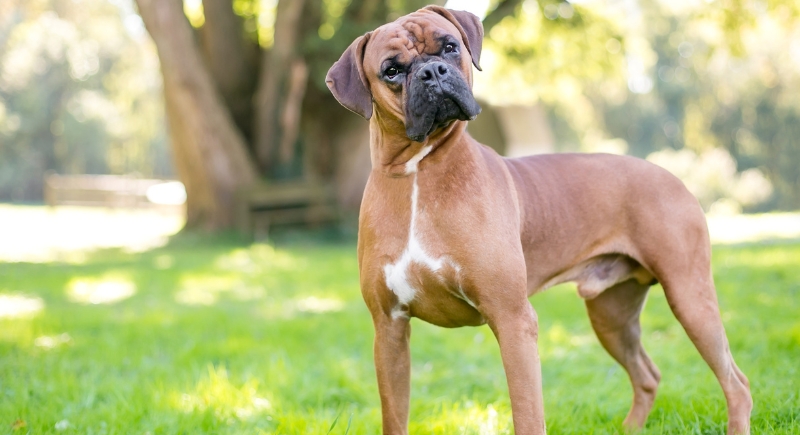
Boxer
Credit: Getty Images
Boxers frequently react to frustration or sadness by attempting to redirect the mood through engagement or physical closeness. Their responses tend to be active and can help disrupt low moods.