10 Dogs That Predict Seizures and How They Do It
Dogs have spent thousands of years adapting to human behavior, so it’s no surprise they sometimes notice changes people miss. One of the most intriguing examples involves a seizure alert. Researchers and pet owners continue to study how certain dogs sense an oncoming episode. The explanations range from scent detection to subtle behavioral cues, and the results are often impressive, even if science is still catching up.
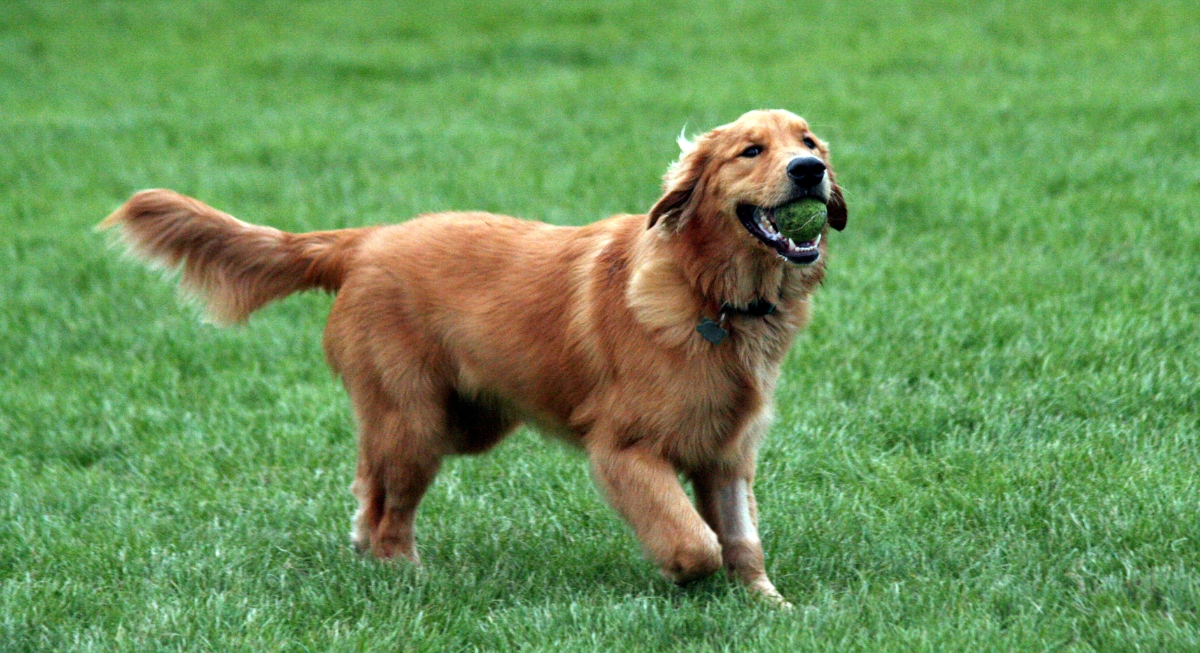
Golden Retriever
Credit: Wikimedia Commons
Stories about golden retrievers often center on their connection with people. One widely shared case involved a retriever named Harley that began alerting its owner well before seizures occurred. The dog’s behavior included hovering and intense focus. Over time, the alerts became consistent enough to give the owner time to prepare.
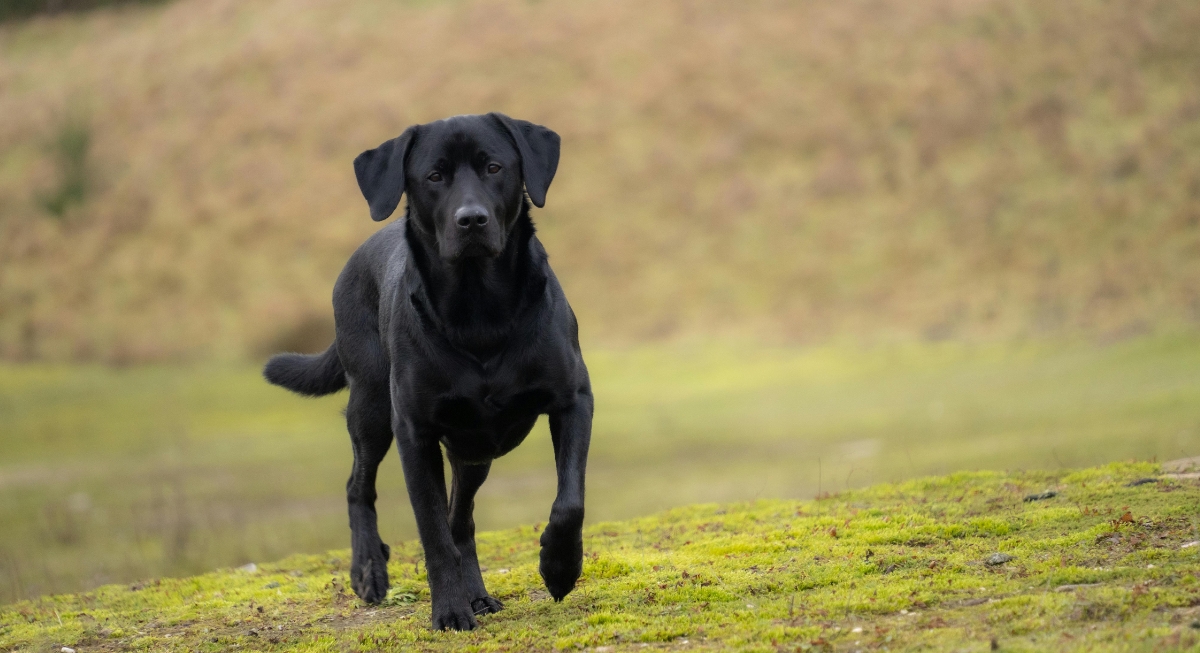
Labrador Retriever
Credit: pexels
Training programs often select Labradors because of their steady temperament and willingness to learn. In real-life settings, their responses can develop gradually. A Labrador might start by showing concern during a seizure, then begin reacting earlier with repeated exposure. Handlers sometimes notice pacing or gentle nudging before an episode.
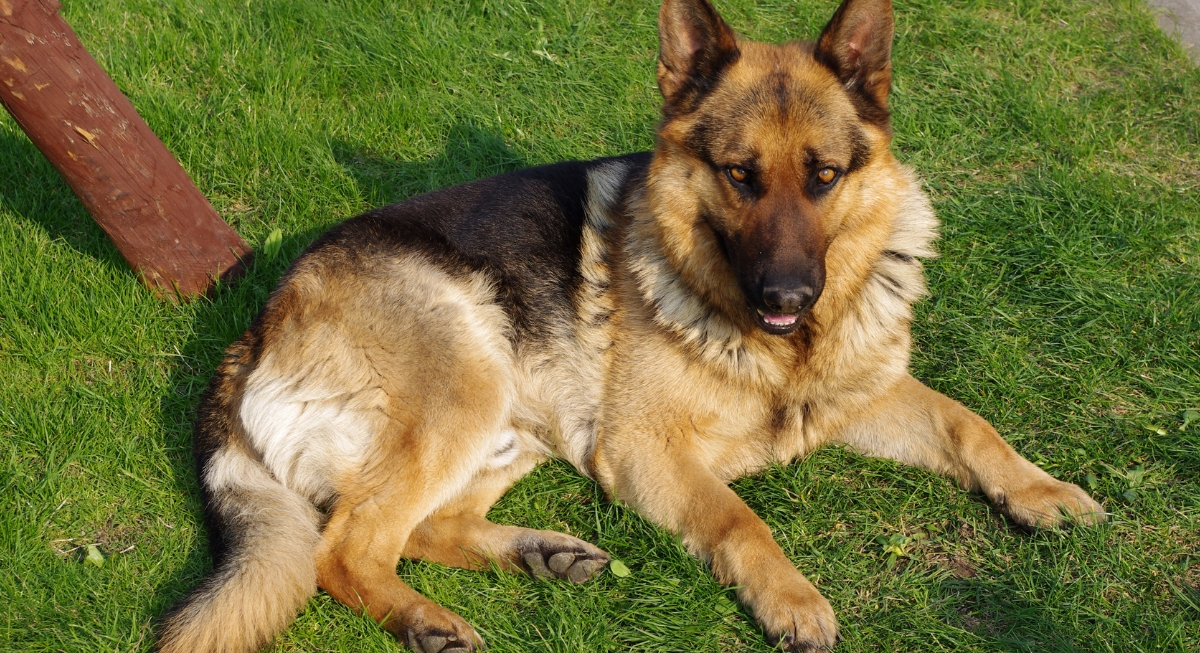
German Shepherd
Credit: Wikimedia Commons
German shepherds bring a background in detection work that fits well with medical alert tasks. Their ability to pick up faint scents has been studied in controlled environments. Research indicates that seizures may release specific compounds through breath or skin. A trained shepherd can identify these cues and respond with clear signals.
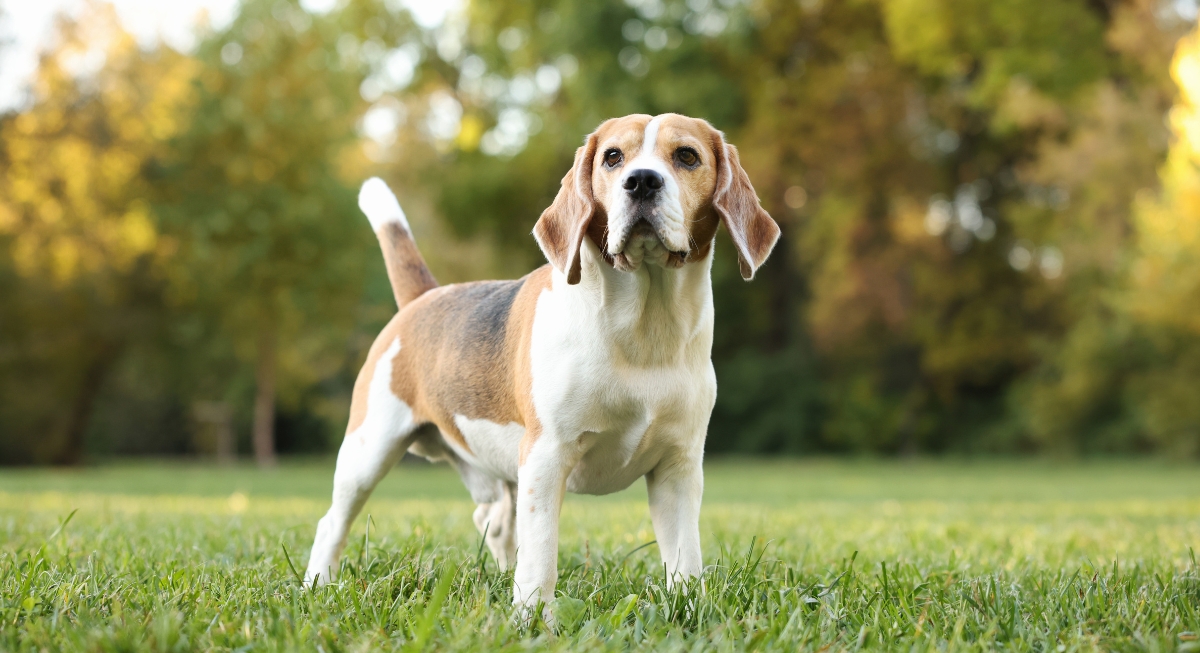
Beagle
Credit: Canva
Beagles have contributed to scientific studies that focus on scent recognition. In one set of experiments, trained dogs were presented with samples collected during seizures. The beagles consistently identified the correct samples at high rates. Their performance supports the idea that seizures produce a detectable odor.
Border Collie
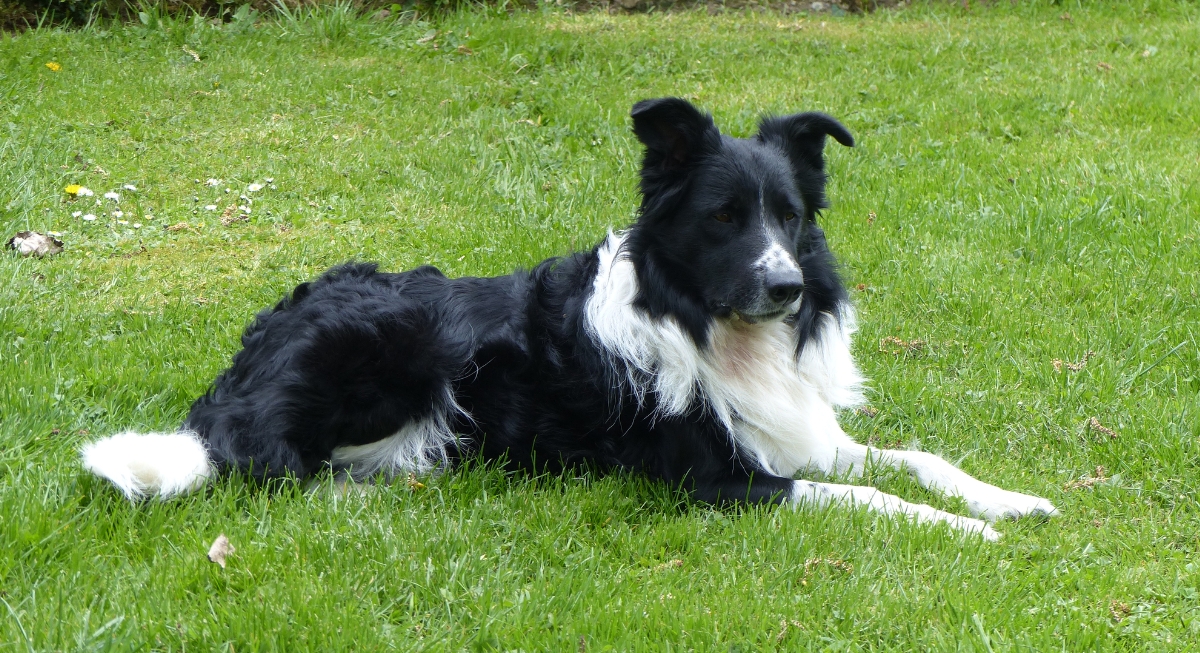
Credit: Wikimedia Commons
These dogs are known for tracking movement and behavior with precision. In households where seizures occur, that attention can turn into a form of early warning. Subtle changes in posture or routine may stand out to the dog. Over time, the collie begins to associate those changes with an event.
Poodle
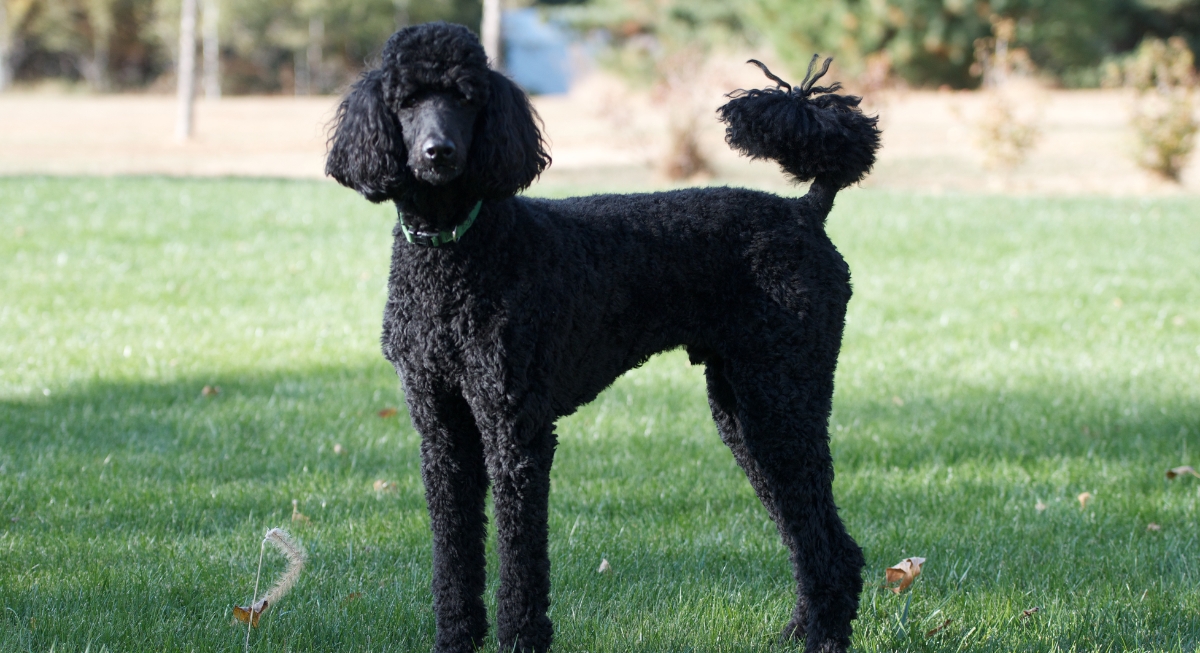
Credit: Wikimedia Commons
Poodles often enter training programs because they excel at structured learning. Trainers work with scent samples and repeated exercises to build recognition. A poodle may learn to associate a specific smell with a reward, reinforcing the behavior. Once that connection is established, the dog can transfer the skill to real-life situations.
Boxer
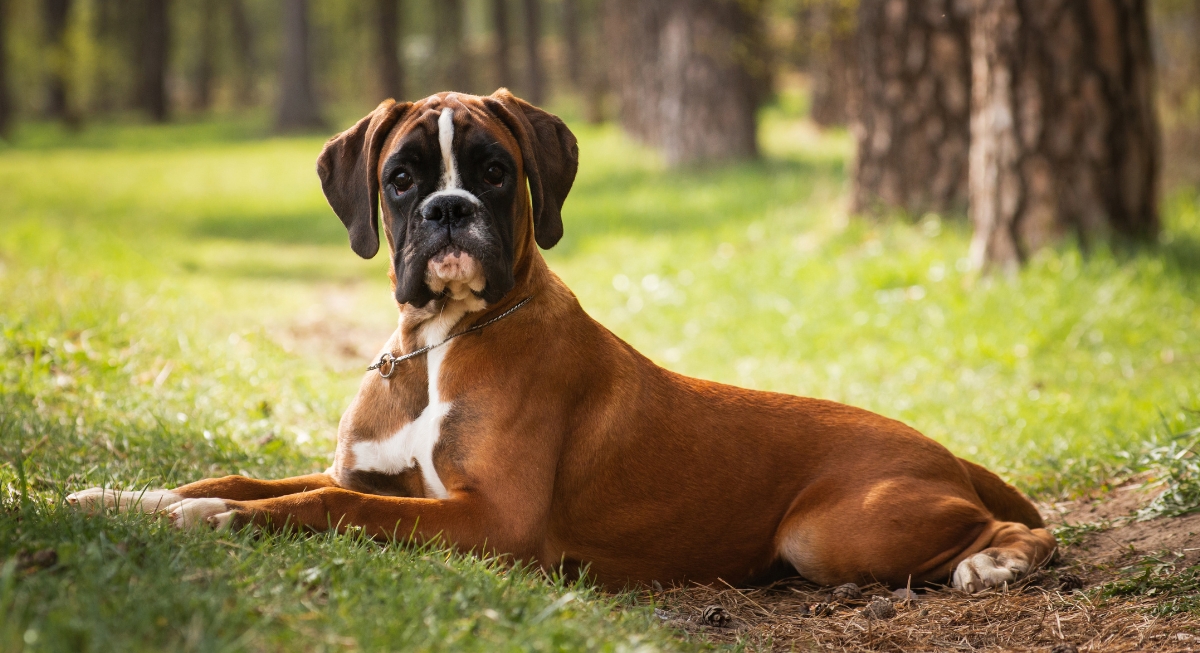
Credit: Getty Images
In family settings, boxers sometimes develop alert behaviors without formal training. Owners have described moments when the dog becomes unusually protective or attentive before a seizure. This response may come from the strong bond they form with people.
Australian Shepherd
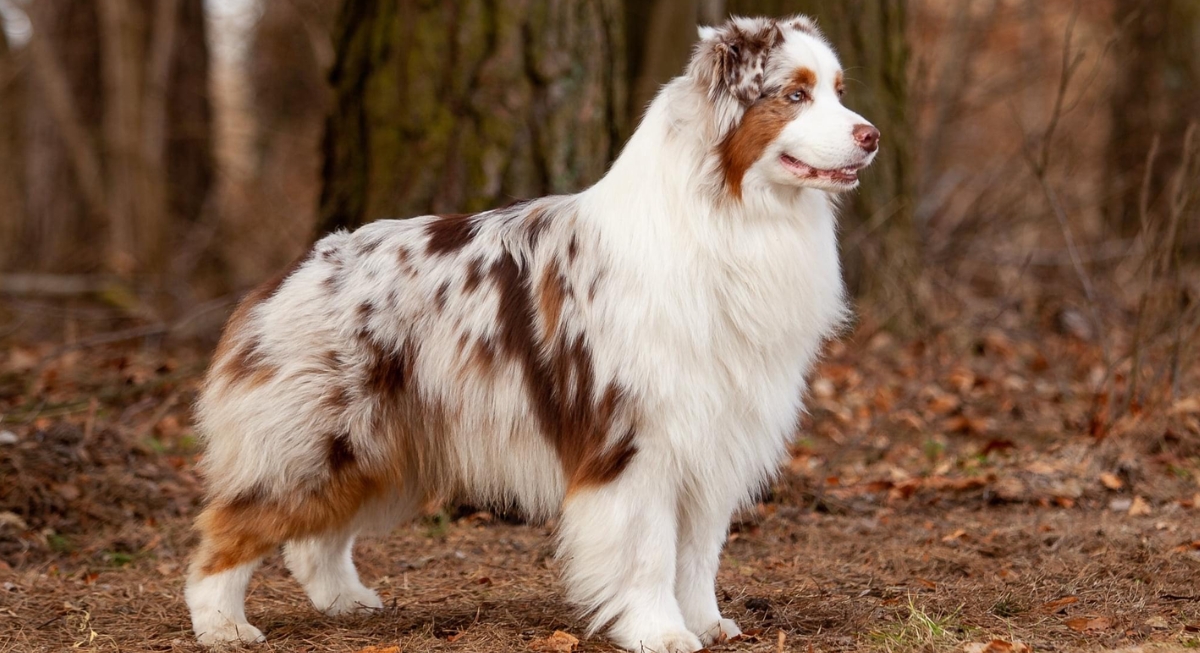
Credit: Wikimedia Commons
Australian Shepherds were bred for herding, which means they’re always paying attention to movement and changes around them. That same instinct can show up at home, where they may start alerting to small shifts in their environment. Some owners notice this behavior developing over time, once the dog becomes more familiar with the household and its routines.
Mixed Breed Dogs
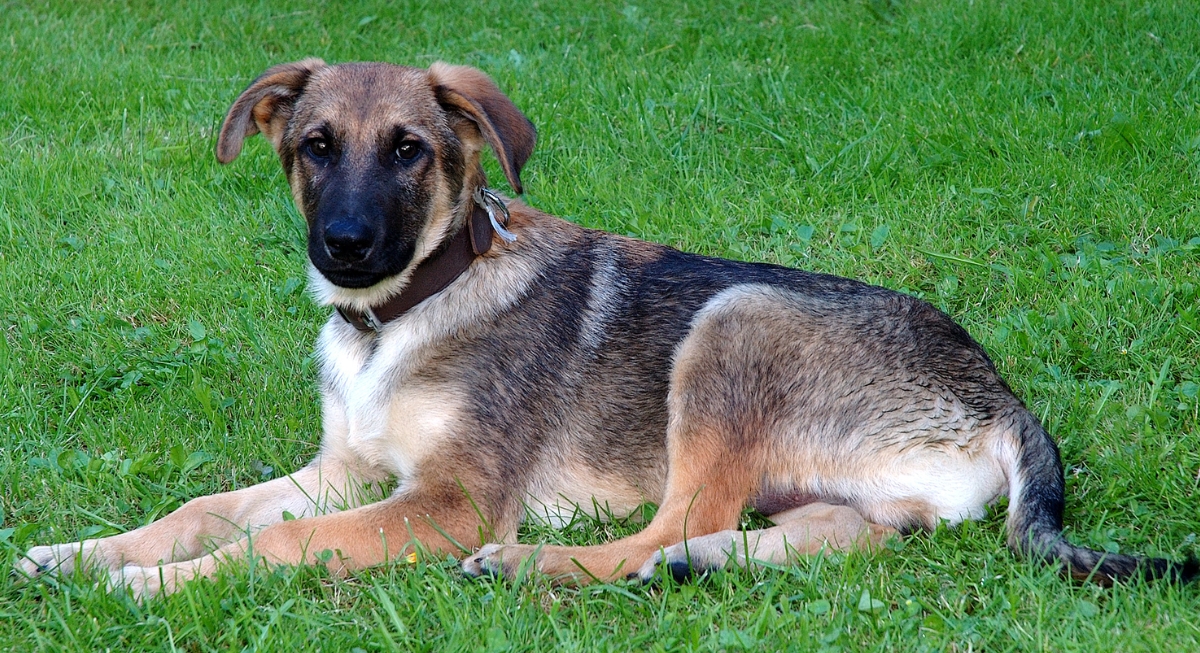
Credit: Wikimedia Commons
Not all seizure alert dogs come from specific breeds or training programs. Mixed-breed dogs have shown the same ability in many reported cases. Their development often happens naturally, without structured lessons. Observations suggest that the bond between dog and owner may be a key factor. Through daily interaction, the dog learns patterns and begins to respond consistently.
English Springer Spaniel
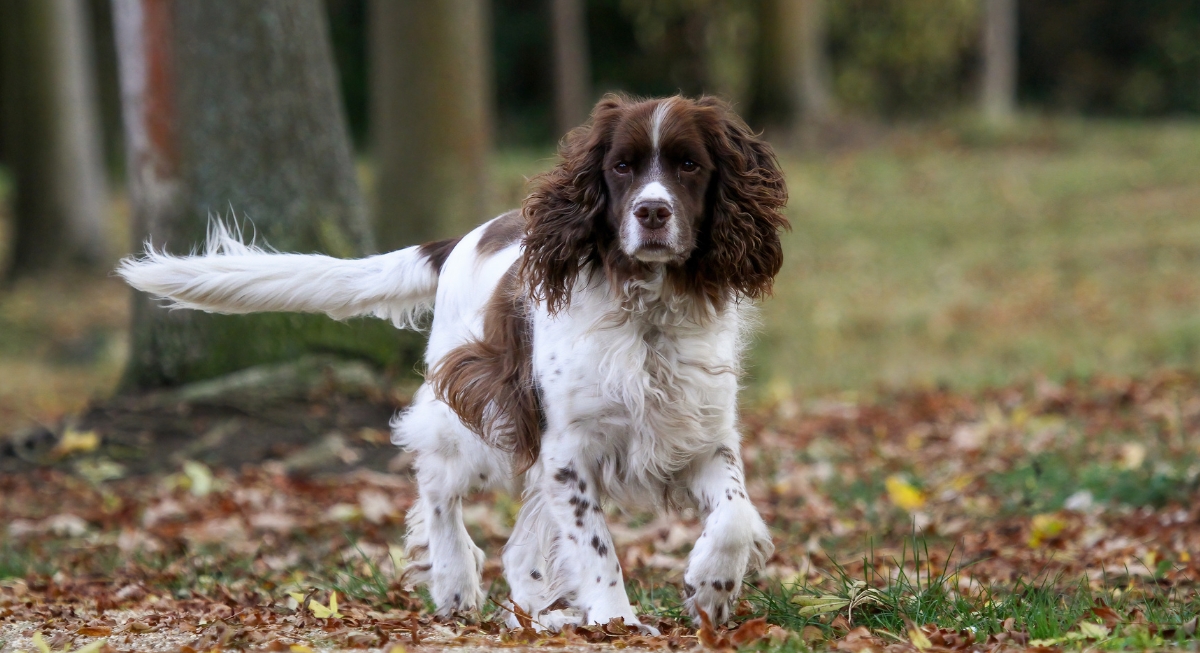
Credit: Getty Images
English springer spaniels have been used in scent detection roles for years, and this has carried over into medical research. In one study, a spaniel was trained to identify a specific bacterial infection with high accuracy. Similar methods have been applied to seizure detection. The breed’s strong sense of smell and eagerness to work make it well-suited for identifying subtle chemical signals.