10 Dog Breeds That Can Sense Your Emotions Better Than People
Dogs have a measurable ability to read human emotion, and research consistently shows that interacting with dogs lowers cortisol levels associated with stress. Certain breeds are especially skilled at emotional attunement because of selective breeding for cooperation and companionship. These dogs often respond to feelings more quickly than people do because they continuously process nonverbal signals.
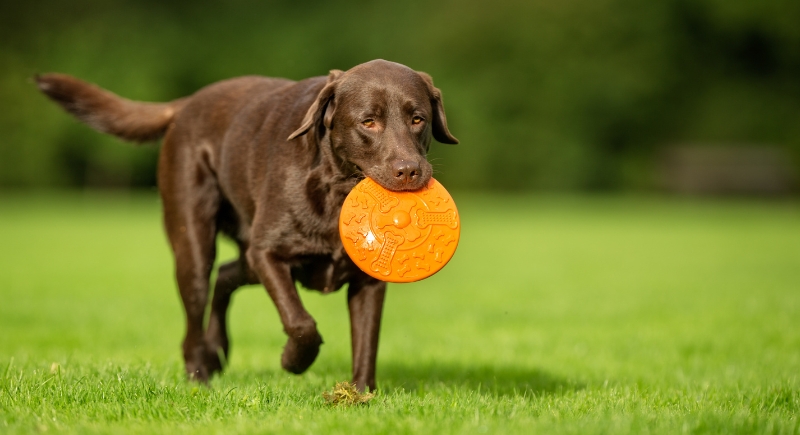
Labrador Retriever
Credit: Getty Images
This breed tracks human emotion with high accuracy through facial movements and vocal tone. Labradors frequently respond to sadness by increasing physical contact, which has been shown to lower human stress hormones by nearly 10% during calm interactions. Their ability to match activity levels allows them to adapt to both high-energy and quiet households. Labs also maintain prolonged eye contact during emotional moments, strengthening bonding responses in humans.
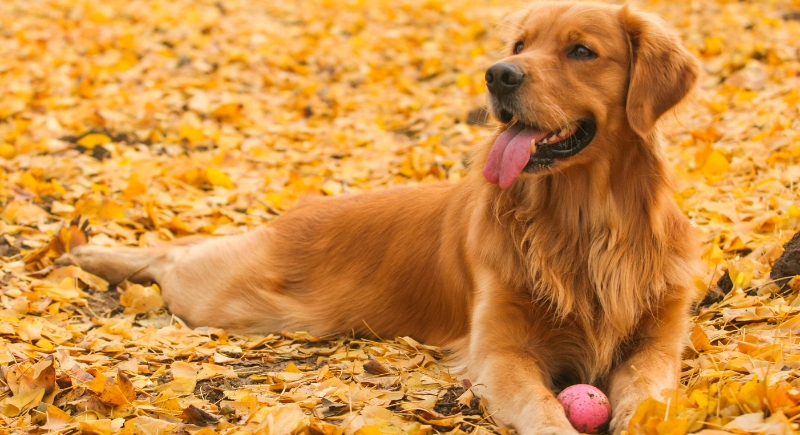
Golden Retriever
Credit: Getty Images
Emotional awareness in golden retrievers manifests through body posture and gentle physical contact; they often respond to distress by sitting or lying close rather than initiating play. Their sensitivity to vocal tone makes them reliable in therapeutic settings where emotional regulation is important. Structured tasks, such as retrieval games, provide a clear way to channel attention toward support behavior.
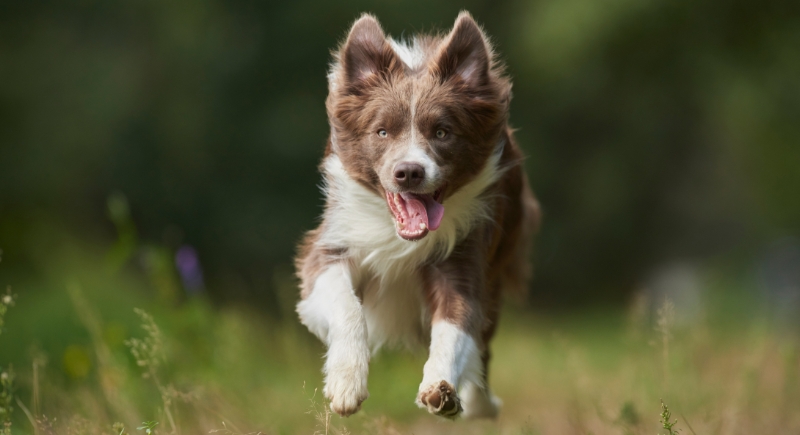
Border Collie
Credit: Getty Images
By processing emotional cues through intense visual focus, border collies read facial tension and posture changes faster than most breeds. Studies on working dogs show they respond to stress cues by staying physically alert and close. Mental engagement strengthens emotional responsiveness. This explains why they can become anxious in the presence of human tension when understimulated.
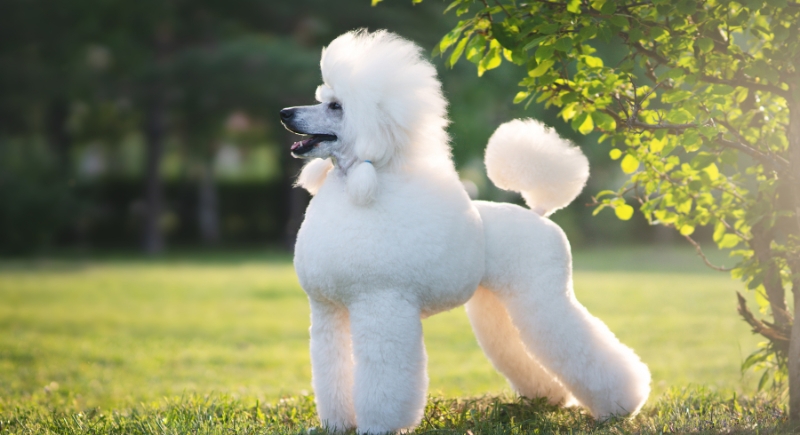
Poodle
Credit: Getty Images
High intelligence plays a direct role in poodles’ emotional perception. They detect stress through changes in breathing rhythm and movement speed. Poodles often alternate between calm proximity and playful distraction based on emotional context. Their responsiveness improves when communication includes choice-based games that reinforce two-way interaction.
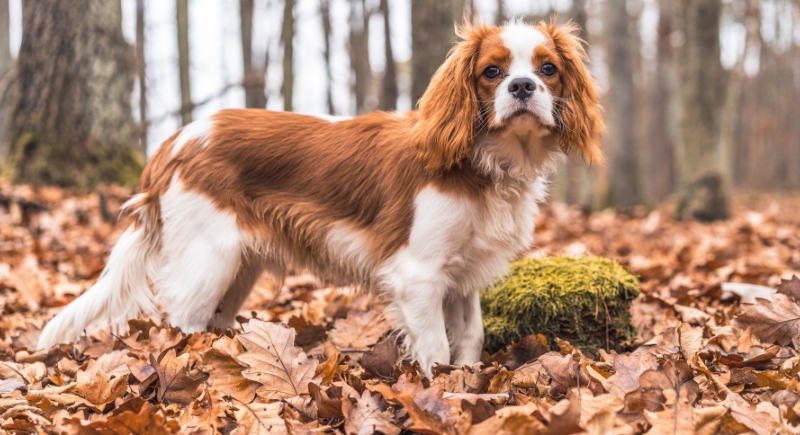
Cavalier King Charles Spaniel
Credit: Getty Images
This breed specializes in emotional support through proximity. Cavaliers respond strongly to facial expressions and shifts in eye contact. Their tendency to stay close without demanding attention makes them effective emotional companions in low-energy homes. Consistent routines increase their sensitivity to emotional changes throughout the day.
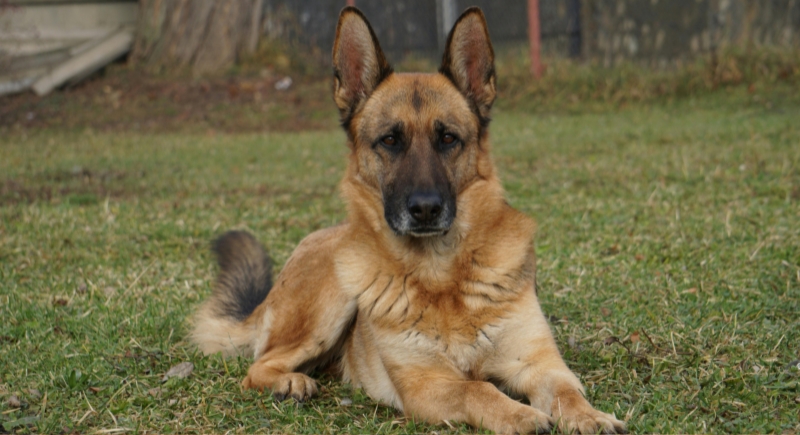
German Shepherd
Credit: pexels
Emotional awareness in German shepherds connects to environmental scanning and protective instincts. They detect tension through shifts in posture and pacing. Structured work reduces over-guarding while maintaining emotional attunement, and calm leadership strengthens trust, which directly affects how accurately they respond to stress signals.
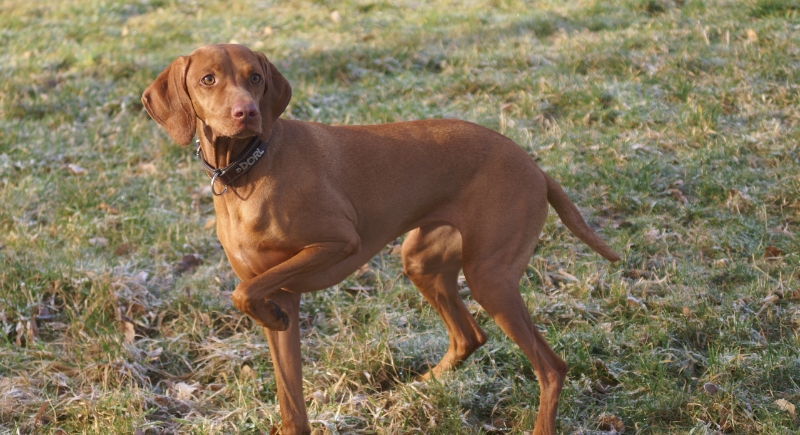
Vizsla
Credit: Wikimedia Commons
With one of the highest attachment levels among sporting dogs, vizslas seek constant physical closeness, which increases emotional feedback loops between dog and human. They respond quickly to mood changes by adjusting position or movement.
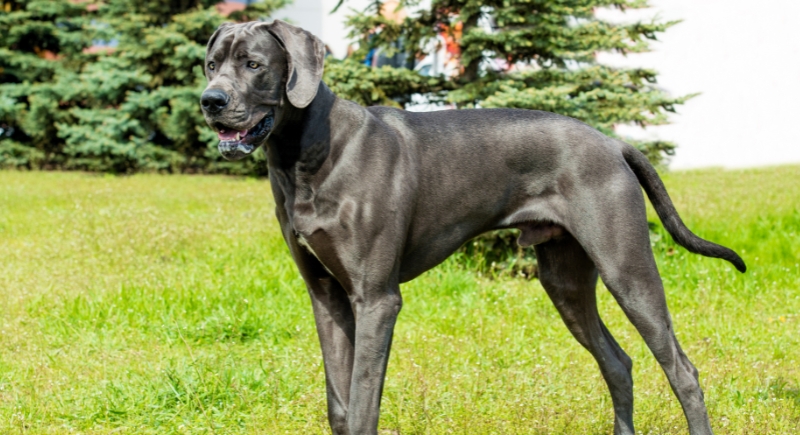
Great Dane
Credit: Getty Images
Despite their large size, Great Danes express emotional sensitivity through slow movement and grounding contact. They detect anxiety through muscle tension and changes in breathing cadence. Their presence often encourages slower human movement, which supports emotional regulation.
Maltese

Credit: Canva
Small size does not limit emotional perception in this breed. Maltese dogs respond to facial tension and vocal softness with immediate physical affection. Their soft tactile contact supports relaxation responses in humans.
Australian Shepherd
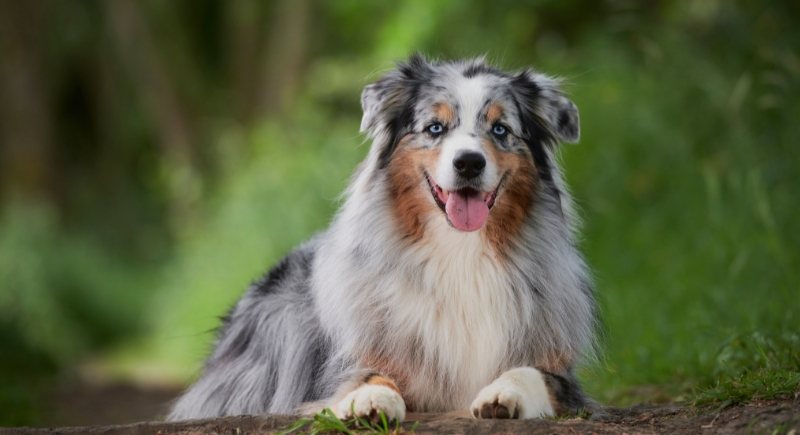
Credit: Getty Images
This breed closely monitors routine and emotional consistency. Aussies detect emotional shifts through changes in tone and pacing. Praise and correction both register strongly, which shapes their emotional responses. Inclusion in daily activities increases attentiveness and emotional accuracy.