9 Shelter Myths That Keep Good Dogs from Finding Homes
Some shelter dogs get passed over before anyone takes the time to know them. What holds them back is often a set of assumptions that sound convincing but don’t really reflect how these dogs behave or adapt. These ideas influence how people approach adoption and which dogs they choose to ignore.
Those assumptions create a gap between good dogs and the homes where they could do well. Many miss out on adoption because of perception, not behavior. Looking more closely at a few common myths can help clear things up and give these dogs a fair chance.
Shelter Dogs Have Behavioral Problems
Credit: Getty Images
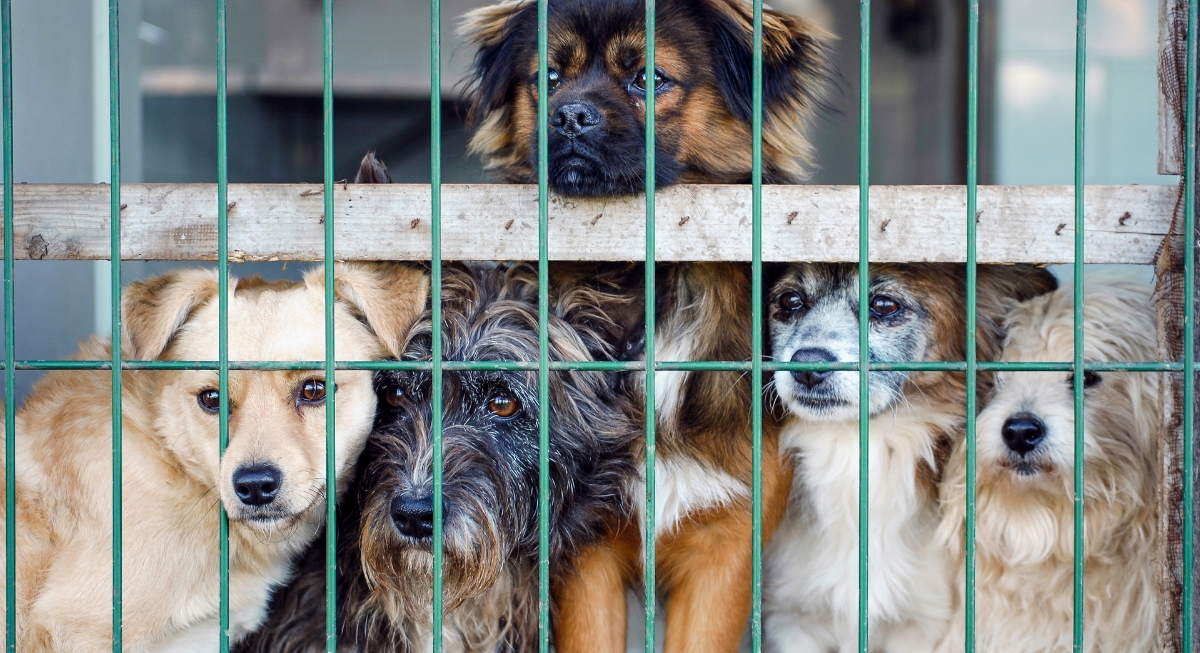
A lot of dogs act differently in a shelter than they would at home. Loud barking, pacing, or accidents inside the kennel can give the wrong impression. In reality, that behavior often comes from stress, noise, and a lack of familiarity. Shelters are busy, unpredictable places. Many dogs are adjusting to losing their home and routine. Once they settle into a stable environment, those behaviors often fade.
Rescue Dogs Are Untrainable
Credit: Getty Images
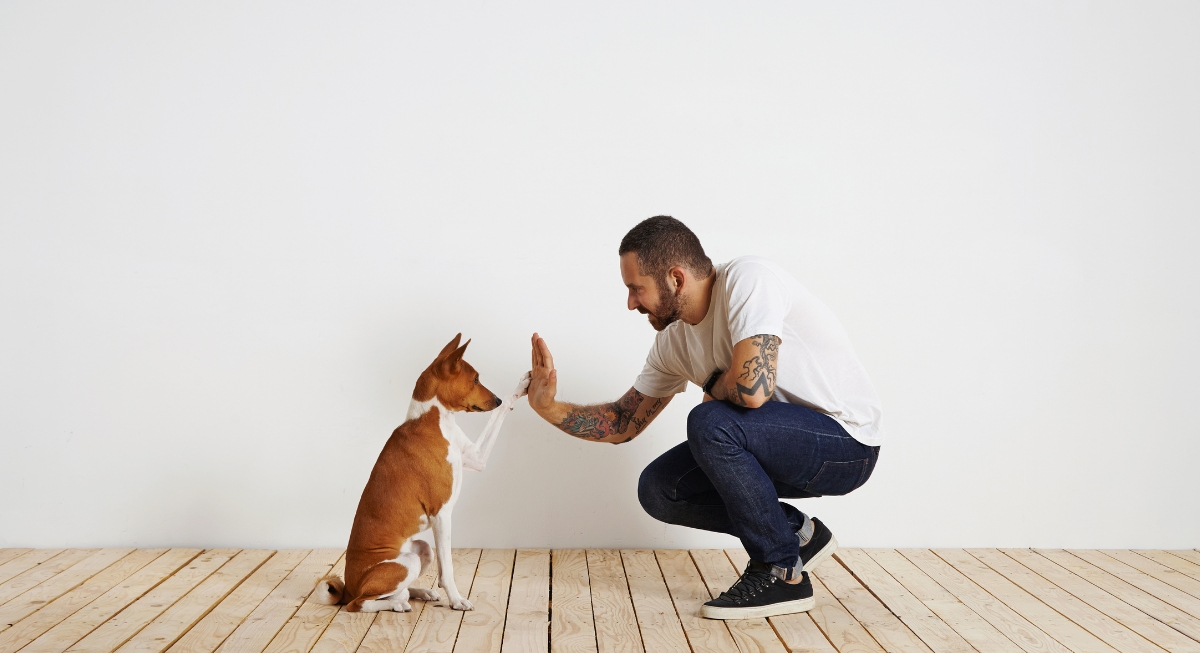
Adult dogs can learn new commands, routines, and expectations just as effectively. Many shelter dogs have lived in homes before and already understand basic cues. Even those who don’t tend to pick things up quickly once they have structure and consistency. With regular reinforcement and a clear routine, most dogs are eager to learn because it gives them direction and interaction.
Shelter Dogs Are Always Scared or Shy
Credit: Canva
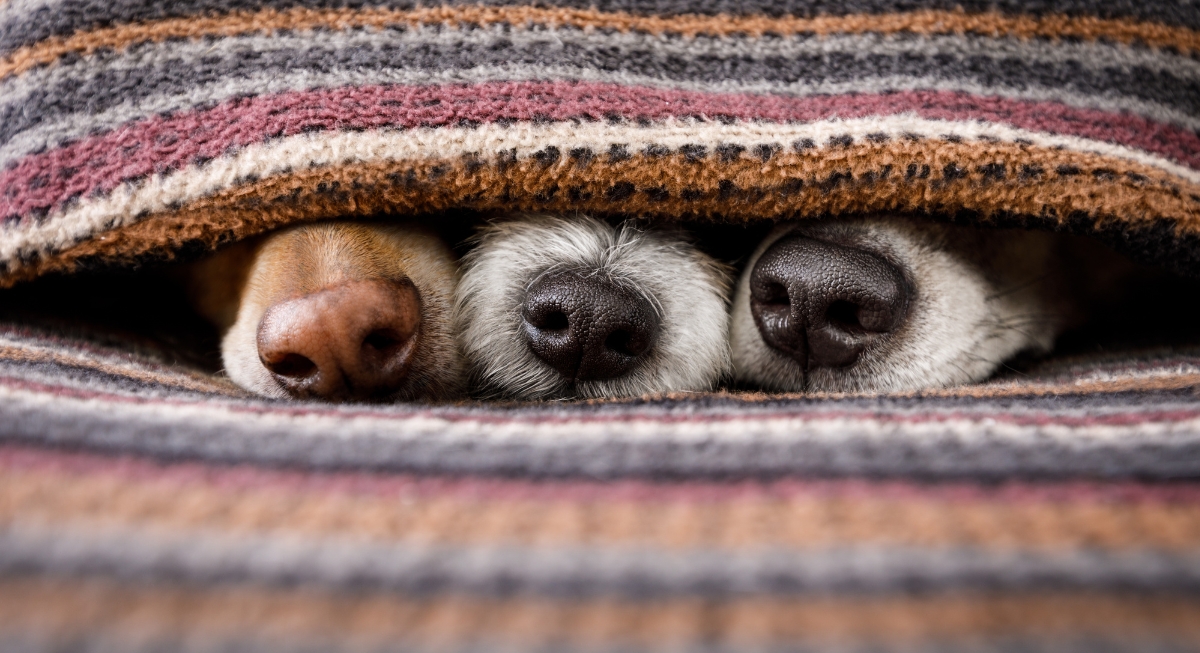
Shelters see a full range of personalities. Some dogs may seem withdrawn in a kennel, while others may seem energetic and outgoing. The environment can affect how they behave, and stress can make even confident dogs act differently at first. What you see in that moment isn’t always the full picture. A dog that hangs back during an initial meeting can turn out to be playful and social once it settles in.
You Can’t Know Their History
Credit: Getty Images
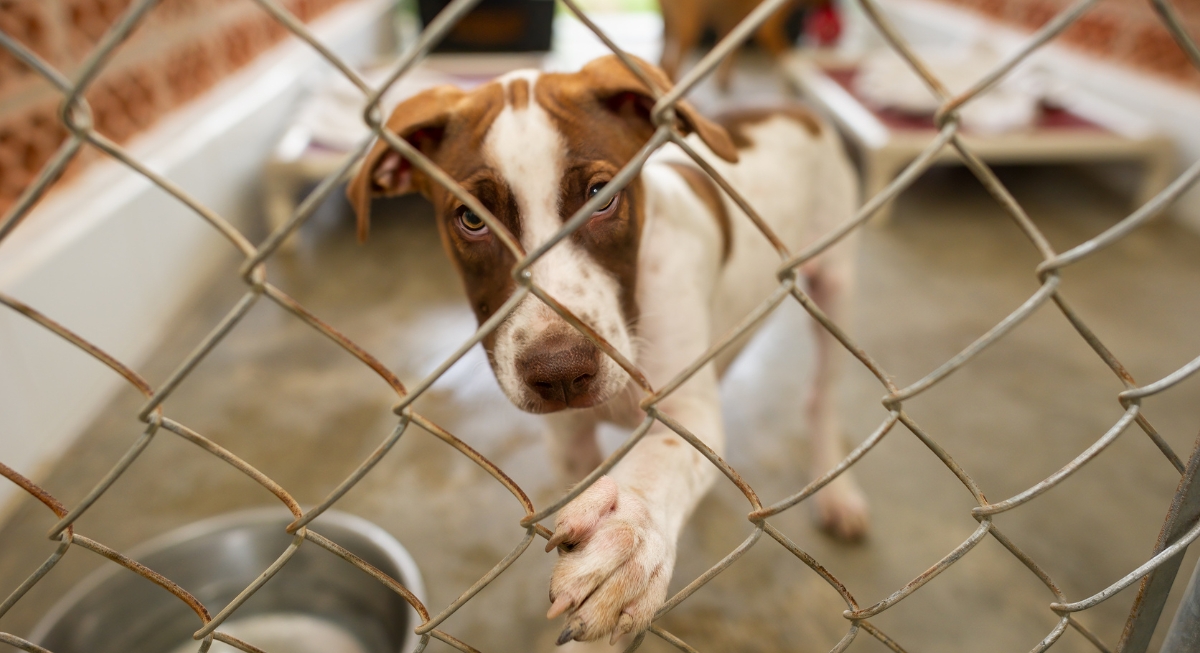
Not every dog arrives with a detailed background, but shelters still provide useful information. Staff and volunteers observe behavior daily and can explain how a dog responds to people, other animals, and new situations. Some dogs were surrendered due to relocation, financial strain, or changes in a household. The absence of a full history doesn’t mean uncertainty. In many cases, the current behavior matters more than past details.
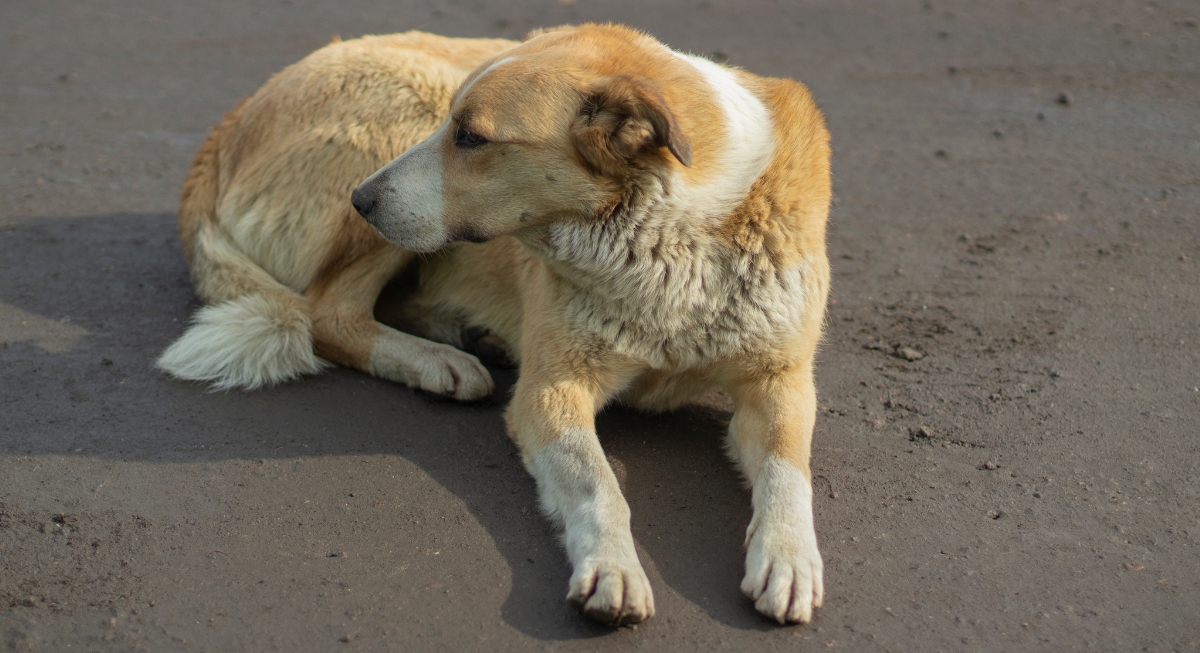
Shelter Dogs Are Unhealthy
Credit: Getty Images
Health concerns are taken seriously in most shelters. Dogs are typically examined, vaccinated, and treated before being made available for adoption. As part of the process, many are also spayed or neutered and microchipped. If a dog has a medical condition, shelters usually disclose it and may already have a treatment plan in place. Dogs that arrive with issues are not sent to a home without care or attention.
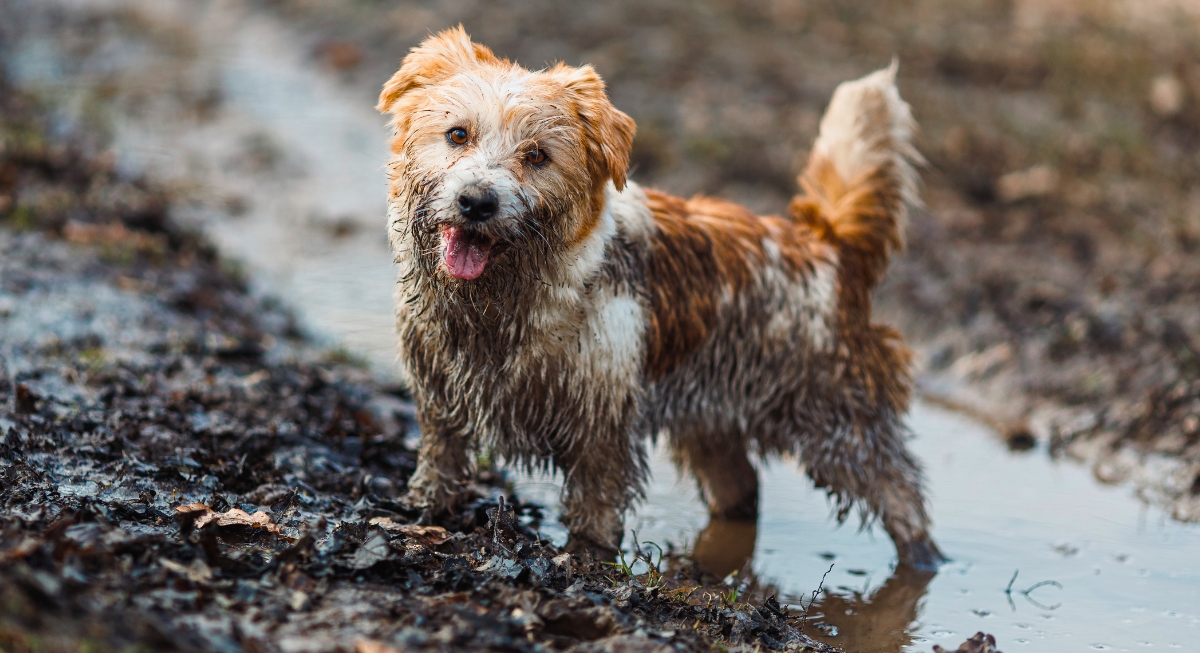
Shelter Dogs Are Dirty or Poorly Cared For
Credit: Getty Images
Shelters clean, groom, and monitor animals regularly. New arrivals are often quarantined until they are cleared medically, then bathed and prepared for adoption areas. Parasites like fleas and ticks are treated as part of standard care. Volunteers and staff work to keep dogs presentable and comfortable. A dog might arrive in rough shape, but that doesn’t reflect how it is cared for afterward.
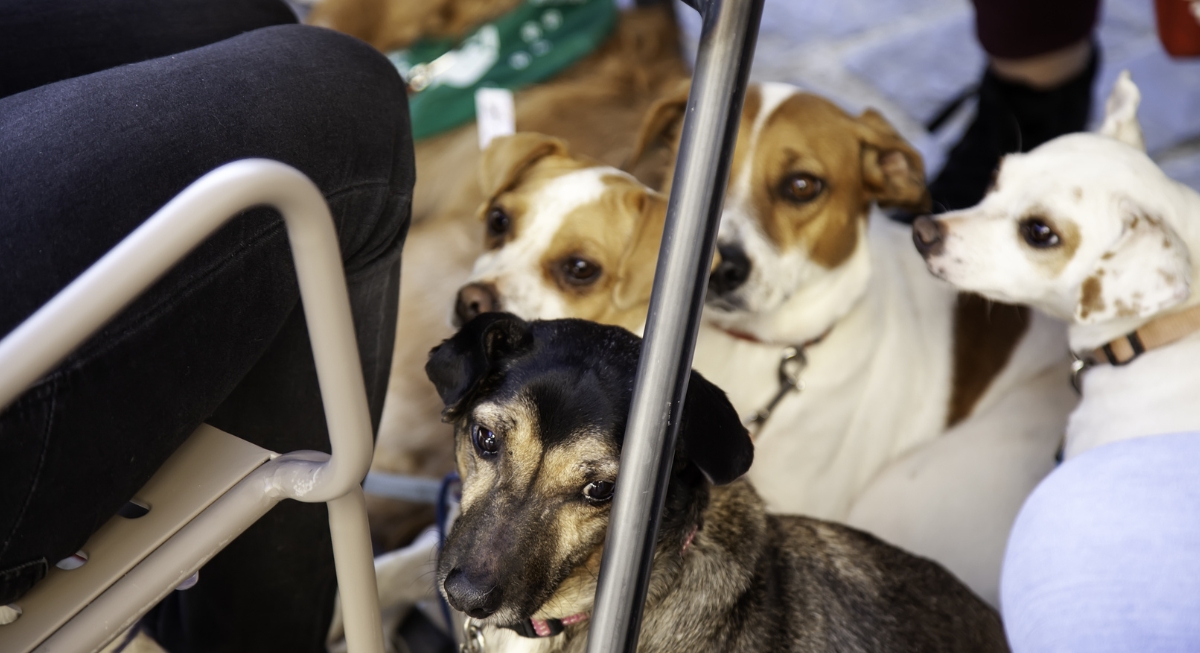
Older Shelter Dogs Won’t Fit Into a Home
Credit: Getty Images
Age doesn’t determine how well a dog adjusts. In fact, some older dogs often come with advantages. They may already understand routines, have lower energy levels, and settle into homes without much disruption. Some still have plenty of energy, depending on their personality. Shelters regularly match dogs based on behavior rather than age alone. A younger dog isn’t automatically a better fit. In many cases, an older dog adapts faster and requires less initial training.
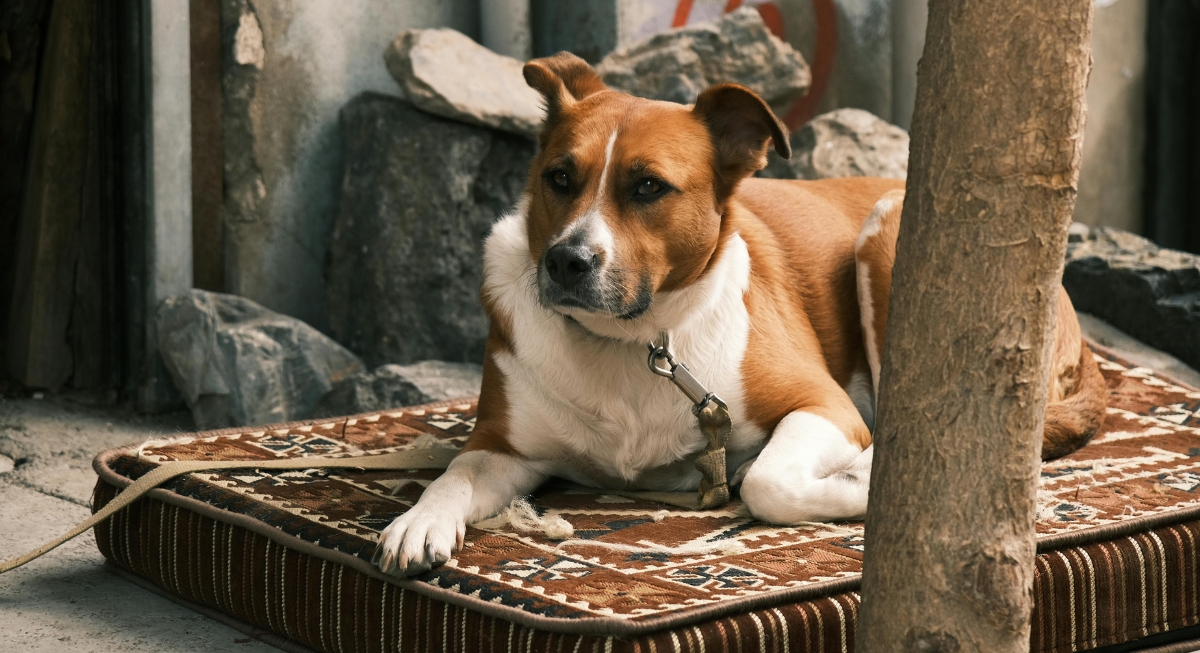
Only Mixed Breeds Are in Shelters
Credit: pexels
Mixed breeds are common, but they’re not the only option. Purebred dogs end up in shelters for many reasons. The available dogs change constantly, so it’s possible to find a specific breed with patience. Many people start with a fixed idea and leave with a different dog that suits them better.
Shelter Dogs Won’t Bond With New Owners
Credit: Getty Images
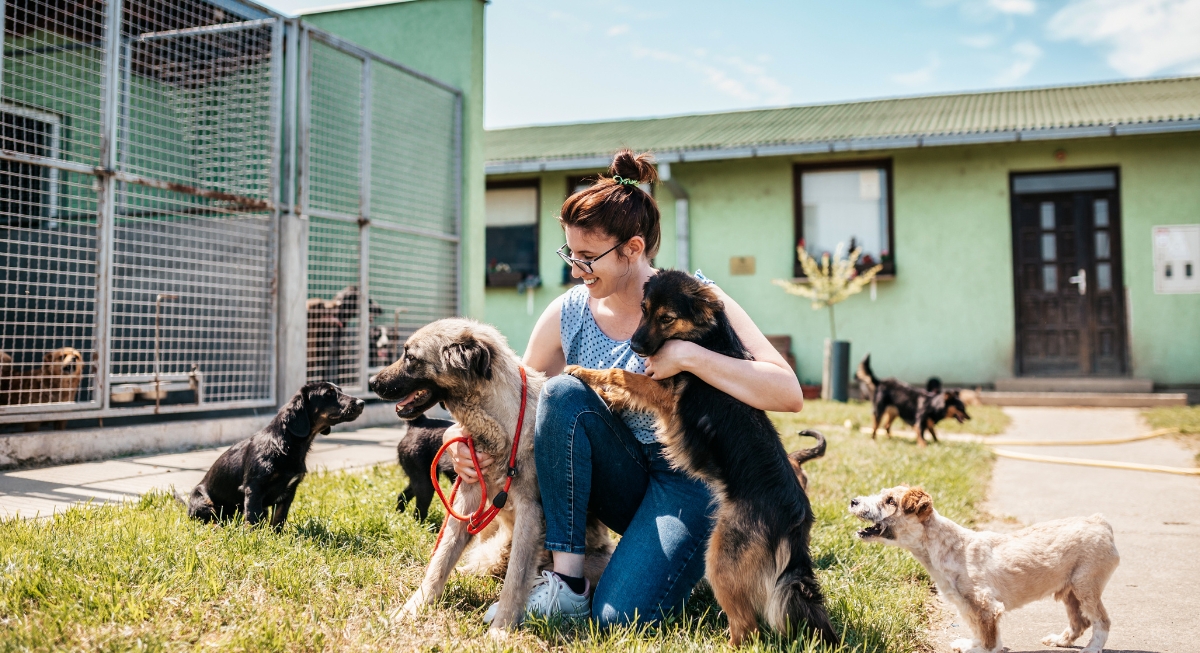
Dogs don’t hold back affection. Many form attachments quickly once they feel safe. Even dogs that take a little longer to warm up tend to build strong connections over time. Shelters see this regularly when dogs interact with new people. Some respond right away. Others take a few visits. Either way, past circumstances don’t prevent a dog from forming a bond.