8 Ways Dogs Show Submission to Their Owners
Dogs communicate with their bodies long before they bark or growl. Submissive signals are part of that body language and usually mean the dog is trying to keep things calm and avoid conflict. Depending on the situation, these gestures can reflect trust, respect, nervousness, or even playfulness.
The key is to look at the whole dog, not just one movement. When you pay attention to posture, ears, tail, and facial expression together, the message becomes much easier to understand. Here are the signs to watch for.
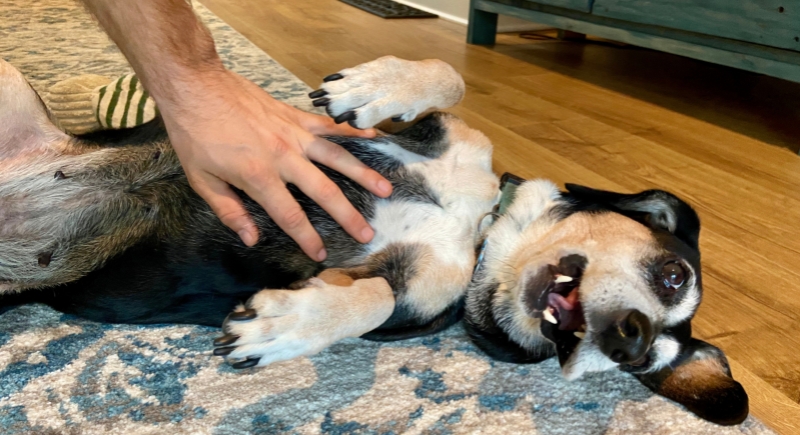
Exposing The Belly
Credit: Getty Images
An upside-down sprawl is not always an invitation for a belly rub. Rolling over and exposing the abdomen often signals appeasement and vulnerability. In canine social language, the belly is a soft target, so showing it communicates deference. If the body looks tense or a growl slips out, the dog is requesting space.
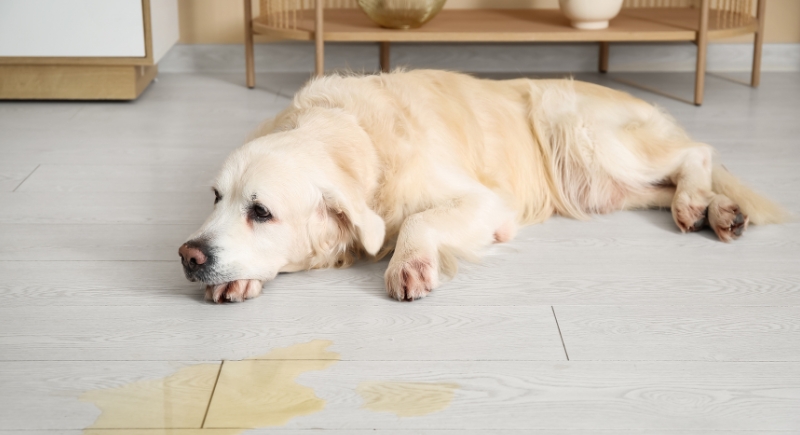
Submissive Urination
Credit: pixelshot
A tiny puddle at your feet can be social communication, not a house-training failure. Submissive or excitement urination usually happens when someone approaches or stands over the dog. Puppies do this often, and many outgrow it as they grow in confidence. Scolding increases insecurity, which makes the behavior more likely next time.
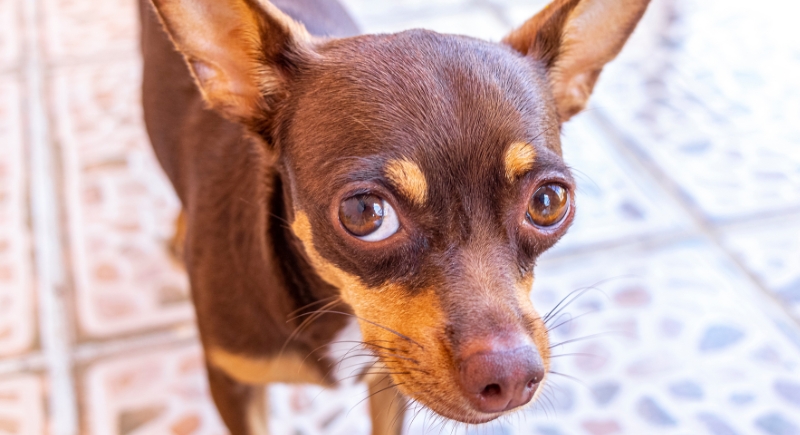
Averted Gaze
Credit: Canva
When a dog turns its head away or avoids eye contact, it is usually trying to ease tension. In canine body language, a direct, unbroken stare can feel like a challenge. Looking away sends the opposite message. It signals that the dog does not want conflict and is choosing calm over confrontation.
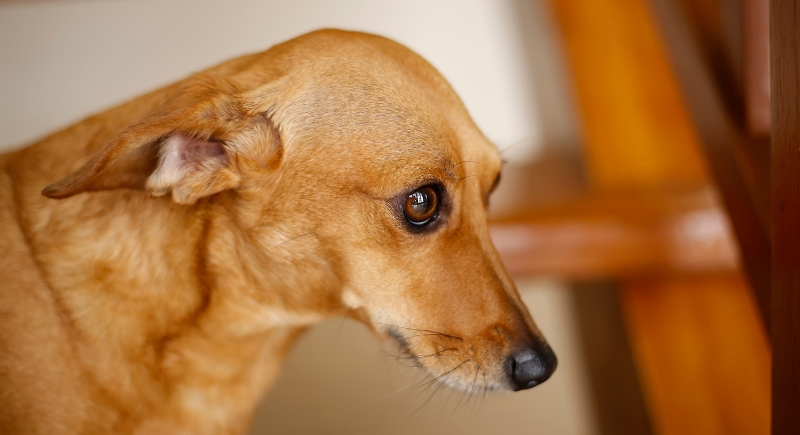
Flattened Ears
Credit: Getty Images
Most dogs hold their ears neutrally when relaxed, so pinning them back sends a message. Flattened ears often accompany submission or uncertainty. Pair that with soft eyes and lowered posture, and you are likely seeing deference rather than defiance.
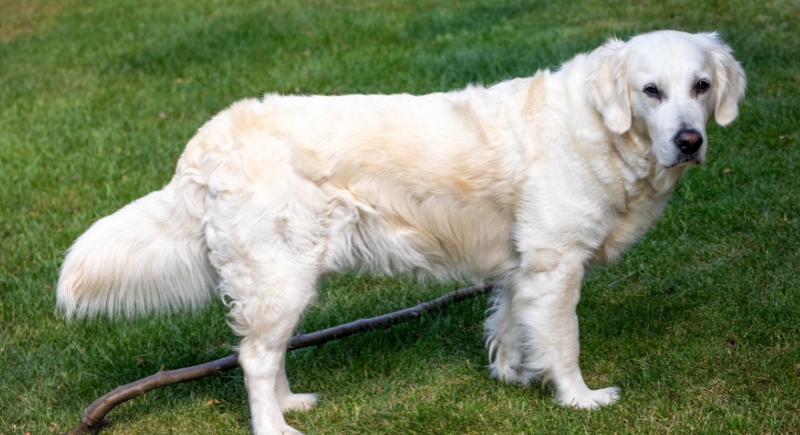
Lowered Tail
Credit: Getty Images
When a dog carries its tail low or slightly tucked under its body, it often signals submission or uncertainty. Many people assume any wagging tail means happiness, but position matters. A low, hesitant wag can reflect insecurity rather than excitement.
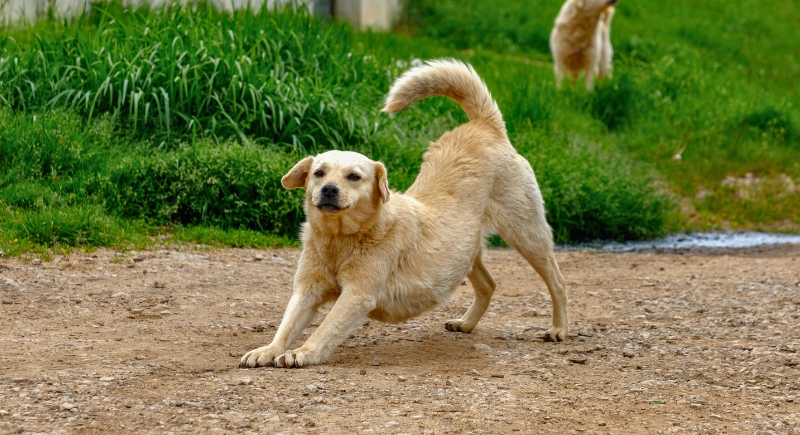
Lowered Body Posture
Credit: edvalphotos
Some pups shrink themselves during greetings as if trying to disappear. Lowering the body makes them look smaller and less threatening. This posture can appear in fearful situations, but it also shows up during friendly play. Adult dogs sometimes crouch around puppies to appear less intimidating.
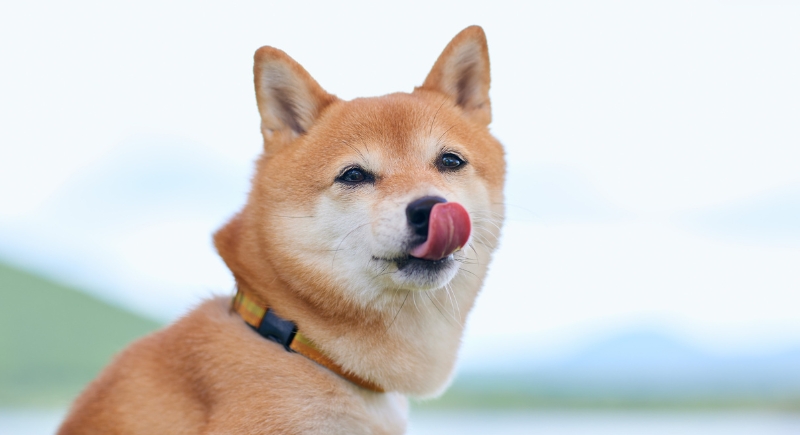
Lip Licking
Credit: Aflo Images
Lip licking often appears when a dog feels nervous or uncertain. It works as a calming signal that helps ease social pressure and shows the dog does not want conflict. On its own, it can be subtle. When you notice it alongside a lowered posture, a tucked tail, or an averted gaze, it means the dog is trying to keep the situation peaceful.
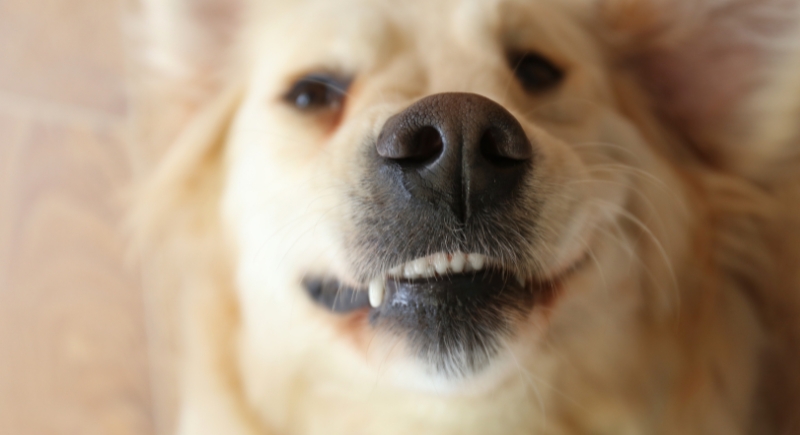
Submissive Grin
Credit: pixelshot
Showing teeth does not always mean trouble. A submissive grin features exposed teeth, a loose body, and a soft expression. The posture lacks the stiffness seen in snarling. This quirky smile often signals friendliness and approachability.