10 Sounds That Stress Dogs Out
Daily home life sounds normal to humans, but dogs experience many of those same sounds at higher intensity because they hear higher frequencies and detect subtle pitch changes. Research observing hundreds of owners shows people often miss early fear signals since dogs rely heavily on body language. Recognizing sound triggers helps prevent anxiety from building over time.
Thunderstorms

Credit: pexels
Dogs process both sound and physical vibration together, which makes storms feel closer than they are. Storm noise spans wide frequency ranges, and thunder creates vibrations that travel through floors and walls. Thunderstorms also last for hours, so they stay alert much longer, and many respond by hiding or pacing until the storm fully passes.
Fireworks

Credit: pexels
Reports of lost dogs often increase during fireworks seasons because the intense sounds push dogs to escape environments they suddenly perceive as unsafe. Fireworks create explosive sound bursts that arrive without warning, and that unpredictability keeps pooches in repeated startle cycles. Many displays last late into the night, which overlaps with natural alert periods for dogs.
Vacuum Cleaners

Credit: pixelshot
Ever wonder why dogs often react when vacuums suddenly start? That’s because the sound jumps from silence to overbearing instantly. Vacuum cleaners combine loud mechanical pitch with movement across rooms, and that combination can feel threatening. Many dogs even bark, retreat, or track the vacuum closely with stress rather than curiosity since the sound source keeps changing position.
Smoke Detector Beeps
Credit: Getty Images
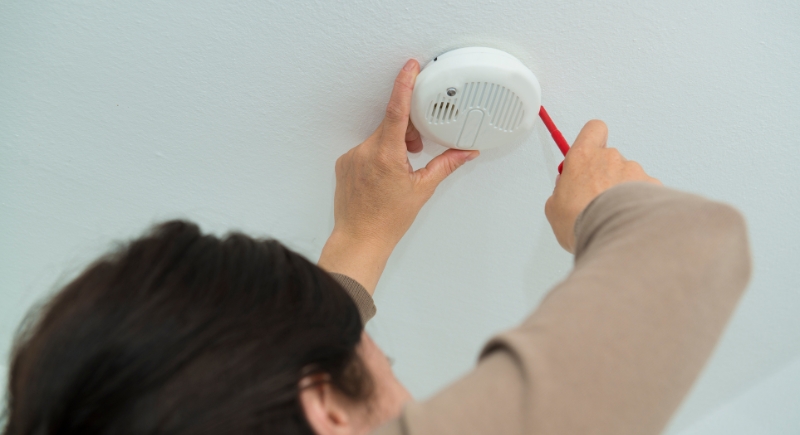
The low-battery detector chirps repeatedly at irregular intervals, and that unpredictability keeps dogs on edge between beeps. High-frequency tones register strongly in canine hearing, so a quiet chirp to humans can feel sharp to them, who respond with lip licking or freezing.
Phone Alerts And Electronic Notifications
Credit: Canva
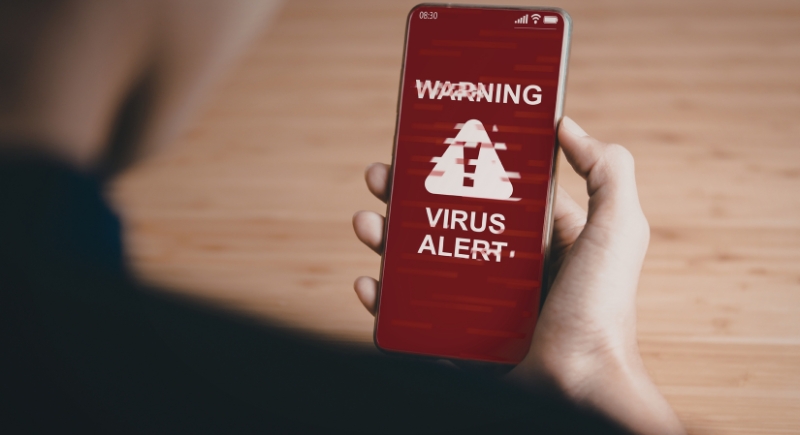
Phones create short, high-pitched sound bursts throughout the day, and repeated alerts prevent dogs from fully relaxing. Pups often react by turning their ears back or shifting away from the sound source. Many owners miss these signs because notifications feel harmless, but repeated exposure can increase anxiety levels over time.
Door Slams And Sudden Household Bangs
Credit: Canva
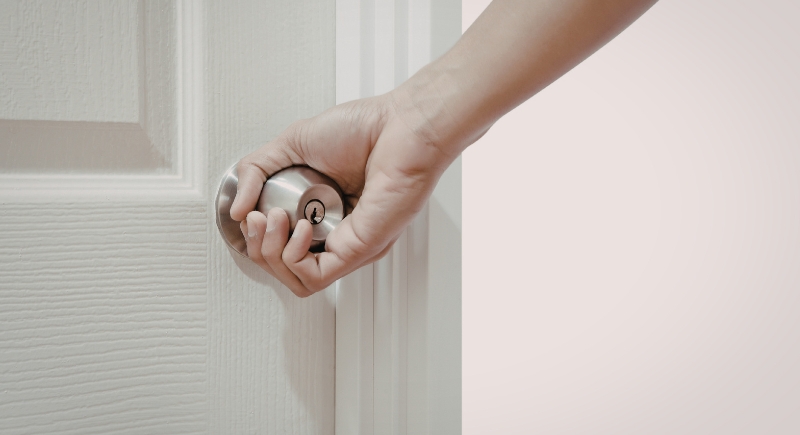
Unexpected sounds trigger instinctive alert responses because dogs rely heavily on hearing for safety awareness. A slammed door can cause immediate freezing, with wide eyes and a rigid posture. Even calm dogs react strongly because sudden noise bypasses learned comfort patterns and can slowly raise baseline anxiety levels, the more they experience it.
Microwave Beeps
Credit: Canva
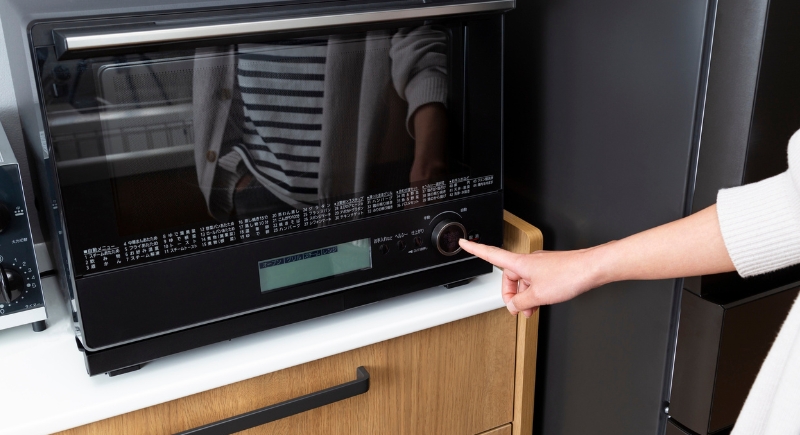
Microwave alerts produce sharp electronic tones that stand out against typical home background noise, prompting dogs to leave the room or lower their heads. They might even avoid the kitchen area after the alert sounds. Your pet may associate this sound with daily routines, such as cooking. Of course, repeated exposure can build negative associations.
Outdoor Animal Or Unknown Noise

Credit: Canva
Lingering unfamiliar sounds can keep your dog tense because they cannot confirm whether the sound source is safe or threatening. These animals have a way of hearing outdoor movement or animal sounds before humans notice, and their territorial instincts drive immediate alert behavior. Running to windows or doors often reflects stress combined with protective instinct.